Switching From Oracle WebLogic Server? 5 Alternatives for 2026
Weighing Oracle WebLogic Server alternatives? We lined up 5 products by cost, free access and fit. Every profile names its biggest catch. Jump to the table.
- Editor's choiceRed Hat JBoss Enterprise Application Platform
Supported Java EE 8 application server
Starts atPricing on requestVisit redhat.comFull review - Great alternative
 WildFly
Full Jakarta EE runtime with modular design
Starts atPricing on requestVisit wildfly.orgFull review - Also consider
 Apache TomEE
Light Java EE with tooling
Starts atPricing on requestVisit tomee.apache.orgFull review
Direct answer
Red Hat JBoss Enterprise Application Platform is the first pick on this list for supported Java EE 8 application server. Look at WildFly for full Jakarta EE runtime with modular design, and at Apache TomEE for light Java EE with tooling. Details and limits for the rest of the 5 tools are below. None of these vendors publish plan prices, so pricing is on request for every option.
TL;DR:
- Red Hat JBoss Enterprise Application Platform sits first on this list: supported Java EE 8 application server.
- None of the 5 tools, from Red Hat JBoss Enterprise Application Platform to GlassFish, has a free plan, so budget for a subscription or use a trial.
- Red Hat JBoss Enterprise Application Platform, GlassFish and the 3 others all sell by quote; expect sales conversations before you see a price.
- GlassFish suits reference implementation of Java EE.
Last checked November 2026. Pricing on request: vendors did not publish plan prices when this guide was last checked (November 2026), so ask each vendor for a written quote.
Quick comparison
| Tool | Best for | Starts at | Free plan? | |
|---|---|---|---|---|
| Red Hat JBoss Enterprise Application Platform | Supported Java EE 8 application server | Pricing on request | Not stated | Visit |
| WildFly | Full Jakarta EE runtime with modular design | Pricing on request | Not stated | Visit |
| Apache TomEE | Light Java EE with tooling | Pricing on request | Not stated | Visit |
 Apache Tomcat | Light servlet and JSP hosting | Pricing on request | Not stated | Visit |
 GlassFish | Reference implementation of Java EE | Pricing on request | Not stated | Visit |
The best Oracle WebLogic Server
Choosing Oracle WebLogic Server usually comes down to price, fit and limits. This LinkVetted guide sets 5 tools side by side on those three points, with the facts kept short and checkable.
Red Hat JBoss Enterprise Application Platform
Best for: Supported Java EE 8 application server
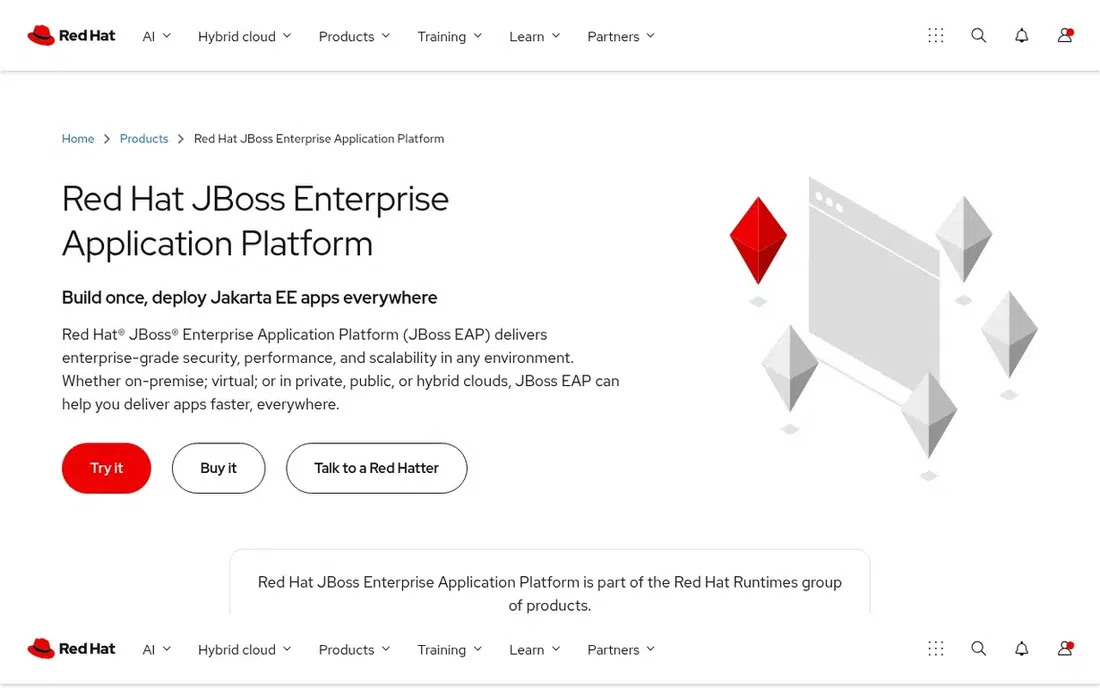
Pick Red Hat JBoss Enterprise Application Platform if this describes you: supported Java EE 8 application server. Organizations with straightforward servlet-only workloads may find a lighter container for example Tomcat sufficient.
In daily use, teams replacing WebLogic frequently evaluate it when they want a full product with vendor backing. Red Hat JBoss Enterprise Application Platform does not show a starting price in this comparison, so check the vendor site for current pricing. Free plan details: Not stated.
Strengths: Build once. Where it is weaker: Heavier than light containers.
- Deploy everywhere
- Java EE 8 compliant
- Subscription required for support
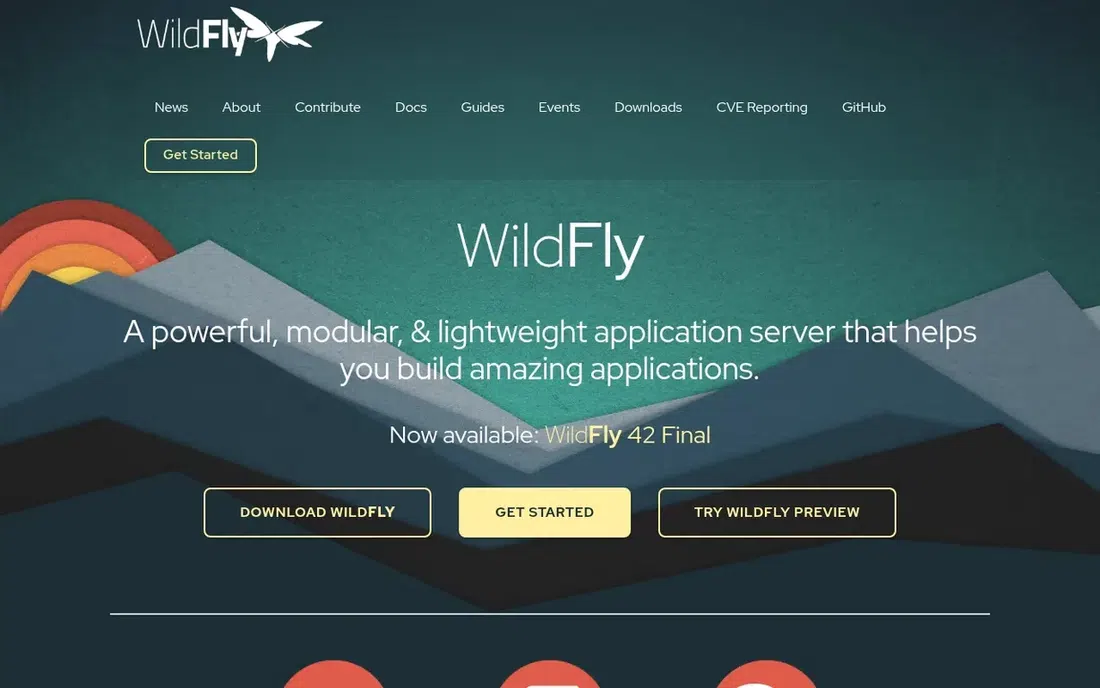
WildFly is aimed squarely at full Jakarta EE runtime with modular design. It supplies a modular architecture that lets teams enable only the subsystems they need, and it supports a wide set of enterprise APIs.
Where it is weaker: Configuration can be complicated.
Beyond that, teams that prefer a commercially supported distribution may look at Red Hat JBoss Enterprise Application Platform, which is built from WildFly. Worth adding: organizations migrating from WebLogic frequently consider WildFly when they want a full runtime without vendor lock-in. No starting price is listed for WildFly here; confirm pricing on the vendor site. As for free access: Not stated.
- Full Jakarta EE support
- Modular architecture
- Needs Java expertise
Where Apache TomEE fits: light Java EE with tooling. It merges Tomcat's servlet container with extra Java EE components, giving teams a middle ground between a straightforward servlet container and a full system.
Where it falls short: Restricted commercial support choices.
On top of that, TomEE's community and commercial support choices are more restricted than those of bigger distributions, so organizations with strict support requirements should verify availability. From a buyer's view, for very large enterprise deployments, a supported product like JBoss EAP may be preferable. No starting price is listed for Apache TomEE here; confirm pricing on the vendor site. Free options: Not stated.
- Feature-rich tooling
- Java EE compatible
- Smaller community than Tomcat
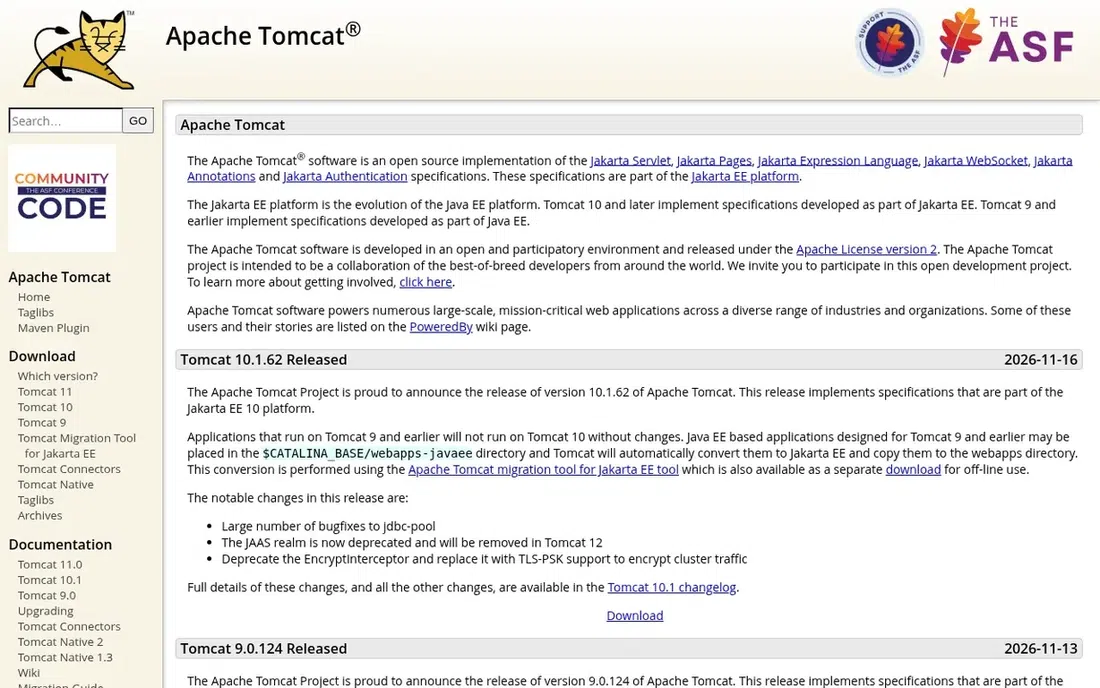
Apache Tomcat was built for light servlet and JSP hosting. Teams that package their own libraries or use a microservices framework commonly choose Tomcat since it is small, embeddable and simple to automate.
Where it falls short: Not a full Java EE server.
Check the vendor site for Apache Tomcat pricing; none is listed in this comparison. As for free access: Not stated.
- Small footprint
- Straightforward to embed
- Restricted built-in enterprise features
In short, GlassFish is for reference implementation of Java EE. Eclipse GlassFish is the open source reference implementation of the Java EE product. It offers a full set of enterprise APIs and is commonly used for development, testing and learning.
Also, GlassFish has seen a slower release cadence in recent years compared to other runtimes, and commercial support is restricted. Beyond that, teams that want a standards-based runtime for Java EE applications may consider it as a WebLogic alternative. Pricing for GlassFish is not stated here, so ask the vendor for current figures. On free options: Not stated.
Points against: Restricted commercial support.
- Open source
- Reference implementation
- Slower release cadence in recent years
How these tools were picked
Pricing pages, product documentation and feature lists were the main sources, and every entry carries at least one honest drawback. Figures are shown as the vendors publish them. Billing terms, seat minimums and add-ons can change the real cost. Tools are placed by general fit for Oracle WebLogic Server, with price clarity and free access as tie-breakers. A different team can reasonably rank them differently.
What to confirm before you sign up
- Request quotes from Red Hat JBoss Enterprise Application Platform, GlassFish and the others; the list shows no fixed prices.
- Before choosing Red Hat JBoss Enterprise Application Platform, weigh its main limit: subscription required for support.
- Get the contract term, renewal terms and any onboarding fees from GlassFish in writing.
- Price Apache TomEE for your actual team size; headline prices rarely include add-ons or overage.
- Check how data leaves WildFly: formats, limits and whether exports are available on every plan.
FAQ
Is Red Hat JBoss Enterprise Application Platform the right pick for everyone comparing Oracle WebLogic Server?
No single tool suits every team. Red Hat JBoss Enterprise Application Platform comes first because it fits supported Java EE 8 application server, while WildFly suits full Jakarta EE runtime with modular design and Apache TomEE suits lightweight Java EE with tooling. Match the tool to your own size, budget and workflow before deciding.
What is the main difference between Tomcat and a full Java EE server?
Tomcat is a servlet container that implements only the web profile specifications, whereas a full Java EE server contains additional APIs for example EJB, JMS and JTA.
Do these tools publish their prices?
No. None of the tools, from Red Hat JBoss Enterprise Application Platform to GlassFish, shows a fixed starting price here, so budget time for quotes.
How are the tools for Oracle WebLogic Server ordered?
Red Hat JBoss Enterprise Application Platform sits first and GlassFish last because the order follows typical fit for Oracle WebLogic Server, then price clarity and free access. It is a judgement call, so read each profile for fit and limits.
Can I migrate from WebLogic to an open source server without code changes?
Migration effort relies on which APIs your application uses and how tightly it is coupled to WebLogic-specific features. Applications that stick to standard Java EE APIs are usually simpler to move, but you should review deployment descriptors and any vendor-specific extensions.
Can I try these tools before paying?
Not by default. None of the tools, from Red Hat JBoss Enterprise Application Platform to GlassFish, lists a free plan or a free trial here, so ask each vendor for a demo before committing.
Sources
- https://www.redhat.com/en/technologies/jboss-middleware/application-platform
- https://www.wildfly.org
- https://tomee.apache.org
- https://tomcat.apache.org
- https://glassfish.org