6 Web Frameworks Worth Shortlisting in 2026
Compare 6 best web frameworks, with prices, free plans and who each fits. Start with Vue.js if you need progressive adoption in projects. Refreshed for 2026.
- Editor's choiceVue.js
Progressive adoption in projects
Starts atPricing on requestVisit vuejs.orgFull review - Great alternative
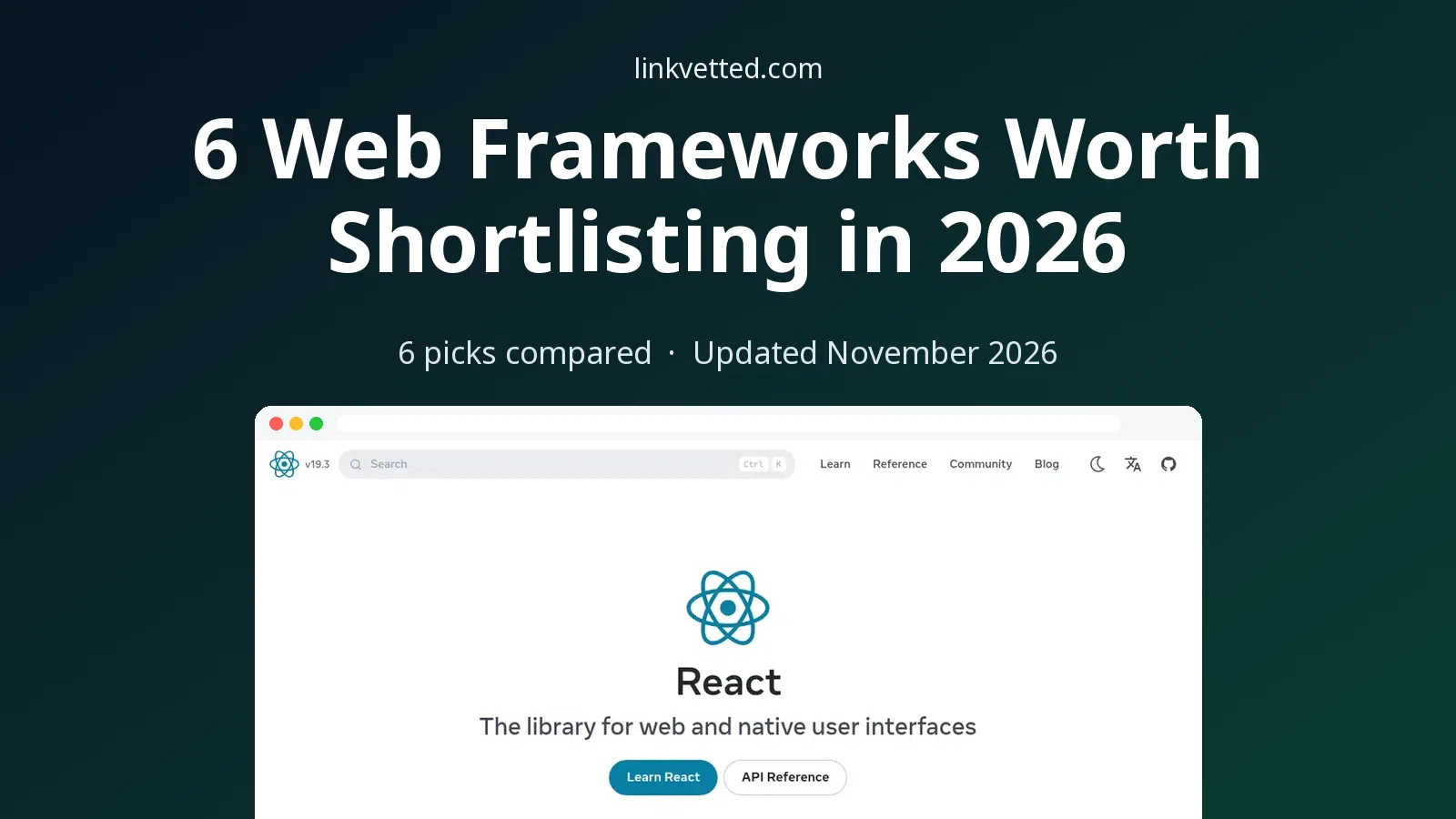
 React
Component-based user interfaces
Starts atPricing on requestVisit react.devFull review - Also consider
 Svelte
Lean component-driven development
Starts atPricing on requestVisit svelte.devFull review
Direct answer
Vue.js is the first pick on this list for progressive adoption in projects. Look at React for Component-based user interfaces, and at Svelte for lean component-driven development. The other 3 tools in the list cover narrower or pricier cases. None of these vendors publish plan prices, so pricing is on request for every option.
TL;DR:
- The list opens with Vue.js, aimed at progressive adoption in projects.
- Every tool from Vue.js to Nuxt works by quote, with no list price shown.
- Vue.js, Nuxt and the 4 others all need a premium plan or a trial, since no free plan is listed.
- Nuxt is the one to check for full-stack Vue applications.
- Check the limits for Astro before you commit: less centered on highly interactive app shells.
Last checked November 2026. Pricing on request: vendors did not publish plan prices when this guide was last checked (November 2026), so ask each vendor for a written quote.
Quick comparison
| Tool | Best for | Starts at | Free plan? | |
|---|---|---|---|---|
| Vue.js | Progressive adoption in projects | Pricing on request | Not stated | Visit |
| React | Component-based user interfaces | Pricing on request | Not stated | Visit |
| Svelte | Lean component-driven development | Pricing on request | Not stated | Visit |
| Astro | Quick content sites and APIs | Pricing on request | Not stated | Visit |
| Next.js | Full-stack React applications | Pricing on request | Not stated | Visit |
| Nuxt | Full-stack Vue applications | Pricing on request | Not stated | Visit |
6 web frameworks in detail
Choosing web frameworks usually comes down to price, fit and limits. This LinkVetted guide sets 6 tools side by side on those three points, with the facts kept short and checkable.
Vue.js
Best for: Progressive adoption in projects
Vue.js makes the most sense for progressive adoption in projects. Pick Vue when incremental adoption and an adaptable frontend framework are priorities. Beyond that, developers frequently find its structure readable and adaptable.
Points against: Ecosystem choices vary by project.
Projects needing an all-in-one framework may look elsewhere. In daily use, Vue concentrates on the frontend, so full-stack concerns like server rendering are handled by companion tools for example Nuxt. Pricing for Vue.js is not stated here, so ask the vendor for current figures. Free options: Not stated.
- Approachable component model
- Can be adopted incrementally
- Fewer built-in full-stack features
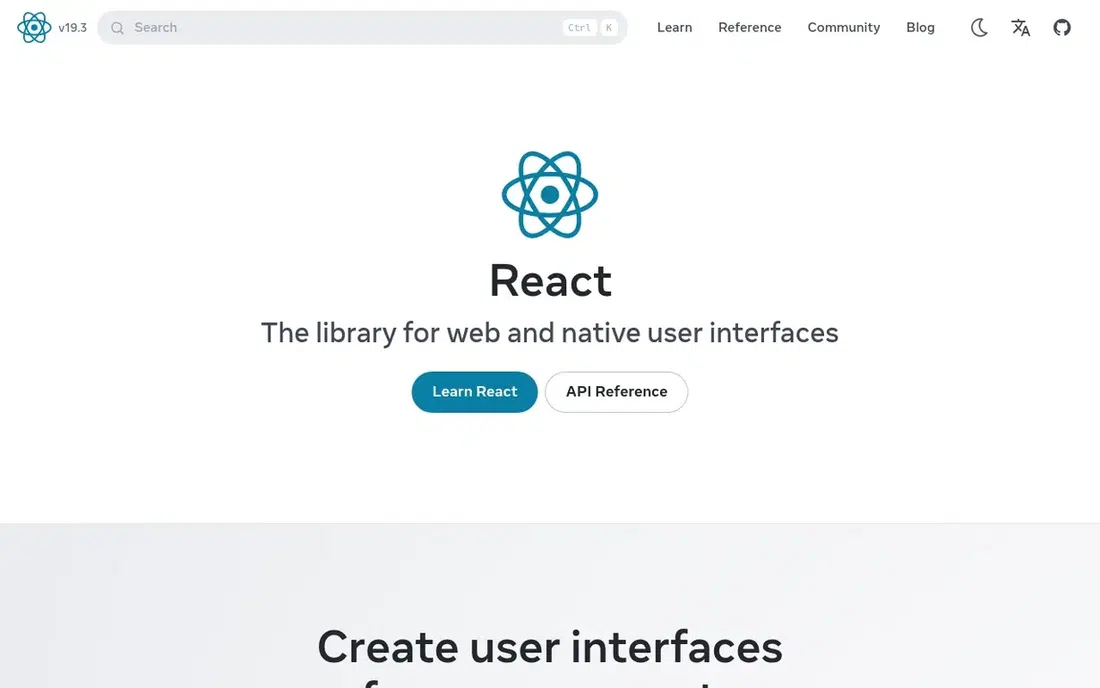
React targets Component-based user interfaces. React is a library for building user interfaces out of individual components written in JavaScript. React manages the view layer, so routing, data fetching and build tooling come from other libraries or frameworks.
That adaptability means more decisions and integration work. Choose React when you want fine control over your stack, and consider a framework built on it when you prefer batteries included. No starting price is listed for React here; confirm pricing on the vendor site. Free options: Not stated.
Where it is weaker: Concentrates on the view layer only.
- Composable component model
- Large ecosystem of supporting tools
- Needs additional choices for routing and data
Svelte is designed for lean component-driven development. Svelte presents itself as web development for the rest of us, centered on writing components with a lean, approachable style.
It appeals to developers who want to focus on building interfaces without heavy framework ceremony. In practice, teams needing deep external support may prefer a larger framework. No starting price is listed for Svelte here; confirm pricing on the vendor site. As for free access: Not stated.
Trade-offs to know: Fewer established patterns to copy.
- Component-focused approach
- Straightforward mental model
- Smaller surrounding ecosystem
Astro
Best for: Quick content sites and APIs
Astro was built for quick content sites and APIs. Astro builds quick content sites, feature-rich web applications, dynamic server APIs and everything in between. It is an adaptable choice for mixed project types.
Drawbacks to consider: Less centered on highly interactive app shells.
Choose Astro when content delivery and speed are central to the project. Beyond that, Astro can still support those needs but may need extra tooling. This comparison lists no price for Astro; ask the vendor. Free plan details: Not stated.
- Flexible across project types
- Supports web apps and server APIs
- May need additional tooling for complicated state
Next.js
Best for: Full-stack React applications
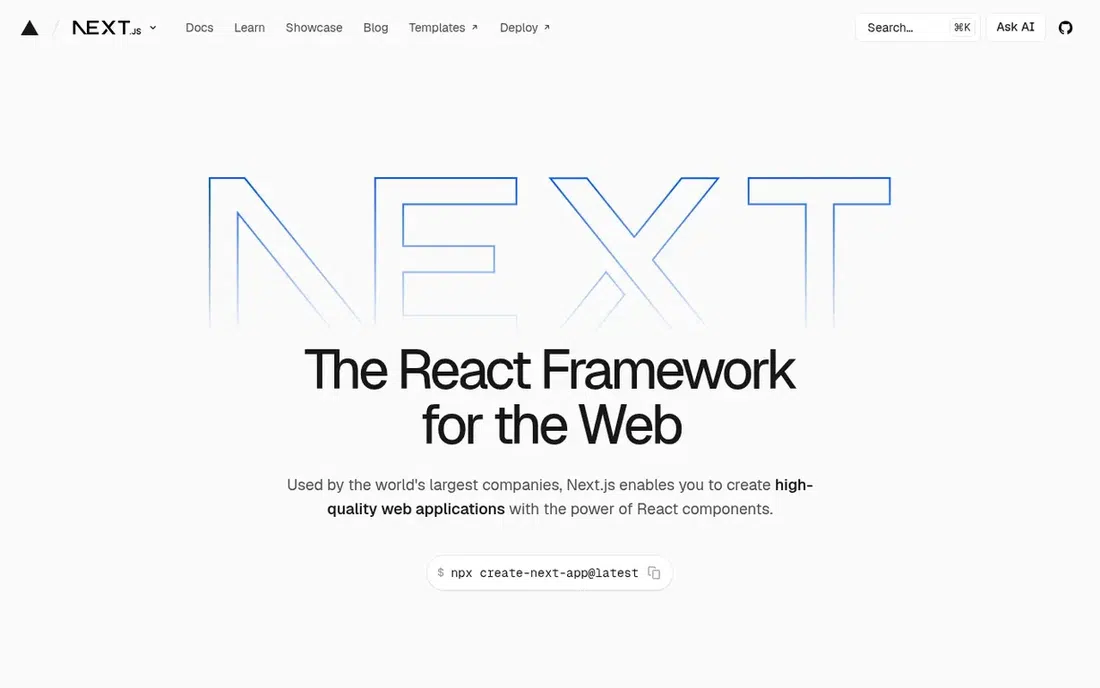
Next.js is aimed squarely at full-stack React applications. It suits product teams shipping interactive, production-grade sites instead of straightforward static pages.
Limits to weigh: May be more than a small static site needs.
As for the details, if you only need a light content site, a more straightforward tool may be easier to maintain. Check the vendor site for Next.js pricing; none is listed in this comparison. Trial and free access: Not stated.
- Built on React components
- Full-stack capabilities in one framework
- Layers on framework conventions on top of React
Nuxt
Best for: Full-stack Vue applications
Nuxt targets full-stack Vue applications. It fits Vue teams that want a complete application framework without assembling routing and rendering pieces themselves.
Nuxt does not show a starting price in this comparison, so check the vendor site for current pricing. Free plan details: Not stated.
Watch-outs: Conventions may not suit every team.
- File-based routing
- Server-side rendering configured from day one
- Tied closely to Vue
How we compared the tools
Selection started from tools commonly considered for web frameworks, then narrowed to 6 that have clear pricing information or a clear quote process. Where a price is missing, the vendor does not list one publicly or ties it to a quote. Always confirm before budgeting. The order reflects how well each tool fits the most common buying scenario for web frameworks, then price clarity, then free plan access. It is a starting point, not a verdict.
Questions to settle before buying
- Request quotes from Vue.js, Nuxt and the others; the list shows no fixed prices.
- Before choosing Vue.js, weigh its main limit: fewer built-in full-stack features.
- Check the support hours and onboarding help Vue.js offers; smaller vendors vary a lot here.
- Add up seats, add-ons and usage charges for Nuxt before comparing it with cheaper entries.
- Confirm that React connects to the apps your team already uses, on the plan you would actually buy.
FAQ
How are the tools for web frameworks ordered?
Vue.js sits first and Nuxt last because the order follows typical fit for web frameworks, then price clarity and free access. It is a judgement call, so read each profile for fit and limits.
Do these tools publish their prices?
No. None of the tools, from Vue.js to Nuxt, shows a fixed starting price here, so budget time for quotes.
When does Astro make sense over a full application framework?
It tends to suit projects where content delivery and speed are central. For heavily interactive application shells, a framework built around a component runtime may be a better fit.
Is Vue.js the right pick for everyone comparing web frameworks?
No single tool suits every team. Vue.js comes first because it fits progressive adoption in projects, while React suits Component-based user interfaces and Svelte suits lean component-driven development. Match the tool to your own size, budget and workflow before deciding.
Does any tool for web frameworks here have a free plan?
A permanent free plan is not offered by Vue.js, Nuxt or the other tools here. Plan a short evaluation period instead.
Is Next.js a framework or a library?
Next.js is a full-stack React framework, whereas React itself is described as a library for building user interfaces. Teams wanting React with a fuller application setup commonly start there.
Sources
- https://vuejs.org
- https://react.dev
- https://svelte.dev
- https://astro.build
- https://nextjs.org
- https://nuxt.com