Best Java Web Frameworks for Enterprise (2026): 5 Picks Checked on Vendor Pages
5 tools for the best java web frameworks for enterprise, compared on pricing, free plans and best-fit use. The catches are listed up front. Clear verdicts.
- Editor's choiceMicronaut
Modular microservices and serverless
Starts atSee websiteVisit micronaut.ioFull review - Great alternativeVaadin
Enterprise web UIs in Java
Starts at$175 per developer a monthVisit vaadin.comFull review - Also considerApache Struts
Maintaining existing Struts applications
Starts atSee websiteVisit struts.apache.orgFull review
Direct answer
Micronaut leads the list, best for modular microservices and serverless. Listed starting prices: Vaadin from $175 per developer a month. Vaadin fits enterprise web UIs in Java; Apache Struts fits maintaining existing Struts applications. The full list of 5 tools follows, with prices and free plan facts.
TL;DR:
- The list opens with Micronaut, aimed at modular microservices and serverless.
- For wide enterprise application foundation, Spring Boot is worth a look.
- Vaadin has the lowest monthly starting price in this list: $175 per developer per month.
- Check the limits for Jakarta EE before you commit: needs a compatible runtime.
Last checked November 2026. Prices and plan details were read from the vendors' own pages in November 2026; vendors change plans often, so confirm the current price on the vendor site before you buy.
Quick comparison
| Tool | Best for | Starts at | Free plan? | |
|---|---|---|---|---|
| Micronaut | Modular microservices and serverless | See website | Not stated | Visit |
| Vaadin | Enterprise web UIs in Java | $175 per developer a month | Yes | Visit |
| Apache Struts | Maintaining existing Struts applications | See website | Not stated | Visit |
| Jakarta EE | Standards-based enterprise Java products | See website | Not stated | Visit |
| Spring Boot | Wide enterprise application foundation | See website | Not stated | Visit |
Java Web Frameworks for Enterprise, one by one
Short on time? The summary and table above give the quick view of 5 tools for java web frameworks for enterprise, and the profiles that follow give the detail behind each entry.
Micronaut
Best for: Modular microservices and serverless
Micronaut serves modular microservices and serverless. Micronaut is described as a modern, JVM-based, full-stack framework for building modular, easily testable microservice and serverless applications.
Strengths: Serverless-oriented design.
Trade-offs to know: Needs architectural discipline. It asks more architectural discipline at the start and has a smaller body of learning material than the largest frameworks. Teams building a single large web application may find Spring Boot or Vaadin a more direct fit. Pricing for Micronaut is not stated here, so ask the vendor for current figures. Free options: Not stated.
- Simple testability
- Modular application structure
- Fewer learning resources
Vaadin
Best for: Enterprise web UIs in Java
Vaadin is aimed squarely at enterprise web UIs in Java. Vaadin is presented as a Java framework for building enterprise web applications, with a unified stack, built-in security and enterprise-grade UI components.
Vaadin pricing: $175 per developer per month. Vaadin includes a free tier.
Points against: Component model shapes design.
- Enterprise-grade UI components
- Built-in security features
- UI-centric scope
Apache Struts
Best for: Maintaining existing Struts applications
Apache Struts is a good fit for maintaining existing Struts applications. Apache Struts is an established Apache web framework built around an action-based request model.
Honest limits: Less suited to new greenfield work.
It suits organizations that already run Struts applications and have to maintain or extend them, especially where the team knows the framework and the codebase is stable. Apache Struts shows no starting price here, so confirm the cost on the vendor site. Free plan details: Not stated.
- Familiar to legacy teams
- Long-standing Apache project
- Older design model
Jakarta EE
Best for: Standards-based enterprise Java products
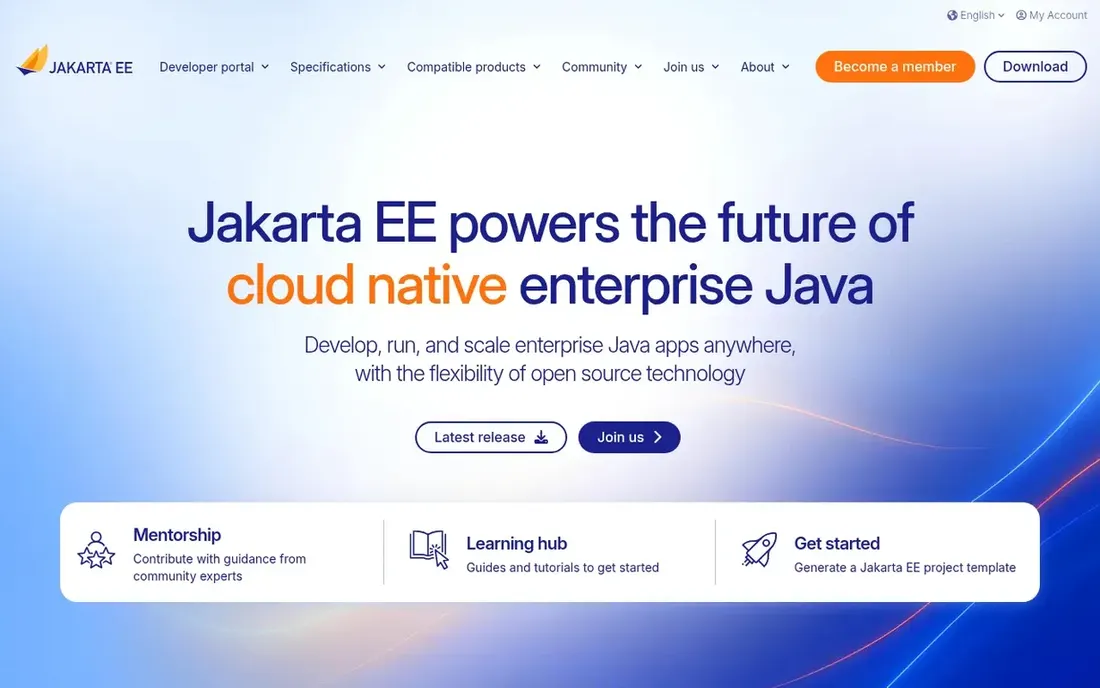
Jakarta EE is aimed squarely at standards-based enterprise Java products. Jakarta EE is the open source, Eclipse Foundation-led evolution of enterprise Java, positioned as cloud-native enterprise Java with a specifications-first approach.
Honest limits: Specifications can lag tooling trends.
It suits organizations that value vendor neutrality and want to modernize existing Java EE investments without locking into a single product stack. Jakarta EE shows no starting price here, so confirm the cost on the vendor site. Free options: Not stated.
- Vendor-neutral specifications
- Guards existing Java EE investments
- Needs a compatible runtime
Spring Boot
Best for: Wide enterprise application foundation
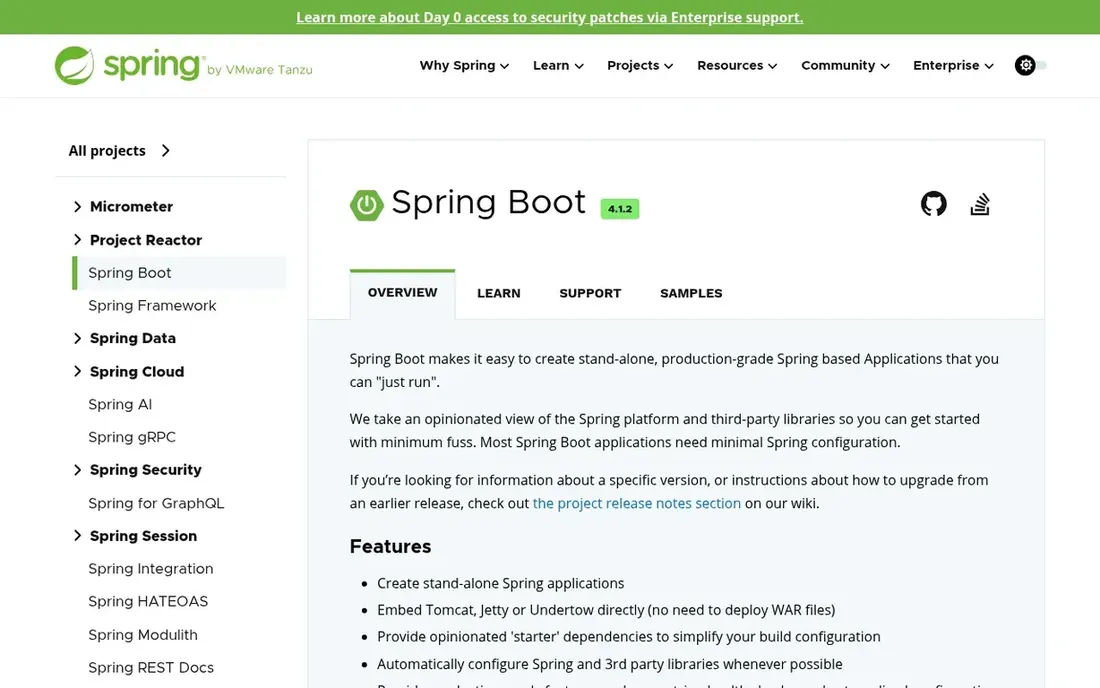
Spring Boot is built with wide enterprise application foundation in mind. Spring Boot is the widely used Spring project for standing up Java applications rapidly, with conventions and auto-configuration that cut manual setup.
Trade-offs to know: Plenty of choices to learn.
It benefits teams already familiar with the wider Spring ecosystem. Check the vendor site for Spring Boot pricing; none is listed in this comparison. As for free access: Not stated.
- Convention-driven setup
- Large documented ecosystem
- Can feel heavy for small apps
How we compared the tools
We compared the tools on published pricing, free plan or trial availability, feature coverage for java web frameworks for enterprise, and the limits each vendor documents. Figures are shown as the vendors publish them. Billing terms, seat minimums and add-ons can change the real cost. Order on the page follows fit for the typical buyer first, then price transparency and free access. Your own requirements should decide the final pick.
Before you commit
- Ask Micronaut, Apache Struts, Jakarta EE and Spring Boot for a written quote, since no starting price is shown.
- Test the free plan from Vaadin against your real workload before relying on it.
- Before choosing Micronaut, weigh its main limit: fewer learning resources.
- Test the integrations you rely on with Jakarta EE before committing; some connectors sit on upper tiers.
- Find out whether the entry plan of Spring Boot covers your must-haves or only a trimmed-down version.
FAQ
Which options for java web frameworks for enterprise have a free plan?
Vaadin is the only tool in this list with a free plan. Free plans usually cap users, projects or features, so check the limits on the vendor page. All 5 picks in this Java web frameworks for enterprise comparison list a starting price, free plan details and the main limits on their cards above.
Do these tools publish their prices?
Not all of them. Micronaut, Apache Struts, Jakarta EE and Spring Boot publish no starting price, so expect a quote request for those. The rest, Vaadin included, show a starting price, though seats and billing terms still change the final cost.
How are the tools for java web frameworks for enterprise ordered?
The order follows typical fit for java web frameworks for enterprise, with Micronaut first and Spring Boot last, then price clarity and free access. It is editorial judgement, not a score, so another team could rank the tools differently.
Which Java framework is a good match for a new enterprise web application?
For most readers this guide would start with Micronaut, built for modular microservices and serverless. Vaadin is the alternative for enterprise web UIs in Java, and Apache Struts for maintaining existing Struts applications. The right answer depends on budget and workflow.
What is the cheapest option for java web frameworks for enterprise in this list?
On published monthly entry prices, Vaadin is the lowest here at $175 per developer per month. Entry price is only part of the cost, because seats, add-ons and billing terms can change the total.
Sources
- https://micronaut.io
- https://vaadin.com
- https://struts.apache.org
- https://jakarta.ee
- https://spring.io/projects/spring-boot