Top 6 JavaScript Web Frameworks for Remote Teams for 2026 (Prices and Free Plans)
6 best JavaScript web frameworks for remote teams, compared on pricing, free plans and best-fit use. Weak spots flagged for every entry. Details below.
- Editor's choiceVue.js
Approachable progressive adoption
Starts atPricing on requestVisit vuejs.orgFull review - Great alternativeNext.js
Full-stack React with built-in conventions
Starts atPricing on requestVisit nextjs.orgFull review - Also consider
 React
Component-based collaboration at scale
Starts atPricing on requestVisit react.devFull review
Direct answer
Vue.js leads the list, best for approachable progressive adoption. Alternatives: Next.js for full-stack React with built-in conventions, and React for Component-based collaboration at scale. The other 3 tools in the list cover narrower or pricier cases. None of these vendors publish plan prices, so pricing is on request for every option.
TL;DR:
- Number one here is Vue.js, a fit for approachable progressive adoption.
- Check the limits for Next.js before you commit: tied closely to the React model.
- Angular fits standardized structure for bigger teams.
- Every tool from Vue.js to Angular works by quote, with no list price shown.
- Vue.js, Angular and the 4 others all need a premium plan or a trial, since no free plan is listed.
Last checked November 2026. Pricing on request: vendors did not publish plan prices when this guide was last checked (November 2026), so ask each vendor for a written quote.
Quick comparison
| Tool | Best for | Starts at | Free plan? | |
|---|---|---|---|---|
| Vue.js | Approachable progressive adoption | Pricing on request | Not stated | Visit |
| Next.js | Full-stack React with built-in conventions | Pricing on request | Not stated | Visit |
| React | Component-based collaboration at scale | Pricing on request | Not stated | Visit |
| SvelteKit | Full-stack Svelte applications | Pricing on request | Not stated | Visit |
 Svelte | Lean components with less boilerplate | Pricing on request | Not stated | Visit |
 Angular | Standardized structure for bigger teams | Pricing on request | Not stated | Visit |
The 6 tools in detail
Short on time? The summary and table above give the quick view of 6 JavaScript web frameworks for remote teams, and the profiles that follow give the detail behind each entry.
Vue.js
Best for: Approachable progressive adoption
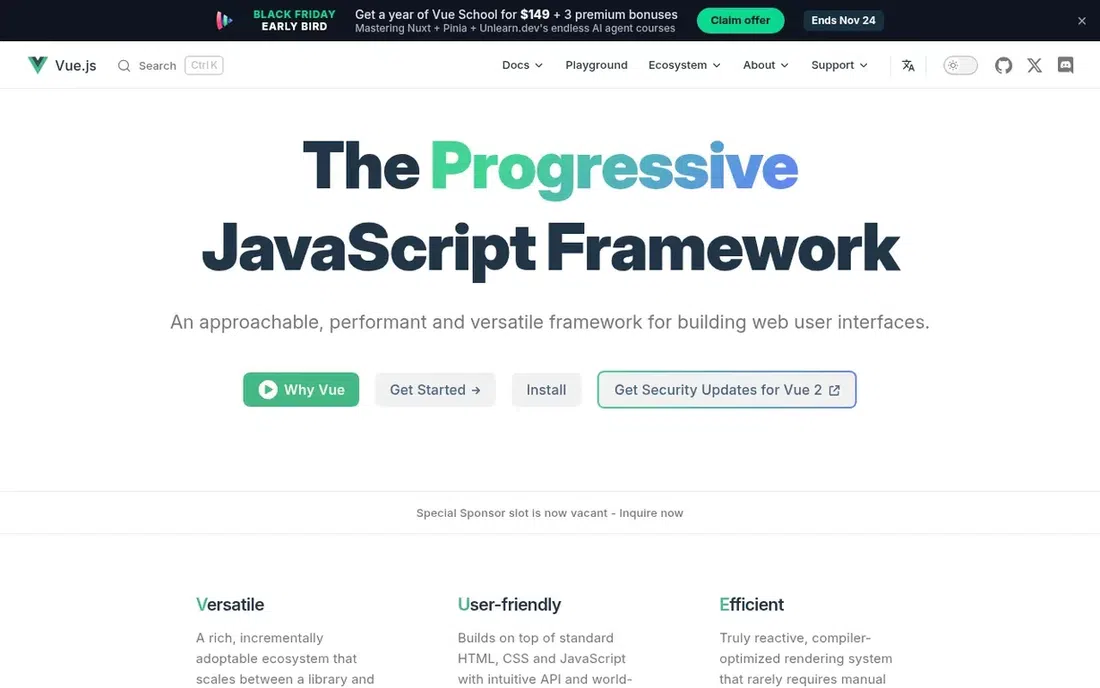
Where Vue.js fits: approachable progressive adoption. Vue.js describes itself as the progressive JavaScript framework.
Watch-outs: Conventions differ from React patterns.
Its progressive nature means remote teams can adopt it gradually, starting small and expanding as confidence grows. Vue.js does not show a starting price in this comparison, so check the vendor site for current pricing. Trial and free access: Not stated.
- Readable template syntax
- Progressive framework design
- Smaller enterprise tooling ecosystem
Next.js
Best for: Full-stack React with built-in conventions
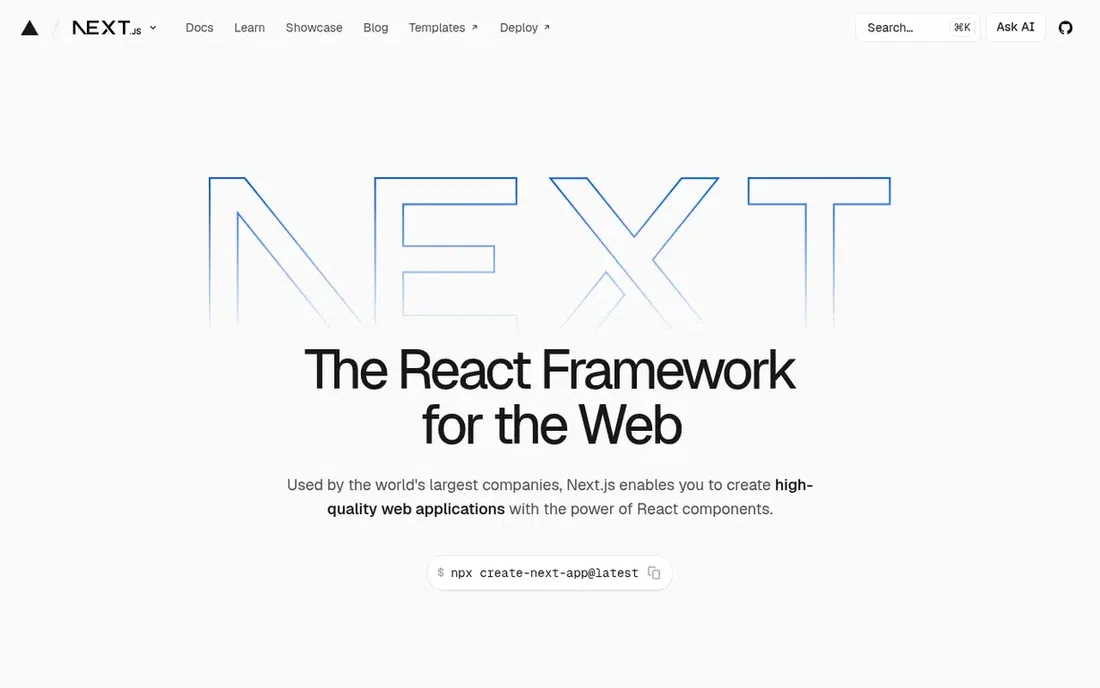
Next.js targets full-stack React with built-in conventions. Next.js by Vercel is described as the full-stack React framework for the web.
It hands remote teams a shared set of conventions for building React applications, which cuts the setup discussions that can stall distributed projects. Next.js does not show a starting price in this comparison, so check the vendor site for current pricing. As for free access: Not stated.
Where it falls short: Brings framework-specific concepts to learn.
- Backed by Vercel documentation
- Conventions cut setup debate
- Tied closely to the React model
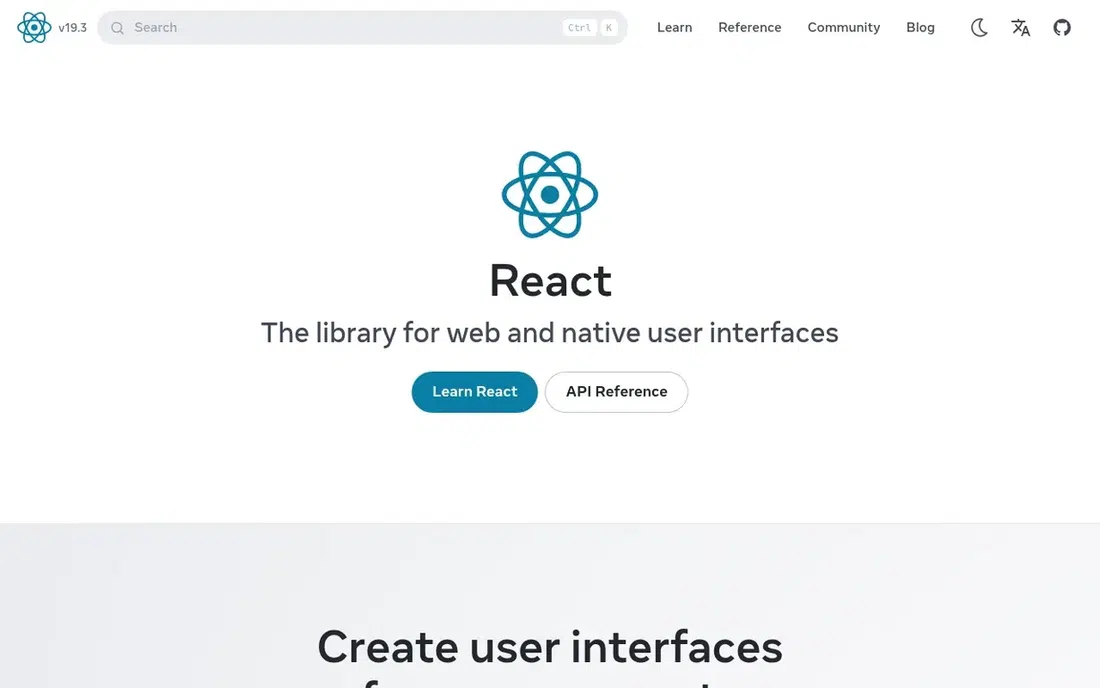
React makes the most sense for Component-based collaboration at scale. React is a library for building web and native user interfaces from individual components written in JavaScript.
In daily use, since React is a library instead of a complete framework, teams must agree on surrounding tools, which can slow onboarding if conventions are undocumented. Check the vendor site for React pricing; none is listed in this comparison. On free options: Not stated.
What to check first: Setup decisions can vary by team.
- Works for web and native interfaces
- Components keep work simple to divide
- Needs choosing additional libraries
SvelteKit
Best for: Full-stack Svelte applications
Where SvelteKit fits: full-stack Svelte applications. SvelteKit extends Svelte into a fuller application framework, adding routing and project structure on top of the lean component model.
Where it falls short: Smaller ecosystem than React-based tools.
It suits teams building complete web applications who want Svelte's compact style with more built-in structure. This comparison lists no price for SvelteKit; ask the vendor. Free plan details: Not stated.
- Builds on the Svelte component model
- Suited to production web apps
- Layers on framework concepts to learn
Svelte targets lean components with less boilerplate. Svelte presents itself as web development for the rest of us, emphasizing a lean approach to building interfaces.
Its component style keeps code compact and readable, which can help remote teams review each other's work rapidly. From a buyer's view, teams that require full-stack conventions should consider SvelteKit, which builds on Svelte. This comparison lists no price for Svelte; ask the vendor. Free plan details: Not stated.
Where it falls short: Smaller ecosystem than React.
- Compact component authoring
- Readable single-file components
- Fewer ready-made integrations
Angular works best for standardized structure for bigger teams. Angular is presented as the web development framework for building modern apps.
Reasons to shortlist it: Opinionated.
More specifically, teams wanting minimal ceremony or gradual adoption may find Vue.js or Svelte simpler to introduce. Pricing for Angular is not stated here, so ask the vendor for current figures. Free plan details: Not stated.
Downsides: Heavier conceptual overhead.
- Suited to modern app development
- Complete framework
- Steeper ramp-up time
Our selection method
We compared the tools on published pricing, free plan or trial availability, feature coverage for JavaScript web frameworks for remote teams, and the limits each vendor documents. Plan names, prices and limits change often. Treat the figures here as a starting point and verify them with the vendor. The ranking is editorial: typical fit first, then clear pricing, then free access. If your needs are unusual, read the profiles rather than relying on position.
Pre-purchase checklist
- Confirm the entry price with every vendor: no tool from Vue.js to Angular shows a fixed starting price.
- Read the limits listed for Vue.js first: smaller enterprise tooling ecosystem.
- Add up seats, add-ons and usage charges for Next.js before comparing it with cheaper entries.
- Check how data leaves Angular: formats, limits and whether exports are available on every plan.
- Check whether Vue.js bills monthly or annually, and what cancelling early costs.
FAQ
Is Angular a solid fit for distributed teams?
Angular's opinionated, complete structure can standardize how large remote teams build modern apps. It includes a steeper ramp-up time, so onboarding takes more effort. Teams wanting lighter adoption may prefer Vue.js or Svelte.
Does any tool for JavaScript web frameworks for remote teams here have a free plan?
A permanent free plan is not offered by Vue.js, Angular or the other tools here. Plan a short evaluation period instead.
Do these tools publish their prices?
No. None of the tools, from Vue.js to Angular, shows a fixed starting price here, so budget time for quotes.
Is Vue.js the right pick for everyone comparing JavaScript web frameworks for remote teams?
No single tool suits every team. Vue.js comes first because it fits approachable progressive adoption, while Next.js suits full-stack React with built-in conventions and React suits Component-based collaboration at scale. Match the tool to your own size, budget and workflow before deciding.
Can I try these tools before paying?
Not by default. None of the tools, from Vue.js to Angular, lists a free plan or a free trial here, so ask each vendor for a demo before committing.
Sources
- https://vuejs.org
- https://nextjs.org
- https://react.dev
- https://kit.svelte.dev
- https://svelte.dev
- https://angular.dev