The 5 Best Python Web Frameworks for Enterprise in 2026, Ranked
Searching for the best python web frameworks for enterprise? Here are 5 options with prices and free plans. Pros and cons for every tool. Refreshed for 2026.
- Editor's choicePyramid
Expanding from small to large apps
Starts atPricing on requestVisit trypyramid.comFull review - Great alternativeFlask
Small, adaptable internal tools
Starts atPricing on requestVisit flask.palletsprojects.comFull review - Also considerDjango
Full-stack enterprise applications
Starts atPricing on requestVisit djangoproject.comFull review
Direct answer
If you need growing from small to large apps, Pyramid is the first tool to look at here. If your case is different, Flask suits small, adaptable internal tools and Django suits full-stack enterprise applications. The remaining 2 options are covered below with pricing notes and limits. None of these vendors publish plan prices, so pricing is on request for every option.
TL;DR:
- Top of the list is Pyramid, which targets expanding from small to large apps.
- Before buying Flask, weigh this: you assemble the stack.
- For high-performance API services, FastAPI is worth a look.
- No starting price is shown for any of the 5 tools, Pyramid and FastAPI included, so plan time for sales calls.
Last checked November 2026. Pricing on request: vendors did not publish plan prices when this guide was last checked (November 2026), so ask each vendor for a written quote.
Quick comparison
| Tool | Best for | Starts at | Free plan? | |
|---|---|---|---|---|
| Pyramid | Expanding from small to large apps | Pricing on request | Not stated | Visit |
| Flask | Small, adaptable internal tools | Pricing on request | Not stated | Visit |
| Django | Full-stack enterprise applications | Pricing on request | Not stated | Visit |
| Falcon | Minimal, secure API backends | Pricing on request | Not stated | Visit |
| FastAPI | High-performance API services | Pricing on request | Not stated | Visit |
The 5 tools in detail
Choosing python web frameworks for enterprise usually comes down to price, fit and limits. This LinkVetted guide sets 5 tools side by side on those three points, with the facts kept short and checkable.
Pyramid
Best for: Expanding from small to large apps
Where Pyramid fits: growing from small to large apps. Pyramid describes itself as a light Python web framework targeted at taking small web apps into big web apps, with its site positioned as a simple entry point.
Watch-outs: Less prescriptive guidance.
It lets teams choose their templating, database and authentication components instead of adopting a fixed bundle. Worth adding: consider Django when you want an integrated stack, or Flask for more straightforward tools. Pyramid does not show a starting price in this comparison, so check the vendor site for current pricing. As for free access: Not stated.
- Scales from small to big
- Adaptable component choices
- Smaller ecosystem than Django
Flask
Best for: Small, adaptable internal tools
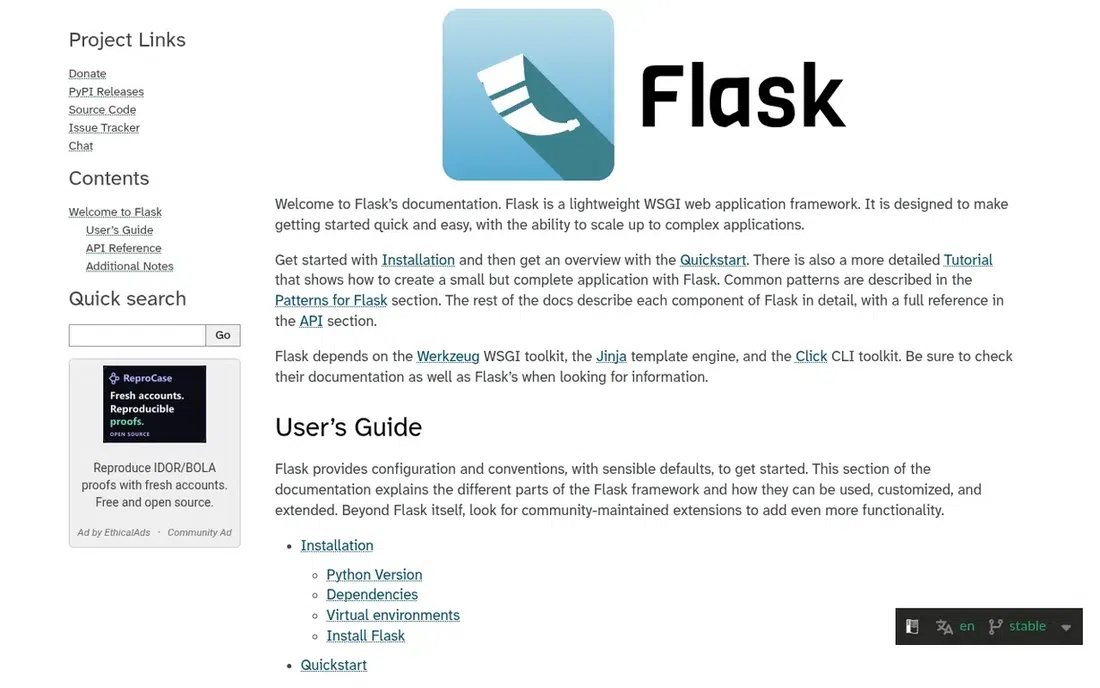
Flask was built for small, flexible internal tools. Since Flask leaves most decisions to you, large multi-team projects can drift into inconsistent patterns without internal standards. It also lacks the integrated admin and ORM that Django gives you.
Trade-offs to know: You assemble the stack.
More specifically, choose Django for big applications with shared conventions, or FastAPI for typed API services. Its small surface area makes it quick to learn and simple to reason about. This comparison lists no price for Flask; ask the vendor. Free access: Not stated.
- Simple to pick up
- Adaptable extension choices
- Fewer conventions for large teams
Django
Best for: Full-stack enterprise applications
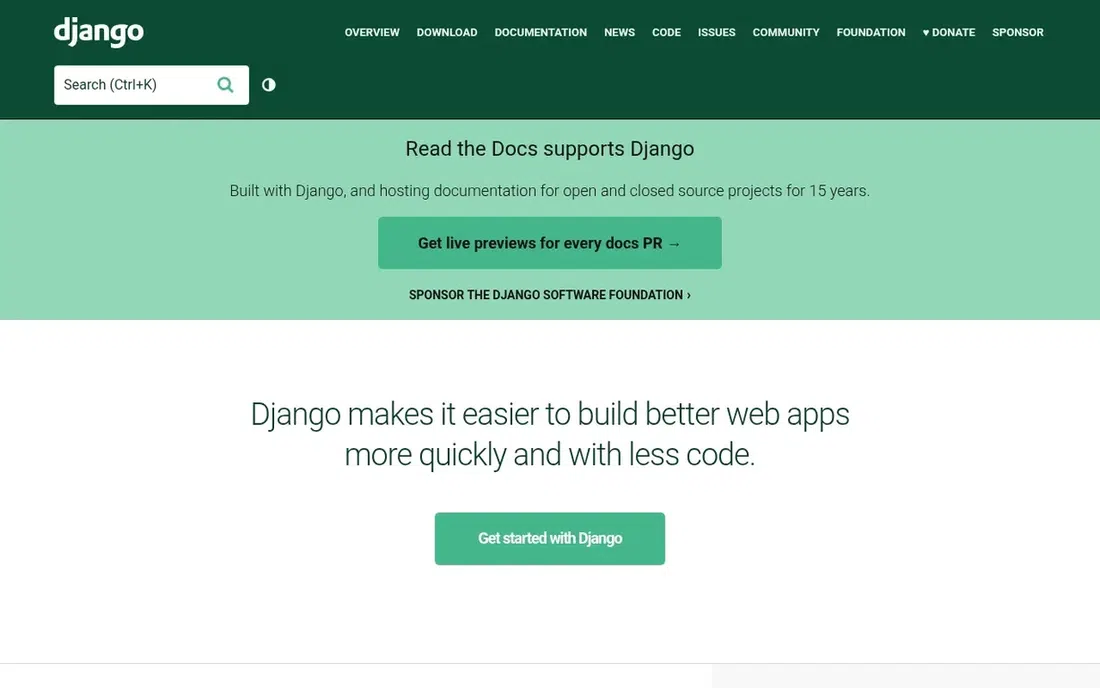
Django works best for full-stack enterprise applications. Consider FastAPI or Flask when you need a lean API layer or want to choose each component yourself.
No starting price is listed for Django here; confirm pricing on the vendor site. On free options: Not stated.
What Django does well: mature documentation. Where it is weaker: Opinionated structure.
- Large
- Admin and auth
- Heavier for small services
Falcon
Best for: Minimal, secure API backends
In short, Falcon is for minimal, secure API backends. Choose Django for an integrated stack or FastAPI when typed API development is the priority. In daily use, Falcon is described as a minimal, quick and secure web framework for Python.
The main drawbacks: Few built-in extras.
Its restrained design appeals to organizations that prefer to add only the components they need. Teams wanting wide built-in functionality may outgrow it rapidly. For everyday use, the minimal approach means features like admin interfaces and ORM tooling come from other libraries or custom code. Falcon does not show a starting price in this comparison, so check the vendor site for current pricing. On free options: Not stated.
- Minimal footprint
- Security-focused design
- Narrower than full-stack choices
FastAPI
Best for: High-performance API services
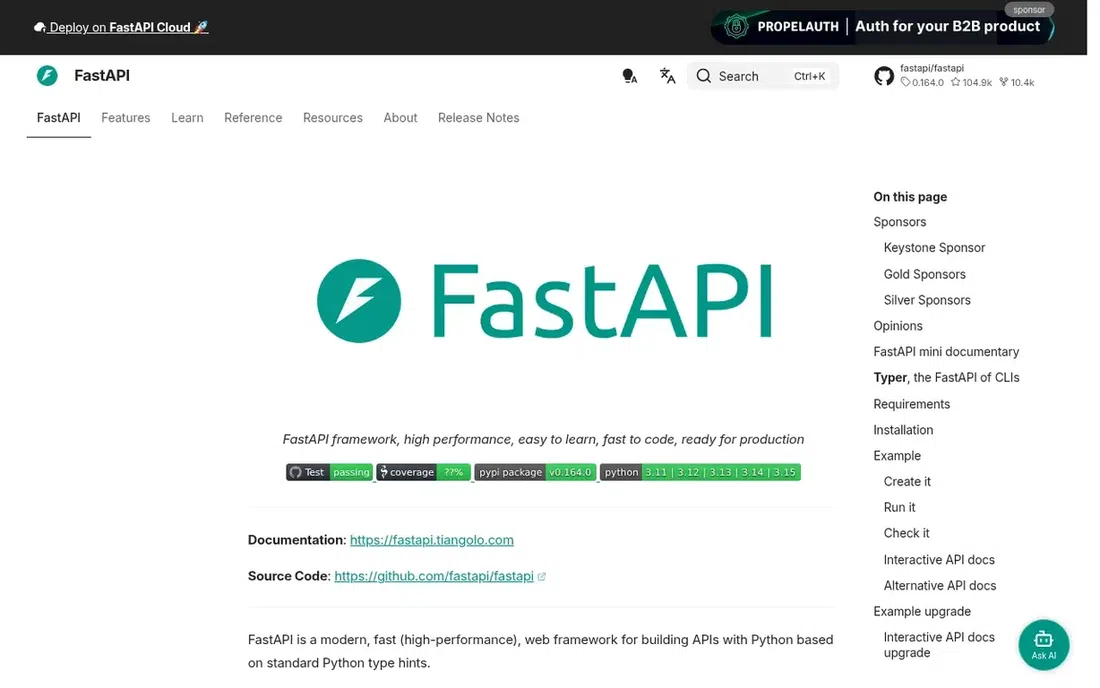
FastAPI serves high-performance API services. Pick Django instead when you want an integrated stack from day one. It centers on typed request and response handling and async support, which fits enterprise teams building API services that other systems consume.
Limits to weigh: Fewer built-in extras.
It ships with fewer built-in extras than Django, so authentication, admin tooling and similar pieces may need separate libraries. In practice, teams unfamiliar with async patterns face a ramp-up time. Pricing for FastAPI is not stated here, so ask the vendor for current figures. As for free access: Not stated.
- Typed request and response handling
- Async-ready performance
- Needs async familiarity
Selection criteria
Selection started from tools commonly considered for python web frameworks for enterprise, then narrowed to 5 that have clear pricing information or a clear quote process. Where a price is missing, the vendor does not list one publicly or ties it to a quote. Always confirm before budgeting. Tools are placed by general fit for python web frameworks for enterprise, with price clarity and free access as tie-breakers. A different team can reasonably rank them differently.
What to confirm before you sign up
- Confirm the entry price with every vendor: no tool from Pyramid to FastAPI shows a fixed starting price.
- Read the limits listed for Pyramid first: less prescriptive guidance.
- Check how data leaves FastAPI: formats, limits and whether exports are available on every plan.
- Check the integration list for Pyramid against the tools you run today, and note which ones need a higher plan.
- Map your must-have features to a specific Falcon plan before you compare prices.
FAQ
Does any tool for python web frameworks for enterprise here have a free plan?
No tool in this list, Pyramid and FastAPI included, has a permanent free plan. Trials and quotes are the usual route, so plan a short evaluation period.
Can I try these tools before paying?
Not by default. None of the tools, from Pyramid to FastAPI, lists a free plan or a free trial here, so ask each vendor for a demo before committing.
When should an enterprise choose FastAPI over Django?
FastAPI suits when the primary deliverable is an API service and the team is comfortable with async code and typed request handling. Some organizations use both for different services.
Is Pyramid the right pick for everyone comparing python web frameworks for enterprise?
No single tool suits every team. Pyramid comes first because it fits growing from small to large apps, while Flask suits small, flexible internal tools and Django suits full-stack enterprise applications. Match the tool to your own size, budget and workflow before deciding.
Do these tools publish their prices?
No. None of the tools, from Pyramid to FastAPI, shows a fixed starting price here, so budget time for quotes.
How should a team evaluate Flask, Pyramid and Falcon?
Flask fits small internal tools, Pyramid targets apps expected to grow, and Falcon centres on minimal API backends. Compare them against your team's willingness to assemble components and enforce its own conventions.
Sources
- https://trypyramid.com
- https://flask.palletsprojects.com
- https://www.djangoproject.com
- https://falconframework.org
- https://fastapi.tiangolo.com