Top 5 Python Frameworks for Web Development for 2026 (Prices and Free Plans)
Need the best python frameworks for web development? We compare 5 tools on cost, free access and who each suits. Each entry gets a plain verdict. No filler.
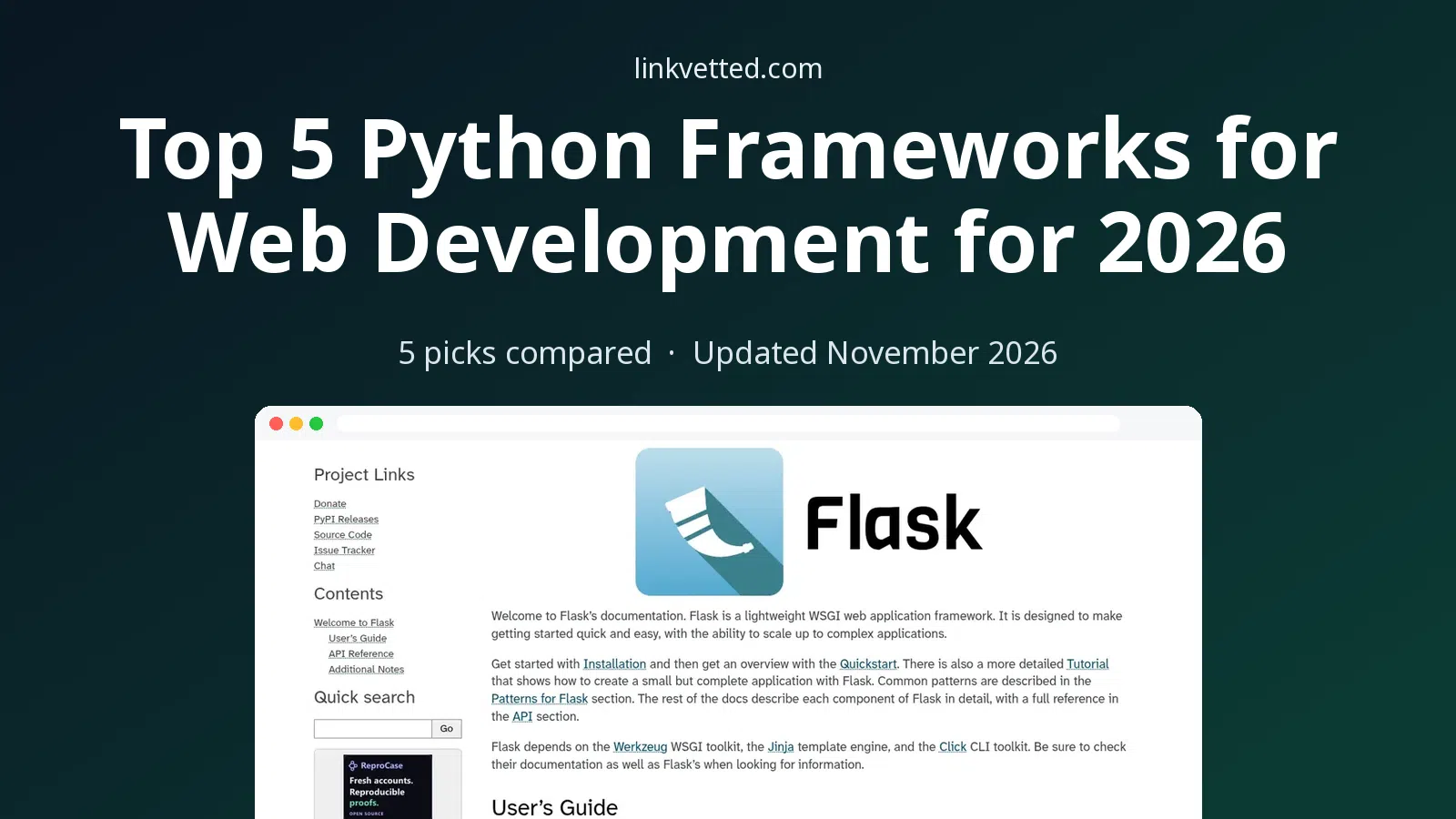
- Editor's choicePyramid
Scaling from small to large applications
Starts atPricing on requestVisit trypyramid.comFull review - Great alternativeFlask
Small to medium projects and prototypes
Starts atPricing on requestVisit flask.palletsprojects.comFull review - Also considerTornado
Live web services and long-lived connections
Starts atPricing on requestVisit tornadoweb.orgFull review
Direct answer
For scaling from small to large applications, Pyramid is where this list starts. Flask fits small to medium projects and prototypes; Tornado fits live web services and long-lived connections. Free plan facts and limits for all 5 tools follow. None of these vendors publish plan prices, so pricing is on request for every option.
TL;DR:
- Number one here is Pyramid, a fit for scaling from small to large applications.
- No starting price is shown for any of the 5 tools, Pyramid and Django included, so plan time for sales calls.
- A permanent free plan is missing from all 5 tools, Pyramid and Django included; plan for a trial or a premium start.
- Check the limits for FastAPI before you commit: younger ecosystem than older frameworks.
- For full-featured web applications, Django is worth a look.
Last checked November 2026. Pricing on request: vendors did not publish plan prices when this guide was last checked (November 2026), so ask each vendor for a written quote.
Quick comparison
| Tool | Best for | Starts at | Free plan? | |
|---|---|---|---|---|
| Pyramid | Scaling from small to large applications | Pricing on request | Not stated | Visit |
| Flask | Small to medium projects and prototypes | Pricing on request | Not stated | Visit |
| Tornado | Live web services and long-lived connections | Pricing on request | Not stated | Visit |
| FastAPI | High-performance APIs and microservices | Pricing on request | Not stated | Visit |
| Django | Full-featured web applications | Pricing on request | Not stated | Visit |
5 options for python frameworks for web development in detail
Choosing python frameworks for web development usually comes down to price, fit and limits. This LinkVetted guide sets 5 tools side by side on those three points, with the facts kept short and checkable.
Pyramid
Best for: Scaling from small to large applications
Pick Pyramid if this describes you: scaling from small to large applications. Pyramid is a light Python web framework geared toward taking small web apps into big web apps. It supplies a flexible configuration system and is a good match for projects that expect to grow in complexity.
Points against: Less community support than Django or Flask.
For everyday use, Pyramid's adaptability can result in more configuration work and a steeper ramp-up time. Its community is smaller compared with Django or Flask, which may affect the availability of external packages. This comparison lists no price for Pyramid; ask the vendor. Free access: Not stated.
- Adaptable and modular
- Well suited to both small and large apps
- Steeper ramp-up time
Flask
Best for: Small to medium projects and prototypes
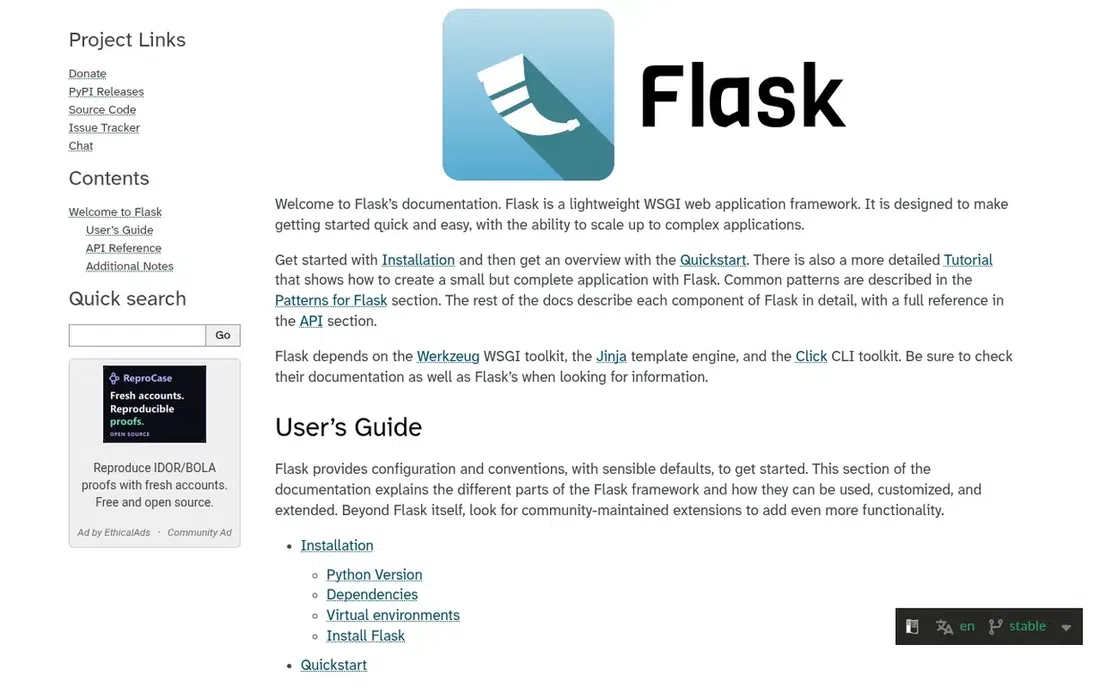
Choose Flask for small to medium projects and prototypes. Flask is a light WSGI web application framework meant to make getting started fast and simple, with the ability to scale up to complicated applications. It is a strong match for small to medium projects, prototypes, and developers who prefer a minimalist approach with the freedom to choose their components.
Worth adding: Flask lacks built-in features like an ORM or admin panel, so you must integrate extensions for bigger applications. This can result in decision fatigue and inconsistent patterns. Check the vendor site for Flask pricing; none is listed in this comparison. Free plan details: Not stated.
Points against: Needs more setup for large apps.
- Simple to pick up
- Minimal and adaptable
- Fewer built-in features than Django
Tornado
Best for: Live web services and long-lived connections
Tornado is a good fit for live web services and long-lived connections. Tornado is a Python web framework and asynchronous networking library that can scale to manage plenty of open connections. It is well-suited for live web services, for example chat applications or live updates, and for applications that need long-lived connections.
Beyond that, Tornado's asynchronous model can be more complicated to work with than synchronous frameworks. It is not the best choice for standard database-driven websites. Tornado does not show a starting price in this comparison, so check the vendor site for current pricing. Free plan details: Not stated.
Drawbacks to consider: Smaller ecosystem.
- Well suited to live features
- Asynchronous networking
- Not a strong match for traditional CRUD apps
FastAPI
Best for: High-performance APIs and microservices
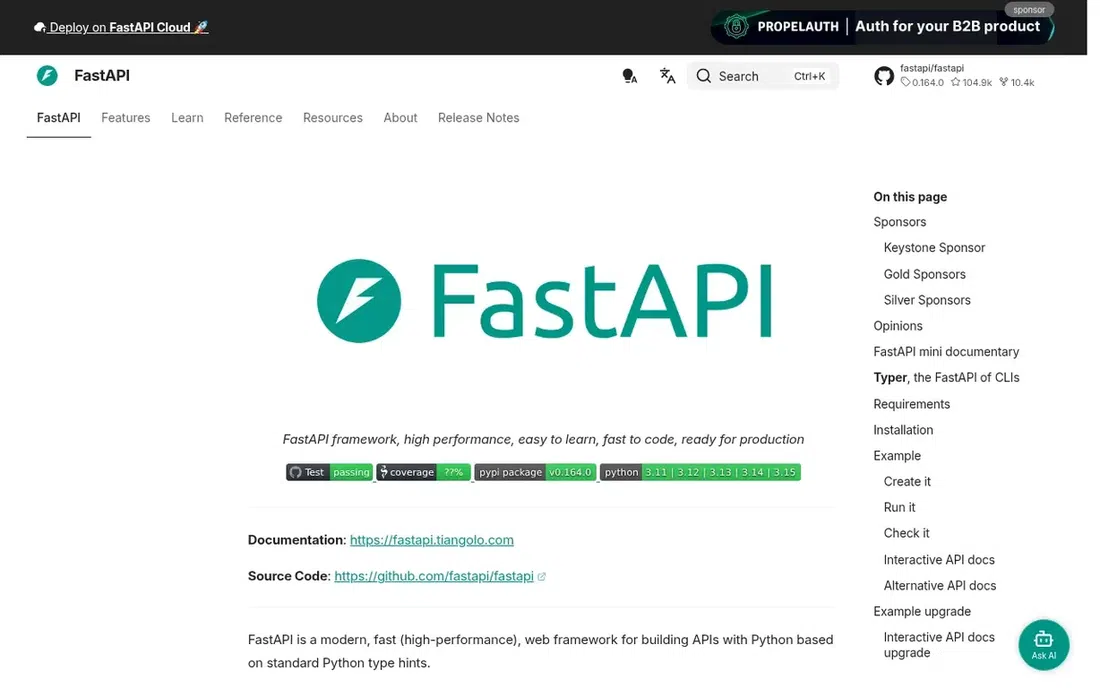
FastAPI serves high-performance APIs and microservices. It is built for production use and gives you automatic interactive documentation.
If you need a full-featured web framework, consider Django or Pyramid. More specifically, FastAPI is primarily concentrated on APIs and lacks built-in features for full-stack web development, like templating or admin interfaces. Pricing for FastAPI is not stated here, so ask the vendor for current figures. On free options: Not stated.
Trade-offs to know: Younger ecosystem than older frameworks.
- High performance
- Quick to learn and code
- Less suited for full-stack web apps
Django
Best for: Full-featured web applications
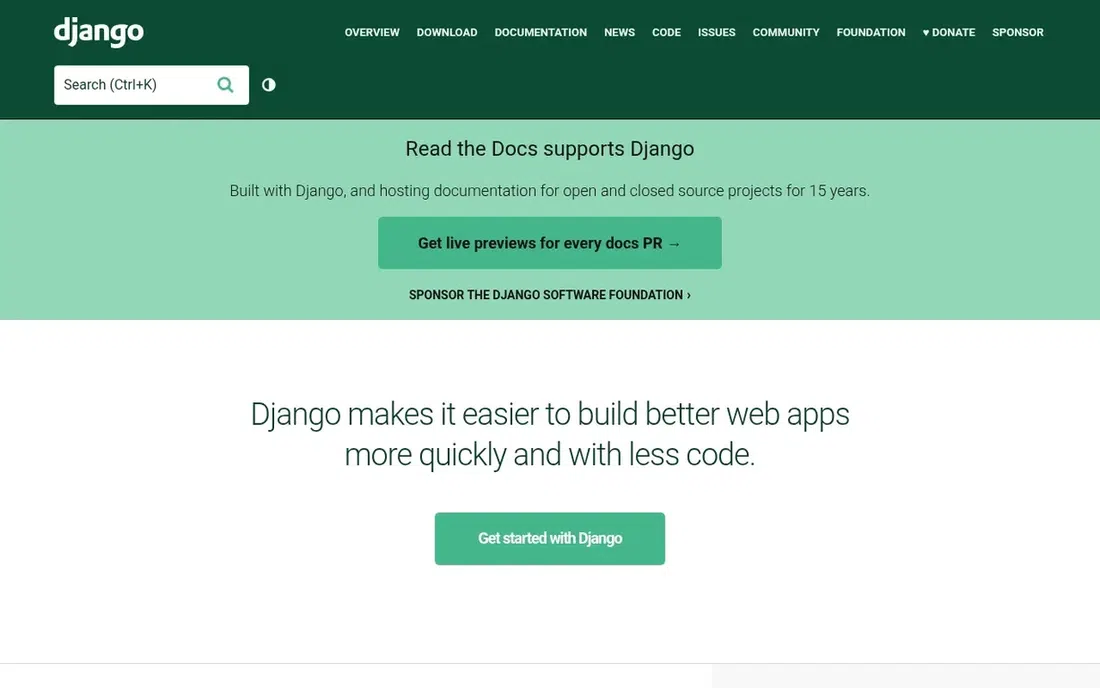
Think of Django for full-featured web applications. Django's monolithic nature can be restrictive for projects that need a lightweight stack or highly customized architecture.
Its ramp-up time is steeper for beginners. If you need minimal overhead or are building a straightforward API, consider Flask or FastAPI instead. Check the vendor site for Django pricing; none is listed in this comparison. As for free access: Not stated.
The main drawbacks: Less adaptable for non-standard requirements.
- Comprehensive built-in features
- Solid community and documentation
- Can be overkill for small projects
Our selection method
Things to verify first
- Ask each vendor, from Pyramid to Django, for a written quote; none of them publishes a starting price.
- Before choosing Pyramid, weigh its main limit: steeper ramp-up time.
- Ask the daily users to test Django on a live task before you roll it out to everyone.
- List the apps you already depend on and check that Flask supports each one on the plan you would buy.
- Look at which plan of Pyramid unlocks the features you need; entry tiers are often cut down.
FAQ
Can I try these tools before paying?
Not by default. None of the tools, from Pyramid to Django, lists a free plan or a free trial here, so ask each vendor for a demo before committing.
How are the tools for python frameworks for web development ordered?
Pyramid sits first and Django last because the order follows typical fit for python frameworks for web development, then price clarity and free access. It is a judgement call, so read each profile for fit and limits.
Do these tools publish their prices?
No. None of the tools, from Pyramid to Django, shows a fixed starting price here, so budget time for quotes.
Is Pyramid the right pick for everyone comparing python frameworks for web development?
No single tool suits every team. Pyramid comes first because it fits scaling from small to large applications, while Flask suits small to medium projects and prototypes and Tornado suits real-time web services and long-lived connections. Match the tool to your own size, budget and workflow before deciding.
Can I use Django for building APIs?
Yes, Django can be used to build APIs, particularly with the Django REST Framework. Even so, FastAPI is specifically built for APIs and supplies high performance and automatic documentation.
Is FastAPI a good match for large projects?
Its performance and automatic documentation make it a good match for high-traffic services, though it may need extra components for full-stack features.
Sources
- https://trypyramid.com
- https://flask.palletsprojects.com
- https://www.tornadoweb.org
- https://fastapi.tiangolo.com
- https://www.djangoproject.com