5 Managed Kubernetes Software Worth Shortlisting in 2026
Best managed Kubernetes software in 2026: 5 contenders with entry costs and free tiers. Strengths and gaps are listed per tool. Budget notes included.
- Editor's choice
 Azure Kubernetes Service
Secure containerized apps on Azure
Starts atPricing on requestVisit azure.microsoft.comFull review - Great alternativeVMware Tanzu Kubernetes Grid
Multi-cluster Kubernetes on any infrastructure
Starts atPricing on requestVisit tanzu.vmware.comFull review - Also consider
 Rancher
Multi-cluster orchestration and operations
Starts atPricing on requestVisit rancher.comFull review
Direct answer
Azure Kubernetes Service is the first pick on this list for secure containerized apps on Azure. Alternatives: VMware Tanzu Kubernetes Grid for multi-cluster Kubernetes on any infrastructure, and Rancher for multi-cluster orchestration and operations. Details and limits for the rest of the 5 tools are below. None of these vendors publish plan prices, so pricing is on request for every option.
TL;DR:
- The list opens with Azure Kubernetes Service, aimed at secure containerized apps on Azure.
- The main caution on Amazon EKS: tied closely to AWS tooling.
- Red Hat OpenShift fits application product around Kubernetes.
- Every tool from Azure Kubernetes Service to Red Hat OpenShift works by quote, with no list price shown.
Last checked November 2026. Pricing on request: vendors did not publish plan prices when this guide was last checked (November 2026), so ask each vendor for a written quote.
Quick comparison
| Tool | Best for | Starts at | Free plan? | |
|---|---|---|---|---|
| Azure Kubernetes Service | Secure containerized apps on Azure | Pricing on request | Not stated | Visit |
| VMware Tanzu Kubernetes Grid | Multi-cluster Kubernetes on any infrastructure | Pricing on request | Not stated | Visit |
| Rancher | Multi-cluster orchestration and operations | Pricing on request | Not stated | Visit |
 Amazon EKS | AWS-native teams running conformant Kubernetes | Pricing on request | Not stated | Visit |
 Red Hat OpenShift | Application product around Kubernetes | Pricing on request | Not stated | Visit |
Managed Kubernetes Software profiles
This LinkVetted guide covers 5 options for managed Kubernetes software. Each profile lists a starting price, free plan details, strengths and drawbacks, so you can drop poor fits quickly.
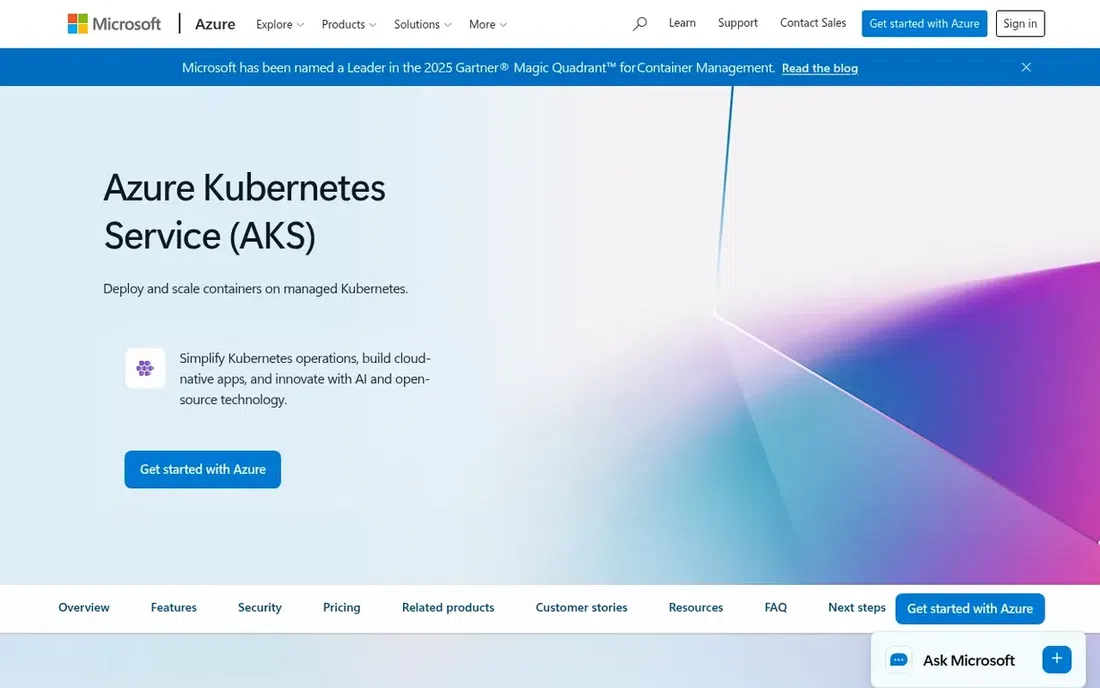
Think of Azure Kubernetes Service for secure containerized apps on Azure. It suits organizations standardized on Azure that want managed cluster lifecycle whereas keeping the Kubernetes API and ecosystem they already know.
Downsides: Cluster tuning still needs Kubernetes skills.
Main advantages: scalable deployment. Worth adding: AKS is most comfortable when your identity, networking and monitoring live in Azure, so multi-cloud teams may need additional glue. Azure Kubernetes Service shows no starting price here, so confirm the cost on the vendor site. Free options: Not stated.
- Quick delivery of containerized apps
- Centred on secure
- Azure-centric integrations
VMware Tanzu Kubernetes Grid
Best for: Multi-cluster Kubernetes on any infrastructure
VMware Tanzu Kubernetes Grid serves multi-cluster Kubernetes on any infrastructure. VMware Tanzu Kubernetes Grid Integrated is described as an enterprise Kubernetes container runtime that makes it simple to install and run multi-cluster Kubernetes environments on any infrastructure.
If you prefer a cloud provider's managed control plane or a vendor-neutral management layer, compare EKS, GKE, AKS or Rancher before committing. More specifically, Tanzu Kubernetes Grid assumes familiarity with VMware tooling and careful installation planning, so it is not the lightest starting point. Check the vendor site for VMware Tanzu Kubernetes Grid pricing; none is listed in this comparison. Free options: Not stated.
Honest limits: VMware ecosystem dependency.
- Integrated container runtime
- Runs on any infrastructure
- Installation planning matters
Rancher makes the most sense for multi-cluster orchestration and operations. Rancher is an open-source multi-cluster orchestration product that lets operations teams deploy, run and secure enterprise Kubernetes.
Upsides: Works across provider environments.
More specifically, if you want a single vendor to own the control plane end to end, a provider service for example EKS, GKE or AKS may cut overhead. Rancher runs clusters but does not remove the have to run and secure the management layer itself, which layers on operational responsibility. Pricing for Rancher is not stated here, so ask the vendor for current figures. On free options: Not stated.
Downsides: Feature depth varies by integration.
- Open-source multi-cluster orchestration
- Deploy
- You run the management layer
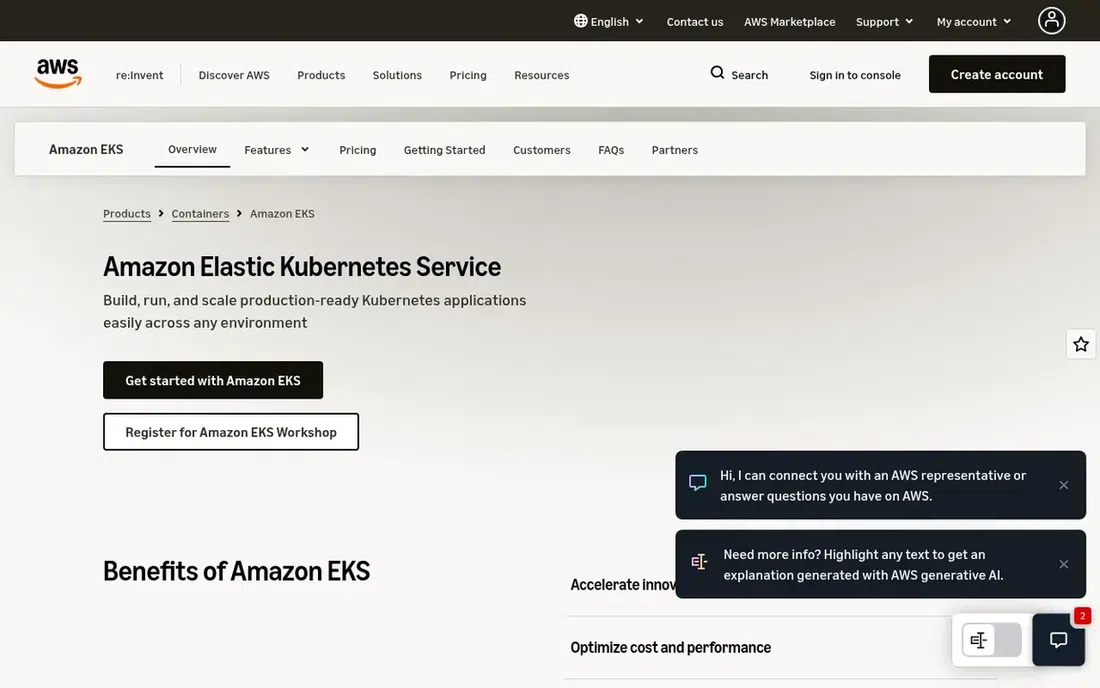
Amazon EKS was built for AWS-native teams running conformant Kubernetes. Amazon Elastic Kubernetes Service is a managed service and certified Kubernetes conformant offering, positioned by AWS to run Kubernetes both on AWS and on-premises.
Check the vendor site for Amazon EKS pricing; none is listed in this comparison. Trial and free access: Not stated.
Honest limits: On-premises setup needs additional planning.
- Certified Kubernetes conformant
- Managed control plane
- Tied closely to AWS tooling
Red Hat OpenShift serves application system around Kubernetes. If you only need managed clusters with minimal product overhead, a cloud provider service like EKS, GKE or AKS may be more straightforward to start with.
On top of that, Red Hat OpenShift is presented as an application innovation product delivering a thorough experience with tools to help organizations modernize, build new applications, accelerate AI adoption and fuel growth. Beyond that, because OpenShift is a full product instead of a thin managed service, teams should expect more components to learn and operate. Check the vendor site for Red Hat OpenShift pricing; none is listed in this comparison. Free options: Not stated.
Downsides: Broader system means more to learn.
- Tools for modernization and new apps
- Thorough application product
- Heavier footprint than a bare managed service
How we built this list
We compared the tools on published pricing, free plan or trial availability, feature coverage for managed Kubernetes software, and the limits each vendor documents. Seat minimums, billing terms and add-ons can move the real cost, so the starting prices here are a guide and not a quote. Tools are placed by general fit for managed Kubernetes software, with price clarity and free access as tie-breakers. A different team can reasonably rank them differently.
Pre-purchase checklist
- Ask each vendor, from Azure Kubernetes Service to Red Hat OpenShift, for a written quote; none of them publishes a starting price.
- Read the limits listed for Azure Kubernetes Service first: Azure-centric integrations.
- Check whether the features you need in Rancher sit on the entry plan or only on higher tiers.
- The entry price of Amazon EKS is only the starting point; model the full cost with seats and extras.
- Ask whether Azure Kubernetes Service integrates with your current software, and whether that comes standard or as an add-on.
FAQ
Is Azure Kubernetes Service the right pick for everyone comparing managed Kubernetes software?
No single tool suits every team. Azure Kubernetes Service comes first because it fits secure containerized apps on Azure, while VMware Tanzu Kubernetes Grid suits multi-cluster Kubernetes on any infrastructure and Rancher suits multi-cluster orchestration and operations. Match the tool to your own size, budget and workflow before deciding.
Does any tool for managed Kubernetes software here have a free plan?
A permanent free plan is not offered by Azure Kubernetes Service, Red Hat OpenShift or the other tools here. Plan a short evaluation period instead.
Do these tools publish their prices?
No. None of the tools, from Azure Kubernetes Service to Red Hat OpenShift, shows a fixed starting price here, so budget time for quotes.
How are the tools for managed Kubernetes software ordered?
Azure Kubernetes Service sits first and Red Hat OpenShift last because the order follows typical fit for managed Kubernetes software, then price clarity and free access. It is a judgement call, so read each profile for fit and limits.
What is managed Kubernetes software?
It is a service or product that runs the Kubernetes control plane and cluster lifecycle for you. So teams focus on workloads instead of control plane operations.
Sources
- https://azure.microsoft.com/en-us/products/kubernetes-service
- https://tanzu.vmware.com/kubernetes-grid
- https://www.rancher.com
- https://aws.amazon.com/eks
- https://www.redhat.com/en/technologies/cloud-computing/openshift