Best FHIR Integration Software in 2026: Prices, Free Plans and 5 Picks
Shortlisting the best FHIR integration software? 5 products compared on cost, free access and ideal buyer. Every pick gets a straight assessment. Details below.
- Editor's choiceRedox
Connect-once data exchange across endpoints
Starts atPricing on requestVisit redoxengine.comFull review - Great alternativeMicrosoft Azure Health Data Services
Cloud PHI workloads on Azure
Starts atPricing on requestVisit azure.microsoft.comFull review - Also considerSmile CDR
FHIR-native data unification and interoperability
Starts atPricing on requestVisit smilecdr.comFull review
Direct answer
Redox is the first pick on this list for connect-once data exchange across endpoints. Look at Microsoft Azure Health Data Services for Cloud PHI workloads on Azure, and at Smile CDR for FHIR-native data unification and interoperability. The full list of 5 tools follows, with free plan facts. None of these vendors publish plan prices, so pricing is on request for every option.
TL;DR:
- Redox sits first on this list: connect-once data exchange across endpoints.
- Every tool from Redox to AWS HealthLake works by quote, with no list price shown.
- Before buying Smile CDR, weigh this: needs FHIR expertise to operate well.
- AWS HealthLake suits FHIR storage and analysis on AWS.
Last checked November 2026. Pricing on request: vendors did not publish plan prices when this guide was last checked (November 2026), so ask each vendor for a written quote.
Quick comparison
| Tool | Best for | Starts at | Free plan? | |
|---|---|---|---|---|
| Redox | Connect-once data exchange across endpoints | Pricing on request | No | Visit |
| Microsoft Azure Health Data Services | Cloud PHI workloads on Azure | Pricing on request | Free trial | Visit |
| Smile CDR | FHIR-native data unification and interoperability | Pricing on request | Not stated | Visit |
| InterSystems HealthShare | Enterprise clinical interoperability across sources | Pricing on request | Not stated | Visit |
| AWS HealthLake | FHIR storage and analysis on AWS | Pricing on request | Yes | Visit |
Tool-by-tool breakdown
If you are comparing FHIR integration software, this page covers 5 tools in one place: what each is best for, what it costs to start, whether it has a free plan, and the main limit to know about.
Redox
Best for: Connect-once data exchange across endpoints
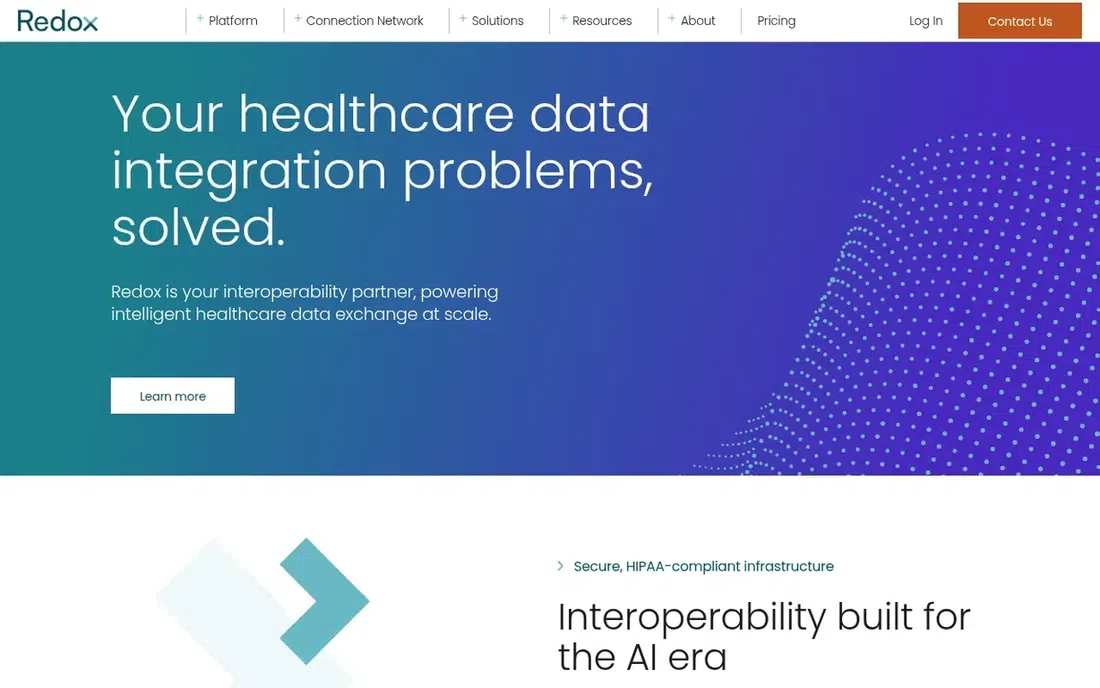
Redox was built for connect-once data exchange across endpoints. Since Redox works as an exchange layer, teams that want direct control over a FHIR repository may need extra infrastructure.
Beyond that, evaluate whether its supported connections match your partners. Pricing for Redox is not stated here, so ask the vendor for current figures. There is no free plan with Redox.
Limits to weigh: Fit relies on endpoint coverage needs.
- Cuts point-to-point connection work
- Concentrated on healthcare data integration
- Abstraction layer may limit low-level control
Microsoft Azure Health Data Services
Best for: Cloud PHI workloads on Azure
Microsoft Azure Health Data Services is a good fit for Cloud PHI workloads on Azure. The suite is most compelling for Azure-based teams; other cloud environments may need extra integration effort.
More specifically, configuration and compliance responsibilities still need internal ownership. Azure Health Data Services is described as a suite of purpose-built technologies for protected health information in the cloud. Microsoft Azure Health Data Services does not show a starting price in this comparison, so check the vendor site for current pricing. Free plan details: Free trial.
What to check first: Needs Azure product familiarity.
- Purpose-built for protected health information
- Suits Azure-centric architectures
- Best value within the Azure ecosystem
Smile CDR
Best for: FHIR-native data unification and interoperability
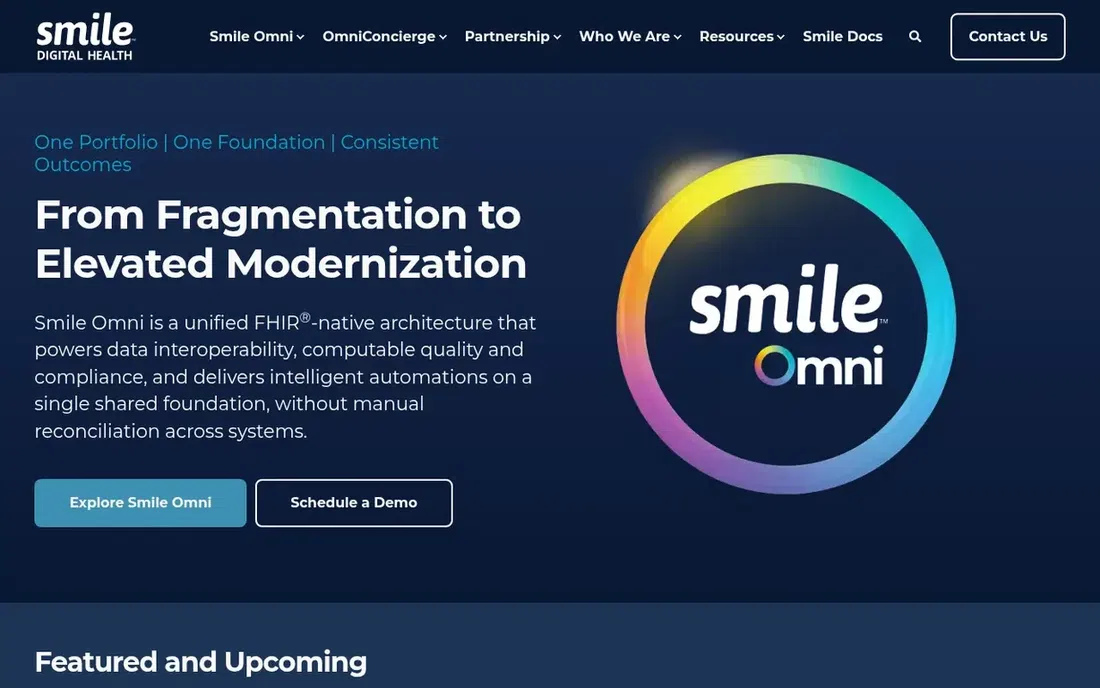
For FHIR-native data unification and interoperability, Smile CDR is a natural candidate. Smile CDR is presented as a FHIR health data system from Smile Digital Health, built to unify fragmented healthcare data and power interoperability, digital quality measures, and clinical intelligence.
Downsides: Less suited to teams wanting a completely managed cloud service.
Worth adding: confirm hosting and support details with the vendor. A FHIR-native product rewards teams with FHIR knowledge and may demand more operational ownership than a managed cloud API. Pricing for Smile CDR is not stated here, so ask the vendor for current figures. On free options: Not stated.
- Aims to unify fragmented health data
- Supports interoperability and clinical intelligence
- Needs FHIR expertise to operate well
InterSystems HealthShare
Best for: Enterprise clinical interoperability across sources
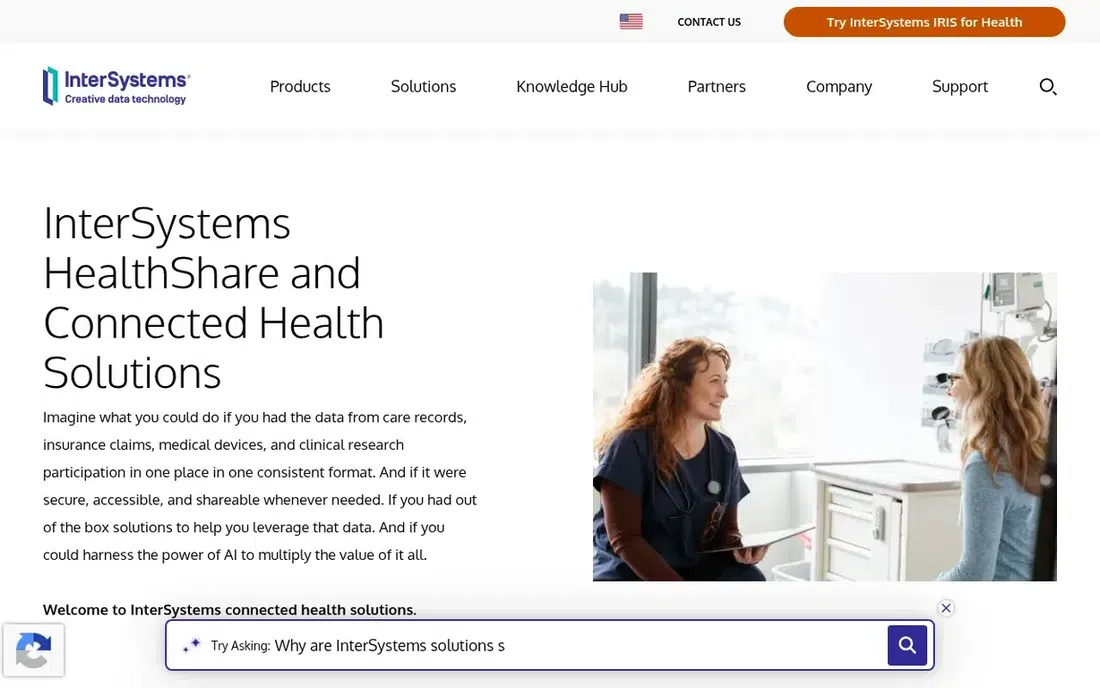
InterSystems HealthShare was built for enterprise clinical interoperability across sources. Teams needing a single managed FHIR store may find it broader than required.
More specifically, smaller teams or those wanting only a managed FHIR repository may prefer a more straightforward cloud service or a FHIR-native product. No starting price is listed for InterSystems HealthShare here; confirm pricing on the vendor site. Free plan details: Not stated.
Honest limits: Enterprise-oriented complexity.
- Wide interoperability product scope
- Links and shares data from numerous sources
- May exceed needs of small teams
AWS HealthLake
Best for: FHIR storage and analysis on AWS
AWS HealthLake is built with FHIR storage and analysis on AWS in mind. Like other cloud services, it is most natural inside its own ecosystem, and teams need AWS skills to operate it well.
Honest limits: Best fit within AWS ecosystem.
Worth adding: AWS HealthLake is described as a way to securely store, transform, transact, and analyze health data in minutes, with support for FHIR storage and interoperable health data standards. Also, confirm regional availability and supported standards with the vendor. AWS HealthLake does not show a starting price in this comparison, so check the vendor site for current pricing. AWS HealthLake includes a free tier.
- Analyze health data
- Suits AWS-centric environments
- Needs AWS data engineering skills
How the list was put together
We compared the tools on published pricing, free plan or trial availability, feature coverage for FHIR integration software, and the limits each vendor documents. Where a price is missing, the vendor does not list one publicly or ties it to a quote. Always confirm before budgeting. The ranking is editorial: typical fit first, then clear pricing, then free access. If your needs are unusual, read the profiles rather than relying on position.
What to check before you buy
- Request quotes from Redox, AWS HealthLake and the others; the list shows no fixed prices.
- Look at the free plan from AWS HealthLake closely: its caps decide whether it is usable for real work.
- Use real work to test the free trial from Microsoft Azure Health Data Services, rather than a demo project.
- Before choosing Redox, weigh its main limit: abstraction layer may limit low-level control.
- Before you load data into Redox, check what an export looks like and who can run it.
- Check the integration list for Smile CDR against the tools you run today, and note which ones need a higher plan.
FAQ
What should I look for in FHIR integration software?
Focus on supported FHIR versions and profiles, the standards you must exchange for example HL7v2 and DICOM, and whether you want a managed service or self-managed system.
How are the tools for FHIR integration software ordered?
Redox sits first and AWS HealthLake last because the order follows typical fit for FHIR integration software, then price clarity and free access. It is a judgement call, so read each profile for fit and limits.
Do these tools publish their prices?
No. None of the tools, from Redox to AWS HealthLake, shows a fixed starting price here, so budget time for quotes.
Which options for FHIR integration software have a free plan?
AWS HealthLake is the only tool in this list with a free plan. Free plans usually cap users, projects or features, so check the limits on the vendor page. One other tool offers a trial instead. Each of the 5 options in this FHIR integration software guide has its own card above with the price, free plan and limits.
Is Redox the right pick for everyone comparing FHIR integration software?
No single tool suits every team. Redox comes first because it fits connect-once data exchange across endpoints, while Microsoft Azure Health Data Services suits Cloud PHI workloads on Azure and Smile CDR suits FHIR-native data unification and interoperability. Match the tool to your own size, budget and workflow before deciding.
Sources
- https://redoxengine.com
- https://azure.microsoft.com/en-us/products/health-data-services
- https://smilecdr.com
- https://www.intersystems.com/products/healthshare
- https://aws.amazon.com/healthlake