6 Best Containerization Software for Enterprise for 2026, Vetted and Compared
6 tools for the best containerization software for enterprise, compared on pricing, free plans and best-fit use. The catches are listed up front. Details below.
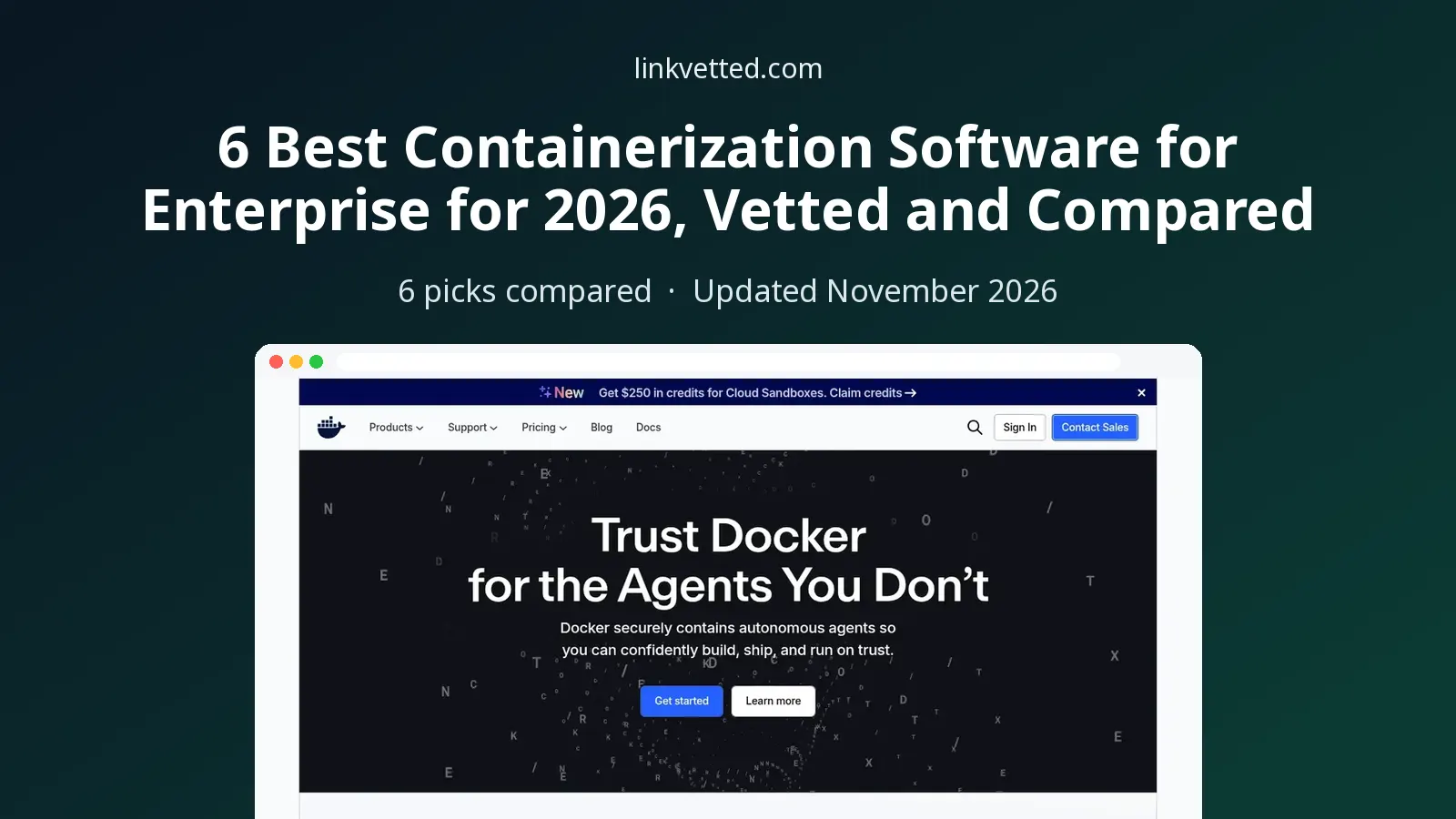
- Editor's choiceDocker Enterprise
Secure container sandboxes and governance
Starts at$9 per user per monthVisit docker.comFull review - Great alternativeKubernetes (Google Kubernetes Engine)
Completely managed Kubernetes service
Starts atSee websiteVisit cloud.google.comFull review - Also considerAmazon Elastic Kubernetes Service
Managed Kubernetes on AWS and on-premises
Starts atSee websiteVisit aws.amazon.comFull review
Direct answer
This list puts Docker Enterprise first for secure container sandboxes and governance. Listed starting prices: Docker Enterprise from $9 per user per month. Kubernetes (Google Kubernetes Engine) is the stronger choice for completely managed Kubernetes service, while Amazon Elastic Kubernetes Service suits managed Kubernetes on AWS and on-premises. Details, prices and limits for the rest of the 6 tools are below.
TL;DR:
- This list starts with Docker Enterprise, which is built for secure container sandboxes and governance.
- Docker Enterprise stands alone as the one tool in this list with a free plan.
- Mirantis Kubernetes Engine is the one to check for straightforward management of AI workload clusters.
- The cheapest monthly starting price in the list is $9 per user per month, offered by Docker Enterprise.
Last checked November 2026. Prices and plan details were read from the vendors' own pages in November 2026; vendors change plans often, so confirm the current price on the vendor site before you buy.
Quick comparison
| Tool | Best for | Starts at | Free plan? | |
|---|---|---|---|---|
| Docker Enterprise | Secure container sandboxes and governance | $9 per user per month | Yes | Visit |
| Kubernetes (Google Kubernetes Engine) | Completely managed Kubernetes service | See website | Not stated | Visit |
| Amazon Elastic Kubernetes Service | Managed Kubernetes on AWS and on-premises | See website | Not stated | Visit |
 Red Hat OpenShift | Full application innovation product | See website | Not stated | Visit |
| Microsoft Azure Kubernetes Service | Secure, scalable containerized app deployment | See website | Not stated | Visit |
 Mirantis Kubernetes Engine | Straightforward management of AI workload clusters | See website | Not stated | Visit |
Tool-by-tool breakdown
This LinkVetted guide covers 6 options for containerization software for enterprise. Each profile lists a starting price, free plan details, strengths and drawbacks, so you can drop poor fits quickly.
Docker Enterprise
Best for: Secure container sandboxes and governance
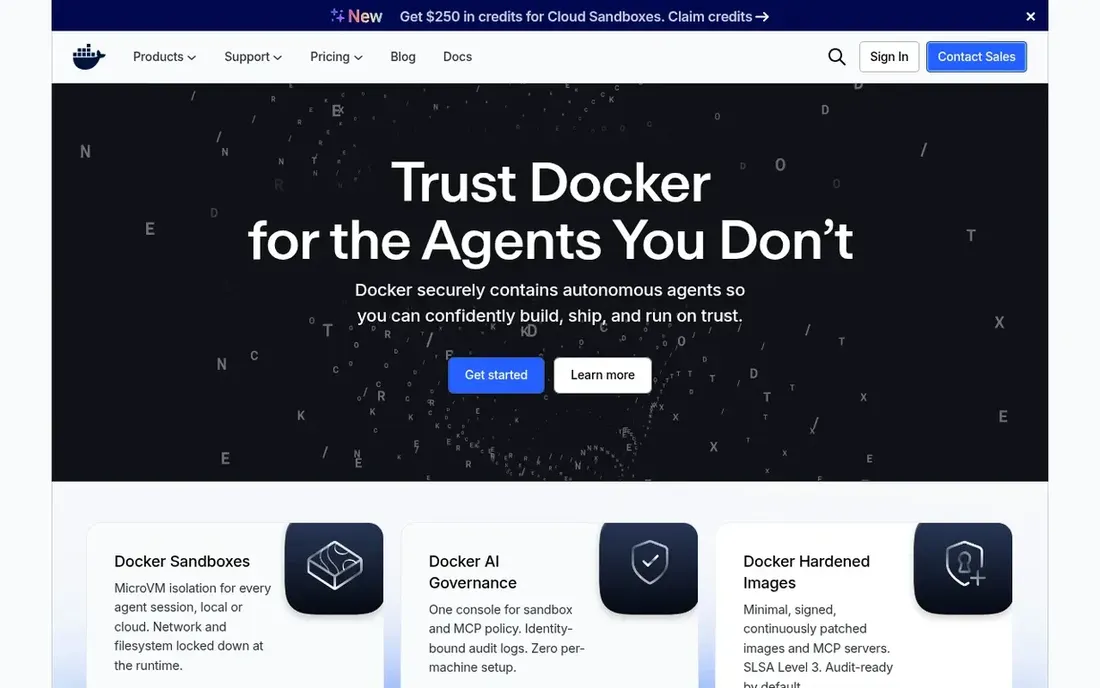
Docker Enterprise was built for secure container sandboxes and governance. Whereas Docker Enterprise excels at container security, it may lack the full orchestration features of dedicated Kubernetes products. Docker Enterprise concentrates on offering secure sandboxes for AI agents and containers, along with governance and a secure supply chain for modern software.
It is well suited to teams that prioritize security and isolation for containerized workloads, notably those involving AI. From a buyer's view, for large-scale orchestration, consider GKE or EKS. The starting price for Docker Enterprise: $9 per user per month. Docker Enterprise includes a free tier.
Honest limits: May need extra tools for scaling.
- Governance features
- Trusted sandboxes for AI agents
- Restricted orchestration capabilities
Kubernetes (Google Kubernetes Engine)
Best for: Completely managed Kubernetes service
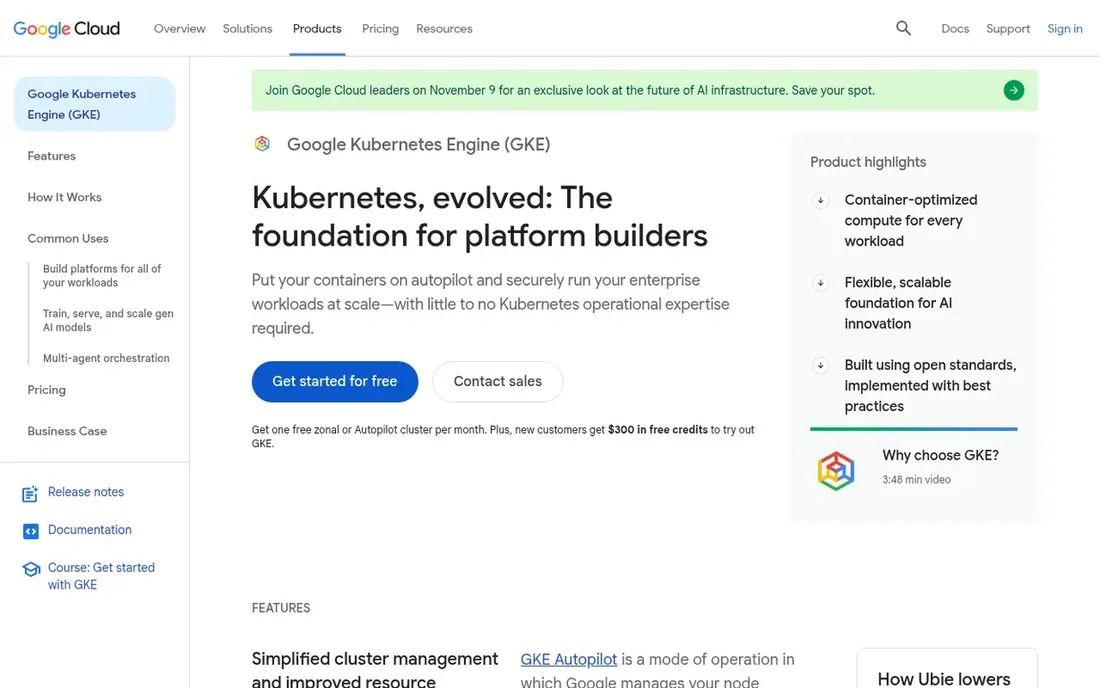
Kubernetes (Google Kubernetes Engine) works best for completely managed Kubernetes service. Google Kubernetes Engine (GKE) is a completely managed Kubernetes service with a full Kubernetes API, 4-way autoscaling, release channels, and multi-cluster support.
It is a very good choice for enterprises that want to offload the operational burden of Kubernetes whereas maintaining adaptability and scalability. Kubernetes (Google Kubernetes Engine) shows no starting price here, so confirm the cost on the vendor site. As for free access: Not stated.
Points against: Vendor lock-in concerns.
- Completely managed
- Release channels
- Complicated pricing
Amazon Elastic Kubernetes Service
Best for: Managed Kubernetes on AWS and on-premises
Amazon Elastic Kubernetes Service serves managed Kubernetes on AWS and on-premises. EKS is deeply tied to AWS, which may not suit multi-cloud strategies.
More specifically, Amazon Elastic Kubernetes Service (EKS) is a managed service and certified Kubernetes conformant to run Kubernetes on AWS and on-premises. Amazon Elastic Kubernetes Service shows no starting price here, so confirm the cost on the vendor site. Free options: Not stated.
Drawbacks to consider: AWS-centric ecosystem.
- Integrated with AWS services
- Certified Kubernetes conformant
- Extra costs for certain features
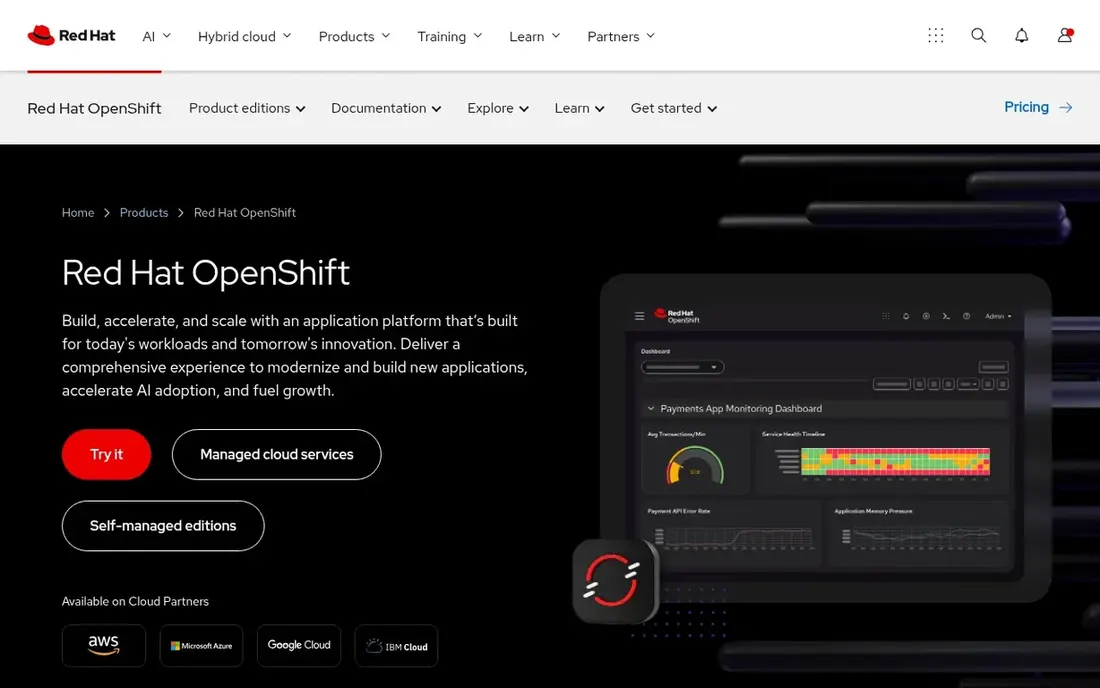
Red Hat OpenShift targets thorough application innovation system. Red Hat OpenShift is an application innovation product that supplies a full experience with tools to enable organizations to modernize and build new applications, accelerate AI adoption, and fuel growth.
What to check first: Complicated setup.
That said, OpenShift can be complicated to set up and operate, commonly requiring dedicated expertise. Pricing for Red Hat OpenShift is not stated here, so ask the vendor for current figures. Free plan details: Not stated.
- Enterprise-grade security
- Supports AI adoption
- Needs specialized skills
Microsoft Azure Kubernetes Service
Best for: Secure, scalable containerized app deployment
Pick Microsoft Azure Kubernetes Service if this describes you: secure, scalable containerized app deployment. It is a capable choice for organizations using Microsoft Azure that require a managed Kubernetes service with integrated security and scalability.
The main drawbacks: Ramp-up time for new users.
Microsoft Azure Kubernetes Service does not show a starting price in this comparison, so check the vendor site for current pricing. On free options: Not stated.
- Managed Kubernetes clusters
- Quick delivery
- Azure-specific
Mirantis Kubernetes Engine
Best for: Straightforward management of AI workload clusters
Mirantis Kubernetes Engine is designed for straightforward management of AI workload clusters. Mirantis Kubernetes Engine offers a straightforward and frictionless way to run AI workload clusters across clouds, on-premises, hybrid, and edge environments. It is made for enterprises that require to deploy and manage Kubernetes and AI workloads consistently across diverse infrastructures.
Worth adding: Whereas Mirantis Kubernetes Engine provides simplicity and adaptability, it may not have the same breadth of ecosystem as bigger cloud providers. Organizations deeply integrated with a specific cloud might prefer that cloud's managed Kubernetes service. Check the vendor site for Mirantis Kubernetes Engine pricing; none is listed in this comparison. On free options: Not stated.
Honest limits: Less brand recognition.
- Supports AI workloads
- Runs across clouds, on-prem, hybrid, edge
- May lack some advanced features
How we chose
Things to verify first
- Ask Kubernetes (Google Kubernetes Engine), Amazon Elastic Kubernetes Service, Red Hat OpenShift and others for a written quote, since no starting price is shown.
- Look at the free plan from Docker Enterprise closely: its caps decide whether it is usable for real work.
- Read the limits listed for Docker Enterprise first: restricted orchestration capabilities.
- Compare total cost, not headline price: for Amazon Elastic Kubernetes Service, add extra seats, add-ons and any usage-based charges.
- Ask Microsoft Azure Kubernetes Service how an export works before you move any records in; an easy exit lowers the risk.
FAQ
What is the cheapest option for containerization software for enterprise in this list?
On published monthly entry prices, Docker Enterprise is the lowest here at $9 per user per month. Entry price is only part of the cost, because seats, add-ons and billing terms can change the total. Each of the 6 options in this Containerization software for enterprise guide has its own card above with the price, free plan and limits.
Is Docker Enterprise the right pick for everyone comparing containerization software for enterprise?
No single tool suits every team. Docker Enterprise comes first because it fits secure container sandboxes and governance, while Kubernetes (Google Kubernetes Engine) suits fully managed Kubernetes service and Amazon Elastic Kubernetes Service suits managed Kubernetes on AWS and on-premises. Match the tool to your own size, budget and workflow before deciding.
How does Docker Enterprise differ from Kubernetes-based products?
Docker Enterprise centres on secure container sandboxes and governance, whereas Kubernetes systems like GKE and EKS supply orchestration at scale. Docker Enterprise fits teams prioritizing container security and isolation.
Which options for containerization software for enterprise have a free plan?
Docker Enterprise is the only tool in this list with a free plan. Free plans usually cap users, projects or features, so check the limits on the vendor page.
Do these tools publish their prices?
Not all of them. Kubernetes (Google Kubernetes Engine), Amazon Elastic Kubernetes Service, Red Hat OpenShift and others publish no starting price, so expect a quote request for those. The rest, Docker Enterprise included, show a starting price, though seats and billing terms still change the final cost.
Sources
- https://www.docker.com
- https://cloud.google.com/kubernetes-engine
- https://aws.amazon.com/eks
- https://www.redhat.com/en/technologies/cloud-computing/openshift
- https://azure.microsoft.com/en-us/products/kubernetes-service
- https://www.mirantis.com