Top 5 Containerization Software for Small Business for 2026 (Prices and Free Plans)
Best containerization software for small business in 2026: 5 tools with starting prices, free plans and limits. Verdicts stay brief and factual. No hype.
- Editor's choice
 Podman
Open source daemonless container workflows
Starts atPricing on requestVisit podman.ioFull review - Great alternativeSUSE Rancher
Enterprise Kubernetes management with SUSE backing
Starts atPricing on requestVisit suse.comFull review - Also consider
 Red Hat OpenShift
Modernizing and building applications on one system
Starts atPricing on requestVisit redhat.comFull review
Direct answer
Our first pick is Podman, best for open source daemonless container workflows. SUSE Rancher is the stronger choice for enterprise Kubernetes management with SUSE backing, while Red Hat OpenShift suits Modernizing and building applications on one product. Free plan facts and limits for all 5 tools follow. None of these vendors publish plan prices, so pricing is on request for every option.
TL;DR:
- This list starts with Podman, which is built for open source daemonless container workflows.
- Neither Podman nor Mirantis Kubernetes Engine, nor any of the other 3 tools, has a permanent free plan; trials and quotes are the norm.
- Pricing across the list, from Podman to Mirantis Kubernetes Engine, is by quote only.
- For managed enterprise container orchestration, Mirantis Kubernetes Engine is worth a look.
Last checked November 2026. Pricing on request: vendors did not publish plan prices when this guide was last checked (November 2026), so ask each vendor for a written quote.
Quick comparison
| Tool | Best for | Starts at | Free plan? | |
|---|---|---|---|---|
| Podman | Open source daemonless container workflows | Pricing on request | Not stated | Visit |
| SUSE Rancher | Enterprise Kubernetes management with SUSE backing | Pricing on request | Not stated | Visit |
| Red Hat OpenShift | Modernizing and building applications on one system | Pricing on request | Not stated | Visit |
| Docker Desktop | Developer-friendly local container workflows | Pricing on request | Not stated | Visit |
 Mirantis Kubernetes Engine | Managed enterprise container orchestration | Pricing on request | Not stated | Visit |
Our 5 picks for containerization software for small business
This LinkVetted guide covers 5 options for containerization software for small business. Each profile lists a starting price, free plan details, strengths and drawbacks, so you can drop poor fits quickly.
For open source daemonless container workflows, Podman is a natural candidate. Podman provides less of a guided desktop experience than Docker Desktop, and some surrounding tooling is less mature.
The main drawbacks: Less refined desktop experience.
It is widely known for working without a long-running daemon, which appeals to teams that prefer a more straightforward security posture and a command-line driven workflow. In practice, teams that want a collaborative graphical workflow may prefer Docker Desktop. This comparison lists no price for Podman; ask the vendor. Free access: Not stated.
- Runs containers without a central daemon
- Open source container engine
- Smaller ecosystem of surrounding tooling
SUSE Rancher
Best for: Enterprise Kubernetes management with SUSE backing
SUSE Rancher is aimed squarely at enterprise Kubernetes management with SUSE backing.
Main advantages: Rancher product under SUSE.
Pricing for SUSE Rancher is not stated here, so ask the vendor for current figures. Trial and free access: Not stated.
Where it falls short: Enterprise framing fits bigger operations.
- Enterprise Kubernetes management focus
- Suits teams already standardizing on Rancher
- Overlaps with the open source Rancher project
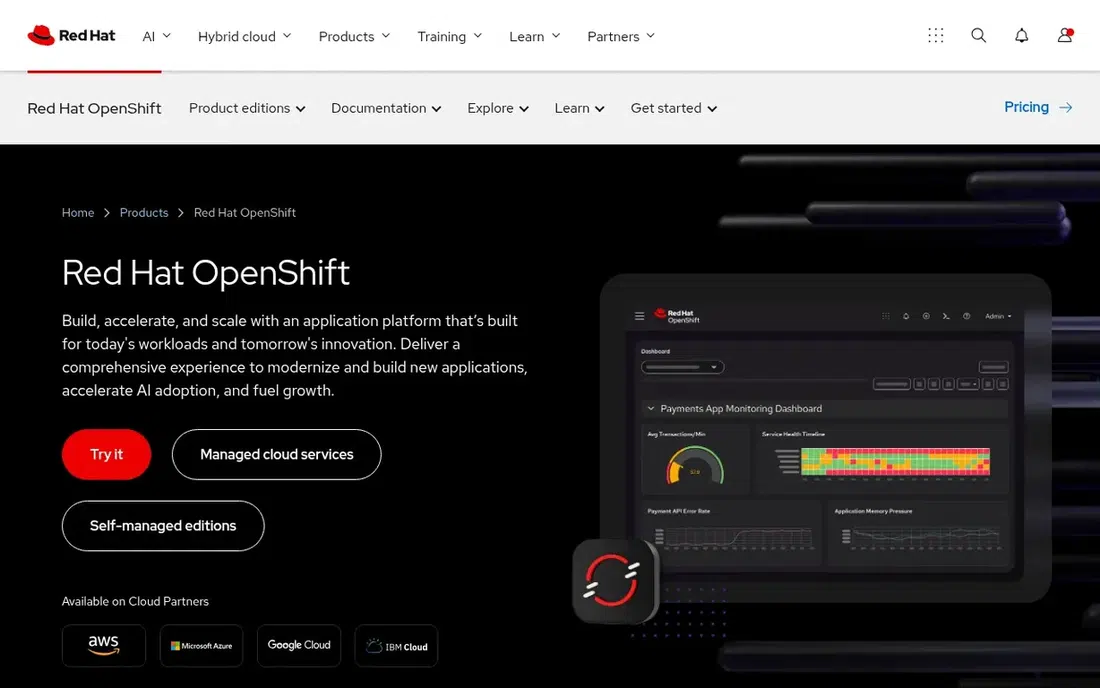
Red Hat OpenShift makes the most sense for Modernizing and building applications on one system. Red Hat OpenShift is described as an application innovation platform that hands organizations a full experience with tools to modernize, build new applications, accelerate AI adoption and fuel growth.
For small companies with ambitions beyond entry-level containers, it supplies an integrated path from existing applications to cloud-native ones, with enterprise backing behind the product. Red Hat OpenShift shows no starting price here, so confirm the cost on the vendor site. Free plan details: Not stated.
Where it falls short: Wide system that can feel heavy for tiny teams.
- Tools for modernization and AI adoption
- Backed by Red Hat enterprise support
- Needs Kubernetes familiarity
Docker Desktop
Best for: Developer-friendly local container workflows
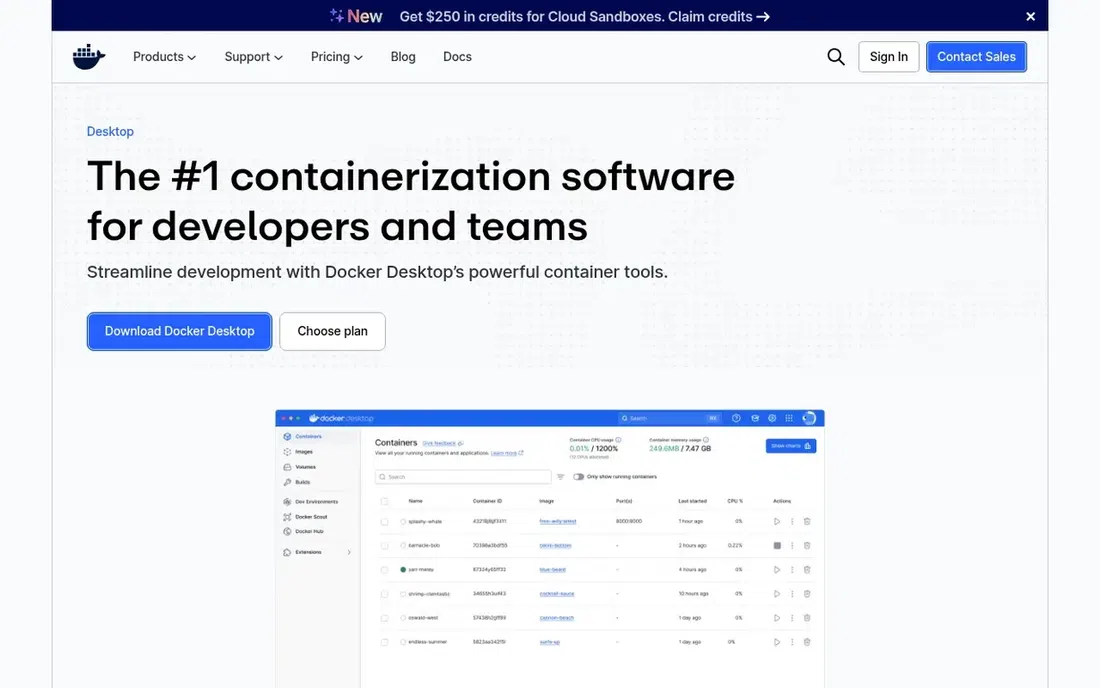
Docker Desktop targets developer-friendly local container workflows. Docker Desktop is collaborative containerization software targeted at developers, with downloads for Mac, Windows and Linux.
Reasons to shortlist it: Windows and Linux.
What to check first: Desktop focus instead of cluster management. It packages the container runtime and tooling into a desktop application, so small teams can build, share and run containers locally without standing up servers first. Also, choose Docker Desktop when local development speed matters most. Docker Desktop does not show a starting price in this comparison, so check the vendor site for current pricing. As for free access: Not stated.
- Straightforward download and setup
- Runs on Mac
- Restricted fit for large multi-cluster operations
Think of Mirantis Kubernetes Engine for managed enterprise container orchestration. The product targets organizations that require a dependable container environment without building every layer themselves.
Watch-outs: Enterprise orientation may exceed small needs.
Its enterprise orientation can be more than a very small team needs, and managed arrangements need careful planning. On top of that, companies focused purely on developer laptops should start with Docker Desktop or Podman. Check the vendor site for Mirantis Kubernetes Engine pricing; none is listed in this comparison. On free options: Not stated.
- Supports Kubernetes and Docker
- Private and managed orchestration choices
- Needs planning around managed services
How we chose
The comparison looks at four things: starting price, free access, how well the feature set matches containerization software for small business, and the main limit of each tool. Plan names, prices and limits change often. Treat the figures here as a starting point and verify them with the vendor. The ranking is editorial: typical fit first, then clear pricing, then free access. If your needs are unusual, read the profiles rather than relying on position.
A buyer's checklist
- Ask each vendor, from Podman to Mirantis Kubernetes Engine, for a written quote; none of them publishes a starting price.
- Read the limits listed for Podman first: less refined desktop experience.
- Confirm the exact Docker Desktop plan that includes your must-have features.
- Add up seats, add-ons and usage charges for SUSE Rancher before comparing it with cheaper entries.
- Ask Podman which support channels and response times come with the plan you would buy.
FAQ
How are the tools for containerization software for small business ordered?
Podman sits first and Mirantis Kubernetes Engine last because the order follows typical fit for containerization software for small business, then price clarity and free access. It is a judgement call, so read each profile for fit and limits.
Can I try these tools before paying?
Not by default. None of the tools, from Podman to Mirantis Kubernetes Engine, lists a free plan or a free trial here, so ask each vendor for a demo before committing.
Does any tool for containerization software for small business here have a free plan?
No tool in this list, Podman and Mirantis Kubernetes Engine included, has a permanent free plan. Trials and quotes are the usual route, so plan a short evaluation period.
Is Podman the right pick for everyone comparing containerization software for small business?
No single tool suits every team. Podman comes first because it fits open source daemonless container workflows, while SUSE Rancher suits enterprise Kubernetes management with SUSE backing and Red Hat OpenShift suits Modernizing and building applications on one platform. Match the tool to your own size, budget and workflow before deciding.
Sources
- https://podman.io
- https://www.suse.com/products/rancher
- https://www.redhat.com/en/technologies/cloud-computing/openshift
- https://www.docker.com/products/docker-desktop
- https://www.mirantis.com/software/mirantis-kubernetes-engine