Best Augmented Reality SDK Software for Startups (2026): 6 Picks Checked on Vendor Pages
Best augmented reality SDK software for startups: 6 tools compared on price, free plans and fit. The weak spots sit next to the strengths. Numbers first.
- Editor's choiceARKit
Native iOS and iPadOS AR apps
Starts atSee websiteVisit developer.apple.comFull review - Great alternativeWikitude
Cross-platform AR SDK development
Starts atSee websiteVisit wikitude.comFull review - Also consider
 8th Wall
Web-based AR without native apps
Starts atSee websiteVisit 8thwall.comFull review
Direct answer
Start with ARKit if you need native iOS and iPadOS AR apps. Listed starting prices: Unity AR Foundation from $210.00 per month. Wikitude is better for cross-platform AR SDK development, and 8th Wall is better for web-based AR without native apps. The remaining 3 options are covered below with prices and limits.
TL;DR:
- Top of the list is ARKit, which targets native iOS and iPadOS AR apps.
- 8th Wall comes with a trade-off: performance tied to browser.
- For enterprise AR with image and object recognition, Vuforia Engine is worth a look.
- None of the 6 tools, from ARKit to Vuforia Engine, has a free plan, so budget for a subscription or use a trial.
- The cheapest monthly starting price in the list is $210.00 per month, offered by Unity AR Foundation.
Last checked November 2026. Prices and plan details were read from the vendors' own pages in November 2026; vendors change plans often, so confirm the current price on the vendor site before you buy.
Quick comparison
| Tool | Best for | Starts at | Free plan? | |
|---|---|---|---|---|
| ARKit | Native iOS and iPadOS AR apps | See website | Not stated | Visit |
| Wikitude | Cross-platform AR SDK development | See website | Not stated | Visit |
| 8th Wall | Web-based AR without native apps | See website | Not stated | Visit |
| ARCore | Native Android AR experiences | See website | Not stated | Visit |
| Unity AR Foundation | Cross-platform AR development with Unity | $210.00 per month | Free trial | Visit |
 Vuforia Engine | Enterprise AR with image and object recognition | See website | Not stated | Visit |
The full augmented reality SDK software for startups list
Short on time? The summary and table above give the quick view of 6 augmented reality SDK software for startups, and the profiles that follow give the detail behind each entry.
ARKit
Best for: Native iOS and iPadOS AR apps
ARKit targets native iOS and iPadOS AR apps. ARKit is Apple's framework for building augmented reality apps on iOS and iPadOS.
Limits to weigh: Apple products only.
As for the details, teams without iOS development experience may find the entry cost higher than cross-platform alternatives. No starting price is listed for ARKit here; confirm pricing on the vendor site. Free plan details: Not stated.
- Access to Apple frameworks
- Advanced tracking and scene understanding
- Needs Xcode and Swift knowledge
Wikitude
Best for: Cross-platform AR SDK development
Wikitude is built with cross-platform AR SDK development in mind. Since vendor details and documentation can vary, teams should verify current capabilities and licensing straight.
Wikitude shows no starting price here, so confirm the cost on the vendor site. As for free access: Not stated.
Honest limits: Documentation can be uneven.
- Cross-platform support
- Variety of tracking features
- Licensing model to evaluate
8th Wall works best for web-based AR without native apps. 8th Wall gives you tools for building augmented reality and interactive 3D experiences that run in a web browser.
Where it falls short: Restricted access to native device features.
Startups needing deep hardware integration or the highest tracking fidelity may prefer ARCore or ARKit. This comparison lists no price for 8th Wall; ask the vendor. Free access: Not stated.
- Open source choices
- Runs in mobile browsers
- Performance tied to browser
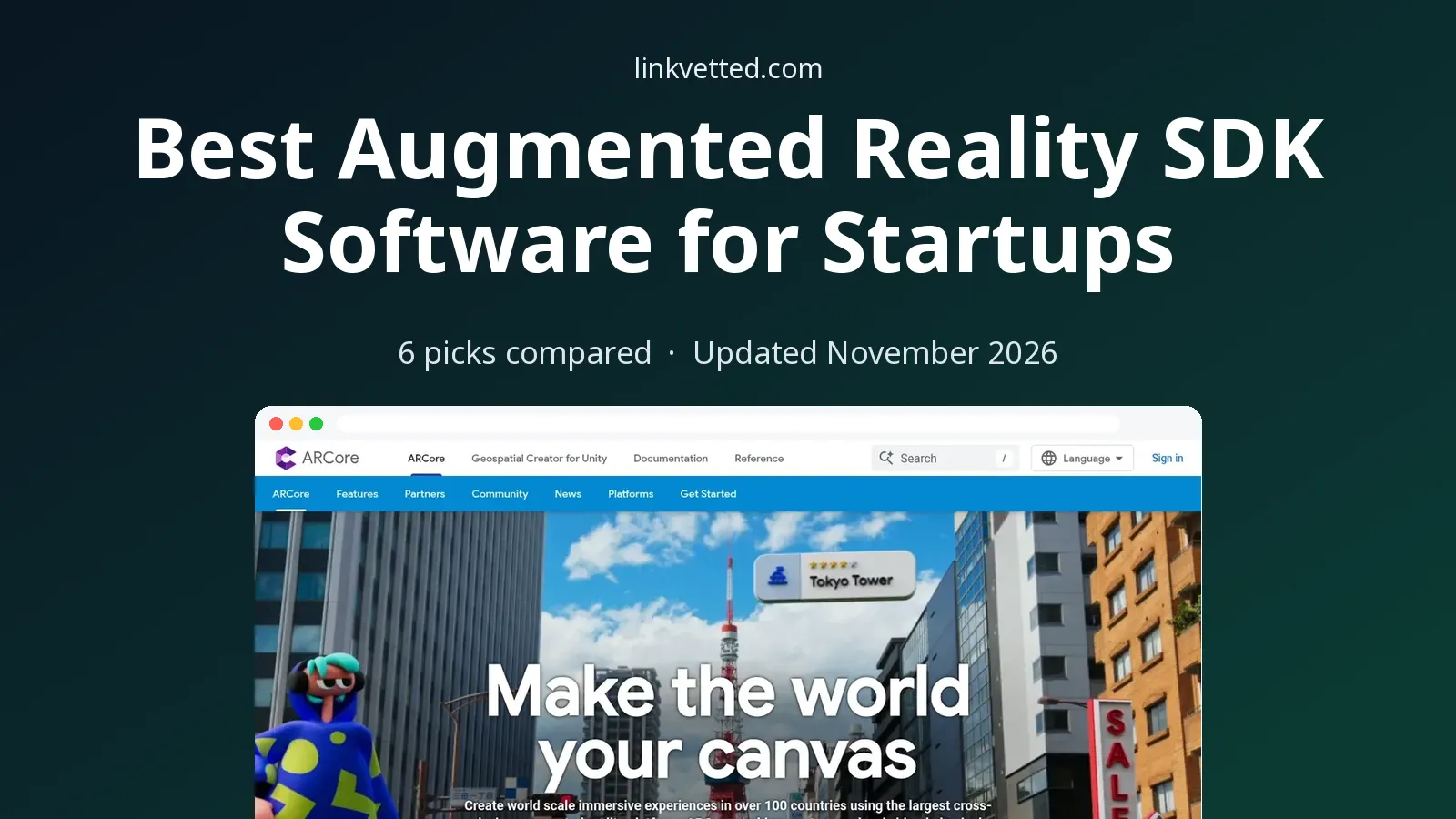
ARCore
Best for: Native Android AR experiences
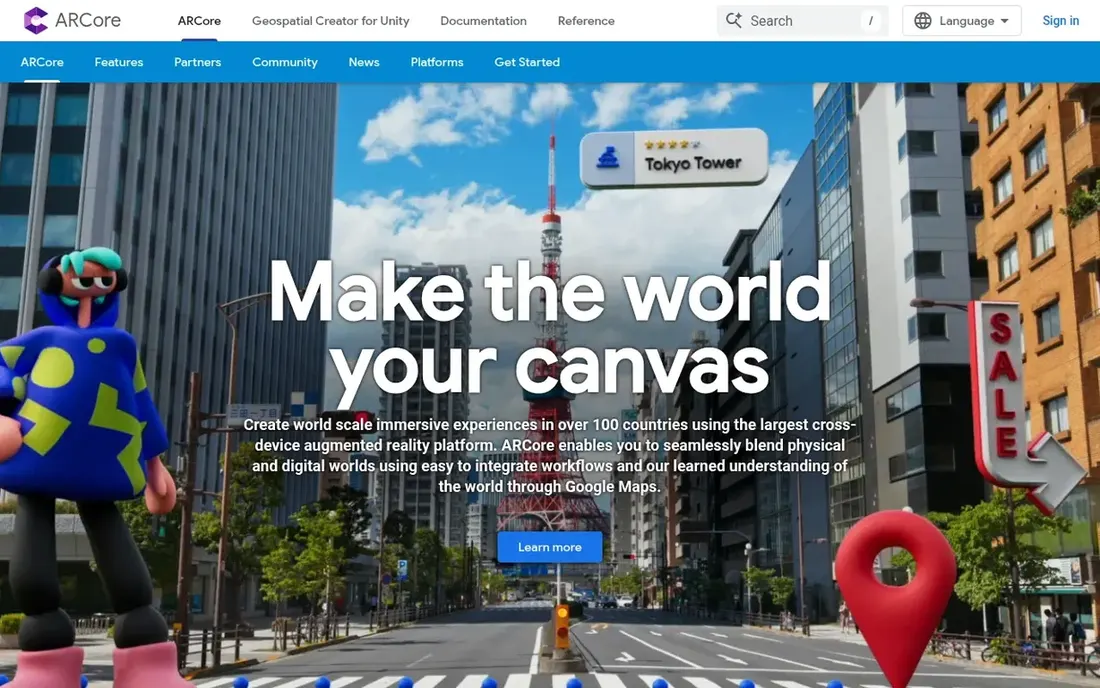
Choose ARCore for native Android AR experiences. It supplies motion tracking, environmental understanding, and light estimation, making it a natural choice for startups targeting Android users with native apps.
ARCore does not show a starting price in this comparison, so check the vendor site for current pricing. As for free access: Not stated.
The main drawbacks: Android only.
- Broad device coverage
- Backed by Google
- Requires Google Play services
Unity AR Foundation
Best for: Cross-platform AR development with Unity
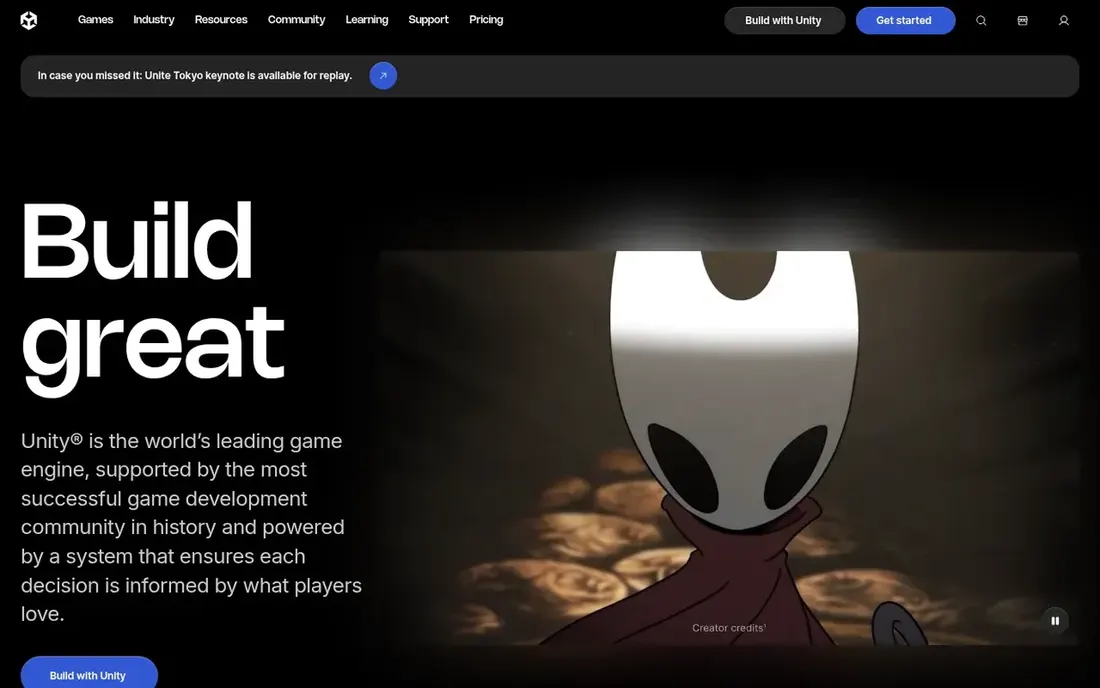
Unity AR Foundation is aimed squarely at cross-platform AR development with Unity. Unity AR Foundation is a framework within the Unity engine that lets developers build AR experiences for several platforms using a shared codebase. It is well suited for startups already using Unity or planning to produce 3D-rich applications that may expand to headsets or other XR devices.
For everyday use, if your startup needs a light, native-only AR feature or a web-based experience, a more focused SDK may be a better fit. For everyday use, the main limitation is the ramp-up time and project overhead tied to the Unity ecosystem. Starting cost for Unity AR Foundation: $210.00 per month. On free options: Free trial.
Trade-offs to know: Needs Unity knowledge.
- Unified AR API across systems
- Plugs into Unity's 3D engine
- Can be heavy for straightforward AR apps
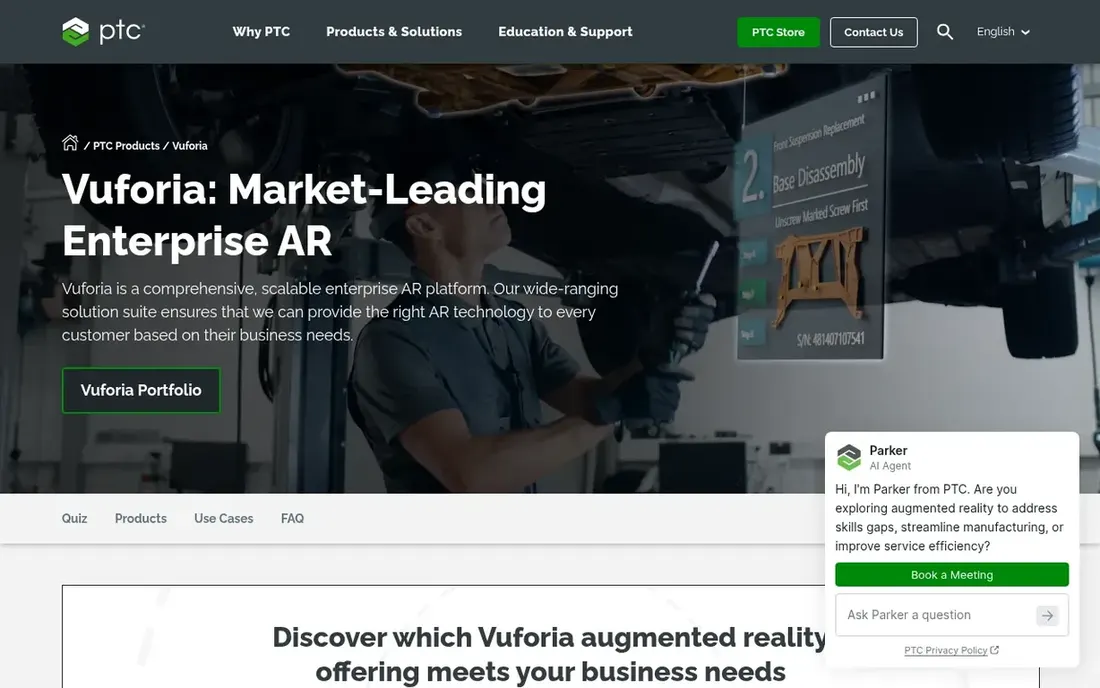
For enterprise AR with image and object recognition, Vuforia Engine is a natural candidate. Startups building industrial, retail, or training applications that rely on recognizing physical objects commonly consider it.
Its feature depth can add complexity for small teams, and commercial deployment may involve licensing terms that startups should review. Pricing for Vuforia Engine is not stated here, so ask the vendor for current figures. As for free access: Not stated.
Downsides: Licensing considerations for commercial use.
- Mature enterprise toolset
- Capable recognition capabilities
- Can be complicated for beginners
How the list was put together
Selection started from tools commonly considered for augmented reality SDK software for startups, then narrowed to 6 that have clear pricing information or a clear quote process. Plan names, prices and limits change often. Treat the figures here as a starting point and verify them with the vendor. Position on the page reflects fit for a typical buyer first, with price clarity and free access breaking ties. Treat it as a guide, not a ruling.
What to confirm before you sign up
- Confirm the entry price on the vendor page. For ARKit, Wikitude, 8th Wall and others that means a quote rather than a fixed price.
- Take the trial from Unity AR Foundation and push a live task through it before you pay.
- Read the limits listed for ARKit first: Apple products only.
- Find out what support Wikitude includes on your plan, and whether onboarding help costs extra.
- Get the contract term, renewal terms and any onboarding fees from ARCore in writing.
FAQ
How are the tools for augmented reality SDK software for startups ordered?
ARKit sits first and Vuforia Engine last because the order follows typical fit for augmented reality SDK software for startups, then price clarity and free access. It is a judgement call, so read each profile for fit and limits.
Can I build AR experiences that work on both iOS and Android?
Yes, cross-platform SDKs like Unity AR Foundation, Vuforia Engine, and Wikitude are built for several systems. Web-based 8th Wall can also reach both through the browser.
Is ARKit the right pick for everyone comparing augmented reality SDK software for startups?
No single tool suits every team. ARKit comes first because it fits native iOS and iPadOS AR apps, while Wikitude suits cross-platform AR SDK development and 8th Wall suits web-based AR without native apps. Match the tool to your own size, budget and workflow before deciding.
Does any tool for augmented reality SDK software for startups here have a free plan?
No tool in this list, ARKit and Vuforia Engine included, has a permanent free plan. Unity AR Foundation offer a trial. Trials and quotes are the usual route, so plan a short evaluation period.
Which AR SDK is a good match for a startup with restricted resources?
This list starts with ARKit, which fits native iOS and iPadOS AR apps. For other needs, Wikitude is aimed at cross-platform AR SDK development, and 8th Wall at web-based AR without native apps. Check each tool's price and main limit first.
Do these tools publish their prices?
Not all of them. ARKit, Wikitude, 8th Wall and others publish no starting price, so expect a quote request for those. The rest, Unity AR Foundation included, show a starting price, though seats and billing terms still change the final cost.
Sources
- https://developer.apple.com/augmented-reality
- https://www.wikitude.com
- https://www.8thwall.com
- https://developers.google.com/ar
- https://unity.com
- https://www.ptc.com/en/products/vuforia