Best Academic Conference Software in 2026: Prices, Free Plans and 5 Picks
Best academic conference software, compared. 5 tools with published prices, free plans and limits. Read the caveats before you buy. Budget notes included.
- Editor's choiceEx Ordo
Scholarly and technical conferences
Starts atSee websiteVisit exordo.comFull review - Great alternative
 Eventbrite
Straightforward event discovery and ticketing
Starts at$15 per monthVisit eventbrite.comFull review - Also consider
 Cvent
Large hybrid and in-person events
Starts atSee websiteVisit cvent.comFull review
Direct answer
Start with Ex Ordo if you need scholarly and technical conferences. Listed starting prices: Eventbrite from $15 per month and Dryfta from $1,499 a year. If your case is different, Eventbrite suits straightforward event discovery and ticketing and Cvent suits large hybrid and in-person events. The full list of 5 tools follows, with prices and free plan facts.
TL;DR:
- Ex Ordo is the opening pick, best for scholarly and technical conferences.
- The lowest published monthly entry price here is $15 per month, from Eventbrite.
- The main caution on Cvent: wide event focus instead of scholarly workflows.
- Eventbrite is the only tool of the 5 with a free plan.
Last checked November 2026. Prices and plan details were read from the vendors' own pages in November 2026; vendors change plans often, so confirm the current price on the vendor site before you buy.
Quick comparison
| Tool | Best for | Starts at | Free plan? | |
|---|---|---|---|---|
| Ex Ordo | Scholarly and technical conferences | See website | Not stated | Visit |
| Eventbrite | Straightforward event discovery and ticketing | $15 per month | Yes | Visit |
| Cvent | Large hybrid and in-person events | See website | Not stated | Visit |
| Dryfta | University research conferences | $1,499 a year | Free trial | Visit |
 Whova | Attendee engagement and event apps | See website | Not stated | Visit |
Academic Conference Software compared in detail
Choosing academic conference software usually comes down to price, fit and limits. This LinkVetted guide sets 5 tools side by side on those three points, with the facts kept short and checkable.
Ex Ordo
Best for: Scholarly and technical conferences
Ex Ordo is designed for scholarly and technical conferences. Ex Ordo describes itself as a scholarly events partner, offering conference management software as an end-to-end system built for professional, technical and scholarly events.
Points against: Focused scope may not include large general events.
Its scholarly focus means organizations running wide general events with heavy marketing needs may find other products better suited. Pricing for Ex Ordo is not stated here, so ask the vendor for current figures. As for free access: Not stated.
- End-to-end system for scholarly events
- Positions itself as a scholarly events partner
- Best value when scholarly workflows are central
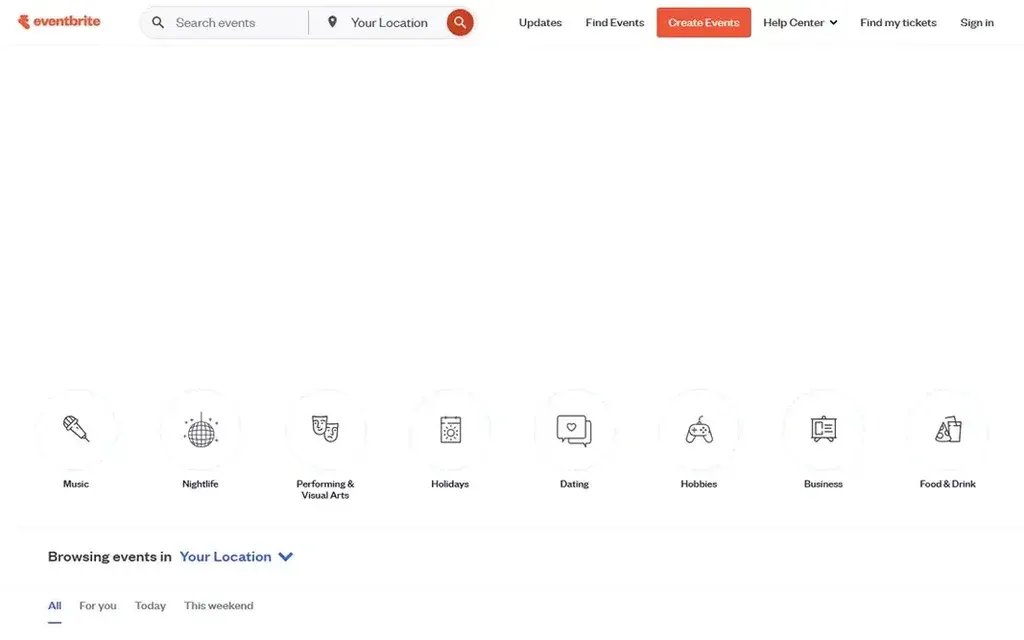
Eventbrite targets straightforward event discovery and ticketing. For academic conferences, it can work as a public-facing listing and registration channel, notably for events that want wide community visibility beyond the campus. It is not built around abstracts, peer review or scholarly program management, so research conferences typically pair it with a dedicated academic product.
Downsides: Restricted scholarly review or abstract features.
For everyday use, Eventbrite is widely known as a place to discover local events and things to do. It also serves organizers who list and run events. As for the details, choose it when public discovery and straightforward registration matter more than review workflows. Eventbrite pricing: $15 per month. Eventbrite includes a free tier. Where Eventbrite stands out: Straightforward event listing and registration flow.
- Well known for local event discovery
- Familiar to general attendees
- Not designed around academic program building

Where Cvent fits: large hybrid and in-person events. It hands planners software for event management, marketing and attendee engagement, and it also helps hotels win business through sourcing systems.
Upsides: virtual and hybrid formats.
Since its emphasis is general event management, academic-specific processes for example peer review may need separate tools. Also, pick something else if your priority is a review workflow or abstract management instead of full event operations. Cvent shows no starting price here, so confirm the cost on the vendor site. Free options: Not stated. Where it falls short: Feature depth may exceed small academic meetings.
- Marketing and attendee engagement in one system
- Event management
- Wide event focus instead of scholarly workflows
Dryfta
Best for: University research conferences
Dryfta targets University research conferences. Its framing centers on the needs of higher education organizers, which fits departments and research groups that want a system aligned with academic conference structure instead of general event marketing.
Dryfta pricing: $1,499 per year. Free options: Free trial.
The main drawbacks: General corporate events may need other tools.
- Tailored to research-driven conferences
- Purpose-built for universities and academic events
- Narrower appeal outside higher education
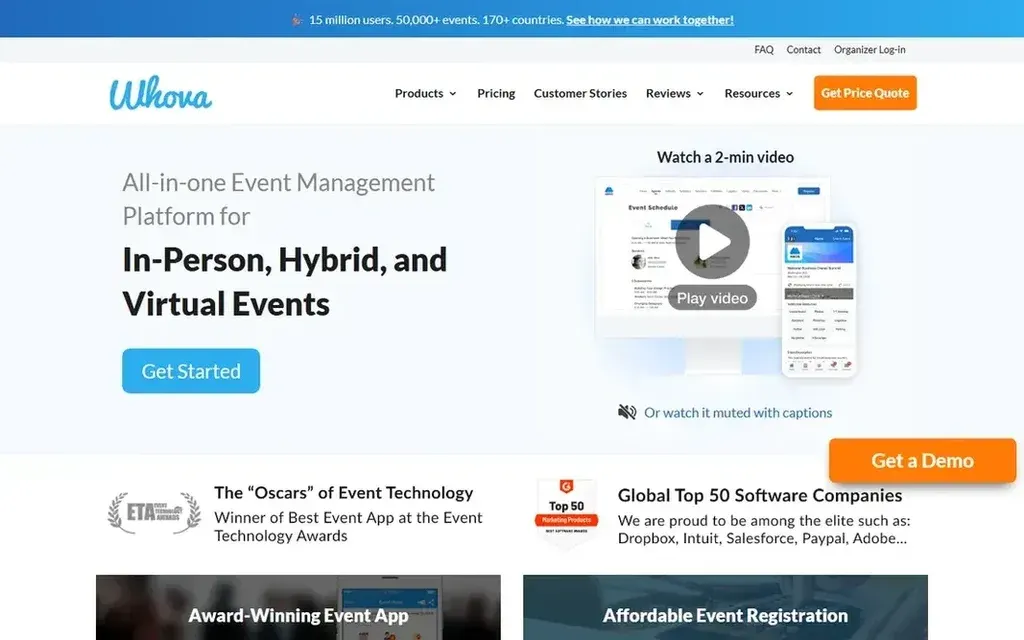
Whova is designed for Attendee engagement and event apps. Whova is widely known for conference apps that support attendee engagement, agendas and networking for in-person and virtual events.
No starting price is listed for Whova here; confirm pricing on the vendor site. Free plan details: Not stated.
Limits to weigh: Abstract and review workflows are not its core.
- Known for conference mobile apps and attendee networking
- Supports agendas and event communication
- Scholarly program needs may need another system
How we compared the tools
The comparison looks at four things: starting price, free access, how well the feature set matches academic conference software, and the main limit of each tool. Where a vendor does not publish a price, the entry says quote. Where a price depends on seats or billing term, the entry says so. Position on the page reflects fit for a typical buyer first, with price clarity and free access breaking ties. Treat it as a guide, not a ruling.
A buyer's checklist
- Get a written quote from Ex Ordo, Cvent and Whova; the list shows no starting price for them.
- Look at the free plan from Eventbrite closely: its caps decide whether it is usable for real work.
- Take the trial from Dryfta and push a live task through it before you pay.
- Before choosing Ex Ordo, weigh its main limit: focused scope may not handle large general events.
- Look at the help docs and support options for Eventbrite before you commit.
- Involve the people who will use Dryfta daily; a short pilot beats a long feature checklist.
FAQ
Can I try these options before paying?
Often, yes. Eventbrite has a free plan and Dryfta offers a free trial. Use your own data and a real task during the test, and check what the free tier or trial limits before you rely on it.
What is the cheapest option for academic conference software in this list?
On published monthly entry prices, Eventbrite is the lowest here at $15 per month. Entry price is only part of the cost, because seats, add-ons and billing terms can change the total. All 5 picks in this academic Conference software comparison list a starting price, free plan details and the main limits on their cards above.
Is Ex Ordo the right pick for everyone comparing academic conference software?
No single tool suits every team. Ex Ordo comes first because it fits scholarly and technical conferences, while Eventbrite suits simple event discovery and ticketing and Cvent suits large hybrid and in-person events. Match the tool to your own size, budget and workflow before deciding.
Which options for academic conference software have a free plan?
Eventbrite is the only tool in this list with a free plan. Free plans usually cap users, projects or features, so check the limits on the vendor page. One other tool offers a trial instead.
Sources
- https://www.exordo.com
- https://www.eventbrite.com
- https://www.cvent.com
- https://dryfta.com
- https://whova.com