5 SQL Database Software Worth Shortlisting in 2026
Searching for the best SQL database software? Here are 5 options with prices and free plans. Strengths and weak spots are spelled out. Updated November 2026.
- Editor's choice
 Oracle Database
Critical enterprise workloads with AI features
Starts atPricing on requestVisit oracle.comFull review - Great alternative
 PostgreSQL
Open source relational database standard
Starts atPricing on requestVisit postgresql.orgFull review - Also consider
 IBM Db2
Autonomous enterprise database operations
Starts atPricing on requestVisit ibm.comFull review
Direct answer
Oracle Database is the first pick on this list for critical enterprise workloads with AI features. PostgreSQL is the stronger choice for open source relational database standard, while IBM Db2 suits autonomous enterprise database operations. The remaining 2 options are covered below with pricing notes and limits. None of these vendors publish plan prices, so pricing is on request for every option.
TL;DR:
- Top of the list is Oracle Database, which targets critical enterprise workloads with AI features.
- Pricing across the list, from Oracle Database to Microsoft SQL Server, is by quote only.
- For developer-first enterprise SQL with analytics, Microsoft SQL Server is worth a look.
- Neither Oracle Database nor Microsoft SQL Server, nor any of the other 3 tools, has a permanent free plan; trials and quotes are the norm.
Last checked November 2026. Pricing on request: vendors did not publish plan prices when this guide was last checked (November 2026), so ask each vendor for a written quote.
Quick comparison
| Tool | Best for | Starts at | Free plan? | |
|---|---|---|---|---|
| Oracle Database | Critical enterprise workloads with AI features | Pricing on request | Not stated | Visit |
| PostgreSQL | Open source relational database standard | Pricing on request | Not stated | Visit |
| IBM Db2 | Autonomous enterprise database operations | Pricing on request | Not stated | Visit |
| SAP HANA | In-memory database for SAP landscapes | Pricing on request | Not stated | Visit |
 Microsoft SQL Server | Developer-first enterprise SQL with analytics | Pricing on request | Not stated | Visit |
SQL Database Software profiles
LinkVetted compared 5 tools for SQL database software. The goal is a practical shortlist: published prices, free plan facts, best-fit use cases and honest limits for every entry.
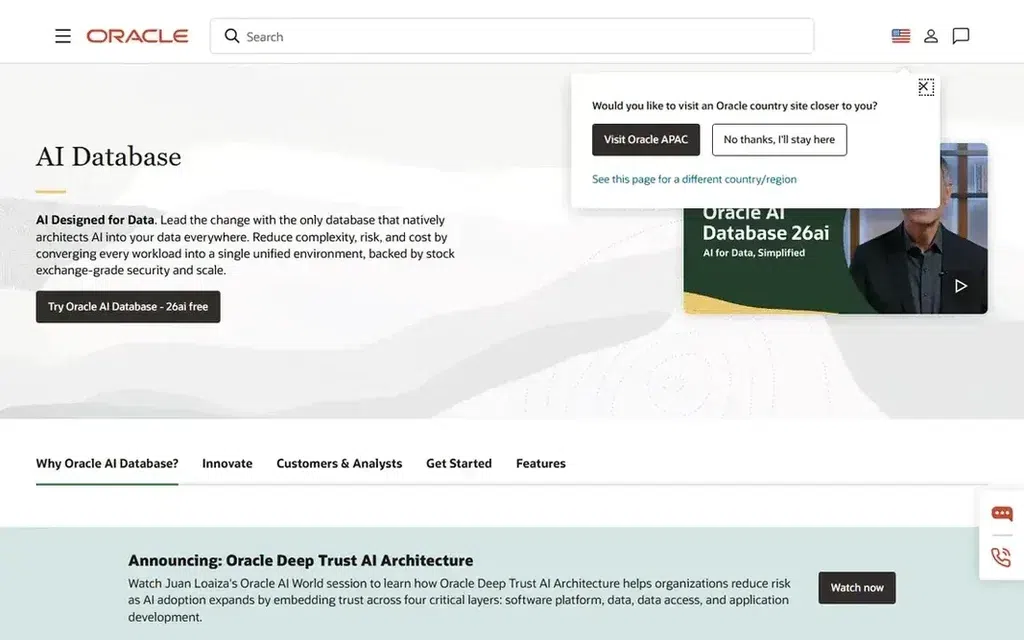
In short, Oracle Database is for critical enterprise workloads with AI features. It suits large organizations with dedicated database teams and workloads where reliability and depth of features matter more than simplicity.
Oracle Database shows no starting price here, so confirm the cost on the vendor site. As for free access: Not stated.
Where it falls short: Configuration depth can overwhelm newcomers.
- Long-standing enterprise footprint
- AI capabilities in the engine
- Operational demands are substantial
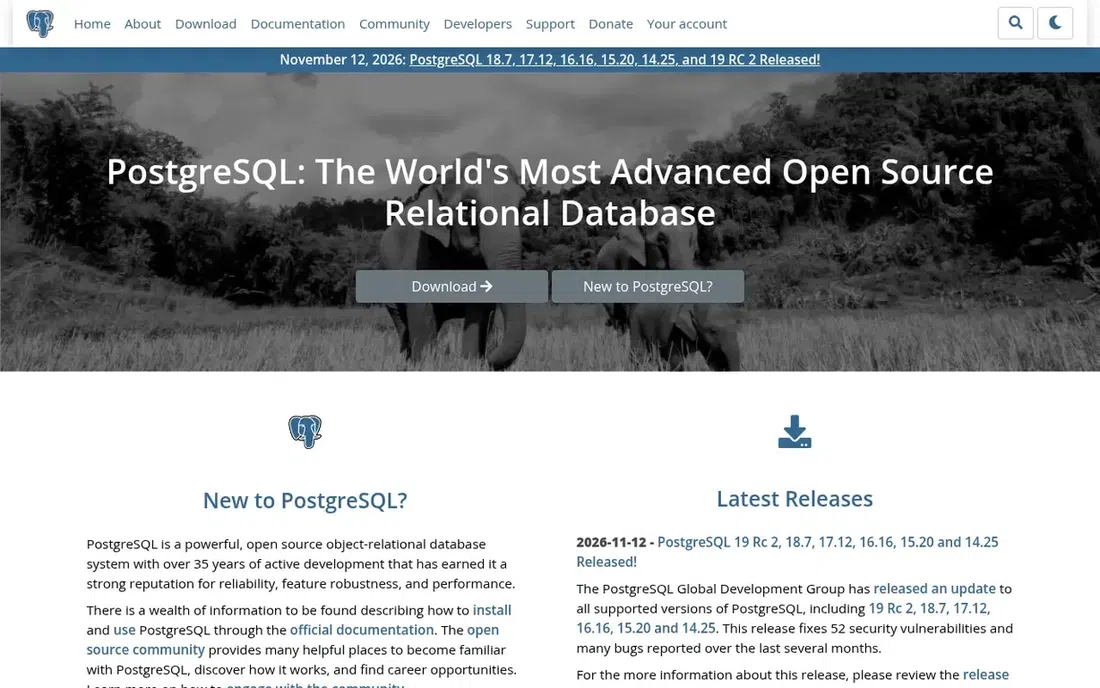
For open source relational database standard, PostgreSQL is a natural candidate. PostgreSQL is an open source relational database described by its project as the world's most advanced open source database.
It provides a wide SQL feature set, extensibility and a long track record across web, analytical and geospatial workloads. Also, running PostgreSQL well means handling backups, replication, upgrades and performance tuning, which can strain small teams. PostgreSQL shows no starting price here, so confirm the cost on the vendor site. Trial and free access: Not stated.
Honest limits: Self-managed by default.
- Open source with active community
- Capable SQL standards compliance
- Tuning needs expertise
Choose IBM Db2 for autonomous enterprise database operations. IBM Db2 is described by IBM as an AI-powered autonomous database with live insights and hybrid cloud adaptability.
In practice, groups wanting a lighter open source engine should compare PostgreSQL, whereas those wanting a completely managed cloud service may prefer Cloud SQL. Pricing for IBM Db2 is not stated here, so ask the vendor for current figures. Trial and free access: Not stated.
Where it is weaker: Enterprise-oriented complexity.
- AI-powered autonomous features
- Hybrid cloud adaptability
- Specialist skills commonly required
SAP HANA
Best for: In-memory database for SAP landscapes
For in-memory database for SAP landscapes, SAP HANA is a natural candidate. SAP HANA Cloud is presented by SAP as a single database-as-a-service foundation for modern applications and analytics across enterprise data.
From a buyer's view, HANA provides the most value within SAP landscapes, and adoption outside them may not justify the specialization required. Pricing for SAP HANA is not stated here, so ask the vendor for current figures. As for free access: Not stated.
What to check first: Needs specialized skills.
- Brings together applications and analytics
- Cloud database-as-a-service choice
- Most valuable inside SAP ecosystems
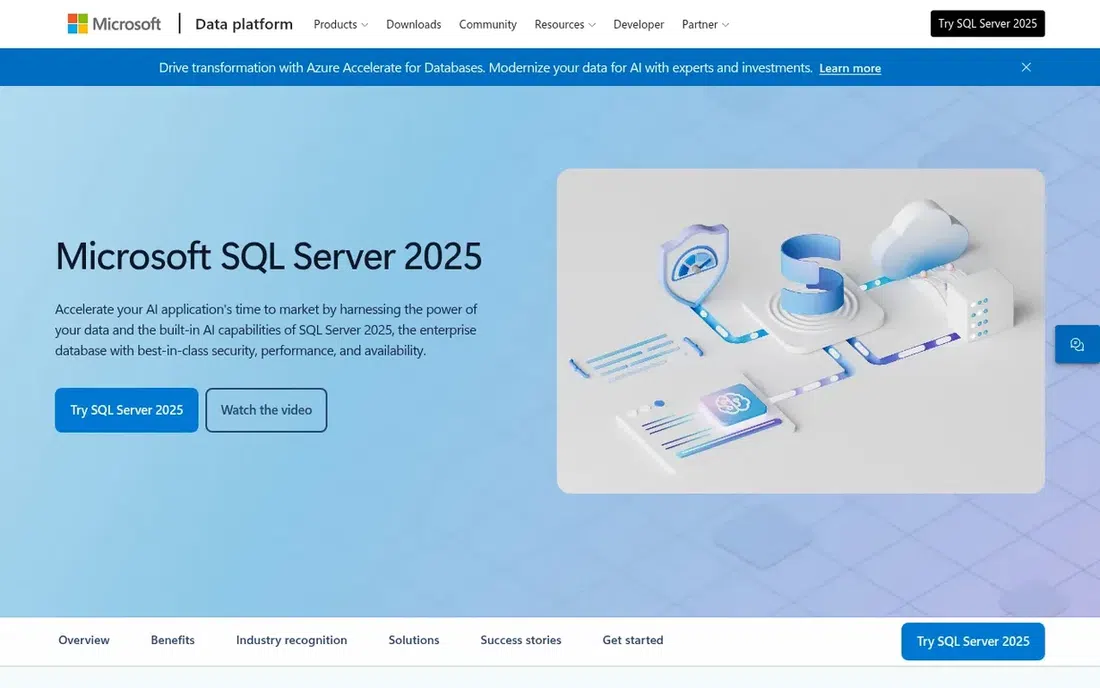
Microsoft SQL Server targets developer-first enterprise SQL with analytics. The system carries operational overhead: patching, tuning and licensing decisions take effort, and smaller teams may find that weight unnecessary.
Points against: Best value inside the Microsoft ecosystem.
It suits organizations with existing Microsoft tooling, in-house database administrators and mixed transactional and analytical workloads. Check the vendor site for Microsoft SQL Server pricing; none is listed in this comparison. As for free access: Not stated.
- Developer-first feature set
- Built-in analytics and AI integration
- Licensing can be complicated
How the list was put together
LinkVetted used vendor pricing pages and product documentation as the base, then compared plans, free access and documented limits for 5 tools. Where a vendor does not publish a price, the entry says quote. Where a price depends on seats or billing term, the entry says so. Tools are placed by general fit for SQL database software, with price clarity and free access as tie-breakers. A different team can reasonably rank them differently.
Things to verify first
- Ask each vendor, from Oracle Database to Microsoft SQL Server, for a written quote; none of them publishes a starting price.
- Before choosing Oracle Database, weigh its main limit: configuration depth can overwhelm newcomers.
- See whether IBM Db2 offers onboarding or training, and whether it is included in the price.
- Involve the people who will use Microsoft SQL Server daily; a short pilot beats a long feature checklist.
- Find out whether the entry plan of Oracle Database covers your must-haves or only a trimmed-down version.
FAQ
Is Oracle Database the right pick for everyone comparing SQL database software?
No single tool suits every team. Oracle Database comes first because it fits critical enterprise workloads with AI features, while PostgreSQL suits open source relational database standard and IBM Db2 suits autonomous enterprise database operations. Match the tool to your own size, budget and workflow before deciding.
Does any tool for SQL database software here have a free plan?
No tool in this list, Oracle Database and Microsoft SQL Server included, has a permanent free plan. Trials and quotes are the usual route, so plan a short evaluation period.
When should I choose a managed cloud database over a self-hosted one?
Managed services deal with provisioning, backups and maintenance, which helps teams without dedicated database staff. Self-hosted engines offer more control over configuration and hosting, which matters for specialized or regulated workloads.
Do these databases support both transactional and analytical workloads?
Multiple choices, including Microsoft SQL Server, Oracle Database and SAP HANA, are positioned for mixed application and analytics use. The right fit relies on data volume, query patterns and how much tuning your team can support.
How are the tools for SQL database software ordered?
The order follows typical fit for SQL database software, with Oracle Database first and Microsoft SQL Server last, then price clarity and free access. It is editorial judgement, not a score, so another team could rank the tools differently.
Can I try these options before paying?
Not by default. None of the tools, from Oracle Database to Microsoft SQL Server, lists a free plan or a free trial here, so ask each vendor for a demo before committing.
Sources
- https://www.oracle.com/database
- https://www.postgresql.org
- https://www.ibm.com/products/db2
- https://www.sap.com/products/technology-platform/hana.html
- https://www.microsoft.com/en-us/sql-server