The 6 Best Schema for Relational Database in 2026, Ranked
6 options for the best schema for relational database, with entry costs, free tiers and the buyer each one serves. Prices and drawbacks included. Numbers first.
- Editor's choice
 IBM Db2
Autonomous operations and hybrid cloud
Starts atPricing on requestVisit ibm.comFull review - Great alternative
 PostgreSQL
Open source schema adaptability
Starts atPricing on requestVisit postgresql.orgFull review - Also consider
 Microsoft SQL Server
Developer-first enterprise schema work
Starts atPricing on requestVisit microsoft.comFull review
Direct answer
Our first pick is IBM Db2, best for autonomous operations and hybrid cloud. For a different need, PostgreSQL covers open source schema adaptability and Microsoft SQL Server covers developer-first enterprise schema work. All 6 tools are compared below on fit, free plan and limits. None of these vendors publish plan prices, so pricing is on request for every option.
TL;DR:
- Number one here is IBM Db2, a fit for autonomous operations and hybrid cloud.
- SAP HANA is the one to check for unified enterprise applications and analytics.
- IBM Db2, SAP HANA and the 4 others all need a premium plan or a trial, since no free plan is listed.
- No starting price is shown for any of the 6 tools, IBM Db2 and SAP HANA included, so plan time for sales calls.
- One limit worth knowing about Microsoft SQL Server: licensing can be complicated.
Last checked November 2026. Pricing on request: vendors did not publish plan prices when this guide was last checked (November 2026), so ask each vendor for a written quote.
Quick comparison
| Tool | Best for | Starts at | Free plan? | |
|---|---|---|---|---|
| IBM Db2 | Autonomous operations and hybrid cloud | Pricing on request | Not stated | Visit |
| PostgreSQL | Open source schema adaptability | Pricing on request | Not stated | Visit |
| Microsoft SQL Server | Developer-first enterprise schema work | Pricing on request | Not stated | Visit |
 MySQL | Widely known open source relational work | Pricing on request | Not stated | Visit |
 Oracle Database | Critical enterprise workloads with AI | Pricing on request | Not stated | Visit |
| SAP HANA | Unified enterprise applications and analytics | Pricing on request | Not stated | Visit |
Schema for Relational Database, one by one
Choosing schema for relational database usually comes down to price, fit and limits. This LinkVetted guide sets 6 tools side by side on those three points, with the facts kept short and checkable.
IBM Db2 works best for autonomous operations and hybrid cloud. It targets organizations that want to ease operations whereas protecting critical data across mixed environments. More specifically, setup and administration lean toward enterprise practice, so smaller teams may find it heavier than necessary.
Points against: Tooling assumes IBM ecosystem familiarity.
Those without IBM ecosystem experience may face a ramp-up time. Teams already invested in IBM infrastructure commonly find it a natural fit for schema-driven transactional and analytical workloads. Check the vendor site for IBM Db2 pricing; none is listed in this comparison. Free options: Not stated.
- Hybrid cloud adaptability
- Live insights
- Enterprise-oriented setup
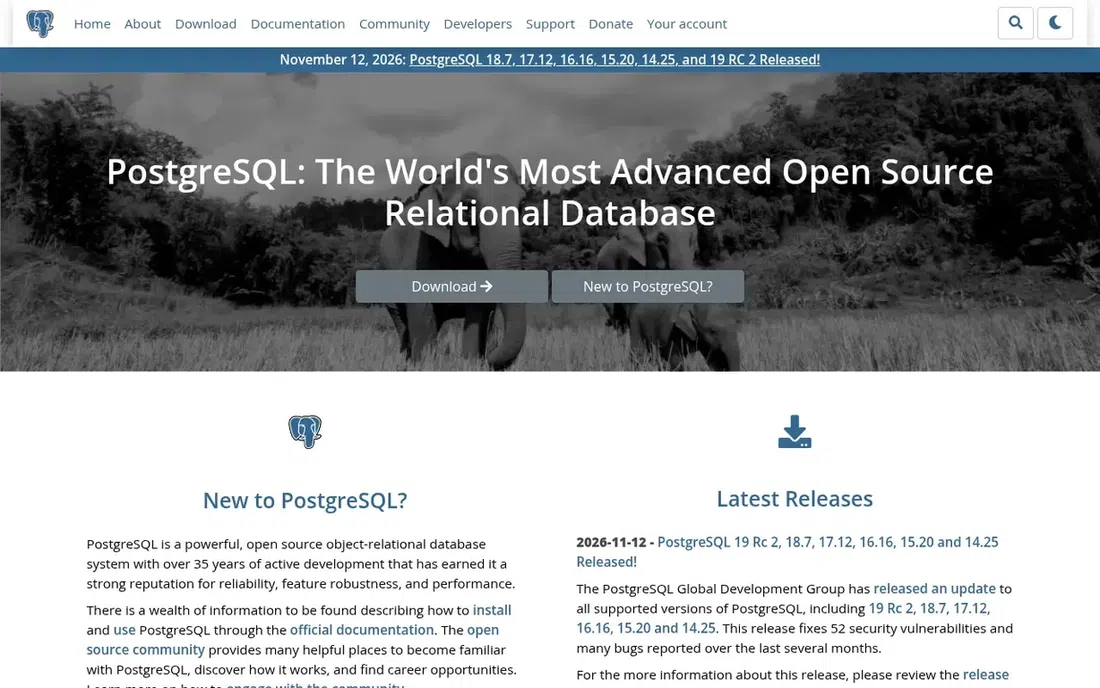
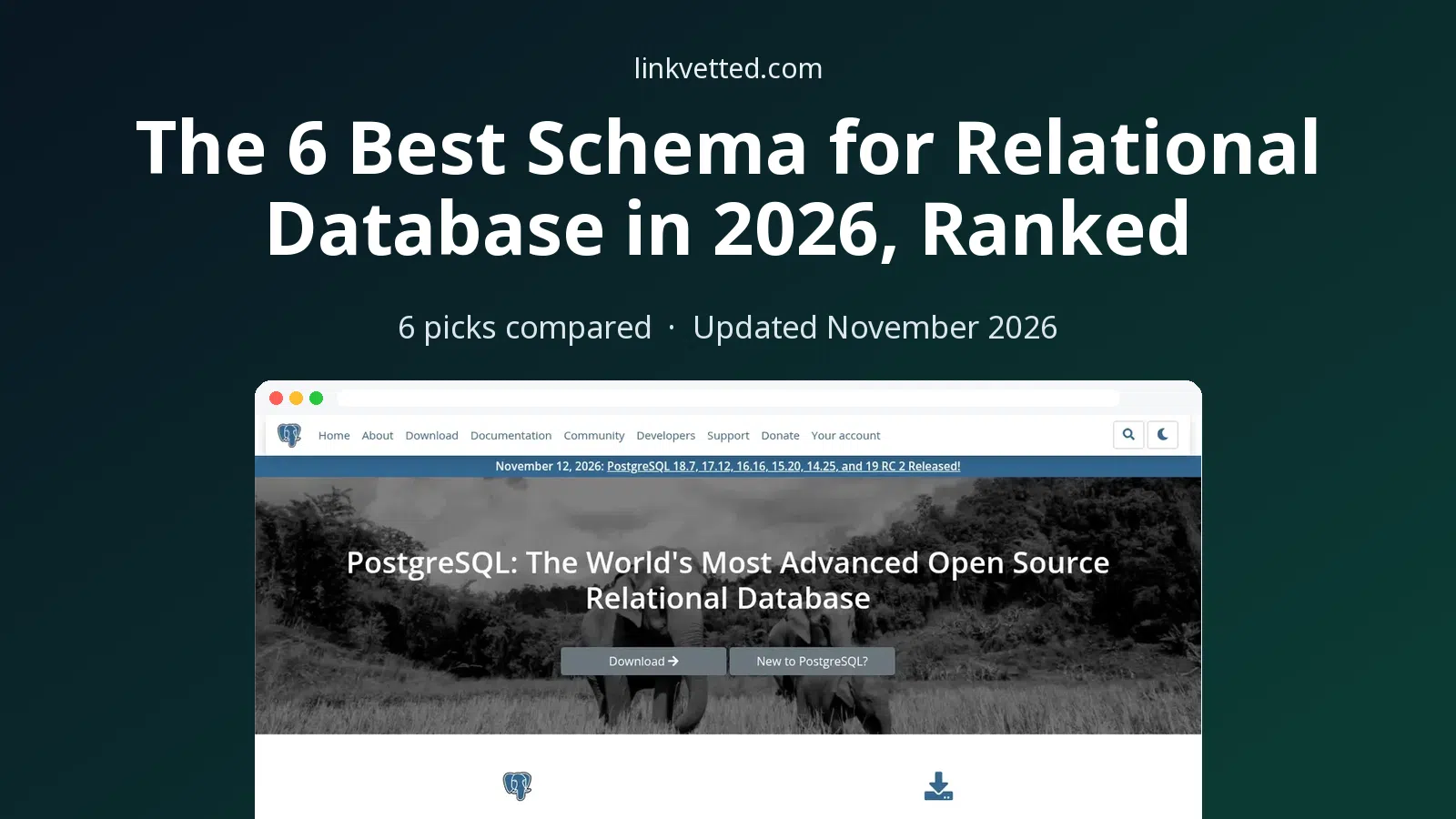
PostgreSQL serves open source schema adaptability. PostgreSQL describes itself as the world's most advanced open source database, and its official site anchors a large community ecosystem. In daily use, performance tuning and advanced feature configuration demand real expertise.
Some enterprise support capabilities come from third parties instead of the core project. If you need a completely managed vendor experience from day one, a commercial product may be more straightforward. This comparison lists no price for PostgreSQL; ask the vendor. On free options: Not stated.
Drawbacks to consider: Tuning needs expertise.
- Solid standards alignment
- Advanced open source engine
- Advanced features need careful planning
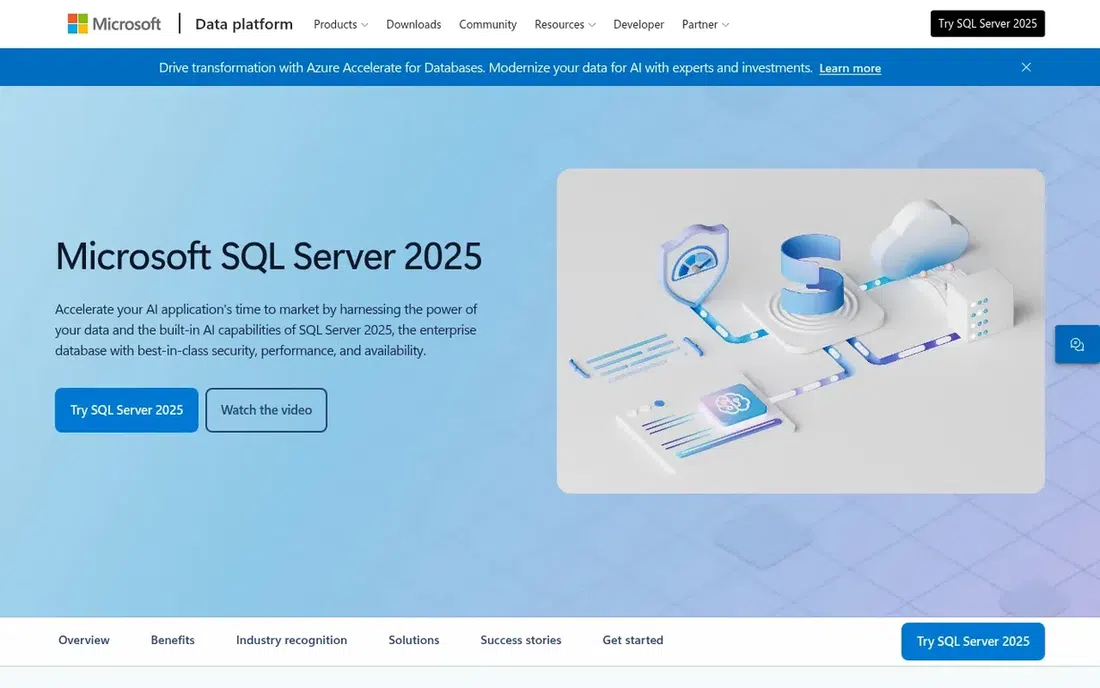
Microsoft SQL Server is designed for developer-first enterprise schema work. Choose SQL Server when integrated analytics and AI features matter to your schema plans. If your priority is a light open source engine, an alternative for example PostgreSQL or MySQL may suit you better.
Points against: Licensing can be complicated.
What works well: Enterprise data focus. The system is oriented toward enterprise deployments, so smaller teams may find the operational overhead heavier than needed. From a buyer's view, Microsoft SQL Server is a relational database system positioned around enterprise data. Its vendor describes developer-first features and integration with analytics and AI models, letting teams build schema-driven applications on data they already hold. Check the vendor site for Microsoft SQL Server pricing; none is listed in this comparison. Free plan details: Not stated.
- Developer-first feature set
- Analytics and AI integration
- Best fit for Microsoft-centered stacks
Think of MySQL for widely known open source relational work. Choose MySQL when you want a familiar, widely supported relational foundation for standard application schemas.
Its schema model is straightforward, which makes it approachable for teams building conventional applications with familiar table relationships. Numerous hosting environments and application frameworks treat it as a default choice, so finding operational guidance is usually simple. Check the vendor site for MySQL pricing; none is listed in this comparison. Trial and free access: Not stated.
Honest limits: Some advanced schema choices are restricted.
- Mature relational engine
- Typical pairing with web applications
- Feature set differs from PostgreSQL
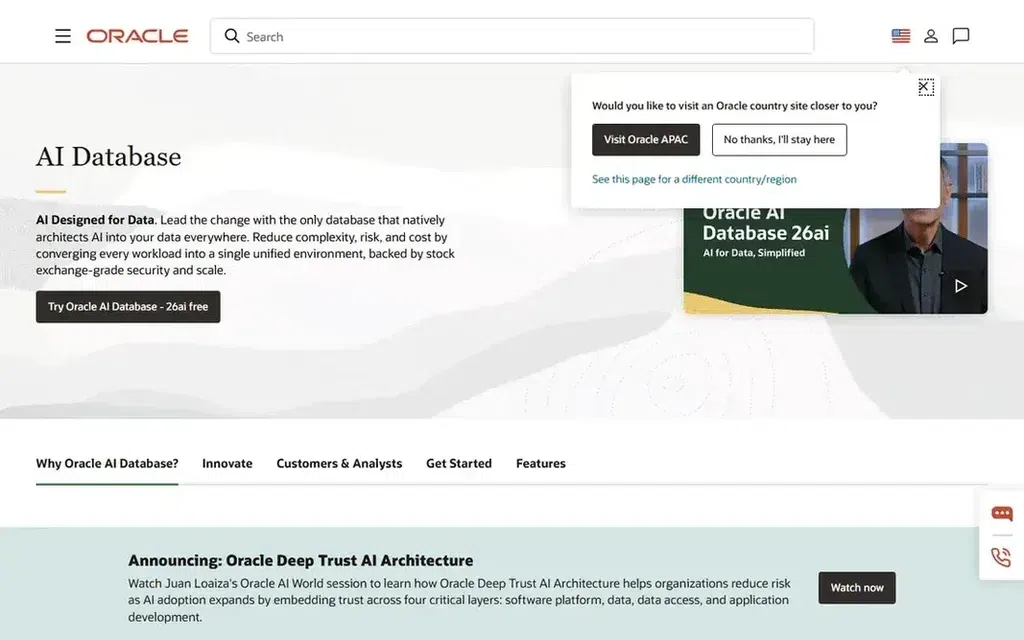
In short, Oracle Database is for critical enterprise workloads with AI. Pick Oracle Database when your schema supports critical workloads and you want AI features woven into the system. Oracle Database is presented by its vendor as an AI database that helps power application development and critical workloads.
Limits to weigh: Enterprise-oriented administration.
From a buyer's view, smaller projects may also find lighter open source options simpler to operate. Beyond that, the system is geared toward organizations that require a dependable engine for demanding data operations while adding AI-oriented capabilities to their development process. Its depth includes administrative complexity, so teams without dedicated database staff may prefer a more straightforward engine. Check the vendor site for Oracle Database pricing; none is listed in this comparison. Free options: Not stated.
- Long-standing enterprise presence
- AI capabilities for app development
- Configuration depth can overwhelm newcomers
SAP HANA
Best for: Unified enterprise applications and analytics
Where SAP HANA fits: unified enterprise applications and analytics. Choose SAP HANA when your relational schema supports SAP applications and you want analytics unified on one managed foundation. SAP HANA Cloud is presented as a single database as a service foundation for modern applications and analytics across enterprise data.
Schema design in this context tends to follow enterprise application patterns instead of ad hoc experimentation. Worth adding: specialized operational knowledge is usually expected. This comparison lists no price for SAP HANA; ask the vendor. Trial and free access: Not stated.
Points against: Specialized operational knowledge needed.
- Analytics across enterprise data
- Supports modern applications
- Tied closely to SAP landscapes
How we built this list
What to check before you buy
- Ask each vendor, from IBM Db2 to SAP HANA, for a written quote; none of them publishes a starting price.
- Before choosing IBM Db2, weigh its main limit: enterprise-oriented setup.
- Confirm the exact Microsoft SQL Server plan that includes your must-have features.
- Ask MySQL about contract length, onboarding fees and user minimums before you sign.
- Check how data leaves PostgreSQL: formats, limits and whether exports are available on every plan.
FAQ
Is IBM Db2 the right pick for everyone comparing schema for relational database?
No single tool suits every team. IBM Db2 comes first because it fits autonomous operations and hybrid cloud, while PostgreSQL suits open source schema flexibility and Microsoft SQL Server suits developer-first enterprise schema work. Match the tool to your own size, budget and workflow before deciding.
Can I try these tools before paying?
Not by default. None of the tools, from IBM Db2 to SAP HANA, lists a free plan or a free trial here, so ask each vendor for a demo before committing.
Do these tools publish their prices?
No. None of the tools, from IBM Db2 to SAP HANA, shows a fixed starting price here, so budget time for quotes.
Does any tool for schema for relational database here have a free plan?
A permanent free plan is not offered by IBM Db2, SAP HANA or the other tools here. Plan a short evaluation period instead.
Sources
- https://www.ibm.com/products/db2
- https://www.postgresql.org
- https://www.microsoft.com/en-us/sql-server
- https://www.mysql.com
- https://www.oracle.com/database
- https://www.sap.com/products/technology-platform/hana.html