Choosing Python and Django Developers Software for Startups in 2026: 5 Options Compared
5 best python and django developers software for startups, with entry costs, free tiers and the buyer each one serves. Caveats come with every verdict.
- Editor's choice
 Sentry
Error tracking and performance monitoring
Starts at$26 a monthVisit sentry.ioFull review - Great alternative
 Docker
Consistent environments and secure containers
Starts at$9 per user a monthVisit docker.comFull review - Also consider
 GitHub
Code hosting and team collaboration
Starts at$4 per user per monthVisit github.comFull review
Direct answer
If you need error tracking and performance monitoring, Sentry is the first tool to look at here. Listed starting prices: Sentry from $26 a month, Docker from $9 per user a month and GitHub from $4 per user per month. If your case is different, Docker suits consistent environments and secure containers and GitHub suits Code hosting and team collaboration. All 5 tools are compared below on price, free plan and limits.
TL;DR:
- Sentry takes the first slot, best suited to error tracking and performance monitoring.
- Before buying Docker, weigh this: adds operational concepts for beginners.
- Heroku is the one to check for managed hosting with minimal operations.
- Sentry, Docker, GitHub, GitLab: these are the 4 tools out of 5 that offer a free plan.
Last checked November 2026. Prices and plan details were read from the vendors' own pages in November 2026; vendors change plans often, so confirm the current price on the vendor site before you buy.
Quick comparison
| Tool | Best for | Starts at | Free plan? | |
|---|---|---|---|---|
| Sentry | Error tracking and performance monitoring | $26 a month | Yes | Visit |
| Docker | Consistent environments and secure containers | $9 per user a month | Yes | Visit |
| GitHub | Code hosting and team collaboration | $4 per user per month | Yes | Visit |
 GitLab | Governed end-to-end software lifecycle | $15 per user per month | Yes | Visit |
 Heroku | Managed hosting with minimal operations | $5 per month | No | Visit |
The best python and django developers software for startups
Short on time? The summary and table above give the quick view of 5 python and django developers software for startups, and the profiles that follow give the detail behind each entry.
Sentry serves error tracking and performance monitoring. Teams still in early prototyping may postpone monitoring until there is real traffic.
Sentry is application performance monitoring and error tracking software for developers and software teams. Worth adding: Sentry does not replace a code host, editor or deployment system, and it needs instrumentation before it reports anything handy. Sentry starts at: $26 per month. Sentry includes a free tier.
Points against: Concentrated on monitoring, not development.
- Application performance monitoring
- Helps teams learn from incidents
- Needs instrumentation to be handy
Docker makes the most sense for consistent environments and secure containers. For a Django startup, it helps keep development, testing and production environments consistent, which cuts the classic works-on-my-machine problems. Containers introduce images, volumes and networking concepts that a very small team must learn before seeing benefit.
What users get: Consistent local and deployed environments.
Startups with a single simple deployment may not need that layer yet. Also, Docker gives you containers and secure sandboxes so applications and AI agents run safely anywhere. Pick Docker when environment consistency and controlled runtime sandboxes become real requirements. Starting cost for Docker: $9 per user per month. Docker offers a free plan. Drawbacks to consider: Container setup takes initial effort.
- Sandboxes and governance for agents
- Secure supply chain focus
- Layers on operational concepts for beginners
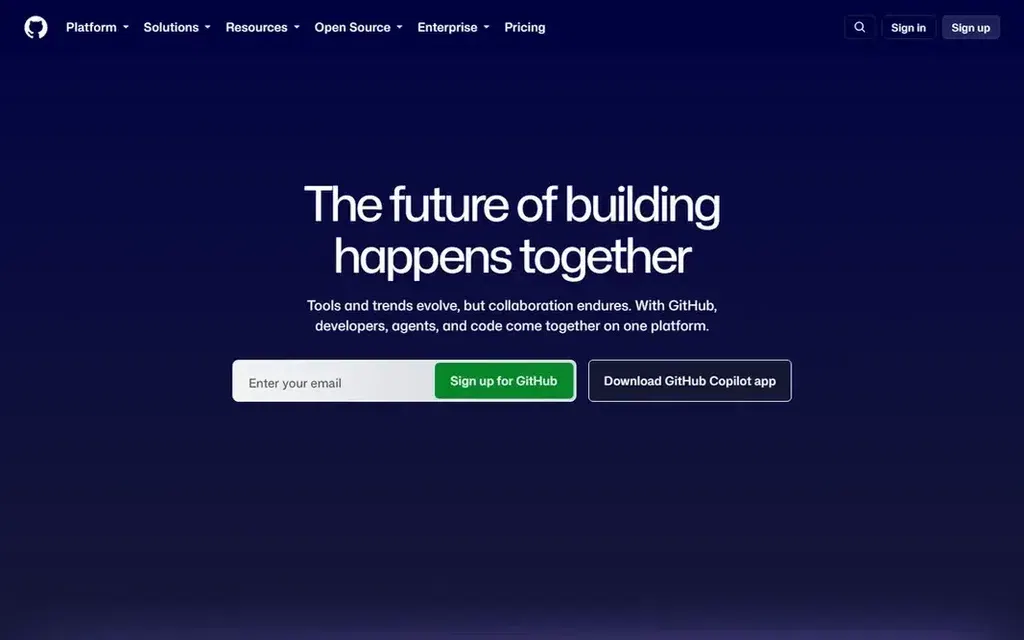
GitHub serves Code hosting and team collaboration. Teams that require tightly integrated lifecycle governance in a single product may prefer a product built around that.
Downsides: Advanced governance sits outside the core workflow.
As for the details, pick GitHub when community reach and a familiar pull request model matter most. Starting cost for GitHub: $4 per user per month. GitHub has a free plan.
- Built-in review and automation workflows
- Large open source community
- Feature depth can overwhelm very small teams
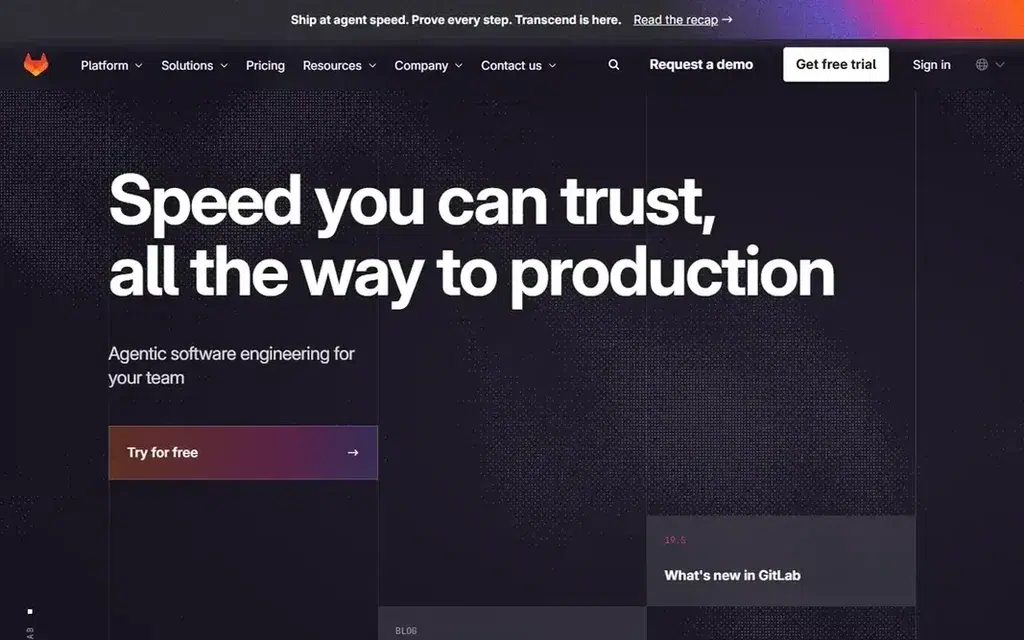
GitLab was built for governed end-to-end software lifecycle. GitLab describes itself as an intelligent orchestration system with context and governance for the whole software lifecycle. For everyday use, startups with a single repository and minimal process may find the scope unnecessary at first.
Where it falls short: Broader scope means more setup decisions.
For everyday use, choose GitLab when integrated governance is a priority from the start. From a buyer's view, since it spans so much of the lifecycle, initial configuration asks more of a small team than a straightforward code host would. On cost, GitLab starts like this: $15 per user per month. GitLab includes a free tier.
- Governance and context built in
- Orchestration across the lifecycle
- Can feel heavy for a single small repository
Heroku is aimed squarely at managed hosting with minimal operations. Heroku is a cloud application product offering completely managed app hosting for developers.
Limits to weigh: Extras can complicate cost planning.
From a buyer's view, costs also grow with usage, which deserves attention as an application scales. Managed hosting trades control for convenience, so teams with unusual infrastructure needs may hit limits. What you pay to start with Heroku: $5 per month. There is no free plan with Heroku.
- Scales with the application
- Straightforward build and deploy flow
- Less control than self-managed infrastructure
How we built this list
A buyer's checklist
- Prices are a starting point; GitHub shows $4 per user per month to start, so verify what your seat count would cost.
- Check what the free option really includes: Sentry, Docker, GitHub and GitLab offer a free plan, and usage caps differ.
- Read the limits listed for Sentry first: centred on monitoring, not development.
- Compare total cost, not headline price: for GitHub, add extra seats, add-ons and any usage-based charges.
- Look at the renewal terms for Sentry: auto-renewal, notice periods and price changes can matter more than the first-year price.
FAQ
Which python and django developers software for startups have a free plan?
On this list, Sentry, Docker, GitHub and GitLab include a free plan. Caps on seats, usage or features are common, so test the free plan against your real workload.
Is Sentry the right pick for everyone comparing python and django developers software for startups?
No single tool suits every team. Sentry comes first because it fits error tracking and performance monitoring, while Docker suits consistent environments and secure containers and GitHub suits Code hosting and team collaboration. Match the tool to your own size, budget and workflow before deciding.
When should a startup add Sentry?
Sentry becomes valuable once real users interact with your Django application and you have to see errors and performance issues. Before that, it brings instrumentation work without much payoff. Plenty of teams add it around the first production release.
Do these tools publish their prices?
Yes. Every tool from Sentry to Heroku shows a starting price, though seats, add-ons and billing terms still change the final cost.
What is the cheapest option for python and django developers software for startups in this list?
On published monthly entry prices, GitHub is the lowest here at $4 per user per month. Entry price is only part of the cost, because seats, add-ons and billing terms can change the total. Each of the 5 options in this Python and Django developers software for startups guide has its own card above with the price, free plan and limits.
Sources
- https://sentry.io
- https://www.docker.com
- https://github.com
- https://gitlab.com
- https://www.heroku.com