Choosing Low-Code Platforms for Enterprise Workflows in 2026: 5 Options Compared
Weighing the best Low-Code platforms for enterprise workflows? We lined up 5 products by cost, free access and fit. Each pick lists its main limit. No hype.
- Editor's choice
 Pega Platform
Workflow automation and legacy modernization
Starts atPricing on requestVisit pega.comFull review - Great alternative
 Mendix
Governed workflows for hybrid workforces
Starts atPricing on requestVisit mendix.comFull review - Also consider
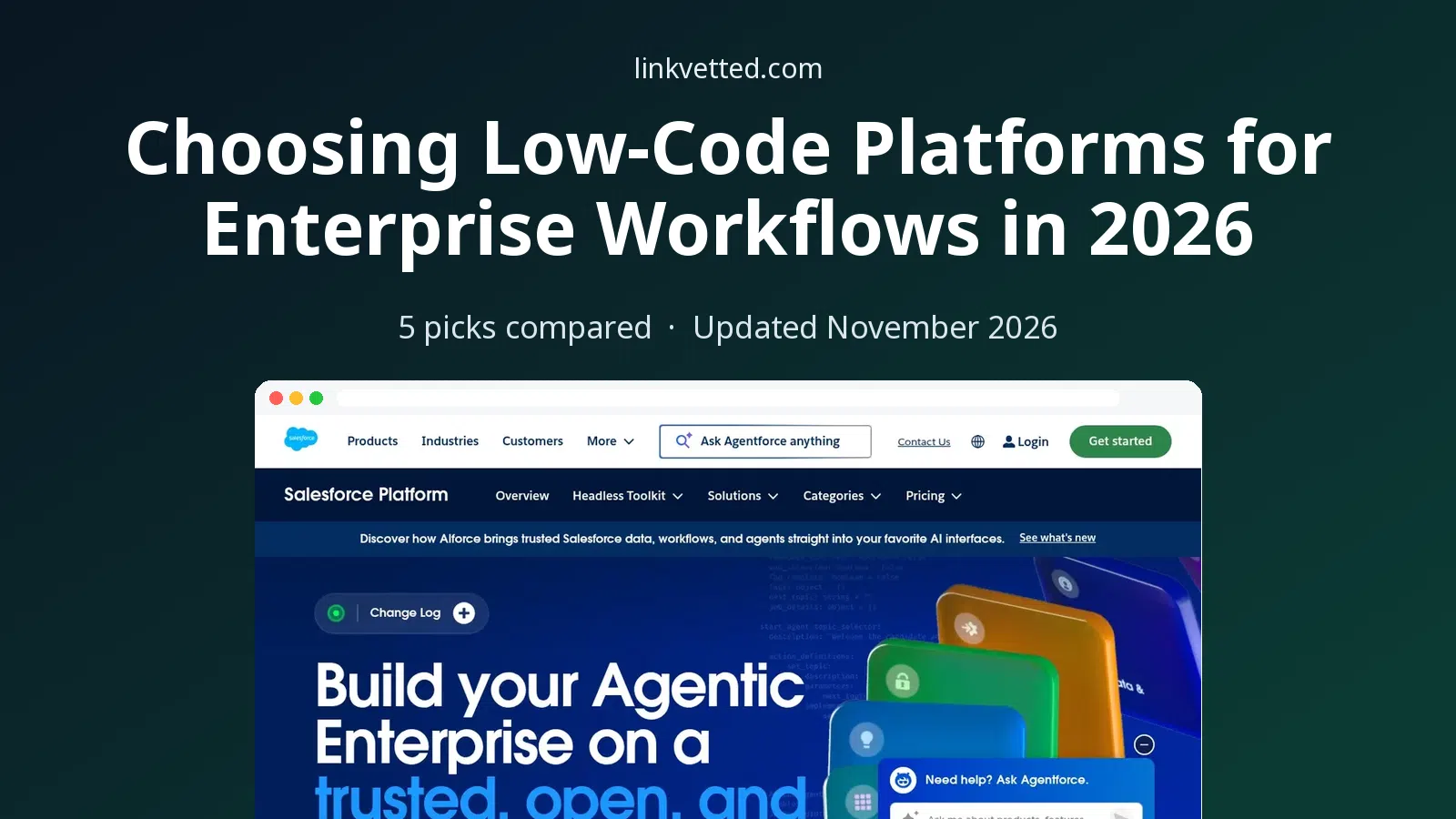
 Salesforce Platform
Metadata-driven enterprise app development
Starts atPricing on requestVisit salesforce.comFull review
Direct answer
Start with Pega Platform if you need workflow automation and legacy modernization. Alternatives: Mendix for governed workflows for hybrid workforces, and Salesforce Platform for metadata-driven enterprise app development. The other 2 tools in the list cover narrower or pricier cases. None of these vendors publish plan prices, so pricing is on request for every option.
TL;DR:
- Number one here is Pega Platform, a fit for workflow automation and legacy modernization.
- Nintex suits process management and workflow automation.
- Pega Platform, Nintex and the 3 others all sell by quote; expect sales conversations before you see a price.
- Just one of the 5 tools, Microsoft Power Apps, has a free plan.
- A fair warning about Microsoft Power Apps: best value relies on Microsoft stack alignment.
Last checked November 2026. Pricing on request: vendors did not publish plan prices when this guide was last checked (November 2026), so ask each vendor for a written quote.
Quick comparison
| Tool | Best for | Starts at | Free plan? | |
|---|---|---|---|---|
| Pega Platform | Workflow automation and legacy modernization | Pricing on request | Not stated | Visit |
| Mendix | Governed workflows for hybrid workforces | Pricing on request | Not stated | Visit |
| Salesforce Platform | Metadata-driven enterprise app development | Pricing on request | Not stated | Visit |
 Microsoft Power Apps | Teams inside the Microsoft ecosystem | Pricing on request | Yes | Visit |
 Nintex | Process management and workflow automation | Pricing on request | Free trial | Visit |
Our 5 Low-Code platforms for enterprise workflows
LinkVetted compared 5 Low-Code platforms for enterprise workflows. The goal is a practical shortlist: published prices, free plan facts, best-fit use cases and honest limits for every entry.
Pega Platform makes the most sense for workflow automation and legacy modernization. Pega Platform is presented as an AI-powered system for enterprise transformation, used to reimagine work by automating workflows, personalizing customer experiences and modernizing legacy systems. On top of that, organizations seeking a narrow workflow tool may find it oversized.
On top of that, Pega is a substantial product, and realizing its value usually needs skilled administrators and a clear transformation roadmap. For everyday use, teams with legacy systems to modernize commonly evaluate it for that reason. Pega Platform does not show a starting price in this comparison, so check the vendor site for current pricing. Free options: Not stated.
Downsides: Can be more than straightforward workflows need.
- Personalized customer experience workflows
- AI-powered automation focus
- Wide system needs skilled administrators
Mendix is built with governed workflows for hybrid workforces in mind. Since Mendix spans workflows, agents and applications, teams need clear ownership and modeling discipline to avoid sprawl.
Where Mendix stands out: agents and applications.
The main drawbacks: Modeling discipline is required. It suits organizations that want a structured, model-driven approach to enterprise application delivery. Pricing for Mendix is not stated here, so ask the vendor for current figures. Free options: Not stated.
- Puts AI inside governed processes
- Modernizes existing systems
- Product breadth needs clear ownership
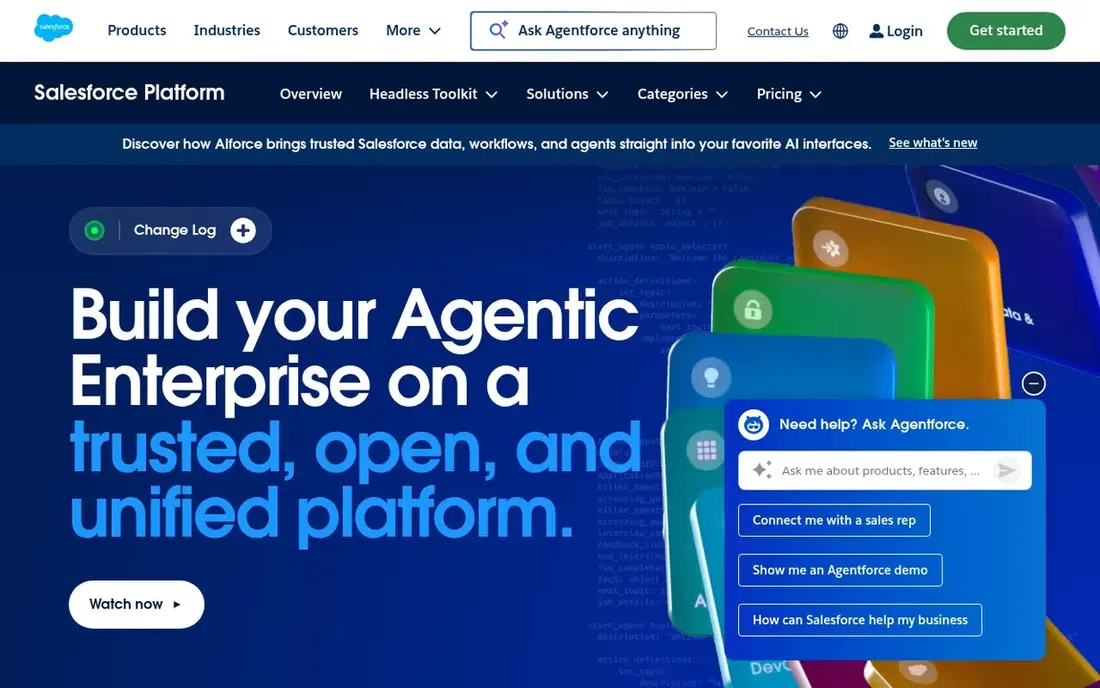
Where Salesforce Platform fits: metadata-driven enterprise app development. Look elsewhere if you want a light workflow tool instead of a full enterprise system. Salesforce Platform is positioned as the foundation for the agentic enterprise, combining metadata, governance, MuleSoft and Data Cloud.
Trade-offs to know: Deepest value tied to Salesforce ecosystem.
The platform is wide, and getting full value generally means committing to the Salesforce way of working and its integration stack. Teams already using Salesforce products can extend that foundation into custom enterprise workflows. No starting price is listed for Salesforce Platform here; confirm pricing on the vendor site. Trial and free access: Not stated.
- Governance and data cloud capabilities
- Integration through MuleSoft
- Wide system can need specialist skills
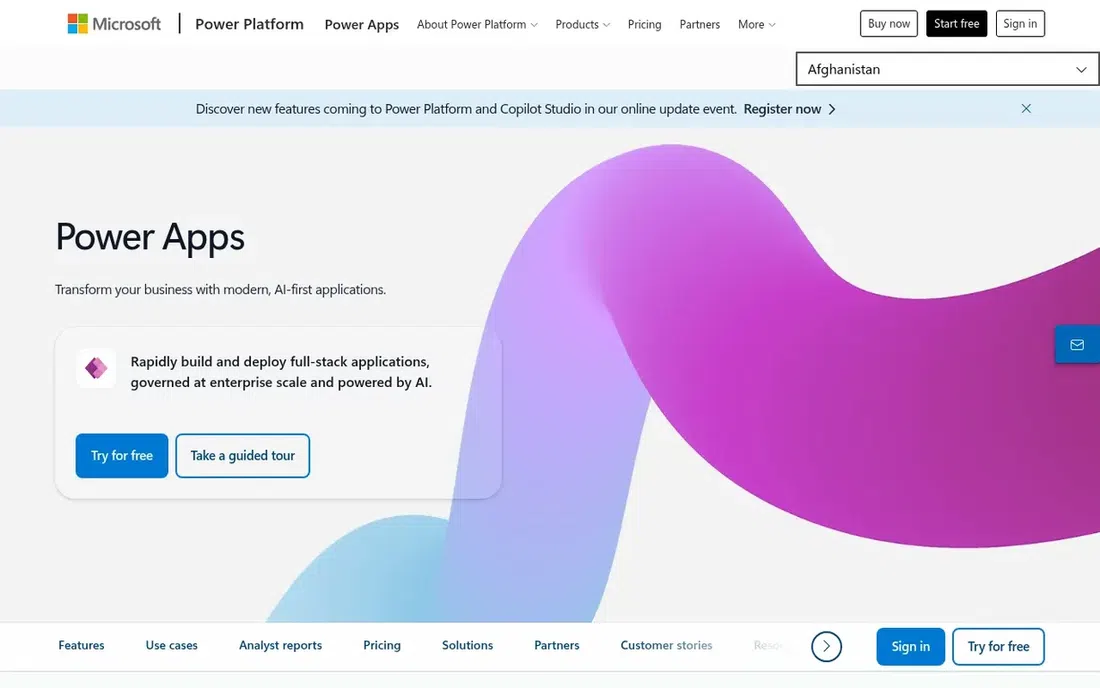
Microsoft Power Apps is aimed squarely at teams inside the Microsoft ecosystem. Microsoft Power Apps is a low-code app builder for creating custom business apps that simplify processes and boost productivity across an organization.
In daily use, business users and IT can work together on apps that link to data and workflows they already depend on. For everyday use, the system is most comfortable when your organization is already invested in the Microsoft ecosystem. Pricing for Microsoft Power Apps is not stated here, so ask the vendor for current figures. Microsoft Power Apps has a free plan.
Drawbacks to consider: Best value relies on Microsoft stack alignment.
- Targeted at organizational productivity
- Suits existing Microsoft business processes
- Complicated workflows may need additional services
Where Nintex fits: process management and workflow automation. Integration planning still matters for complex environments.
Points against: Complicated integrations need planning.
Nintex is workflow-centric, so organizations needing deep custom application development across numerous domains may want a broader system. Nintex shows no starting price here, so confirm the cost on the vendor site. Free access: Free trial.
- Custom app development for workflows
- Capable workflow automation focus
- Less suited to wide custom app portfolios
How we compared the tools
The comparison looks at four things: starting price, free access, how well the feature set matches Low-Code platforms for enterprise workflows, and the main limit of each tool. Prices and plan limits come from vendor pages and can change, so confirm them on the vendor site before you buy. We ordered the tools by general fit, then by how clearly pricing is shown, then by free access. A buyer with unusual needs may reorder them.
Pre-purchase checklist
- Request quotes from Pega Platform, Nintex and the others; the list shows no fixed prices.
- Look at the free plan from Microsoft Power Apps closely: its caps decide whether it is usable for real work.
- Take the trial from Nintex and push a live task through it before you pay.
- Read the limits listed for Pega Platform first: wide system needs skilled administrators.
- Run a one or two week pilot of Mendix with the people who will use it every day.
- Look at the renewal terms for Nintex: auto-renewal, notice periods and price changes can matter more than the first-year price.
FAQ
Do these tools publish their prices?
No. None of the tools, from Pega Platform to Nintex, shows a fixed starting price here, so budget time for quotes.
Can I try these tools before paying?
Often, yes. Microsoft Power Apps has a free plan and Nintex offers a free trial. Use your own data and a real task during the test, and check what the free tier or trial limits before you rely on it.
Is Pega Platform the right pick for everyone comparing Low-Code platforms for enterprise workflows?
No single tool suits every team. Pega Platform comes first because it fits workflow automation and legacy modernization, while Mendix suits governed workflows for hybrid workforces and Salesforce Platform suits metadata-driven enterprise app development. Match the tool to your own size, budget and workflow before deciding.
How are the tools for Low-Code platforms for enterprise workflows ordered?
The order follows typical fit for Low-Code platforms for enterprise workflows, with Pega Platform first and Nintex last, then price clarity and free access. It is editorial judgement, not a score, so another team could rank the tools differently.
Sources
- https://www.pega.com
- https://www.mendix.com
- https://www.salesforce.com/platform
- https://powerapps.microsoft.com
- https://www.nintex.com