Best Generative AI Tools for Research (2026): 6 Picks Checked on Vendor Pages
Best generative AI tools for research in 2026: 6 contenders with entry costs and free tiers. Every pick includes one clear drawback. Quick comparison inside.
- Editor's choice
 Consensus
Peer-reviewed literature search
Starts atSee websiteVisit consensus.appFull review - Great alternative
 Gemini
General AI assistance across tasks
Starts atSee websiteVisit gemini.google.comFull review - Also consider
 Elicit
Evidence synthesis and experiment design
Starts at$11 per user a monthVisit elicit.comFull review
Direct answer
Our first pick is Consensus, best for peer-reviewed literature search. Listed starting prices: Elicit from $11 per user a month and Scite from $12 a month. Look at Gemini for general AI assistance across tasks, and at Elicit for evidence synthesis and experiment design. Prices, free plans and limits for all 6 tools follow.
TL;DR:
- Consensus is the opening pick, best for peer-reviewed literature search.
- The main caution on ChatGPT: not specialized for scholarly search.
- For the cheapest start, look at Elicit: $11 per user per month.
- Just one of the 6 tools, ChatGPT, has a free plan.
Last checked November 2026. Prices and plan details were read from the vendors' own pages in November 2026; vendors change plans often, so confirm the current price on the vendor site before you buy.
Quick comparison
| Tool | Best for | Starts at | Free plan? | |
|---|---|---|---|---|
| Consensus | Peer-reviewed literature search | See website | Not stated | Visit |
| Gemini | General AI assistance across tasks | See website | Not stated | Visit |
| Elicit | Evidence synthesis and experiment design | $11 per user a month | Free trial | Visit |
 ChatGPT | General research assistance and drafting | See website | Yes | Visit |
 Scite | Citation context and claim support | $12 a month | Free trial | Visit |
 NotebookLM | Source-grounded summarization and notes | See website | Not stated | Visit |
Tool-by-tool breakdown
LinkVetted put together this guide to generative AI tools for research for readers who want a clear shortlist without reading every vendor page. It compares 6 tools on starting price, free plans, who each one suits and where each one falls short.
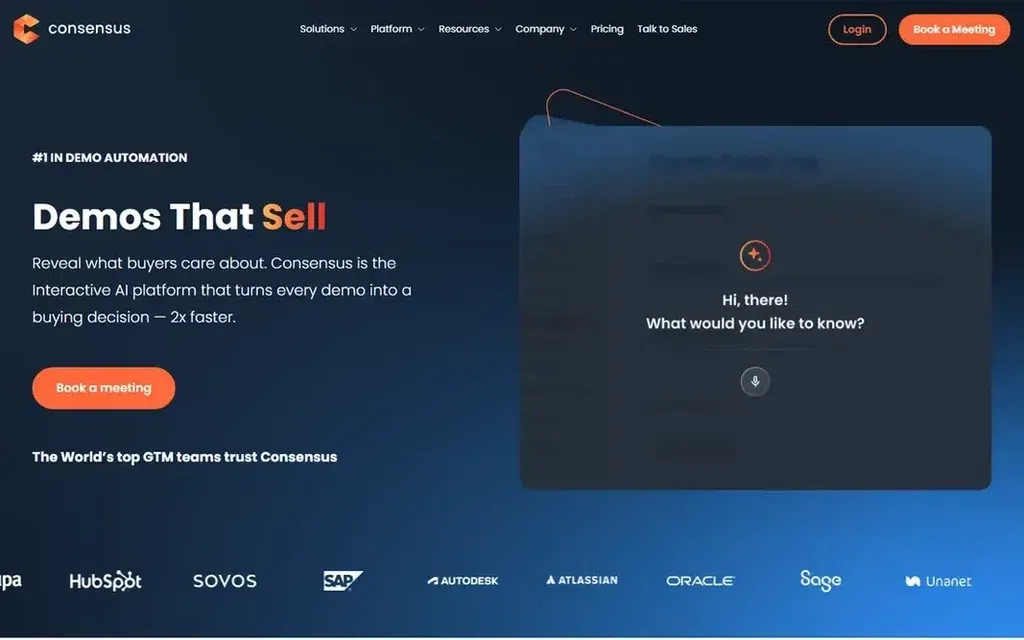
Choose Consensus for peer-reviewed literature search. It fits students, academics, and analysts who want to start from published evidence instead of general web content.
In daily use, choose Consensus when peer-reviewed evidence is the priority. Consensus does not show a starting price in this comparison, so check the vendor site for current pricing. Free options: Not stated.
What to check first: Not a general drafting assistant.
- AI academic search engine
- Helps organize and analyze findings
- Centered on published literature
Gemini makes the most sense for general AI assistance across tasks. In a research context it can help with early brainstorming, rewriting, and fast explanations.
For everyday use, choose Gemini for general assistance, and depend on specialized tools when evidence synthesis or citation context is the priority. Worth adding: claims and references should be checked against primary literature. This comparison lists no price for Gemini; ask the vendor. Trial and free access: Not stated.
The main drawbacks: Not a specialized research database.
- General-purpose AI assistant
- Handy for drafting and explanation
- Needs verification of claims
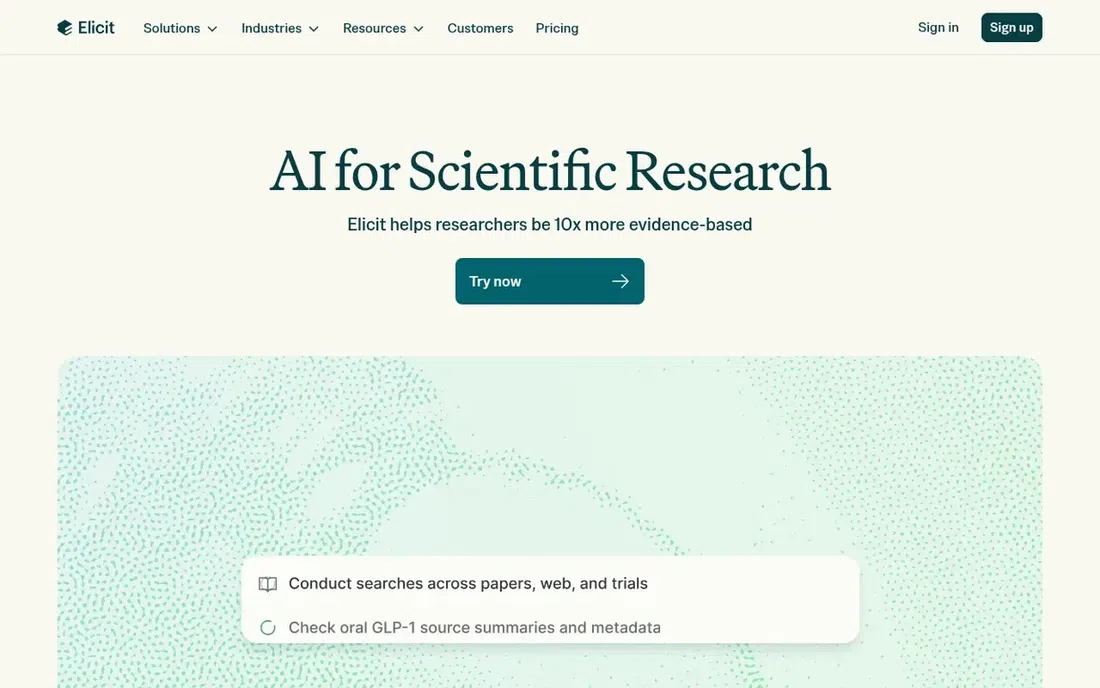
Elicit was built for evidence synthesis and experiment design. Elicit is an AI research assistant aimed at evidence synthesis, landscape understanding, and decision support. Researchers who require to move from wide questions to structured evidence summaries will find it suits well, particularly in applied research and program planning.
What to check first: A good match for structured research tasks.
Elicit is oriented toward structured research workflows instead of open-ended conversation. If your primary need is casual drafting or general chat, a general assistant may be more straightforward. Elicit cost at the entry level: $11 per user per month. Free access: Free trial.
- Helps draft proposals and weigh tradeoffs
- Supports program and experiment design
- General chat needs may need another tool
ChatGPT works best for general research assistance and drafting. It suits users who want an adaptable assistant alongside specialized literature tools.
For everyday use, ChatGPT is not a dedicated scholarly search engine, so literature discovery and citation context are better handled elsewhere. Check the vendor site for ChatGPT pricing; none is listed in this comparison. A free plan is available with ChatGPT.
Drawbacks to consider: Outputs need verification against sources.
- Creates images and code
- Deals with varied work in one place
- Not specialized for scholarly search
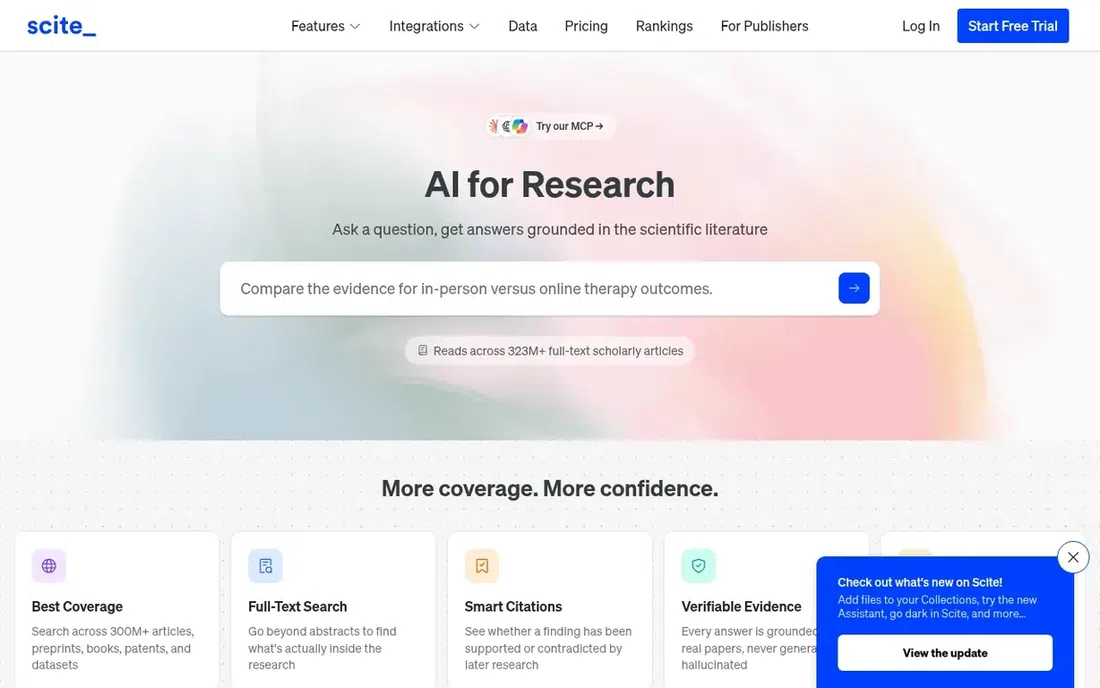
In short, Scite is for citation context and claim support. Scite searches a large scholarly corpus to provide citation-backed answers and display how each claim is supported or disputed. This makes it handy for researchers who require to judge the strength of evidence behind a statement.
If your task is drafting or brainstorming, another tool may be more direct. Scite is specialized in citation analysis and is not a general writing assistant. Scite cost at the entry level: $12 per month. As for free access: Free trial.
What to check first: May need pairing with a writing tool.
- Includes a large scholarly corpus
- Citation-backed answers
- Concentrated on citation analysis
NotebookLM is a good fit for source-grounded summarization and notes. Worth adding: pick NotebookLM when source-grounded summarization and notes are the core need.
If you have to search a wide scholarly corpus, another tool is more appropriate. NotebookLM works from the sources you add, so it is not a discovery engine for new literature. Check the vendor site for NotebookLM pricing; none is listed in this comparison. Free plan details: Not stated.
Watch-outs: Not a literature discovery engine.
- Summarizes sources you offer
- Grounds answers in trusted information
- Limited to the sources you add
How we chose
LinkVetted looked at what each vendor publishes: pricing, plan limits, feature coverage for generative AI tools for research and stated drawbacks. No hands-on testing is claimed. Where a price is missing, the vendor does not list one publicly or ties it to a quote. Always confirm before budgeting. The order reflects how well each tool fits the most common buying scenario for generative AI tools for research, then price clarity, then free plan access. It is a starting point, not a verdict.
What to check before you buy
- Confirm the entry price on the vendor page. For Consensus, Gemini, ChatGPT and NotebookLM that means a quote rather than a fixed price.
- Test the free plan from ChatGPT against your real workload before relying on it.
- Use real work to test the free trial from Elicit and Scite, rather than a demo project.
- Before choosing Consensus, weigh its main limit: centered on published literature.
- Look at which plan of ChatGPT unlocks the features you need; entry tiers are often cut down.
- Ask the daily users to test Gemini on a live task before you roll it out to everyone.
FAQ
Which tool is a good match for a literature review?
This list starts with Consensus, which fits peer-reviewed literature search. For other needs, Gemini is aimed at general AI assistance across tasks, and Elicit at evidence synthesis and experiment design. Check each tool's price and main limit first.
What is the cheapest option for generative AI tools for research in this list?
On published monthly entry prices, Elicit is the lowest here at $11 per user per month. Entry price is only part of the cost, because seats, add-ons and billing terms can change the total. All 6 picks in this Generative AI tools for research comparison list a starting price, free plan details and the main limits on their cards above.
Which options for generative AI tools for research have a free plan?
ChatGPT is the only tool in this list with a free plan. Free plans usually cap users, projects or features, so check the limits on the vendor page. Several others offer a trial instead.
Is Consensus the right pick for everyone comparing generative AI tools for research?
No single tool suits every team. Consensus comes first because it fits peer-reviewed literature search, while Gemini suits general AI assistance across tasks and Elicit suits evidence synthesis and experiment design. Match the tool to your own size, budget and workflow before deciding.
Can I try these tools before paying?
Often, yes. ChatGPT has a free plan and Elicit and Scite offer a free trial. Use your own data and a real task during the test, and check what the free tier or trial limits before you rely on it.
Sources
- https://consensus.app
- https://gemini.google.com
- https://elicit.com
- https://chatgpt.com
- https://scite.ai
- https://notebooklm.google.com