Best Database to Use for 2026: Our 6 Vetted Picks
Comparing the best database to use? 6 contenders, each with entry cost, free tier and best-fit buyer. Plus the drawbacks of each tool. Reviewed this month.
- Editor's choice
 Redis
Live data for agents and apps
Starts at$5 a monthVisit redis.ioFull review - Great alternative
 Google Cloud SQL
Completely managed relational databases
Starts atSee websiteVisit cloud.google.comFull review - Also consider
 Microsoft SQL Server
Enterprise analytics and AI integration
Starts atSee websiteVisit microsoft.comFull review
Direct answer
Redis leads the list, best for live data for agents and apps. Listed starting prices: Redis from $5 a month. Look at Google Cloud SQL for completely managed relational databases, and at Microsoft SQL Server for enterprise analytics and AI integration. Details, prices and limits for the rest of the 6 tools are below.
TL;DR:
- The list opens with Redis, aimed at live data for agents and apps.
- 2 of 6 tools offer a free plan: Redis, MongoDB.
- MongoDB suits flexible, live data products.
- A fair warning about PostgreSQL: needs tuning for performance.
Last checked November 2026. Prices and plan details were read from the vendors' own pages in November 2026; vendors change plans often, so confirm the current price on the vendor site before you buy.
Quick comparison
| Tool | Best for | Starts at | Free plan? | |
|---|---|---|---|---|
| Redis | Live data for agents and apps | $5 a month | Yes | Visit |
| Google Cloud SQL | Completely managed relational databases | See website | Not stated | Visit |
| Microsoft SQL Server | Enterprise analytics and AI integration | See website | Not stated | Visit |
 PostgreSQL | Open-source advanced relational database | See website | Not stated | Visit |
 MySQL | Widely used open-source relational database | See website | Not stated | Visit |
 MongoDB | Adaptable, live data products | See website | Yes | Visit |
Tool-by-tool breakdown
If you are comparing database to use, this page covers 6 tools in one place: what each is best for, what it costs to start, whether it has a free plan, and the main limit to know about.
Redis is aimed squarely at live data for agents and apps. It supplies live data for agents and apps, unlocking full potential with Redis Enterprise for blazing quick applications. On top of that, Redis keeps data primarily in memory, which can be expensive for large datasets and may need persistence strategies.
Watch-outs: Persistence can be complicated.
It is not a replacement for traditional relational databases. For primary data storage, consider PostgreSQL or MongoDB. Entry price for Redis: $5 per month. You can start on Redis without paying.
- Live data processing
- Blazing quick performance
- In-memory storage limits dataset size
Google Cloud SQL was built for completely managed relational databases. Google Cloud SQL is a completely managed relational database service for MySQL, PostgreSQL, and SQL Server. It is a strong match for organizations already using Google Cloud and seeking managed database options.
Drawbacks to consider: Restricted to Google Cloud.
For more control, consider self-hosted PostgreSQL or MySQL. Cloud SQL is limited to Google Cloud product, which may not suit multi-cloud or on-premises strategies. Pricing for Google Cloud SQL is not stated here, so ask the vendor for current figures. On free options: Not stated.
- Supports MySQL, PostgreSQL
- SQL Server
- Less control over configuration
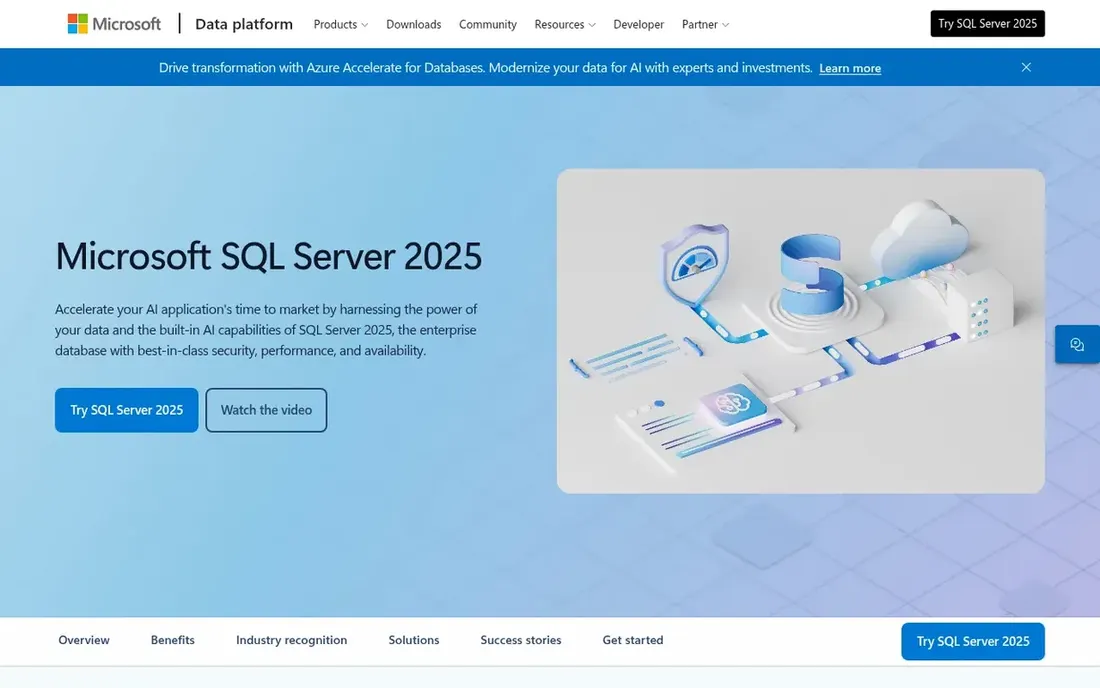
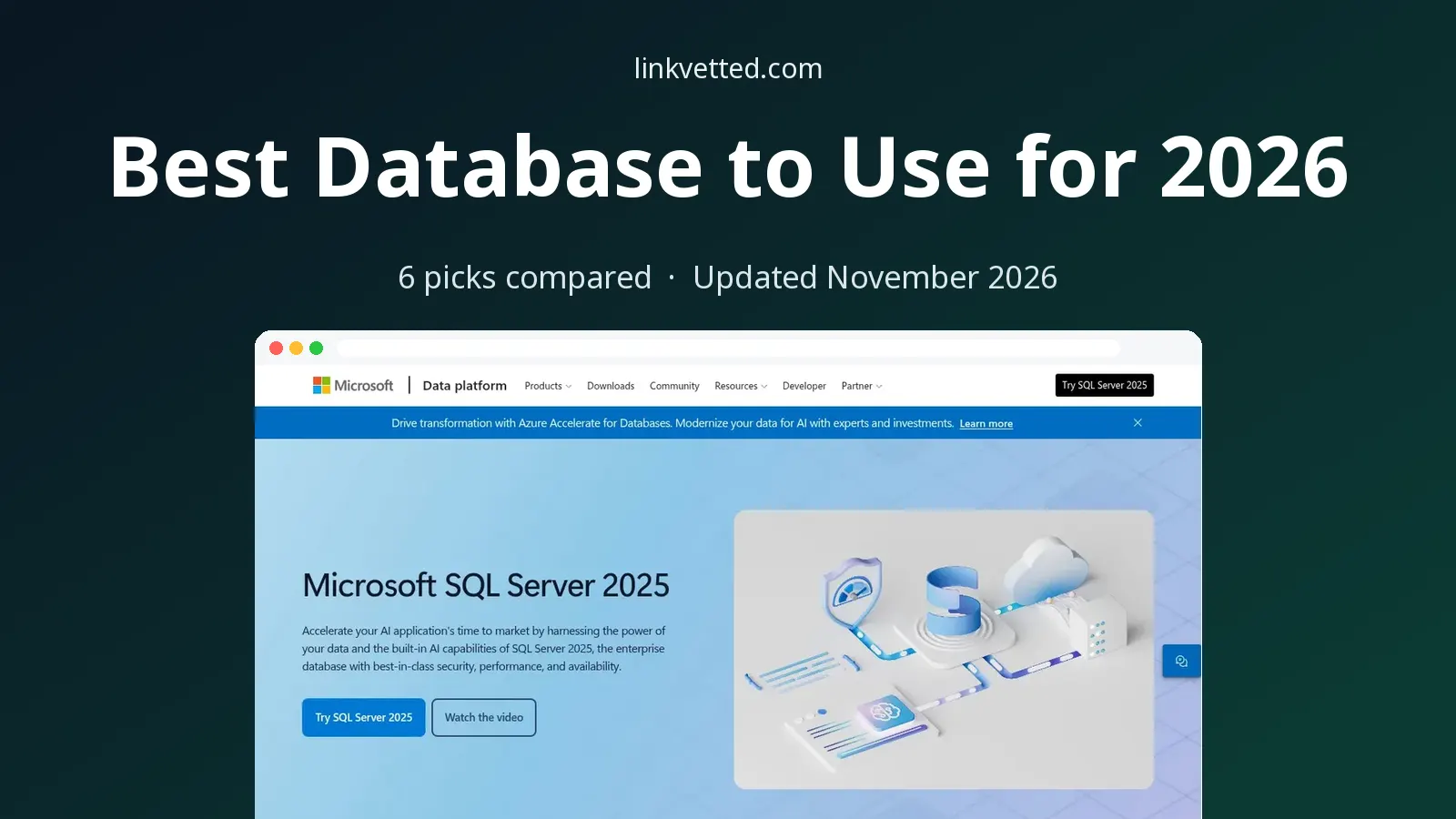
Microsoft SQL Server is designed for enterprise analytics and AI integration. For open-source alternatives, consider PostgreSQL or MySQL.
What to check first: Primarily for Windows environments.
It provides developer-first features and integration with analytics and AI models, making it a good match for organizations looking to accelerate AI innovation using existing data. Licensing can be complicated and expensive. Microsoft SQL Server shows no starting price here, so confirm the cost on the vendor site. As for free access: Not stated.
- Developer-first features
- Integration with analytics and AI models
- Complicated licensing
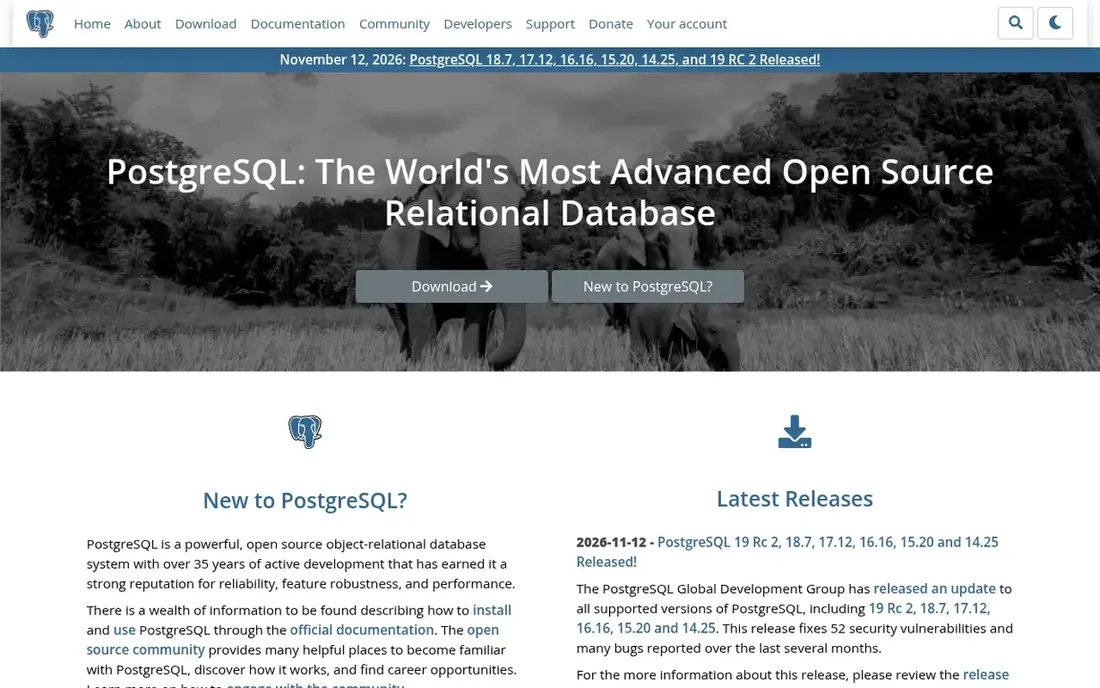
PostgreSQL is a good fit for open-source advanced relational database. PostgreSQL is an advanced open-source relational database known for its reliability and feature richness. It supports many different data types and extensions, making it suitable for diverse applications from small projects to large-scale systems.
Its active community and extensibility make it a widely used choice for developers. For completely managed options, consider Google Cloud SQL. Commercial support choices are restricted compared with proprietary databases. More specifically, PostgreSQL may need more manual tuning and administration compared with managed services. No starting price is listed for PostgreSQL here; confirm pricing on the vendor site. As for free access: Not stated.
Limits to weigh: Less commercial support.
- Advanced open-source features
- Extensible
- Needs tuning for performance
MySQL works best for widely used open-source relational database. MySQL is a widely used open-source relational database management system known for its simplicity and performance. It is a typical choice for web applications and is supported by a large community.
Watch-outs: Restricted advanced features.
Its simplicity makes it accessible for developers building small to medium-sized projects. MySQL lacks some advanced features found in PostgreSQL, for example full-text search and extensibility. This comparison lists no price for MySQL; ask the vendor. Free options: Not stated.
- Large community
- Decent performance
- Less extensible than PostgreSQL
MongoDB is built with adaptable, live data products in mind. It gives you adaptable, live data that scales across any cloud, enabling quicker time to market.
The main drawbacks: Not a strong match for complicated transactions.
Also, MongoDB may not be the best choice for applications requiring complex multi-document transactions or strict relational integrity. MongoDB does not show a starting price in this comparison, so check the vendor site for current pricing. A free plan is available with MongoDB.
- Live data processing
- Adaptable schema
- Can need more storage
How these tools were picked
For each of the 6 tools we noted price, free plan or trial, fit for database to use and the main limit, using vendor pages and documentation. Seat minimums, billing terms and add-ons can move the real cost, so the starting prices here are a guide and not a quote. The sequence is a judgement call: typical use case first, then pricing transparency, then free access. Use the profiles to check fit.
Things to verify first
- Ask Google Cloud SQL, Microsoft SQL Server, PostgreSQL and others for a written quote, since no starting price is shown.
- Read the fine print on the free plans from Redis and MongoDB; seat, project and feature caps differ.
- Read the limits listed for Redis first: in-memory storage limits dataset size.
- Ask PostgreSQL about contract length, onboarding fees and user minimums before you sign.
- Before rolling out Microsoft SQL Server, verify the integrations your workflow depends on.
FAQ
Do these tools publish their prices?
Not all of them. Google Cloud SQL, Microsoft SQL Server, PostgreSQL and others publish no starting price, so expect a quote request for those. The rest, Redis included, show a starting price, though seats and billing terms still change the final cost.
How are the tools for database to use ordered?
The order follows typical fit for database to use, with Redis first and MongoDB last, then price clarity and free access. It is editorial judgement, not a score, so another team could rank the tools differently.
Which options for database to use have a free plan?
Redis and MongoDB offer a free plan in this list. Free plans usually cap users, projects or features, so check the limits on the vendor page.
Is Redis the right pick for everyone comparing database to use?
No single tool suits every team. Redis comes first because it fits real-time data for agents and apps, while Google Cloud SQL suits fully managed relational databases and Microsoft SQL Server suits enterprise analytics and AI integration. Match the tool to your own size, budget and workflow before deciding.
What is the best database for beginners?
This list starts with Redis, which fits live data for agents and apps. For other needs, Google Cloud SQL is aimed at completely managed relational databases, and Microsoft SQL Server at enterprise analytics and AI integration. Check each tool's price and main limit first.
Sources
- https://redis.io
- https://cloud.google.com/sql
- https://www.microsoft.com/en-us/sql-server
- https://www.postgresql.org
- https://www.mysql.com
- https://www.mongodb.com