Container Management Software for Startups in 2026: The 5 Best Options Side by Side
Best container management software for startups: 5 tools compared on price, free plans and fit. Trade-offs are spelled out for each entry. Reviewed this month.
- Editor's choice
 Rancher
Multi-cluster Kubernetes management
Starts atPricing on requestVisit rancher.comFull review - Great alternative
 Kubernetes
Open source container orchestration
Starts atPricing on requestVisit kubernetes.ioFull review - Also consider
 Google Kubernetes Engine
Completely managed Kubernetes on Google Cloud
Starts atPricing on requestVisit cloud.google.comFull review
Direct answer
Our first pick is Rancher, best for multi-cluster Kubernetes management. Look at Kubernetes for open source container orchestration, and at Google Kubernetes Engine for completely managed Kubernetes on Google Cloud. The full list of 5 tools follows, with free plan facts. None of these vendors publish plan prices, so pricing is on request for every option.
TL;DR:
- Number one here is Rancher, a fit for multi-cluster Kubernetes management.
- Pricing across the list, from Rancher to Amazon Elastic Kubernetes Service, is by quote only.
- Amazon Elastic Kubernetes Service fits managed Kubernetes on AWS.
- A permanent free plan is missing from all 5 tools, Rancher and Amazon Elastic Kubernetes Service included; plan for a trial or a premium start.
- Before buying Kubernetes, weigh this: complicated to set up and run.
Last checked November 2026. Pricing on request: vendors did not publish plan prices when this guide was last checked (November 2026), so ask each vendor for a written quote.
Quick comparison
| Tool | Best for | Starts at | Free plan? | |
|---|---|---|---|---|
| Rancher | Multi-cluster Kubernetes management | Pricing on request | Not stated | Visit |
| Kubernetes | Open source container orchestration | Pricing on request | Not stated | Visit |
| Google Kubernetes Engine | Completely managed Kubernetes on Google Cloud | Pricing on request | Not stated | Visit |
| Docker Desktop | Local container development | Pricing on request | Not stated | Visit |
| Amazon Elastic Kubernetes Service | Managed Kubernetes on AWS | Pricing on request | Not stated | Visit |
The 5 tools in detail
If you are comparing container management software for startups, this page covers 5 tools in one place: what each is best for, what it costs to start, whether it has a free plan, and the main limit to know about.
In short, Rancher is for multi-cluster Kubernetes management. Rancher is an open-source multi-cluster orchestration product that lets operations teams deploy, handle, and secure enterprise Kubernetes.
Downsides: Needs Kubernetes knowledge.
It supplies a central interface for managing clusters across environments. If you are just starting with a single cluster, a managed service might be more straightforward. No starting price is listed for Rancher here; confirm pricing on the vendor site. As for free access: Not stated.
- Eases Kubernetes operations
- Open-source and enterprise choices
- Brings a layer of complexity
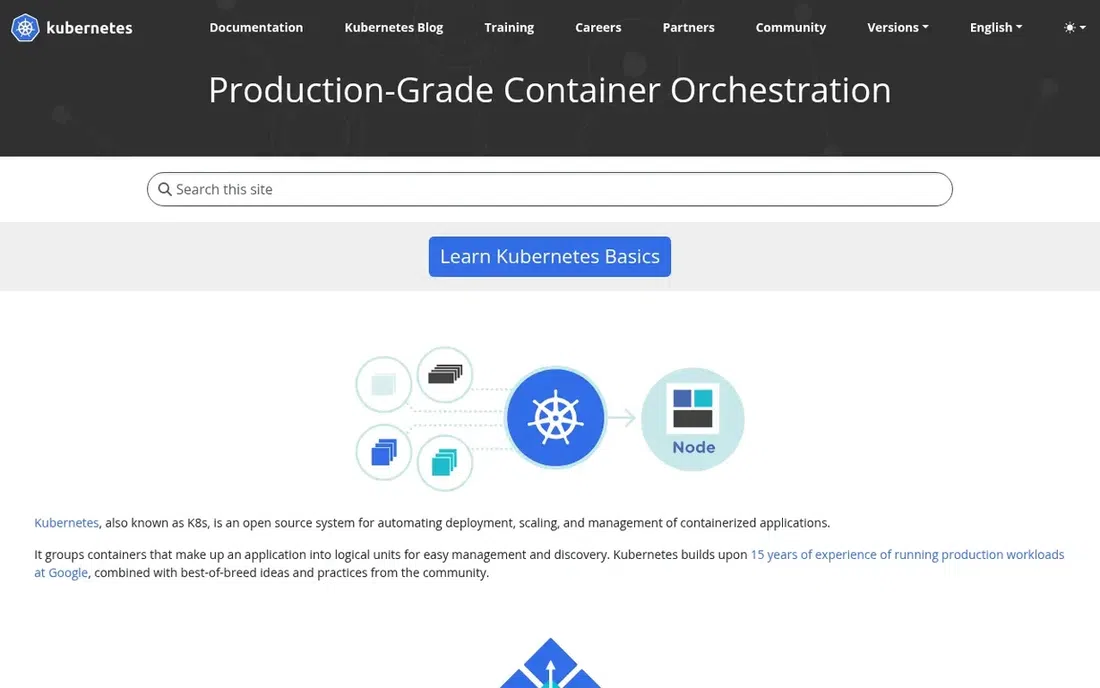
For open source container orchestration, Kubernetes is a natural candidate. Startups that require a solid, portable orchestration system frequently choose Kubernetes to avoid vendor lock-in.
Points against: Needs significant operational expertise.
It is well suited to teams with the technical skills to handle their own clusters. Beyond that, Kubernetes has a steep ramp-up time and demands continuing operational effort. Check the vendor site for Kubernetes pricing; none is listed in this comparison. Trial and free access: Not stated.
- Portable across environments
- Large open source community
- Complex to set up and run
Google Kubernetes Engine
Best for: Completely managed Kubernetes on Google Cloud
Google Kubernetes Engine is a good fit for completely managed Kubernetes on Google Cloud. Google Kubernetes Engine (GKE) is a completely managed Kubernetes service with full Kubernetes API, autoscaling, release channels, and multi-cluster support. It abstracts away cluster management, letting startups deploy applications rapidly.
Drawbacks to consider: Most useful for Google Cloud users.
Whereas it eases management, understanding Google Cloud's ecosystem is beneficial. As for the details, GKE is well suited to teams on Google Cloud or those seeking a hands-off Kubernetes experience with solid automation features. Check the vendor site for Google Kubernetes Engine pricing; none is listed in this comparison. Free access: Not stated.
- Completely managed control plane
- Autoscaling and release channels
- May need learning Google Cloud specifics
Docker Desktop
Best for: Local container development
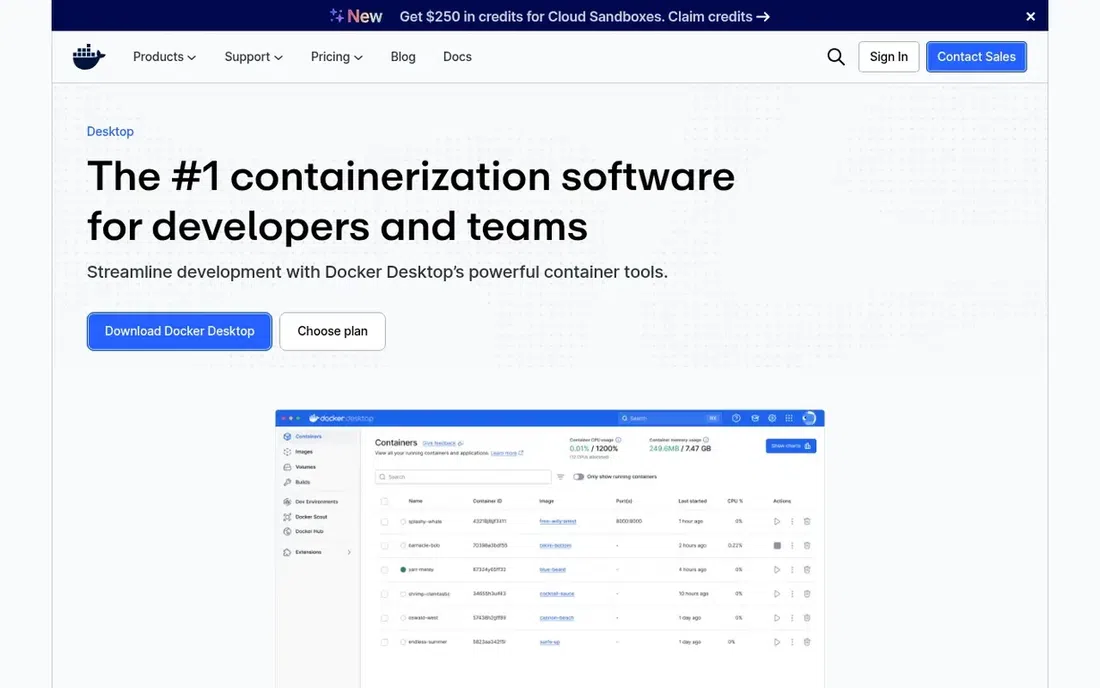
Docker Desktop makes the most sense for local container development. Choose Docker Desktop for development convenience, but look elsewhere for production cluster management. Startups planning to deploy containers in production will need a separate orchestration tool like Kubernetes or a managed service.
It gives you an approachable interface for building, sharing, and running containers locally. That said, Docker Desktop is not aimed at production orchestration at scale. Pricing for Docker Desktop is not stated here, so ask the vendor for current figures. As for free access: Not stated.
Where it falls short: Primarily for local development, not production orchestration.
- Simplifies building and sharing containers
- Simple to install on Mac, Windows, Linux
- May need extra tools for scaling
Amazon Elastic Kubernetes Service
Best for: Managed Kubernetes on AWS
Amazon Elastic Kubernetes Service is aimed squarely at managed Kubernetes on AWS. Amazon Elastic Kubernetes Service (EKS) is a managed service and certified Kubernetes conformant to run Kubernetes on AWS and on-premises. It manages the control plane, allowing startups to focus on applications instead of cluster infrastructure.
Beyond that, EKS is closely tied to the AWS ecosystem, which may not suit startups using other cloud providers. As for the details, EKS is a solid fit for teams already using AWS or those who want a managed Kubernetes experience with AWS integration. As for the details, consider EKS if you are committed to AWS; otherwise, explore other managed Kubernetes options. Amazon Elastic Kubernetes Service does not show a starting price in this comparison, so check the vendor site for current pricing. As for free access: Not stated.
Limits to weigh: Tied to AWS ecosystem.
- Cuts cluster management overhead
- Certified Kubernetes conformant
- Can involve extra AWS costs
Selection criteria
Questions to settle before buying
- Request quotes from Rancher, Amazon Elastic Kubernetes Service and the others; the list shows no fixed prices.
- Read the limits listed for Rancher first: layers on a layer of complexity.
- Check whether the features you need in Rancher sit on the entry plan or only on higher tiers.
- Compare total cost, not headline price: for Amazon Elastic Kubernetes Service, add extra seats, add-ons and any usage-based charges.
- Ask Google Kubernetes Engine which support channels and response times come with the plan you would buy.
FAQ
Do these tools publish their prices?
No. None of the tools, from Rancher to Amazon Elastic Kubernetes Service, shows a fixed starting price here, so budget time for quotes.
Does any tool for container management software for startups here have a free plan?
A permanent free plan is not offered by Rancher, Amazon Elastic Kubernetes Service or the other tools here. Plan a short evaluation period instead.
Should a startup use Kubernetes or a managed service?
It relies on your team's expertise and resources. Managed services like Amazon EKS, Google GKE, or Azure AKS cut management overhead, making them a strong match for startups with restricted DevOps capacity.
How does Rancher help with multi-cluster management?
Rancher supplies a central product to deploy, run, and secure several Kubernetes clusters across environments. Startups expecting to scale across clusters may find Rancher valuable.
How are the tools for container management software for startups ordered?
The order follows typical fit for container management software for startups, with Rancher first and Amazon Elastic Kubernetes Service last, then price clarity and free access. It is editorial judgement, not a score, so another team could rank the tools differently.
Can I try these tools before paying?
Not by default. None of the tools, from Rancher to Amazon Elastic Kubernetes Service, lists a free plan or a free trial here, so ask each vendor for a demo before committing.
Sources
- https://www.rancher.com
- https://kubernetes.io
- https://cloud.google.com/kubernetes-engine
- https://www.docker.com/products/docker-desktop
- https://aws.amazon.com/eks