Container Networking Software for Startups in 2026: The 6 Best Options Side by Side
6 products for the best container networking software for startups, ranked by fit, with starting costs and free tiers. Limits and pricing notes included.
- Editor's choiceIstio
Service mesh for observability and security
Starts atSee websiteVisit istio.ioFull review - Great alternativeCalico
High-performance Kubernetes networking and policy
Starts atSee websiteVisit tigera.ioFull review - Also considerCilium
EBPF-based networking and observability
Starts atSee websiteVisit cilium.ioFull review
Direct answer
This list puts Istio first for service mesh for observability and security. Listed starting prices: Docker from $9 per user per month. Alternatives: Calico for high-performance Kubernetes networking and policy, and Cilium for eBPF-based networking and observability. The remaining 3 options are covered below with prices and limits.
TL;DR:
- Istio sits first on this list: service mesh for observability and security.
- The lowest published monthly entry price here is $9 per user per month, from Docker.
- What to know about Istio first: layers on complexity to Kubernetes environments.
- NGINX Ingress Controller suits production-ready Kubernetes ingress.
- Just one of the 6 tools, Docker, has a free plan.
Last checked November 2026. Prices and plan details were read from the vendors' own pages in November 2026; vendors change plans often, so confirm the current price on the vendor site before you buy.
Quick comparison
| Tool | Best for | Starts at | Free plan? | |
|---|---|---|---|---|
| Istio | Service mesh for observability and security | See website | Not stated | Visit |
| Calico | High-performance Kubernetes networking and policy | See website | Not stated | Visit |
| Cilium | EBPF-based networking and observability | See website | Not stated | Visit |
 Kubernetes | Orchestrating containerized applications at scale | See website | Not stated | Visit |
 Docker | Secure container sandboxes and supply chain | $9 per user per month | Yes | Visit |
| NGINX Ingress Controller | Production-ready Kubernetes ingress | See website | Not stated | Visit |
Tool-by-tool breakdown
If you are comparing container networking software for startups, this page covers 6 tools in one place: what each is best for, what it costs to start, whether it has a free plan, and the main limit to know about.
Istio
Best for: Service mesh for observability and security
Istio is built with service mesh for observability and security in mind. Istio is a service mesh that supplies observability, security in depth, and management to speed deployment cycles. It is suited for startups that require fine-grained control over service-to-service traffic, including canary releases and mutual TLS.
In practice, consider Istio when you need advanced traffic management and security policies, and have the resources to handle a service mesh. Istio plugs into Kubernetes and can enhance networking capabilities beyond entry-level CNI functionality. Istio shows no starting price here, so confirm the cost on the vendor site. Free options: Not stated.
What to check first: Needs dedicated learning and configuration.
- Runs service-to-service communication
- Accelerates deployment cycles
- Layers on complexity to Kubernetes environments
Calico
Best for: High-performance Kubernetes networking and policy
Where Calico fits: high-performance Kubernetes networking and policy. Calico Open Source is a widely adopted Kubernetes CNI that gives high-performance networking and network policy for pods across any cluster. It is well suited to startups that require solid, policy-driven networking for their Kubernetes workloads.
Limits to weigh: Centred on networking, not full orchestration.
Beyond that, choose Calico when you need a proven CNI with capable policy support, and pair it with other tools for observability or mesh capabilities. As for the details, Calico concentrates on networking and policy. So it does not deal with orchestration or service mesh features on its own. It may also need careful configuration for advanced use cases. No starting price is listed for Calico here; confirm pricing on the vendor site. Free options: Not stated.
- High-performance networking for pods
- Widely adopted Kubernetes CNI
- May need tuning for complicated environments
Cilium
Best for: EBPF-based networking and observability
In short, Cilium is for eBPF-based networking and observability. Cilium is a cloud native networking, observability, and security option based on eBPF. It supplies high-performance networking and deep visibility for Kubernetes clusters.
Honest limits: eBPF concepts may be unfamiliar to some teams.
In practice, startups that want advanced networking with integrated observability may find Cilium a compelling choice, particularly as they scale microservices. Pick Cilium if you value performance and observability and are comfortable with modern kernel features. More specifically, Cilium's eBPF foundation may demand newer Linux kernels and some ramp-up time for teams new to the technology. Cilium shows no starting price here, so confirm the cost on the vendor site. Free plan details: Not stated.
- Built-in observability and security
- EBPF-based networking for performance
- Needs newer kernel versions for full features
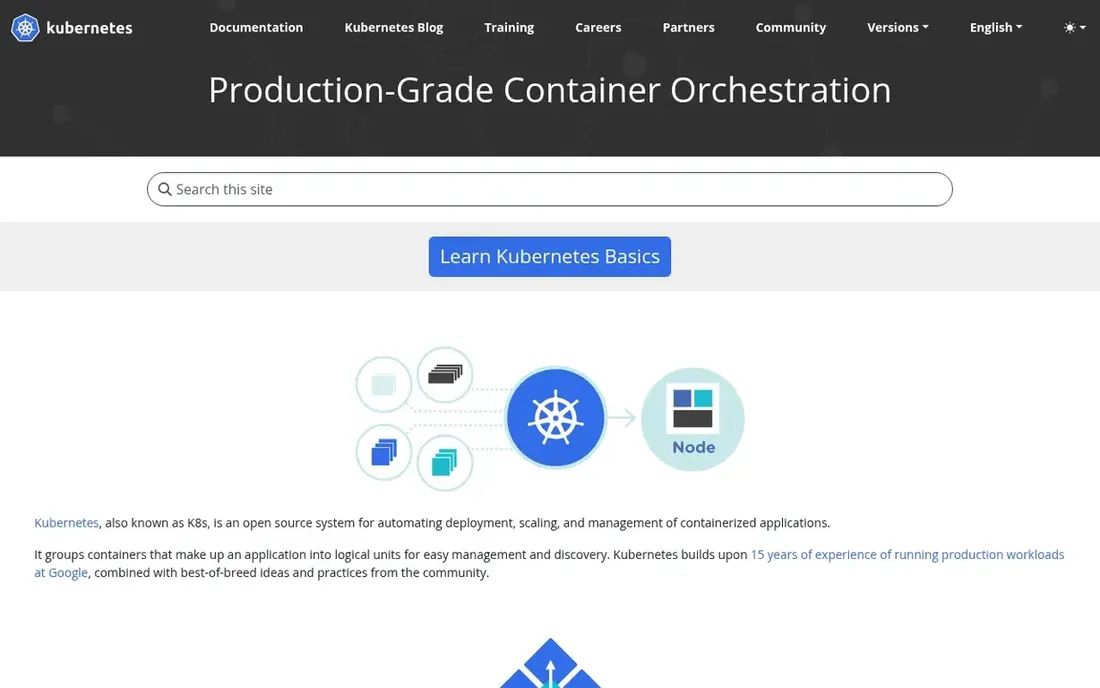
Kubernetes is built with orchestrating containerized applications at scale in mind. It groups containers into logical units for simple management and discovery. Also, startups that anticipate growth or need solid orchestration commonly choose Kubernetes as the foundation for their container networking stack.
Honest limits: Networking needs a CNI plugin.
Kubernetes has a steep ramp-up time and does not bundle networking by default; you must install a CNI plugin like Calico or Cilium. Worth adding: for small teams without dedicated ops, managed Kubernetes services or more straightforward alternatives may cut overhead. Pick Kubernetes when you need scalable orchestration and are ready to invest in networking extras. Pricing for Kubernetes is not stated here, so ask the vendor for current figures. On free options: Not stated.
- Open source with wide ecosystem support
- Groups containers into logical units
- Complicated to set up and manage
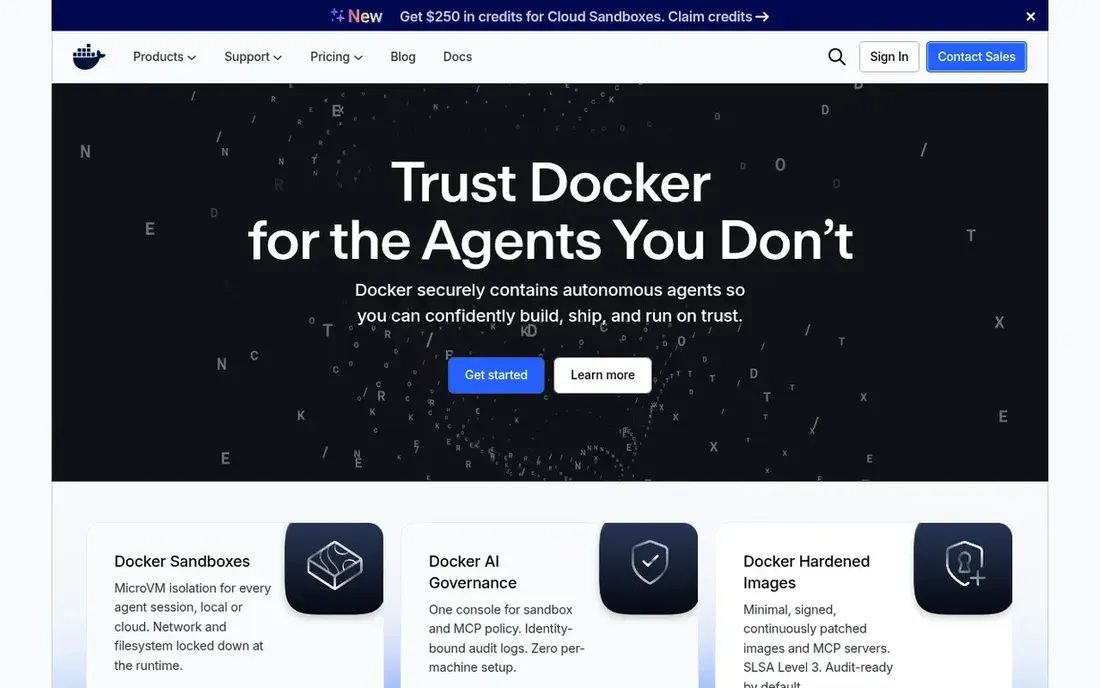
Think of Docker for secure container sandboxes and supply chain. Docker is a product for running containers safely, with a focus on secure sandboxes, governance, and a trusted supply chain.
More specifically, Docker gives you the foundational container runtime that numerous other networking tools build upon. Choose Docker for simplicity and secure container isolation instead of full-featured networking. Starting cost for Docker: $9 per user per month. Docker offers a free plan.
Where it is weaker: Networking is basic compared with dedicated CNI plugins.
- Trusted sandboxes for AI agents and containers
- Governance and secure supply chain features
- Needs extra tools for advanced policy
NGINX Ingress Controller
Best for: Production-ready Kubernetes ingress
NGINX Ingress Controller works best for production-ready Kubernetes ingress. Some advanced capabilities may need a commercial license. From a buyer's view, choose it when you need a solid, supported ingress option and are prepared to complement it with a CNI and other networking tools.
The main drawbacks: Concentrated on ingress, not full networking.
In practice, NGINX Ingress Controller offers production-ready Kubernetes ingress with advanced traffic control, security, and observability. It is aimed at teams that require a dependable entry point for external traffic into their Kubernetes clusters. Startups can use it to handle HTTP and HTTPS routing with features like load balancing and SSL termination. NGINX Ingress Controller shows no starting price here, so confirm the cost on the vendor site. As for free access: Not stated.
- Supported path beyond community options
- Advanced traffic control and security
- May need licensing for enterprise features
How the list was put together
LinkVetted used vendor pricing pages and product documentation as the base, then compared plans, free access and documented limits for 6 tools. Prices and plan limits come from vendor pages and can change, so confirm them on the vendor site before you buy. The order reflects how well each tool fits the most common buying scenario for container networking software for startups, then price clarity, then free plan access. It is a starting point, not a verdict.
Things to verify first
- Ask Istio, Calico, Cilium and others for a written quote, since no starting price is shown.
- Look at the free plan from Docker closely: its caps decide whether it is usable for real work.
- Read the limits listed for Istio first: layers on complexity to Kubernetes environments.
- Check the integration list for Calico against the tools you run today, and note which ones need a higher plan.
- Ask Cilium whether prices are locked for the first term and what happens at renewal.
FAQ
What is the cheapest option for container networking software for startups in this list?
On published monthly entry prices, Docker is the lowest here at $9 per user per month. Entry price is only part of the cost, because seats, add-ons and billing terms can change the total.
What is container networking software?
It frequently contains features like network policy, load balancing, and service discovery. Tools range from CNI plugins to service meshes and ingress controllers.
Do these tools publish their prices?
Not all of them. Istio, Calico, Cilium and others publish no starting price, so expect a quote request for those. The rest, Docker included, show a starting price, though seats and billing terms still change the final cost.
Is Istio the right pick for everyone comparing container networking software for startups?
No single tool suits every team. Istio comes first because it fits service mesh for observability and security, while Calico suits high-performance Kubernetes networking and policy and Cilium suits eBPF-based networking and observability. Match the tool to your own size, budget and workflow before deciding.
Can I try these tools before paying?
Often, yes. Docker has a free plan. Use your own data and a real task during the test, and check what the free tier or trial limits before you rely on it.
Sources
- https://istio.io
- https://www.tigera.io/tigera-products/calico
- https://cilium.io
- https://kubernetes.io
- https://www.docker.com
- https://www.nginx.com/products/nginx-ingress-controller