Choosing Automated API Documentation Platforms in 2026: 5 Options Compared
Best automated API documentation platforms in 2026: 5 contenders with entry costs and free tiers. Short, factual notes on every option. See which fits.
- Editor's choiceBump.sh
Docs and MCP servers with governance
Starts at$50 per monthVisit bump.shFull review - Great alternative
 GitBook
Documentation for humans and AI agents
Starts at$65 per site a monthVisit gitbook.comFull review - Also consider
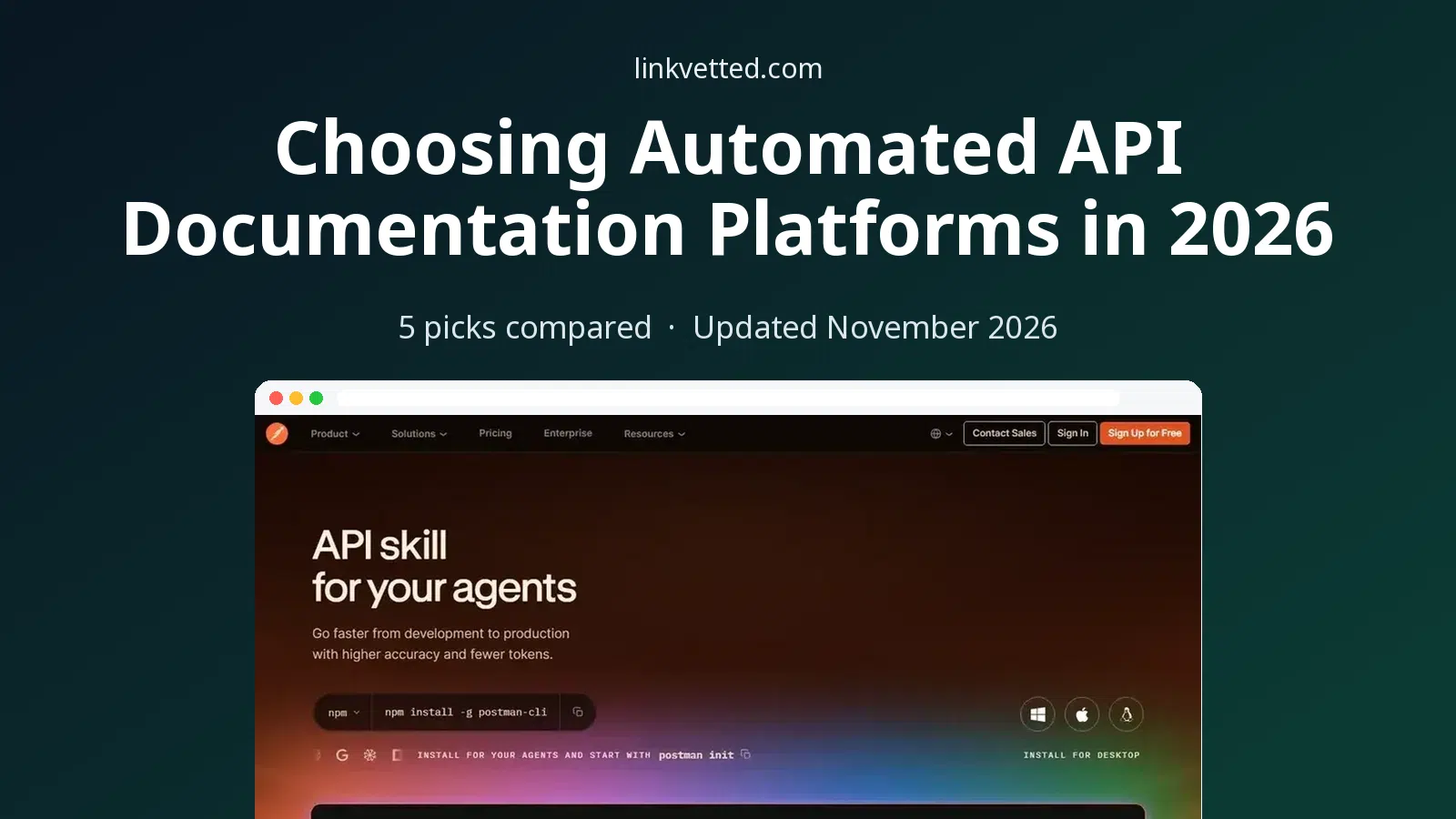
 Postman
API development and docs in one workspace
Starts at$9 a monthVisit postman.comFull review
Direct answer
For docs and MCP servers with governance, Bump.sh is where this list starts. Listed starting prices: Bump.sh from $50 per month, GitBook from $65 per site a month and Postman from $9 a month. For a different need, GitBook covers documentation for humans and AI agents and Postman covers API development and docs in one workspace. All 5 tools are compared below on price, free plan and limits.
TL;DR:
- Bump.sh takes the first slot, best suited to docs and MCP servers with governance.
- GitBook, Postman: these are the 2 tools out of 5 that offer a free plan.
- Postman has the lowest monthly starting price in this list: $9 per month.
- Stoplight is the one to check for OpenAPI design and documentation management.
Last checked November 2026. Prices and plan details were read from the vendors' own pages in November 2026; vendors change plans often, so confirm the current price on the vendor site before you buy.
Quick comparison
| Tool | Best for | Starts at | Free plan? | |
|---|---|---|---|---|
| Bump.sh | Docs and MCP servers with governance | $50 per month | Free trial | Visit |
| GitBook | Documentation for humans and AI agents | $65 per site a month | Yes | Visit |
| Postman | API development and docs in one workspace | $9 a month | Yes | Visit |
 Redocly | OpenAPI reference docs kept current automatically | $249 per month | Free trial | Visit |
 Stoplight | OpenAPI design and documentation management | $44 per month | Free trial | Visit |
Automated API Documentation Platforms profiles
Choosing automated API documentation platforms usually comes down to price, fit and limits. This LinkVetted guide sets 5 tools side by side on those three points, with the facts kept short and checkable.
Bump.sh
Best for: Docs and MCP servers with governance
Bump.sh is designed for docs and MCP servers with governance. It suits teams that want automatic documentation plus agent-facing interfaces managed together with clear controls around access and monitoring.
Limits to weigh: Narrower ecosystem than large API suites.
What you pay to start with Bump.sh: $50 per month. As for free access: Free trial.
- Built-in governance
- Ships docs and MCP servers from OpenAPI
- Concentrated on OpenAPI-driven workflows
For documentation for humans and AI agents, GitBook is a natural candidate. GitBook presents itself as a documentation product for humans and AI, with built-in MCP that links docs to AI agents whereas the GitBook Agent helps keep them accurate.
If your primary need is automatically generated reference docs from a specification, an OpenAPI-first platform is the more direct choice. GitBook pricing: $65 per site per month. GitBook has a free plan.
The main drawbacks: Not specific to API reference generation.
- Built-in MCP links docs to AI agents
- GitBook Agent helps keep content accurate
- A good match for teams with mixed documentation needs
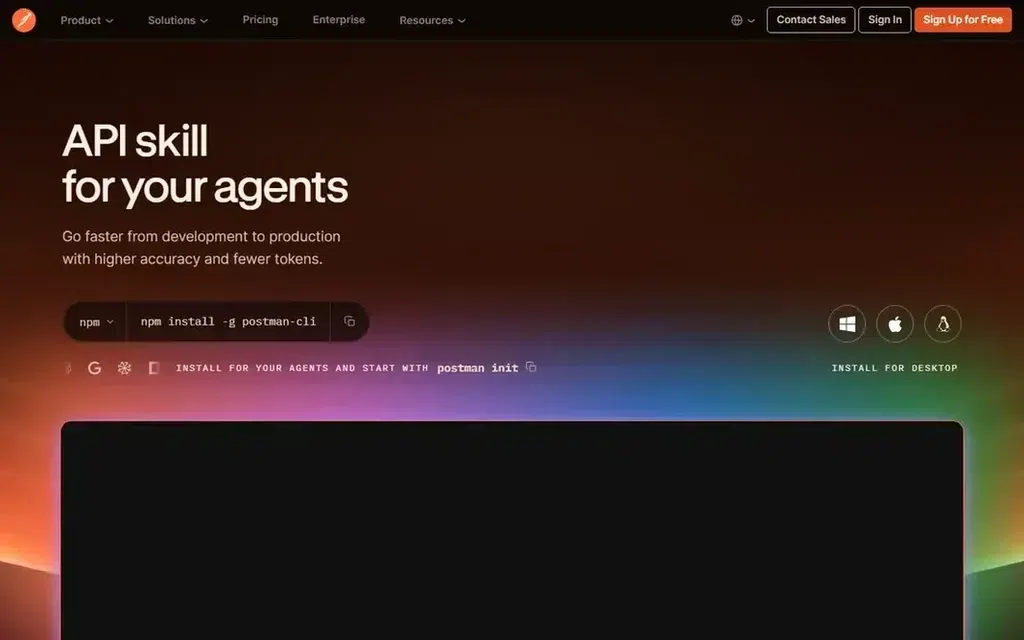
Choose Postman for API development and docs in one workspace. Postman presents itself as API engineering tooling that moves teams quicker from development to production with higher accuracy and fewer tokens.
What you pay to start with Postman: $9 per month. Postman has a free plan.
Drawbacks to consider: May be more than docs-only teams need.
- Merges API engineering and documentation
- Supports the path from development to production
- Documentation is one part of a broader system
Redocly works best for OpenAPI reference docs kept current automatically. That automation fits API-first teams that treat the OpenAPI file as the source of truth and want published docs to follow code changes without manual rebuilding.
It is oriented toward reference material instead of long-form guides, so projects needing rich narrative documentation may combine it with a general documentation system. What you pay to start with Redocly: $249 per month. Free plan details: Free trial.
Downsides: Focus is reference docs instead of narrative content.
- SDKs and tests on every pull request
- From the makers of Redoc
- Assumes an OpenAPI description exists
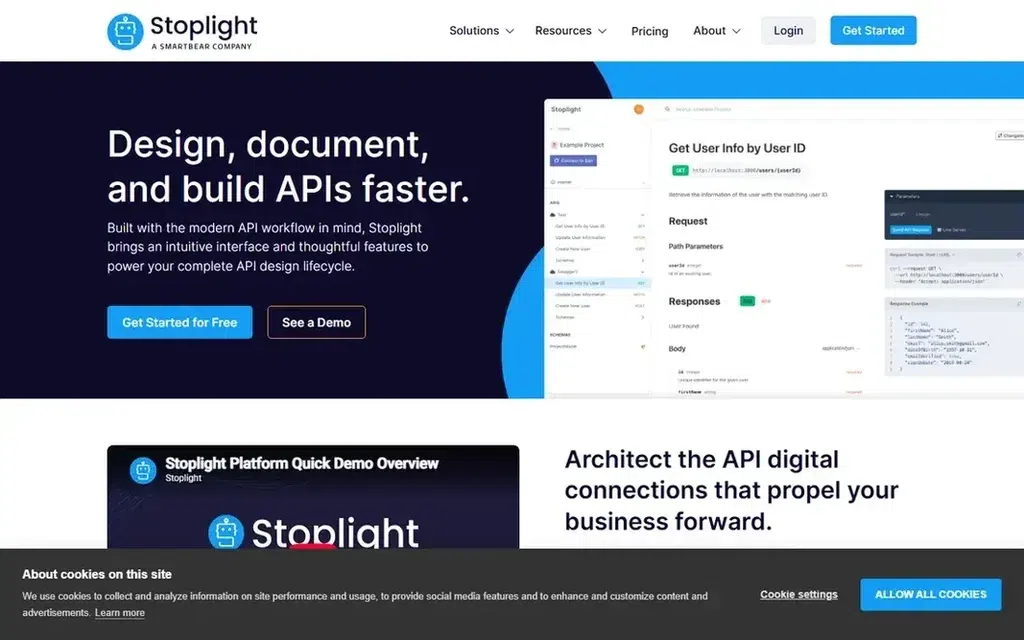
Stoplight is a good fit for OpenAPI design and documentation management. It suits teams that want design, docs and mocking connected in a single place instead of stitched together.
Watch-outs: Documentation is bundled with design and mocking.
As for the details, since Stoplight spans design and mocking plus docs, teams that only need a publishing layer may find the scope broader than required. Entry price for Stoplight: $44 per month. Free access: Free trial.
- Builds OpenAPI descriptions and mock servers
- Centralized product with no specialized knowledge required
- Design-centric approach may overlap with existing tooling
Our selection method
We compared the tools on published pricing, free plan or trial availability, feature coverage for automated API documentation platforms, and the limits each vendor documents. Where a vendor does not publish a price, the entry says quote. Where a price depends on seats or billing term, the entry says so. We ordered the tools by general fit, then by how clearly pricing is shown, then by free access. A buyer with unusual needs may reorder them.
What to check before you buy
- Confirm the entry price on the vendor page: Postman starts at $9 per month, but seat counts and billing terms change the total.
- Look at free plan limits closely: GitBook and Postman have one, and the caps decide whether it is usable for real work.
- Run a trial of Bump.sh, Redocly and Stoplight with real work before paying for a year; your own workflow is the best test.
- Before choosing Bump.sh, weigh its main limit: narrower ecosystem than large API suites.
- Ask whether Bump.sh integrates with your current software, and whether that comes standard or as an add-on.
- The entry price of Redocly is only the starting point; model the full cost with seats and extras.
FAQ
Which options for automated API documentation platforms have a free plan?
On this list, GitBook and Postman include a free plan. Caps on seats, usage or features are common, so test the free plan against your real workload. Several others offer a trial instead. All 5 picks in this automated API documentation platforms comparison list a starting price, free plan details and the main limits on their cards above.
Do these tools publish their prices?
Yes. Every tool from Bump.sh to Stoplight shows a starting price, though seats, add-ons and billing terms still change the final cost.
What makes an API documentation system automated?
Automation typically means reference docs are generated from an API description and refreshed when that description changes, instead of edited by hand.
Can I try these options before paying?
Often, yes. GitBook and Postman have a free plan and Bump.sh, Redocly and Stoplight offer a free trial. Use your own data and a real task during the test, and check what the free tier or trial limits before you rely on it.
How are the tools for automated API documentation platforms ordered?
The order follows typical fit for automated API documentation platforms, with Bump.sh first and Stoplight last, then price clarity and free access. It is editorial judgement, not a score, so another team could rank the tools differently.
Sources
- https://bump.sh
- https://www.gitbook.com
- https://www.postman.com
- https://redocly.com
- https://stoplight.io
Related guides
- Best API Documentation Management Software in 2026: 8 Tools Compared
- Best Automated Cloud Deployment Services in 2026: 10 Platforms Compared
- Best Automated Deployment Platform for Cloud Infrastructure in 2026: 9 Tools Compared
- Best Software Documentation Guides for Developers in 2026: 9 Tools Compared