Choosing Ar/vr Software Developers in 2026: 6 Options Compared
6 options for the top AR/VR software developers, with entry costs, free tiers and the buyer each one serves. Prices and drawbacks included. Compare quickly.
- Editor's choice
 8th Wall
Open source AR and 3D
Starts atSee websiteVisit 8thwall.comFull review - Great alternativeWikitude
Cross-platform AR SDK
Starts atSee websiteVisit wikitude.comFull review - Also considerZappar
Brand AR with creative studio support
Starts atSee websiteVisit zappar.comFull review
Direct answer
For open source AR and 3D, 8th Wall is where this list starts. Listed starting prices: Unity from $210.00 a month. If your case is different, Wikitude suits cross-platform AR SDK and Zappar suits brand AR with creative studio support. The other 3 tools in the list cover narrower or pricier cases.
TL;DR:
- Top of the list is 8th Wall, which targets open source AR and 3D.
- The lowest published monthly entry price here is $210.00 per month, from Unity.
- ARCore fits Android AR experiences.
- The main caution on Wikitude: AR only, not VR.
Last checked November 2026. Prices and plan details were read from the vendors' own pages in November 2026; vendors change plans often, so confirm the current price on the vendor site before you buy.
Quick comparison
| Tool | Best for | Starts at | Free plan? | |
|---|---|---|---|---|
| 8th Wall | Open source AR and 3D | See website | Not stated | Visit |
| Wikitude | Cross-platform AR SDK | See website | Not stated | Visit |
| Zappar | Brand AR with creative studio support | See website | Not stated | Visit |
| Snap AR | Building AR Lenses for Snapchat | See website | Not stated | Visit |
 Unity | Full 3D engine for VR and AR | $210.00 a month | Free trial | Visit |
| ARCore | Android AR experiences | See website | Not stated | Visit |
AR/VR Software Developers compared in detail
LinkVetted compared 6 tools for AR/VR software developers. The goal is a practical shortlist: published prices, free plan facts, best-fit use cases and honest limits for every entry.
8th Wall serves open source AR and 3D. Open source projects can also need more practical setup than packaged products.
It is geared toward AR and 3D instead of full VR development, so teams building headset VR may need a different engine. Check the vendor site for 8th Wall pricing; none is listed in this comparison. Trial and free access: Not stated.
What to check first: May need web development skills.
- Open source approach
- Browser-oriented experiences
- Not a full VR engine
Wikitude
Best for: Cross-platform AR SDK
Wikitude works best for cross-platform AR SDK. Wikitude is described as a cross-platform augmented reality SDK, targeted at developers who want to add AR features to their applications across systems.
Trade-offs to know: AR only, not VR.
As an AR-focused SDK, it does not handle VR development, so teams with VR goals should look at a 3D engine. Pricing for Wikitude is not stated here, so ask the vendor for current figures. Free plan details: Not stated.
- Known in the AR developer community
- Cross-platform AR SDK
- Needs SDK integration work
Zappar
Best for: Brand AR with creative studio support
Think of Zappar for brand AR with creative studio support. Check the vendor site for current platform and hardware details.
What Zappar does well: In-house creative studio.
Trade-offs to know: Less concentrated on VR development.
Worth adding: Zappar supplies augmented reality options for brands, firms and AR creators through an in-house creative studio plus platform and hardware offerings. For everyday use, developers who want deep engine-level control may prefer a full 3D platform. Zappar shows no starting price here, so confirm the cost on the vendor site. Free access: Not stated.
- Product and hardware options
- Longstanding AR focus
- May be oriented to brand campaigns
Snap AR
Best for: Building AR Lenses for Snapchat
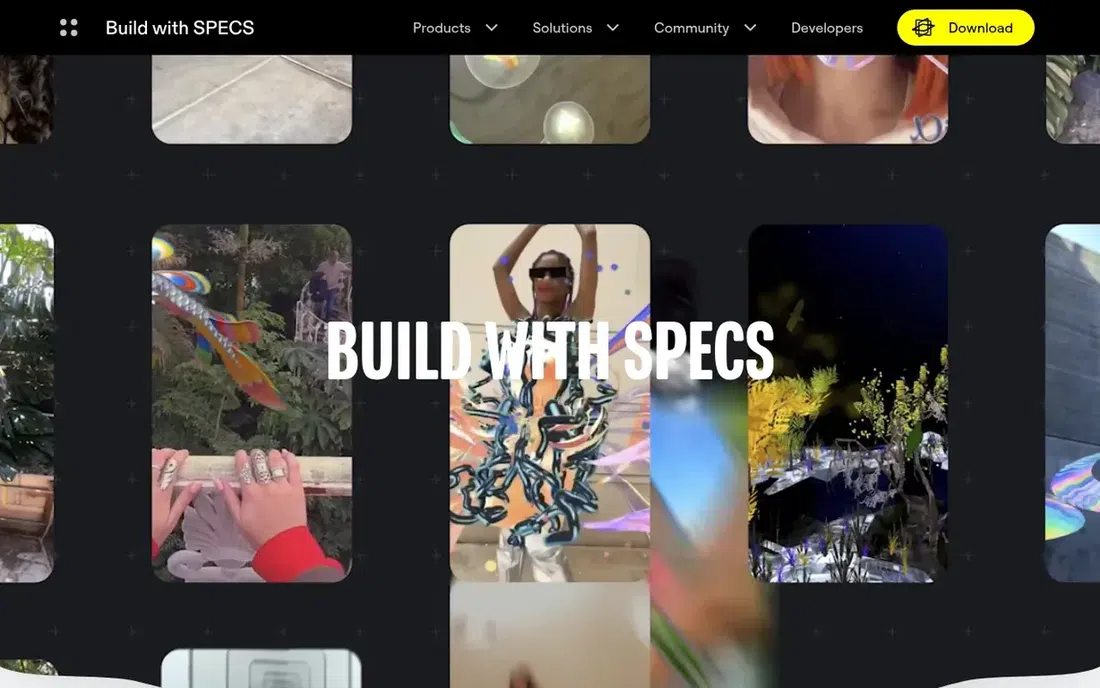
Snap AR makes the most sense for building AR Lenses for Snapchat. Snap AR is the system for creating augmented reality experiences for Snapchat, including utility, entertainment, shopping, self-expression, games and education.
Teams needing wide product deployment should consider a full 3D engine. In practice, review the vendor site for current development tools and requirements. Check the vendor site for Snap AR pricing; none is listed in this comparison. On free options: Not stated.
Limits to weigh: May not suit VR projects.
- Supports utility
- Also supports development for your app
- Tied closely to the Snapchat ecosystem
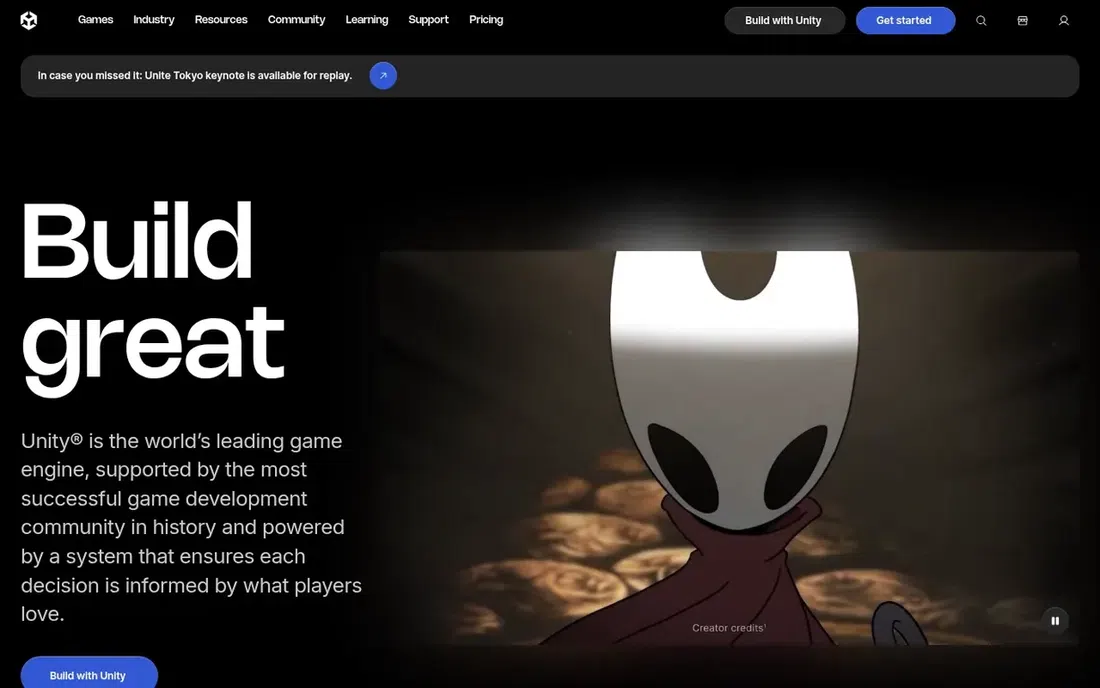
Where Unity fits: full 3D engine for VR and AR. The engine is large and can be overkill for light AR campaigns that only need a straightforward WebAR experience.
Teams that want a browser-first AR workflow may prefer a dedicated AR system instead. The starting price for Unity: $210.00 per month. As for free access: Free trial.
Drawbacks to consider: Steep ramp-up time for beginners.
- Console and XR
- Supports both games and industrial apps
- Can be heavy for straightforward AR projects
ARCore
Best for: Android AR experiences
ARCore serves Android AR experiences. Review the developer site for current device support and APIs.
Also, teams targeting iOS or cross-platform AR may need extra tools. For everyday use, ARCore is centered on mobile AR and is not a VR development system, so headset projects need a different tool. Check the vendor site for ARCore pricing; none is listed in this comparison. On free options: Not stated.
Where it is weaker: Android-focused.
- Focused on mobile AR
- From Google
- Not a VR product
How we built this list
We compared the tools on published pricing, free plan or trial availability, feature coverage for AR/VR software developers, and the limits each vendor documents. Plan names, prices and limits change often. Treat the figures here as a starting point and verify them with the vendor. Position on the page reflects fit for a typical buyer first, with price clarity and free access breaking ties. Treat it as a guide, not a ruling.
Questions to settle before buying
- Confirm the entry price on the vendor page. For 8th Wall, Wikitude, Zappar and others that means a quote rather than a fixed price.
- Use real work to test the free trial from Unity, rather than a demo project.
- Before choosing 8th Wall, weigh its main limit: may need web development skills.
- Ask Wikitude about contract length, onboarding fees and user minimums before you sign.
- A short pilot of Unity with your real workflow tells you more than a feature table.
FAQ
Which system is a good match for building VR experiences?
This list starts with 8th Wall, which fits open source AR and 3D. For other needs, Wikitude is aimed at cross-platform AR SDK, and Zappar at brand AR with creative studio support. Check each tool's price and main limit first.
Do these tools publish their prices?
Not all of them. 8th Wall, Wikitude, Zappar and others publish no starting price, so expect a quote request for those. The rest, Unity included, show a starting price, though seats and billing terms still change the final cost.
Can I try these tools before paying?
Often, yes. Unity offers a free trial. Use your own data and a real task during the test, and check what the free tier or trial limits before you rely on it. For the full picture, the cards above cover all 6 entries of this ar/vr software developers list, including price, free plan and limits.
What is the cheapest option for AR/VR software developers in this list?
On published monthly entry prices, Unity is the lowest here at $210.00 per month. Entry price is only part of the cost, because seats, add-ons and billing terms can change the total. Prices, free plan details and limits for all 6 tools in this ar/vr software developers roundup sit on the individual cards above.
How are the tools for AR/VR software developers ordered?
The order follows typical fit for AR/VR software developers, with 8th Wall first and ARCore last, then price clarity and free access. It is editorial judgement, not a score, so another team could rank the tools differently.
Sources
- https://www.8thwall.com
- https://www.wikitude.com
- https://www.zappar.com
- https://ar.snap.com
- https://unity.com
- https://developers.google.com/ar