5 Best AR Software Developers for 2026, Vetted and Compared
Comparing the top AR software developers? 5 contenders, each with entry cost, free tier and best-fit buyer. Limits and pricing notes included. Plain facts.
- Editor's choiceZappar
Brand campaigns with creative support
Starts atSee websiteVisit zappar.comFull review - Great alternativeARCore
Native Android AR experiences
Starts atSee websiteVisit developers.google.comFull review - Also considerARKit
Native iOS and iPadOS AR apps
Starts atSee websiteVisit developer.apple.comFull review
Direct answer
Zappar leads the list, best for brand campaigns with creative support. Listed starting prices: Unity from $210.00 a month. Look at ARCore for native Android AR experiences, and at ARKit for native iOS and iPadOS AR apps. The remaining 2 options are covered below with prices and limits.
TL;DR:
- This list starts with Zappar, which is built for brand campaigns with creative support.
- For the cheapest start, look at Unity: $210.00 per month.
- Before buying Vuforia, weigh this: enterprise orientation may overwhelm small teams.
- For cross-platform 3D and AR builds, Unity is worth a look.
- A permanent free plan is missing from all 5 tools, Zappar and Unity included; plan for a trial or a premium start.
Last checked November 2026. Prices and plan details were read from the vendors' own pages in November 2026; vendors change plans often, so confirm the current price on the vendor site before you buy.
Quick comparison
| Tool | Best for | Starts at | Free plan? | |
|---|---|---|---|---|
| Zappar | Brand campaigns with creative support | See website | Not stated | Visit |
| ARCore | Native Android AR experiences | See website | Not stated | Visit |
| ARKit | Native iOS and iPadOS AR apps | See website | Not stated | Visit |
| Vuforia | Enterprise AR with solid tracking | See website | Not stated | Visit |
 Unity | Cross-platform 3D and AR builds | $210.00 a month | Free trial | Visit |
The best AR software developers
LinkVetted compared 5 AR software developers. The goal is a practical shortlist: published prices, free plan facts, best-fit use cases and honest limits for every entry.
Zappar
Best for: Brand campaigns with creative support
Zappar is a good fit for brand campaigns with creative support. Pick Zappar when creative execution and system access in one partner ease your campaign.
Downsides: Creative-led approach may not suit deep engineering needs.
Pricing for Zappar is not stated here, so ask the vendor for current figures. Free options: Not stated.
- Hardware options offered
- Longstanding focus on AR options
- Best value when campaigns are the goal
ARCore
Best for: Native Android AR experiences
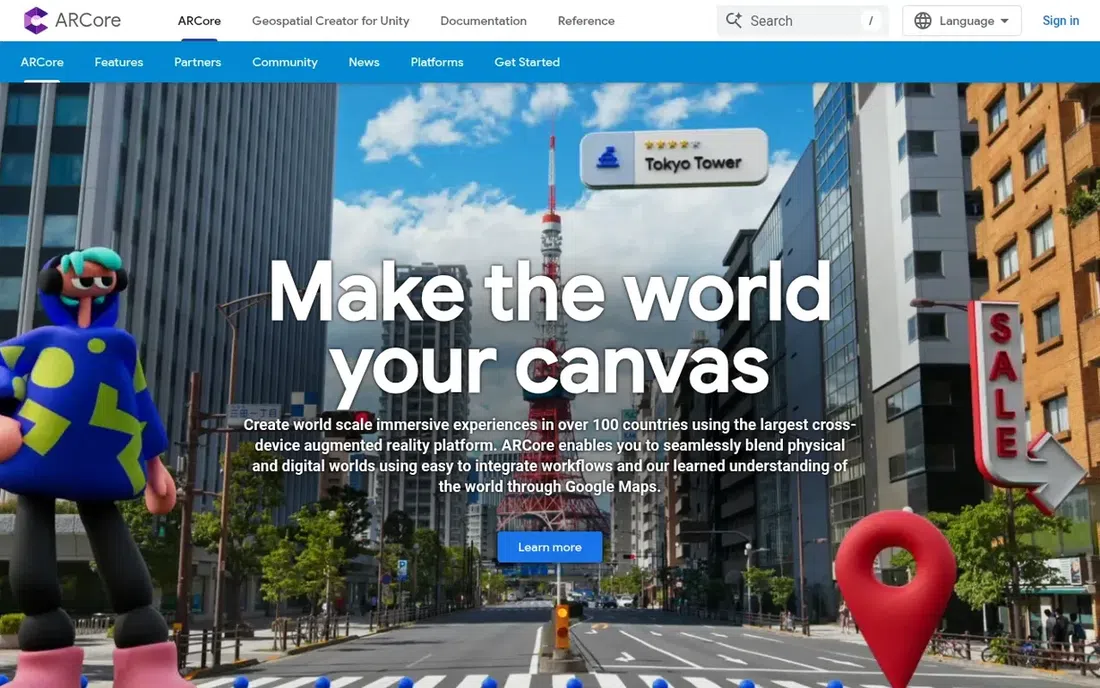
ARCore is aimed squarely at native Android AR experiences. ARCore is Google's system for building augmented reality experiences that blend digital content with the physical world. Its developer site points to resources for creating world-scale, immersive AR and getting started with the technology.
As for the details, since it centers on the Android ecosystem, teams targeting iOS in parallel will need a separate approach for example ARKit or a cross-platform engine. It also assumes comfort with native Android development. Choose ARCore when Android is your primary market and you want platform-level AR capabilities rather than an external layer. ARCore shows no starting price here, so confirm the cost on the vendor site. As for free access: Not stated.
Where it is weaker: Concentrated on the Android ecosystem.
- Clear developer documentation and getting-started links
- Google-backed AR platform for Android
- Needs Android development knowledge
ARKit
Best for: Native iOS and iPadOS AR apps
ARKit was built for native iOS and iPadOS AR apps. It is built for developers working in Apple's ecosystem who want tight integration with the operating system and its developer tools.
Drawbacks to consider: Apple products only.
It suits teams shipping iPhone and iPad apps where native performance and product features are central to the experience. ARKit does not show a starting price in this comparison, so check the vendor site for current pricing. As for free access: Not stated.
- Apple's framework for iOS and iPadOS
- Reaches a very large Apple device audience
- Needs iOS development experience
Vuforia
Best for: Enterprise AR with solid tracking
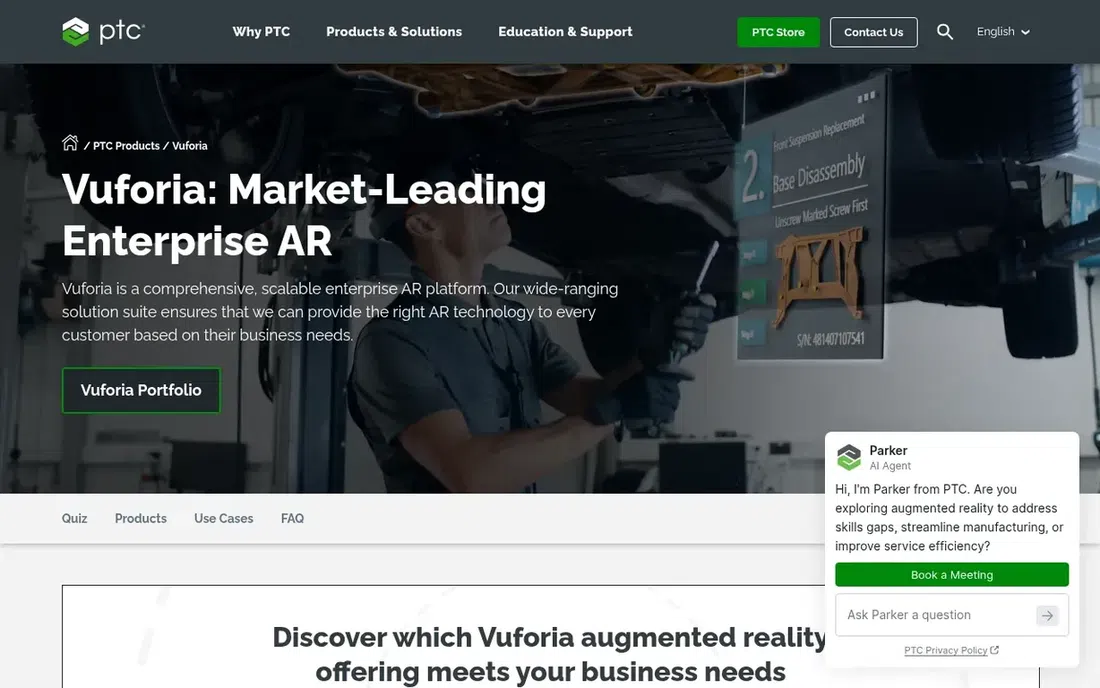
Where Vuforia fits: enterprise AR with capable tracking. Pick Vuforia when business-scale AR delivery and tracking capability are the priority.
The enterprise framing means more product depth than a solo creator or a small web project may need, and more straightforward tools can be quicker to start with. Pricing for Vuforia is not stated here, so ask the vendor for current figures. Free plan details: Not stated.
Limits to weigh: Less suited to straightforward web AR demos.
- Expansive tracking and recognition capabilities
- Enterprise-focused AR software
- Enterprise orientation may overwhelm small teams
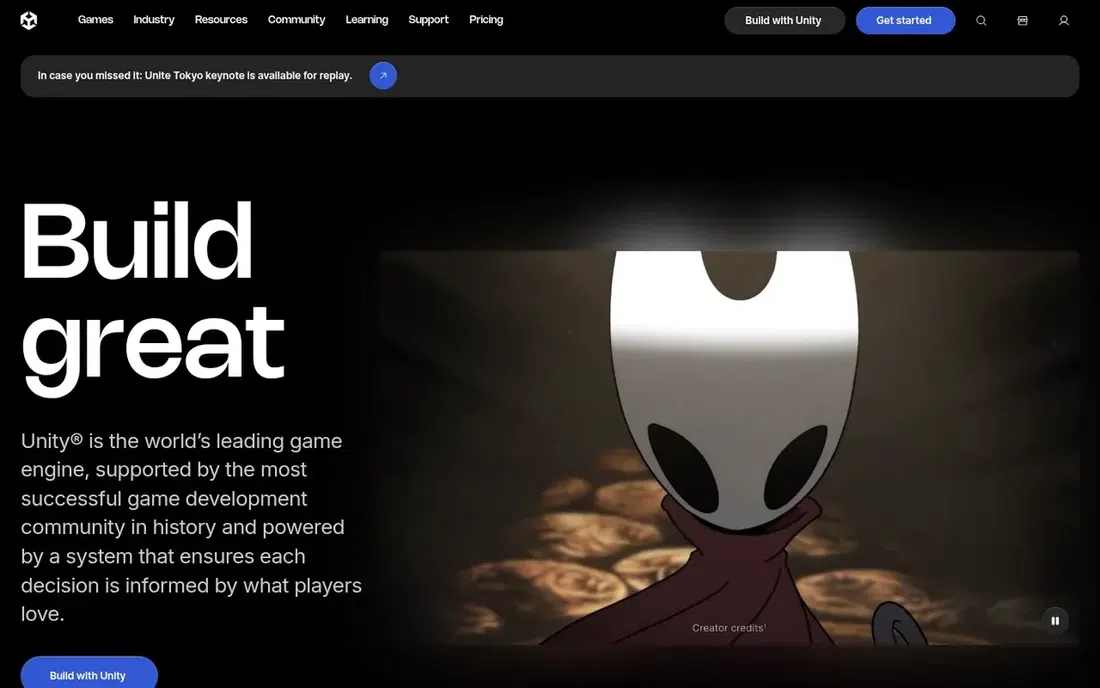
Unity was built for cross-platform 3D and AR builds. It also powers industrial applications beyond games. In practice, choose Unity when long-term cross-platform 3D production matters more than minimal tooling.
What to check first: Heavier than lightweight web AR choices.
Strengths: console and XR.
On top of that, teams that want a single engine to author 3D content and ship AR experiences across multiple systems are the clearest fit for it. If your goal is a fast browser AR experience, a lighter web-focused tool is worth comparing. Beyond that, as a full engine, Unity carries more setup and learning overhead than a focused AR SDK, and small web-based projects may find it heavier than needed. Entry price for Unity: $210.00 per month. Trial and free access: Free trial.
- Solid 3D engine and authoring workflow
- Player acquisition and monetization tooling
- Ramp-up time for newcomers
How these tools were picked
What to confirm before you sign up
- Ask Zappar, ARCore, ARKit and Vuforia for a written quote, since no starting price is shown.
- Run a trial of Unity with real work before paying for a year; your own workflow is the best test.
- Read the limits listed for Zappar first: creative-led approach may not suit deep engineering needs.
- Get the contract term, renewal terms and any onboarding fees from Unity in writing.
- Run a one or two week pilot of Zappar with the people who will use it every day.
FAQ
Which AR tool is a good match for beginners?
This list starts with Zappar, which fits brand campaigns with creative support. For other needs, ARCore is aimed at native Android AR experiences, and ARKit at native iOS and iPadOS AR apps. Check each tool's price and main limit first.
What is the difference between ARCore and ARKit?
ARCore is Google's AR system for Android, whereas ARKit is Apple's framework for iOS and iPadOS. Each is tied to its own ecosystem and developer tools.
Is Zappar the right pick for everyone comparing AR software developers?
No single tool suits every team. Zappar comes first because it fits brand campaigns with creative support, while ARCore suits native Android AR experiences and ARKit suits native iOS and iPadOS AR apps. Match the tool to your own size, budget and workflow before deciding.
What is the cheapest option for AR software developers in this list?
On published monthly entry prices, Unity is the lowest here at $210.00 per month. Entry price is only part of the cost, because seats, add-ons and billing terms can change the total. For the full picture, the cards above cover all 5 entries of this AR software developers list, including price, free plan and limits.
Can I try these tools before paying?
Often, yes. Unity offers a free trial. Use your own data and a real task during the test, and check what the free tier or trial limits before you rely on it. Prices, free plan details and limits for all 5 tools in this AR software developers roundup sit on the individual cards above.
Do these tools publish their prices?
Not all of them. Zappar, ARCore, ARKit and Vuforia publish no starting price, so expect a quote request for those. The rest, Unity included, show a starting price, though seats and billing terms still change the final cost.
Sources
- https://www.zappar.com
- https://developers.google.com/ar
- https://developer.apple.com/augmented-reality
- https://www.ptc.com/en/products/vuforia
- https://unity.com