Best Fintech App Developers in 2026: 8 Firms Compared
We compared the best fintech app developers on banking, payments, and compliance experience, so founders can shortlist a firm that fits their product.
- Editor's choice
 Intellectsoft
Enterprise fintech builds
Starts atSee websiteVisit intellectsoft.netFull review - Great alternative
 Appinventiv
Fintech MVPs at scale
Starts atSee websiteVisit appinventiv.comFull review - Also consider
 WillowTree
Premium US product builds
Starts atSee websiteVisit willowtreeapps.comFull review
TL;DR:
- Fintech developers differ from general app firms: they need payments, KYC, security, and compliance experience, not only design skill.
- Intellectsoft, WillowTree, and Netguru suit larger, regulated products, while smaller firms suit focused MVPs and faster launches.
- Ask every firm for fintech case studies, security practices, and how they handle audits, data protection, and third-party vendors.
- Get a fixed scope, a clear team, and a support plan in writing, since fintech apps need maintenance long after launch.
Quick comparison
| Tool | Best for | Starts at | Free plan? | |
|---|---|---|---|---|
| Intellectsoft | Enterprise fintech builds | See website | No | Visit |
| Appinventiv | Fintech MVPs at scale | See website | No | Visit |
| WillowTree | Premium US product builds | See website | No | Visit |
 Netguru | European fintech product teams | See website | No | Visit |
 Fueled | Startup fintech apps | See website | No | Visit |
 Droids On Roids | Mobile-first fintech apps | See website | No | Visit |
 Cleveroad | Mid-size fintech builds | See website | No | Visit |
 MindInventory | Affordable fintech app builds | See website | No | Visit |
The best fintech app developers
These firms build banking, payment, lending, and investing apps, and they publish fintech work that buyers can check. Prices are quoted per project, so use this list to shortlist, then request proposals.
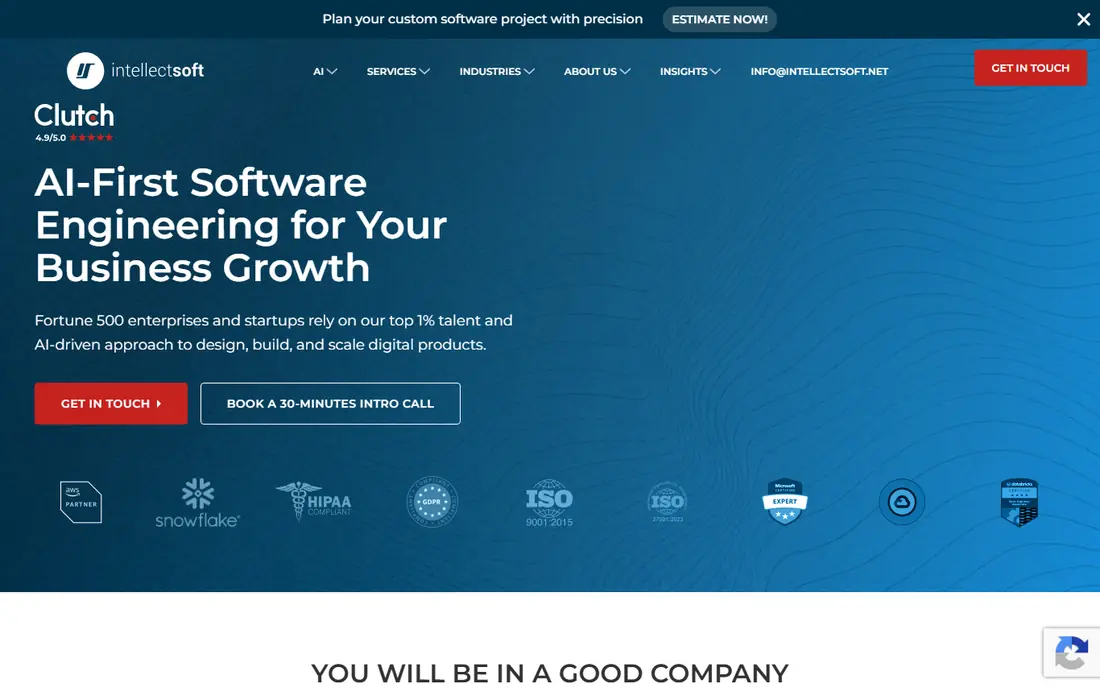
Intellectsoft is a good first call for large, regulated fintech products. The firm builds mobile and web apps for finance, payments, and related sectors, with teams that cover product design, engineering, testing, and support. That breadth helps when a product needs bank integrations, secure data handling, and a long maintenance plan, not only a launch version.
The trade is scale. Enterprise process and pricing can feel heavy for a founder who only needs a simple MVP, and timelines may run longer than a small studio. If your product handles real money, sensitive data, or regulated workflows, that rigor is worth it. If you need a quick prototype, start with a smaller firm and return to Intellectsoft for a later phase.
- Long enterprise track record
- Fintech, blockchain, and payments experience
- Full product teams from design to support
- Enterprise pricing and process can be heavy for a small MVP
- Lead times can be longer
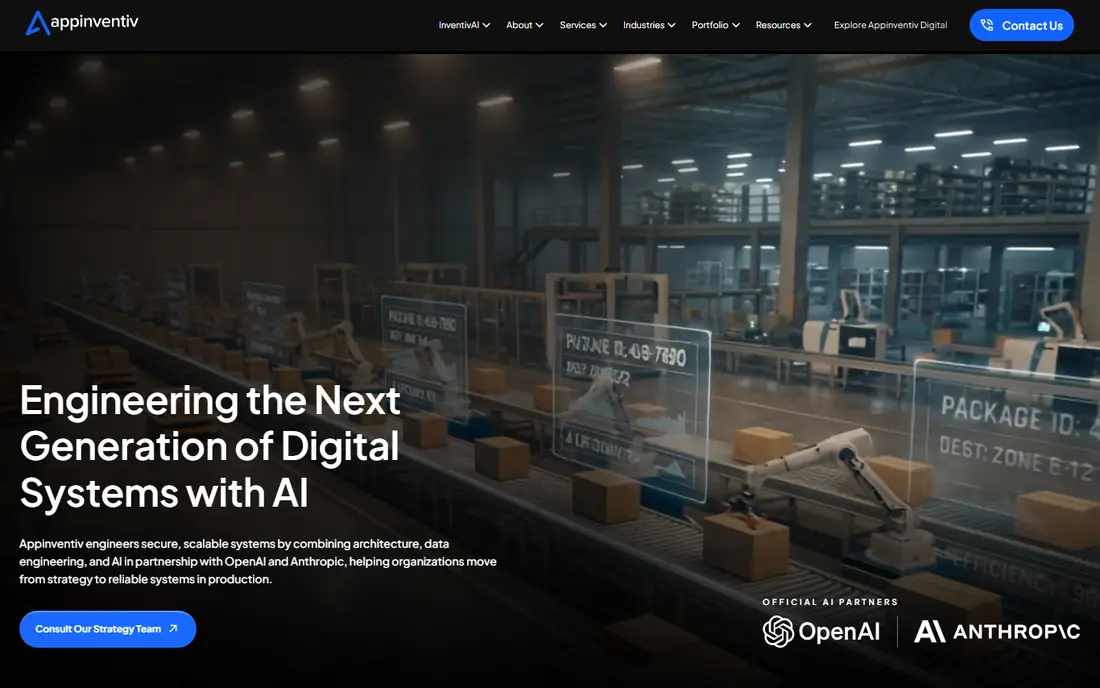
Appinventiv is a large app development firm with many fintech projects, including banking, payment, and wallet apps. Its scale helps founders who need a full team fast, with designers, iOS and Android developers, backend engineers, and testers under one contract. That setup suits MVPs that must still handle payments, security, and app store rules from day one.
Scale also brings a warning. With a large firm, the team you get matters more than the brand name, so ask who will actually work on your product and check recent fintech references. Get the team, timeline, and support terms in writing before you sign. For founders who want speed plus capacity, Appinventiv is a strong shortlist pick.
- Large delivery teams for mobile apps
- Fintech case studies across banking and payments
- Startup and enterprise clients
- Large team size can mean more handoffs
- Quality varies by assigned team, so check references
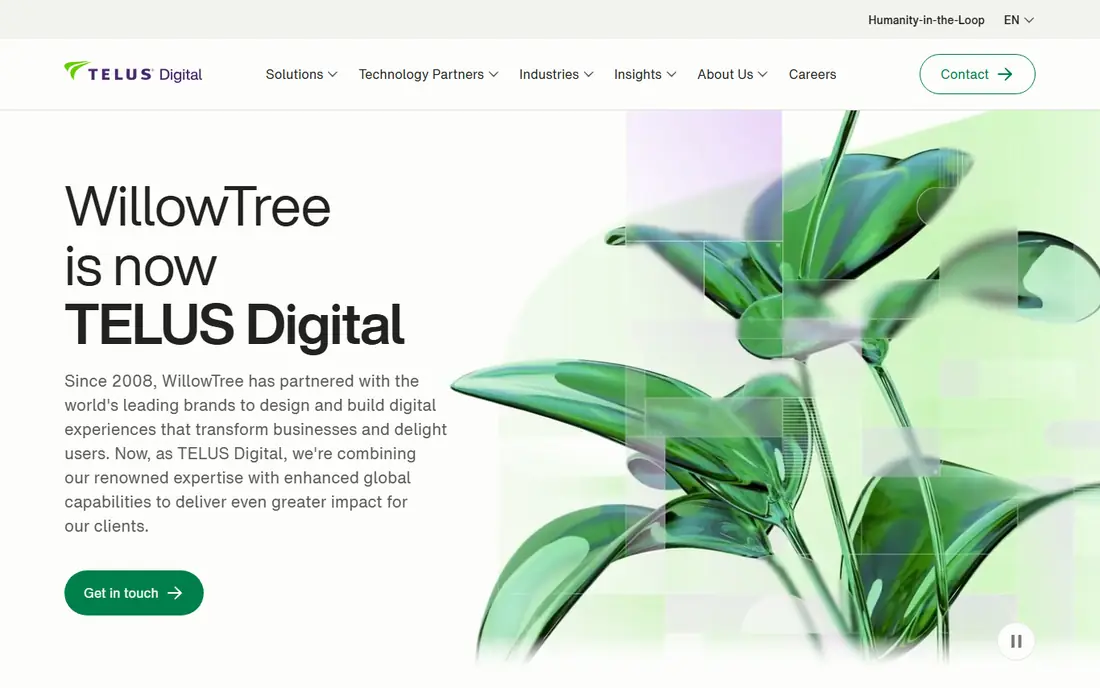
WillowTree, part of a larger digital consultancy, builds premium mobile and web products for well-known brands, including finance clients. Its process leans on research, design, and engineering together, which helps fintech products that must feel simple while handling complex money flows. Teams in the US also help clients who want close time-zone collaboration.
Premium quality comes with premium pricing, so WillowTree fits funded startups and established firms better than bootstrapped founders. Ask for a clear scope and a phased plan if budget is tight, so you can launch a core product first. For a polished, large-scale fintech app, WillowTree is one of the safest premium choices.
- Strong US product design and engineering
- Experience with large brands and regulated products
- Research-led process
- Premium pricing
- Best suited to funded teams and larger budgets
Netguru is a European product firm with a long record in fintech, banking, and related digital products. Its teams combine design, mobile and web engineering, and product management, which suits founders who want a partner to shape the product, not only code a spec. Agile delivery and transparent communication are part of its pitch, and its case studies show work across payments and banking.
The main limits are availability and quoted pricing. A strong team may not start at once, and costs vary with scope, so plan a discovery phase to lock the plan. For European founders, or US founders open to European time zones, Netguru offers a good mix of design quality and fintech depth.
- Strong product design and engineering in Europe
- Fintech and banking case studies
- Agile delivery culture
- Demand can mean waiting for a top team
- Pricing is quoted and varies by scope
Fueled builds mobile apps for startups and established brands, with a design-led process that suits consumer fintech. Its teams focus on product strategy, design, and engineering together, so a fintech app gets a clear user flow before code starts. That approach helps when the product must explain money clearly, from onboarding to payments and statements.
Fueled is smaller than enterprise firms, so very large, multi-year regulated programs may need a bigger partner. Pricing also reflects design quality, so it is not a budget choice. For a startup that needs a polished fintech MVP or a consumer-facing rebuild, Fueled is a strong, design-first option.
- Startup-friendly product process
- Strong mobile design
- Experience with consumer apps and finance products
- Smaller scale than enterprise firms
- Premium design work still costs more than a budget studio
Droids On Roids is a Polish mobile development firm with fintech and banking work among its projects. Its mobile-first focus helps when the app, not a website, is the main product, and its teams cover iOS, Android, design, and backend work. Clients often praise its process clarity, which matters when money features need careful testing.
US clients should note the time zone difference, though many firms manage it with overlap hours and clear async updates. Team size also suits mid-size projects best, so very large enterprise programs may need a bigger firm. For a mobile-first fintech app with a clear scope, Droids On Roids is a solid, focused choice.
- Mobile-first engineering focus
- Fintech and banking projects
- Clear process and communication
- European time zone for US clients
- Team size suits mid-size projects best
Cleveroad offers full-cycle development, from discovery and design through engineering, testing, and support, with fintech among its core sectors. That one-team model helps mid-size founders who do not want to manage separate design and engineering vendors. Its pricing is often more accessible than premium US firms, which helps funded startups stretch a budget.
For very large compliance programs, Cleveroad may need to work with your legal and compliance partners more closely, so clarify that split early. Also check which team will build your product and ask for fintech references in your niche. For a mid-size banking, payment, or wallet app, Cleveroad balances cost, scope, and delivery well.
- Full-cycle development for web and mobile
- Fintech case studies
- Competitive pricing for mid-size teams
- Larger enterprise compliance programs may need extra partners
- Check team availability early
MindInventory builds mobile and web apps across many sectors, including finance, and it often suits founders who need a capable team at a lower entry cost. Its services cover design, development, and support, so a small team can launch a fintech MVP without hiring in-house first. That value matters when the first goal is to test a product with real users.
Lower cost does not remove the need for care. Fintech apps need strong security, testing, and compliance checks, so give the firm clear specs, ask about security practices, and budget for independent testing where money is involved. With that discipline, MindInventory is a practical choice for budget-conscious fintech founders.
- Broad mobile and web experience
- Fintech app projects
- Lower entry cost than premium firms
- Lower price still needs strong specs and testing
- Review past fintech work closely
How we picked these
We compared official firm pages, fintech case studies, service descriptions, and client focus for firms that are active in October 2026 and that publish fintech work. We favored firms with banking, payment, lending, or wallet experience, and we mixed enterprise, premium, and mid-size options so different budgets can shortlist. Prices are quoted per project, so we do not invent rates.
We also weighed delivery reality. A firm name alone does not guarantee a good team, so our guide stresses references, team interviews, and written scope and support terms. Those checks matter more in fintech than in most app categories, since money and personal data are at stake.
How to hire a fintech app developer
Start with a short product brief, not a full spec. Describe the user, the money flow, the payment or bank partners, and the regulations that apply, such as KYC, anti-money laundering checks, and data protection rules. Ask each firm how it has handled those exact issues before, and ask to speak with a past fintech client in a similar niche.
Next, test the team, not only the sales deck. Meet the project manager, lead designer, and lead engineer who would build your app, and review a recent fintech case study in detail. Agree on scope, milestones, security testing, app store submission, and post-launch support in writing. Plan for maintenance from day one, since payment APIs, bank rules, and security needs change often.
Security and compliance checklist
Confirm how the firm handles encryption, access control, secure code review, and penetration testing, and who owns security fixes after launch. Check data residency, backup, and incident response plans, and confirm which third-party vendors will touch payment or personal data. If your product needs a license or a partner bank, involve legal and compliance advisors early, since a design choice made in week one can create a compliance problem later.
FAQ
How much does it cost to build a fintech app?
Fintech app costs vary widely with scope, from tens of thousands for a simple MVP to hundreds of thousands or more for a regulated, multi-feature product. Firms quote per project, so get proposals for the same scope from at least three firms and compare team, timeline, and support terms, not only price.
What should I look for in a fintech app developer?
Look for fintech case studies, payment and KYC experience, security practices, and clear communication. The firm should explain how it handles compliance, testing, and third-party vendors, and it should offer references from past finance clients.
Is it better to hire a firm or build in-house?
A firm suits founders who need speed, a full team, and proven fintech experience without hiring first. In-house suits firms with a long product roadmap and steady funding, since they keep knowledge inside. Many teams start with a firm for an MVP, then hire in-house for later phases.
How long does a fintech app take to build?
A simple fintech MVP can take three to six months, while a full banking or payment product can take nine months or longer, depending on partners, compliance, and features. Discovery, security testing, and bank or payment approvals often take longer than founders expect.
Do fintech developers handle compliance?
Good fintech developers handle technical compliance, such as secure data handling and audit trails, but legal compliance still needs your lawyers and compliance advisors. Clarify who owns each part before work starts, so no requirement falls between teams.