The 5 Best SOAR Platform for Incident Response Teams in 2026, Ranked
5 best SOAR platform for incident response teams, compared on pricing, free plans and best-fit use. Strengths and gaps are listed per tool. No filler.
- Editor's choice
 Microsoft Sentinel
Cloud-native detection with automatic response
Starts atPricing on requestVisit microsoft.comFull review - Great alternativeIBM Security QRadar SOAR
Dynamic playbook-driven response
Starts atPricing on requestVisit ibm.comFull review - Also considerFortinet FortiSOAR
Orchestration within Fortinet environments
Starts atPricing on requestVisit fortinet.comFull review
Direct answer
Microsoft Sentinel is the first pick on this list for cloud-native detection with automatic response. For a different need, IBM Security QRadar SOAR covers dynamic playbook-driven response and Fortinet FortiSOAR covers orchestration within Fortinet environments. Free plan facts and limits for all 5 tools follow. None of these vendors publish plan prices, so pricing is on request for every option.
TL;DR:
- Microsoft Sentinel takes the first slot, best suited to cloud-native detection with automatic response.
- Palo Alto Networks Cortex XSOAR fits unified incident response and threat intel.
- No starting price is shown for any of the 5 tools, Microsoft Sentinel and Palo Alto Networks Cortex XSOAR included, so plan time for sales calls.
- Check the limits for Microsoft Sentinel before you commit: primarily a SIEM that bundles SOAR capabilities.
Last checked November 2026. Pricing on request: vendors did not publish plan prices when this guide was last checked (November 2026), so ask each vendor for a written quote.
Quick comparison
| Tool | Best for | Starts at | Free plan? | |
|---|---|---|---|---|
| Microsoft Sentinel | Cloud-native detection with automatic response | Pricing on request | Not stated | Visit |
| IBM Security QRadar SOAR | Dynamic playbook-driven response | Pricing on request | Not stated | Visit |
| Fortinet FortiSOAR | Orchestration within Fortinet environments | Pricing on request | Not stated | Visit |
| Tines | Adaptable automation with AI agents | Pricing on request | Not stated | Visit |
| Palo Alto Networks Cortex XSOAR | Unified incident response and threat intel | Pricing on request | Not stated | Visit |
Every option for SOAR platform for incident response teams explained
This LinkVetted guide covers 5 SOAR platform for incident response teams. Each profile lists a starting price, free plan details, strengths and drawbacks, so you can drop poor fits quickly.
Microsoft Sentinel works best for cloud-native detection with automatic response. Teams looking strictly for a dedicated SOAR layer may find Sentinel's automation tied to its SIEM model.
Value depends heavily on how much of your environment runs on Microsoft systems. Worth adding: Microsoft Sentinel is a cloud-native SIEM that spots threats, automates response and uses a data lake approach the vendor says lowers SIEM costs. Microsoft Sentinel does not show a starting price in this comparison, so check the vendor site for current pricing. Trial and free access: Not stated.
Drawbacks to consider: Deepest value inside the Microsoft ecosystem.
- Data lake approach pitched at lowering SIEM costs
- Cloud-native SIEM with built-in automation
- Primarily a SIEM that contains SOAR capabilities
IBM Security QRadar SOAR
Best for: Dynamic playbook-driven response
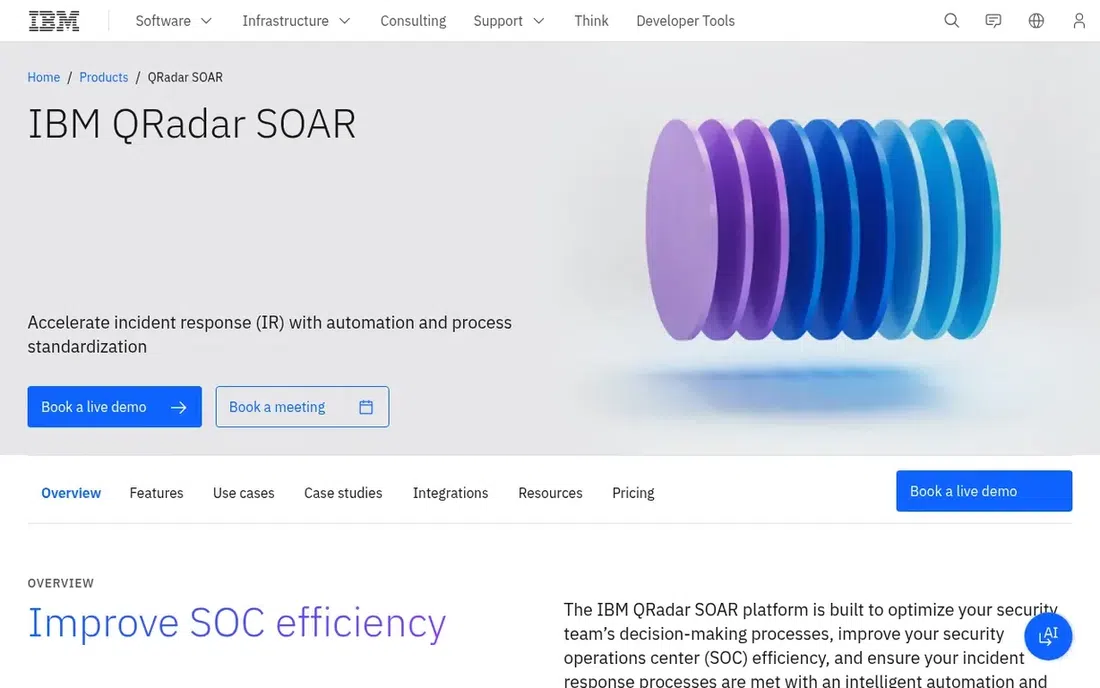
IBM Security QRadar SOAR works best for dynamic playbook-driven response. IBM Security QRadar SOAR is orchestration, automation and response software centered on dynamic playbooks that help security teams accelerate incident response.
Worth adding: if you want minimal configuration and quick starts, evaluate lighter automation products alongside it. Beyond that, dynamic playbooks need careful design and maintenance, so teams should plan for continuing content work. This comparison lists no price for IBM Security QRadar SOAR; ask the vendor. Trial and free access: Not stated.
Where it falls short: Playbook design takes upfront effort.
- Made for security orchestration and automation
- Targeted at accelerating incident response
- Integration planning matters for mixed tool stacks
Fortinet FortiSOAR
Best for: Orchestration within Fortinet environments
Fortinet FortiSOAR makes the most sense for orchestration within Fortinet environments. Also, the system centers on connecting security tools and automating response steps across them.
More specifically, effective automation still relies on well-maintained playbooks and connector coverage. Fortinet FortiSOAR shows no starting price here, so confirm the cost on the vendor site. Trial and free access: Not stated.
Where it is weaker: Most solid fit for Fortinet customers.
- Built to stop attacks through coordinated response
- Security orchestration and automation focus
- Playbook and integration setup needs planning
Tines
Best for: Adaptable automation with AI agents
Tines was built for adaptable automation with AI agents. Since the focus is automation and workflow building, teams needing deep built-in case management may pair it with other tools.
Watch-outs: Less of a full case management suite.
From a buyer's view, the emphasis on agents and automations makes it appealing to teams experimenting with AI-assisted security operations. Success relies on designing and maintaining workflows carefully. Check the vendor site for Tines pricing; none is listed in this comparison. Free plan details: Not stated.
- Fits teams wanting adaptable automation
- Focus on building apps and workflows
- Needs thoughtful workflow design
Palo Alto Networks Cortex XSOAR
Best for: Unified incident response and threat intel
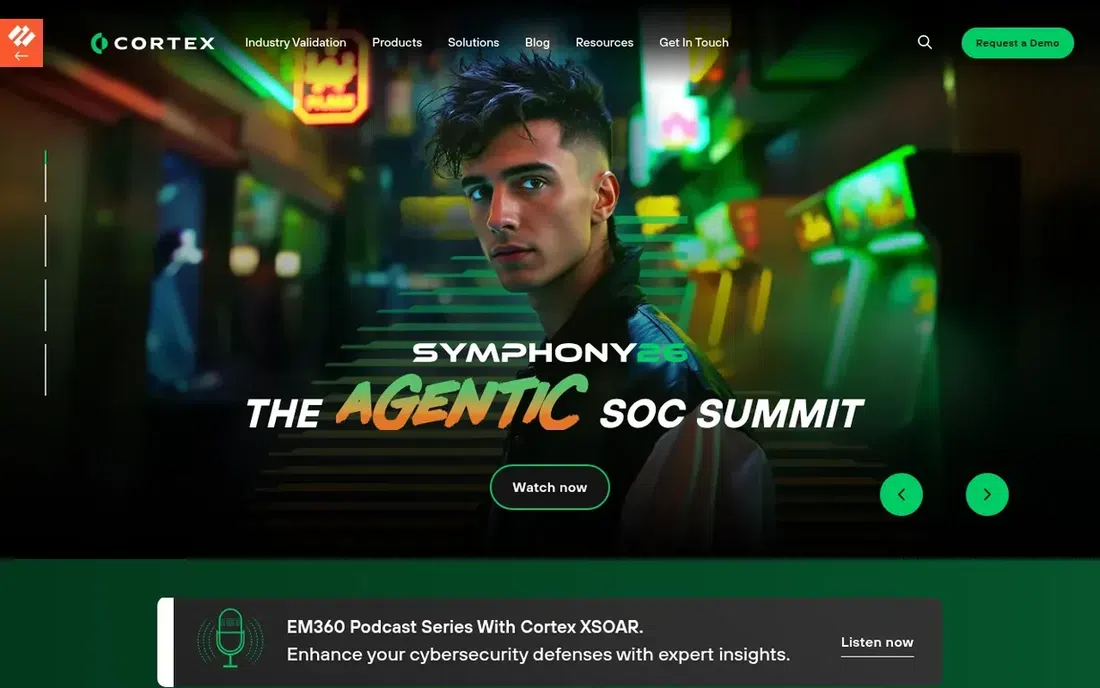
In short, Palo Alto Networks Cortex XSOAR is for unified incident response and threat intel. Cortex XSOAR from Palo Alto Networks is a security operations product that brings together incident response, threat intelligence and workflow automation.
Its vendor positions it around SOC efficiency and quicker remediation. Worth adding: the product is wide, so setup and continuing tuning demand dedicated engineering attention. Pricing for Palo Alto Networks Cortex XSOAR is not stated here, so ask the vendor for current figures. Free options: Not stated.
The main drawbacks: Wide feature set can take time to learn.
- Aims to cut remediation time
- Workflow automation aimed at SOC efficiency
- Best value for teams with mature SOC workflows
How these tools were picked
Questions to settle before buying
- Confirm the entry price with every vendor: no tool from Microsoft Sentinel to Palo Alto Networks Cortex XSOAR shows a fixed starting price.
- Before choosing Microsoft Sentinel, weigh its main limit: primarily a SIEM that contains SOAR capabilities.
- Get the contract term, renewal terms and any onboarding fees from Tines in writing.
- Check how data leaves Microsoft Sentinel: formats, limits and whether exports are available on every plan.
- Involve the people who will use Fortinet FortiSOAR daily; a short pilot beats a long feature checklist.
FAQ
What should an incident response team look for in a SOAR product?
Also confirm how automation is governed and audited, since response actions can affect production systems. Match the system to your team's engineering capacity.
Do these tools publish their prices?
No. None of the tools, from Microsoft Sentinel to Palo Alto Networks Cortex XSOAR, shows a fixed starting price here, so budget time for quotes.
Can I try these tools before paying?
Not by default. None of the tools, from Microsoft Sentinel to Palo Alto Networks Cortex XSOAR, lists a free plan or a free trial here, so ask each vendor for a demo before committing.
How long does it take to get value from a SOAR product?
Time to value relies on integration complexity, playbook design and staff availability. Confirm onboarding support and content choices with each vendor before committing.
Is Microsoft Sentinel the right pick for everyone comparing SOAR platform for incident response teams?
No single tool suits every team. Microsoft Sentinel comes first because it fits cloud-native detection with automated response, while IBM Security QRadar SOAR suits dynamic playbook-driven response and Fortinet FortiSOAR suits orchestration within Fortinet environments. Match the tool to your own size, budget and workflow before deciding.
How are the SOAR platform for incident response teams ordered?
The order follows typical fit for SOAR platform for incident response teams, with Microsoft Sentinel first and Palo Alto Networks Cortex XSOAR last, then price clarity and free access. It is editorial judgement, not a score, so another team could rank the tools differently.
Sources
- https://www.microsoft.com/en-us/security/business/siem-and-xdr/microsoft-sentinel
- https://www.ibm.com/products/qradar-soar
- https://www.fortinet.com/products/fortisoar
- https://www.tines.com
- https://www.paloaltonetworks.com/cortex/cortex-xsoar