Choosing Incident Response Software for Remote Teams in 2026: 5 Options Compared
5 products for the best incident response software for remote teams, ranked by fit, with starting costs and free tiers. Each profile ends with a plain caveat.
- Editor's choiceTines
No-code automation and AI agents
Starts atSee websiteVisit tines.comFull review - Great alternative
 Splunk Enterprise Security
Unified detection, investigation and response
Starts atSee websiteVisit splunk.comFull review - Also considerIBM QRadar
SIEM-driven threat insight
Starts atSee websiteVisit ibm.comFull review
Direct answer
Start with Tines if you need no-code automation and AI agents. Listed starting prices: CrowdStrike Falcon from $7.99 per device a month. Splunk Enterprise Security is the stronger choice for unified detection, investigation and response, while IBM QRadar suits SIEM-driven threat insight. The remaining 2 options are covered below with prices and limits.
TL;DR:
- This list starts with Tines, which is built for no-code automation and AI agents.
- Tines, Palo Alto Networks Cortex XSOAR and the 3 others all need a premium plan or a trial, since no free plan is listed.
- Palo Alto Networks Cortex XSOAR fits automatic security operations and orchestration.
- Starting prices begin at $7.99 per device per month with CrowdStrike Falcon.
- One limit worth knowing about IBM QRadar: deployment and tuning need specialist skills.
Last checked November 2026. Prices and plan details were read from the vendors' own pages in November 2026; vendors change plans often, so confirm the current price on the vendor site before you buy.
Quick comparison
| Tool | Best for | Starts at | Free plan? | |
|---|---|---|---|---|
| Tines | No-code automation and AI agents | See website | Not stated | Visit |
| Splunk Enterprise Security | Unified detection, investigation and response | See website | Not stated | Visit |
| IBM QRadar | SIEM-driven threat insight | See website | Not stated | Visit |
 CrowdStrike Falcon | Cloud-native endpoint detection and response | $7.99 per device a month | Free trial | Visit |
| Palo Alto Networks Cortex XSOAR | Automatic security operations and orchestration | See website | Not stated | Visit |
Incident Response Software for Remote Teams compared in detail
If you are comparing incident response software for remote teams, this page covers 5 tools in one place: what each is best for, what it costs to start, whether it has a free plan, and the main limit to know about.
Tines
Best for: No-code automation and AI agents
Where Tines fits: no-code automation and AI agents. Tines describes itself as the secure environment for AI agents, apps and automation, positioned as a complete environment for enterprise AI.
What users get: Builds workflows without heavy coding.
Teams wanting an all-in-one detection and response suite may prefer Splunk Enterprise Security or Cortex XSOAR. Tines does not show a starting price in this comparison, so check the vendor site for current pricing. On free options: Not stated.
Points against: Complicated workflows still need careful design.
- Suited to enterprise AI automation
- Secure environment for AI agents
- Not a native endpoint protection tool
Splunk Enterprise Security serves unified detection, investigation and response. Splunk Enterprise Security is a unified threat detection, investigation and response system that brings together SIEM, SOAR, UEBA and agentic AI, based on the vendor.
Honest limits: Data ingestion planning is essential.
It suits remote security teams that want detection and response in one place and need analysts across locations to work from shared searches, dashboards and investigations. This comparison lists no price for Splunk Enterprise Security; ask the vendor. Free plan details: Not stated.
- Merges SIEM
- SOAR and UEBA in one system
- Full system needs significant operational maturity
IBM QRadar
Best for: SIEM-driven threat insight
Think of IBM QRadar for SIEM-driven threat insight. Setup and tuning call for specialist skills, and leaner teams might prefer a combined product for example Splunk Enterprise Security.
Worth adding: remote teams that centralize log and event analysis can use it as the detection backbone behind distributed incident response, feeding alerts into analyst workflows wherever staff are located. This comparison lists no price for IBM QRadar; ask the vendor. Free access: Not stated.
The main drawbacks: Response workflows may need added automation.
- Actionable visibility into security events
- Intelligent SIEM for critical threat insight
- Deployment and tuning need specialist skills
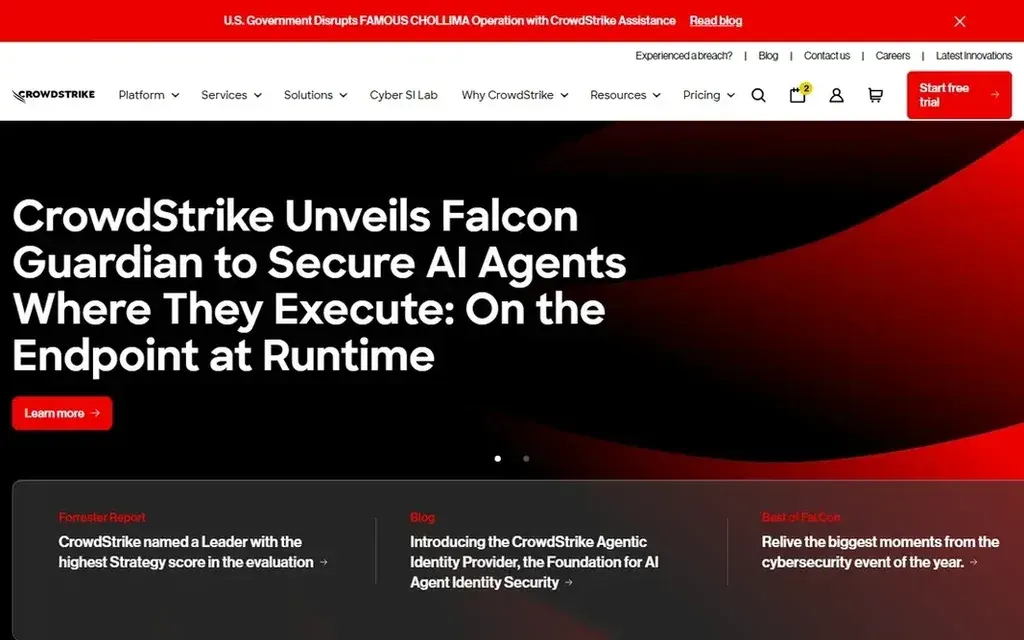
CrowdStrike Falcon works best for cloud-native endpoint detection and response. CrowdStrike Falcon is a cloud-native cybersecurity system that guards endpoints, cloud workloads, identities and data, positioned by the vendor as AI-native breach prevention.
Limits to weigh: Specialized depth may exceed small-team needs.
For remote teams, the cloud-delivered model means laptops and home-office devices can be managed and investigated without on-site infrastructure, which suits security operations centers that are themselves distributed. On cost, CrowdStrike Falcon starts like this: $7.99 per device per month. Trial and free access: Free trial.
- AI-native breach prevention and response
- Cloud-native system including endpoints
- Wide system can take time to tune
Palo Alto Networks Cortex XSOAR
Best for: Automatic security operations and orchestration
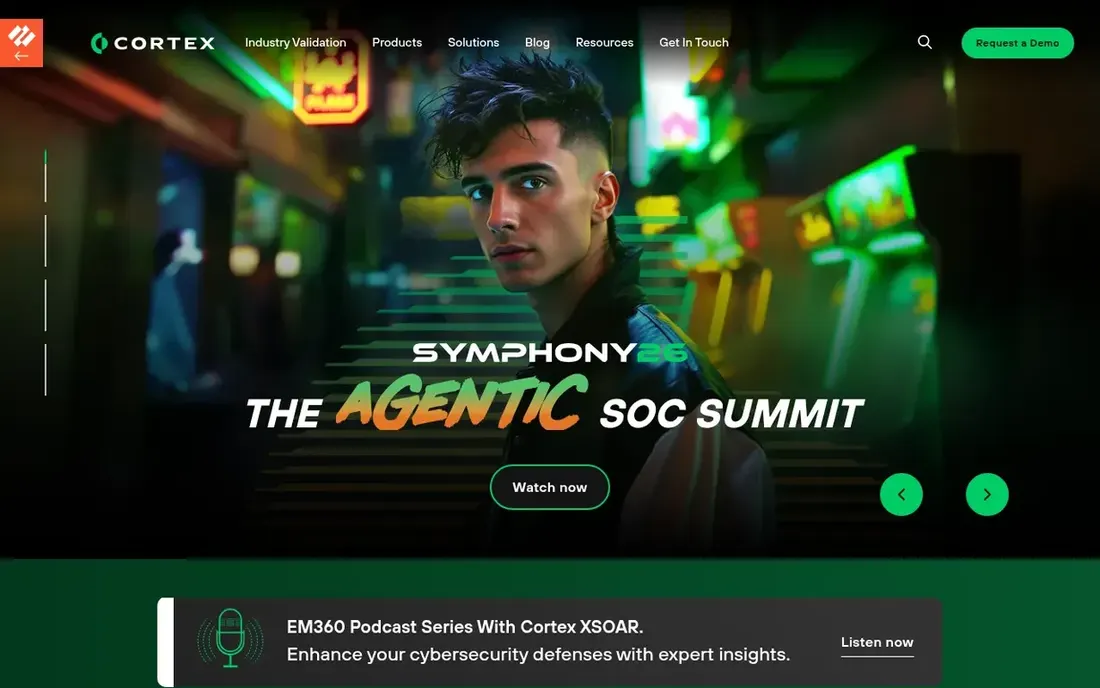
Choose Palo Alto Networks Cortex XSOAR for automatic security operations and orchestration. Teams that primarily need endpoint protection or lightweight automation may prefer CrowdStrike Falcon or Tines instead.
Beyond that, Palo Alto Networks Cortex XSOAR is a security operations system that brings together incident response, threat intelligence and workflow automation, with the vendor emphasizing SOC efficiency and quicker remediation. Palo Alto Networks Cortex XSOAR shows no starting price here, so confirm the cost on the vendor site. As for free access: Not stated.
Honest limits: Value relies on integrating existing tools.
- Brings together incident response
- Threat intel and workflow automation
- Automation setup needs planning and skilled staff
How we chose
We compared the tools on published pricing, free plan or trial availability, feature coverage for incident response software for remote teams, and the limits each vendor documents. Prices and plan limits come from vendor pages and can change, so confirm them on the vendor site before you buy. The sequence is a judgement call: typical use case first, then pricing transparency, then free access. Use the profiles to check fit.
Questions to settle before buying
- Confirm the entry price on the vendor page. For Tines, Splunk Enterprise Security, IBM QRadar and Palo Alto Networks Cortex XSOAR that means a quote rather than a fixed price.
- Take the trial from CrowdStrike Falcon and push a live task through it before you pay.
- Read the limits listed for Tines first: not a native endpoint protection tool.
- Add up seats, add-ons and usage charges for IBM QRadar before comparing it with cheaper entries.
- Look at the renewal terms for CrowdStrike Falcon: auto-renewal, notice periods and price changes can matter more than the first-year price.
FAQ
Does any tool for incident response software for remote teams here have a free plan?
A permanent free plan is not offered by Tines, Palo Alto Networks Cortex XSOAR or the other tools here. CrowdStrike Falcon offer a trial. Plan a short evaluation period instead.
What is the cheapest option for incident response software for remote teams in this list?
On published monthly entry prices, CrowdStrike Falcon is the lowest here at $7.99 per device per month. Entry price is only part of the cost, because seats, add-ons and billing terms can change the total. All 5 picks in this incident response software for remote teams comparison list a starting price, free plan details and the main limits on their cards above.
Do these tools publish their prices?
Not all of them. Tines, Splunk Enterprise Security, IBM QRadar and Palo Alto Networks Cortex XSOAR publish no starting price, so expect a quote request for those. The rest, CrowdStrike Falcon included, show a starting price, though seats and billing terms still change the final cost.
What makes incident response software a good match for remote teams?
Remote-ready products are usually cloud-delivered, so distributed endpoints can be monitored and investigated without on-site hardware. Look for centralized consoles, role-based access and automation that keeps analysts aligned across locations and time zones.
Do I need a SIEM for remote incident response?
A SIEM like Splunk Enterprise Security or IBM QRadar centralizes event data and supports detection across distributed systems. It is valuable when you need wide visibility, though smaller teams may start with endpoint protection and add a SIEM as complexity grows.
Can I try these tools before paying?
Often, yes. CrowdStrike Falcon offers a free trial. Use your own data and a real task during the test, and check what the free tier or trial limits before you rely on it. For the full picture, the cards above cover all 5 entries of this incident response software for remote teams list, including price, free plan and limits.
Sources
- https://www.tines.com
- https://www.splunk.com/en_us/products/enterprise-security.html
- https://www.ibm.com/products/qradar-siem
- https://www.crowdstrike.com
- https://www.paloaltonetworks.com/cortex/cortex-xsoar