The 5 Best Private Cloud Software in 2026, Ranked
Weighing the best private cloud software? We lined up 5 products by cost, free access and fit. Where a tool struggles is spelled out. Read before you buy.
- Editor's choiceMicrosoft Azure Stack HCI
Hybrid cloud with Azure management
Starts atPricing on requestVisit azure.microsoft.comFull review - Great alternativeNutanix Cloud Platform
Self-healing hybrid multicloud infrastructure
Starts atPricing on requestVisit nutanix.comFull review - Also considerRed Hat OpenStack Platform
Open-source cloud built on OpenShift
Starts atPricing on requestVisit redhat.comFull review
Direct answer
Microsoft Azure Stack HCI is the first pick on this list for hybrid cloud with Azure management. Nutanix Cloud Platform fits self-healing hybrid multicloud infrastructure; Red Hat OpenStack Platform fits open-source cloud built on OpenShift. All 5 tools are compared below on fit, free plan and limits. None of these vendors publish plan prices, so pricing is on request for every option.
TL;DR:
- Microsoft Azure Stack HCI is the opening pick, best for hybrid cloud with Azure management.
- Microsoft Azure Stack HCI, OpenNebula and the 3 others all sell by quote; expect sales conversations before you see a price.
- A permanent free plan is missing from all 5 tools, Microsoft Azure Stack HCI and OpenNebula included; plan for a trial or a premium start.
- VMware vSphere comes with a trade-off: licensing changes can complicate planning.
Last checked November 2026. Pricing on request: vendors did not publish plan prices when this guide was last checked (November 2026), so ask each vendor for a written quote.
Quick comparison
| Tool | Best for | Starts at | Free plan? | |
|---|---|---|---|---|
| Microsoft Azure Stack HCI | Hybrid cloud with Azure management | Pricing on request | Not stated | Visit |
| Nutanix Cloud Platform | Self-healing hybrid multicloud infrastructure | Pricing on request | Not stated | Visit |
| Red Hat OpenStack Platform | Open-source cloud built on OpenShift | Pricing on request | Not stated | Visit |
| VMware vSphere | Mature enterprise virtualization foundations | Pricing on request | Not stated | Visit |
| OpenNebula | Sovereign and AI-ready private clouds | Pricing on request | Not stated | Visit |
Private Cloud Software compared in detail
Choosing private cloud software usually comes down to price, fit and limits. This LinkVetted guide sets 5 tools side by side on those three points, with the facts kept short and checkable.
Microsoft Azure Stack HCI
Best for: Hybrid cloud with Azure management
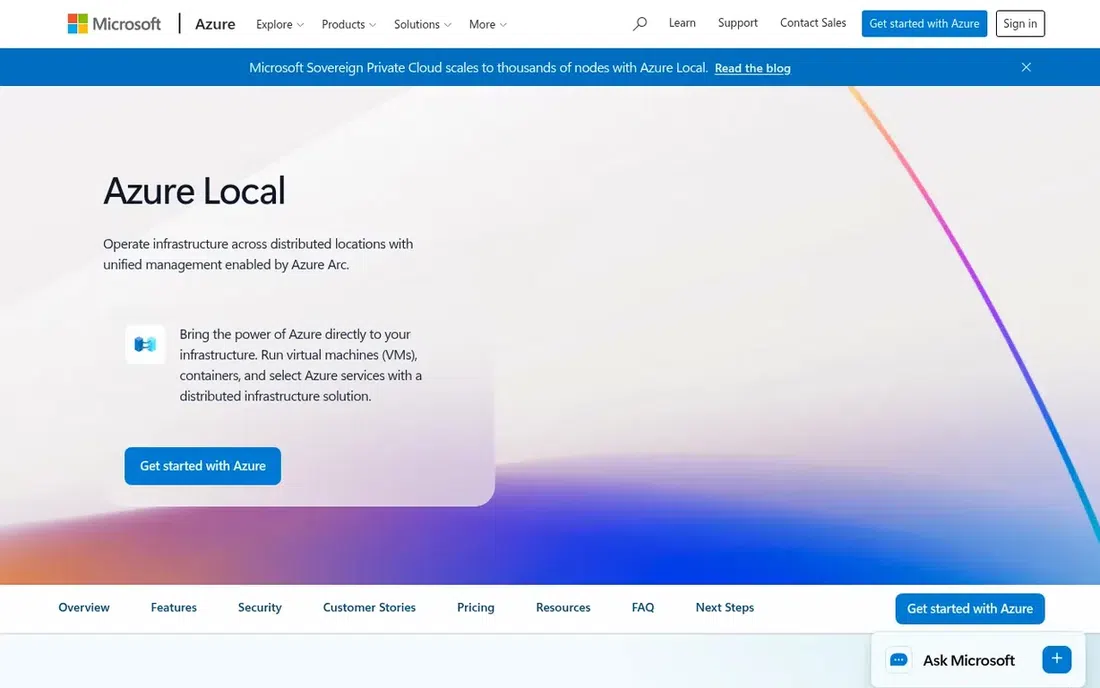
Microsoft Azure Stack HCI makes the most sense for hybrid cloud with Azure management. Microsoft Azure Stack HCI, presented by Microsoft as Azure Local, is a hybrid cloud system for running modern and traditional applications on local infrastructure with adaptability, security and unified management.
Watch-outs: Tied closely to Microsoft tooling.
Also, the system relies on validated hardware and deepens reliance on the Microsoft ecosystem, which can limit adaptability for mixed-vendor environments. Microsoft Azure Stack HCI does not show a starting price in this comparison, so check the vendor site for current pricing. Free options: Not stated.
- Runs modern and traditional apps locally
- Suits Microsoft-centric estates
- Needs validated hardware
Nutanix Cloud Platform
Best for: Self-healing hybrid multicloud infrastructure
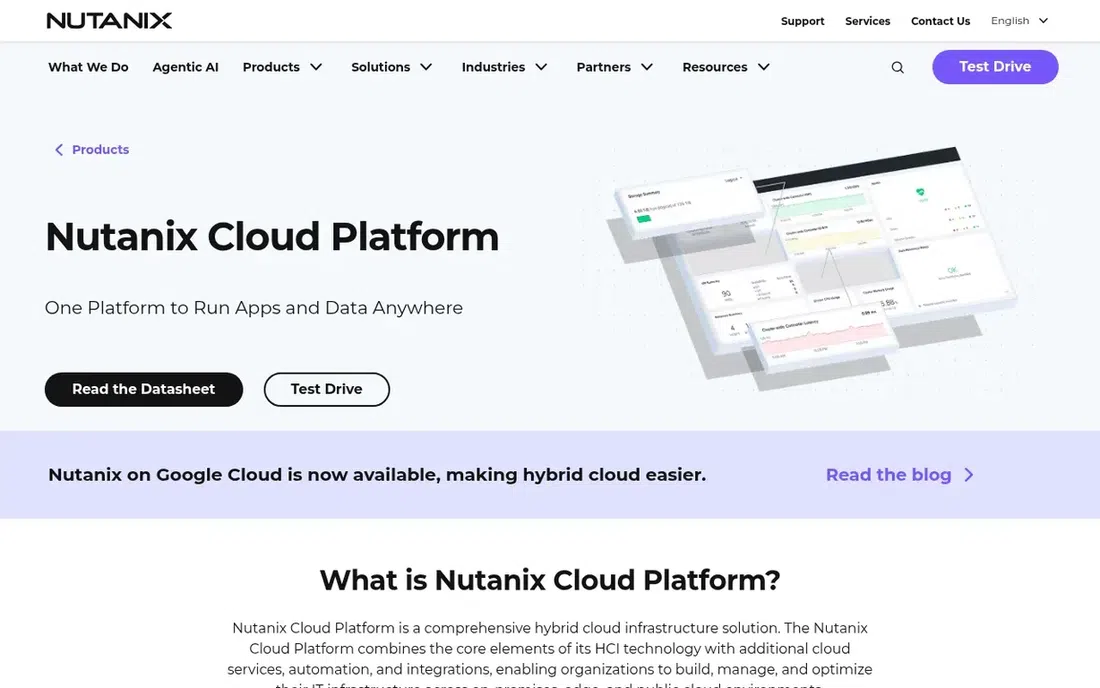
Nutanix Cloud Platform serves self-healing hybrid multicloud infrastructure. It merges compute, storage and management in an integrated stack, which appeals to teams that want to reduce infrastructure silos and ease operations across locations.
Nutanix Cloud Platform does not show a starting price in this comparison, so check the vendor site for current pricing. On free options: Not stated.
Downsides: Proprietary stack.
- Self-healing system design
- Described as secure and resilient
- Wide feature set takes time to learn
Red Hat OpenStack Platform
Best for: Open-source cloud built on OpenShift
Red Hat OpenStack Platform makes the most sense for open-source cloud built on OpenShift. Red Hat OpenStack Services on OpenShift is a system that virtualizes hardware and organizes those resources into clouds.
The main drawbacks: Needs skilled cloud engineers.
It is geared toward organizations that want an open, enterprise-supported private cloud foundation and are prepared to invest in cloud operations skills. Beyond that, OpenStack deployments are operationally demanding and need experienced engineers to run and upgrade. Check the vendor site for Red Hat OpenStack Platform pricing; none is listed in this comparison. As for free access: Not stated.
- Open standards foundation
- Virtualizes and organizes hardware into clouds
- Operationally demanding
VMware vSphere
Best for: Mature enterprise virtualization foundations
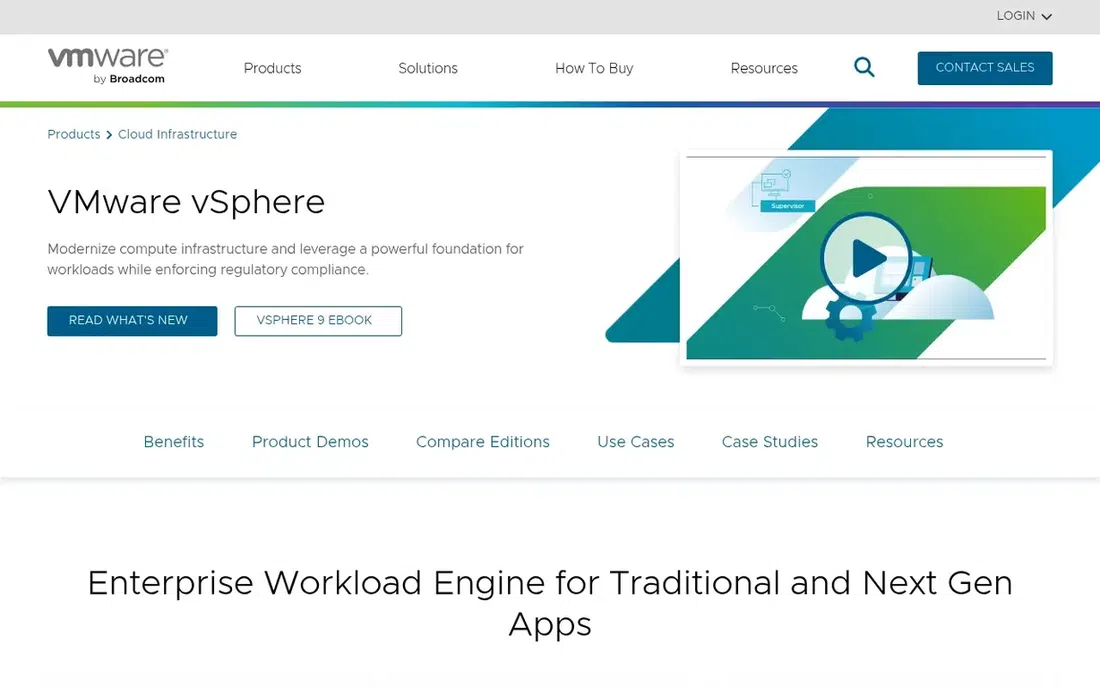
For mature enterprise virtualization foundations, VMware vSphere is a natural candidate. VMware vSphere is a virtualization system for modernizing compute infrastructure, with security and compliance built into its positioning.
More specifically, the product is complicated, and licensing changes in recent years have prompted numerous teams to reassess costs and portability. Worth adding: smaller environments may find it heavier than needed. VMware vSphere does not show a starting price in this comparison, so check the vendor site for current pricing. Trial and free access: Not stated.
Drawbacks to consider: Licensing changes can complicate planning.
- Security and compliance focus
- Well documented ecosystem
- Deeper features need specialist skills
OpenNebula
Best for: Sovereign and AI-ready private clouds
OpenNebula was built for sovereign and AI-ready private clouds. It appeals to public sector, research and regulated organizations that require to keep infrastructure under their own governance whereas avoiding heavy licensing dependence.
Points against: Smaller ecosystem than major vendors.
Its ecosystem and commercial support network are smaller than those of the largest vendors, so some integrations need more in-house work. OpenNebula shows no starting price here, so confirm the cost on the vendor site. Free plan details: Not stated.
- Enterprise-grade features described
- Open system with full control
- Advanced setups need Linux skills
What went into this list
Pre-purchase checklist
- Confirm the entry price with every vendor: no tool from Microsoft Azure Stack HCI to OpenNebula shows a fixed starting price.
- Read the limits listed for Microsoft Azure Stack HCI first: tied closely to Microsoft tooling.
- Check the integration list for Microsoft Azure Stack HCI against the tools you run today, and note which ones need a higher plan.
- Test how quickly Red Hat OpenStack Platform answers a pre-sales question; it hints at how support will feel later.
- Involve the people who will use OpenNebula daily; a short pilot beats a long feature checklist.
FAQ
What is private cloud software?
Private cloud software virtualizes servers, storage and networking and layers on management layers so an organization can deliver cloud-style self-service on infrastructure it controls. It can run on-premises or in a hybrid model connected to public cloud services.
How are the tools for private cloud software ordered?
The order follows typical fit for private cloud software, with Microsoft Azure Stack HCI first and OpenNebula last, then price clarity and free access. It is editorial judgement, not a score, so another team could rank the tools differently.
Is Microsoft Azure Stack HCI the right pick for everyone comparing private cloud software?
No single tool suits every team. Microsoft Azure Stack HCI comes first because it fits hybrid cloud with Azure management, while Nutanix Cloud Platform suits self-healing hybrid multicloud infrastructure and Red Hat OpenStack Platform suits open-source cloud built on OpenShift. Match the tool to your own size, budget and workflow before deciding.
Does any tool for private cloud software here have a free plan?
No tool in this list, Microsoft Azure Stack HCI and OpenNebula included, has a permanent free plan. Trials and quotes are the usual route, so plan a short evaluation period.
Do these tools publish their prices?
No. None of the tools, from Microsoft Azure Stack HCI to OpenNebula, shows a fixed starting price here, so budget time for quotes.
Sources
- https://azure.microsoft.com/en-us/products/azure-stack/hci
- https://www.nutanix.com/products/cloud-platform
- https://www.redhat.com/en/technologies/linux-platforms/openstack-platform
- https://www.vmware.com/products/vsphere.html
- https://opennebula.io