Top 5 Platform for Heavy Data Workloads for 2026 (Prices and Free Plans)
Shortlisting the best platform for heavy data workloads? 5 products compared on cost, free access and ideal buyer. Real limits included. Skim the table first.
- Editor's choiceCloudera Data Platform
Hybrid and edge data deployments
Starts at$0.04 per CCU per hourVisit cloudera.comFull review - Great alternative
 Google Cloud Dataflow
Streaming and live analytics
Starts atSee websiteVisit cloud.google.comFull review - Also consider
 Amazon EMR
Large-scale open-source data processing
Starts atSee websiteVisit aws.amazon.comFull review
Direct answer
For hybrid and edge data deployments, Cloudera Data Platform is where this list starts. Listed starting prices: Cloudera Data Platform from $0.04 per CCU per hour. If your case is different, Google Cloud Dataflow suits streaming and live analytics and Amazon EMR suits large-scale open-source data processing. The full list of 5 tools follows, with prices and free plan facts.
TL;DR:
- This list starts with Cloudera Data Platform, which is built for hybrid and edge data deployments.
- Google BigQuery suits fully managed analytics and AI.
- What to know about Amazon Redshift first: complicated tuning for advanced users.
- Expect to ask for a quote from Google Cloud Dataflow, Amazon EMR, Amazon Redshift and Google BigQuery; the other tools show a starting price.
Last checked November 2026. Prices and plan details were read from the vendors' own pages in November 2026; vendors change plans often, so confirm the current price on the vendor site before you buy.
Quick comparison
| Tool | Best for | Starts at | Free plan? | |
|---|---|---|---|---|
| Cloudera Data Platform | Hybrid and edge data deployments | $0.04 per CCU per hour | Not stated | Visit |
| Google Cloud Dataflow | Streaming and live analytics | See website | Not stated | Visit |
| Amazon EMR | Large-scale open-source data processing | See website | Yes | Visit |
 Amazon Redshift | AWS-integrated cloud data warehousing | See website | Not stated | Visit |
 Google BigQuery | Completely managed analytics and AI | See website | Not stated | Visit |
Our 5 platform for heavy data workloads
LinkVetted put together this guide to platform for heavy data workloads for readers who want a clear shortlist without reading every vendor page. It compares 5 tools on starting price, free plans, who each one suits and where each one falls short.
Cloudera Data Platform
Best for: Hybrid and edge data deployments
Cloudera Data Platform is built with hybrid and edge data deployments in mind. Beyond that, Cloudera Data Platform is a hybrid data and AI product that brings AI to data anywhere: in clouds, in data centers, and at the edge.
Drawbacks to consider: Needs on-premises expertise.
Beyond that, if you are cloud-native and prefer a completely managed service, consider Google BigQuery or Amazon Redshift. Cloudera can be complicated to run, notably for teams without on-premises or hybrid cloud experience. Entry price for Cloudera Data Platform: $0.04 per CCU per hour. Trial and free access: Not stated.
- Supports data at the edge
- Unified data and AI
- Complicated to run
Google Cloud Dataflow works best for streaming and live analytics. Google Cloud Dataflow is a completely managed streaming analytics service that cuts latency, processing time, and cost through autoscaling and live data processing. It is aimed at teams that require to process streaming data with low latency and without managing infrastructure.
Downsides: Restricted to Google Cloud.
As for the details, Dataflow suits use cases like live analytics, event-driven pipelines, and continuous data integration. Beyond that, Dataflow is optimized for streaming and may not be the best fit for traditional batch data warehousing. It is also part of Google Cloud, so multi-cloud deployments may need extra tools. Google Cloud Dataflow shows no starting price here, so confirm the cost on the vendor site. Free options: Not stated.
- Autoscaling
- Completely managed streaming
- Concentrated on streaming
Where Amazon EMR fits: large-scale open-source data processing. Amazon EMR is a cloud big data product for running large-scale distributed data processing jobs, interactive SQL queries, and machine learning applications using open-source analytics frameworks like Apache Spark, Apache Hive, and Presto.
Honest limits: Steeper ramp-up time.
It is well suited to teams that require adaptable, framework-level control and are comfortable managing clusters. Pricing for Amazon EMR is not stated here, so ask the vendor for current figures. Amazon EMR has a free plan.
- Scalable distributed processing
- Managed cluster service
- Needs tuning
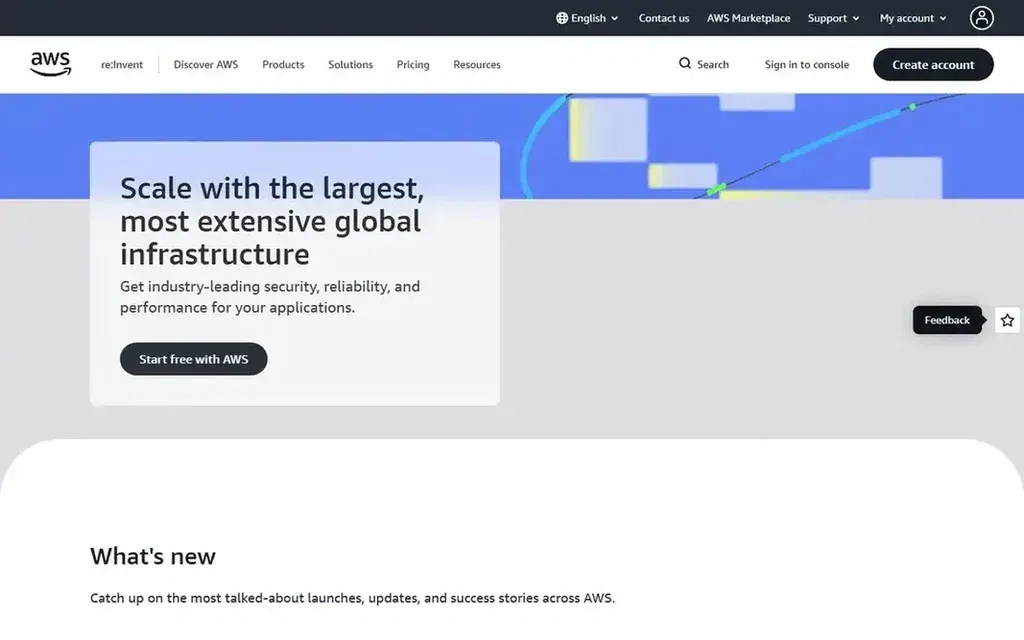
Amazon Redshift is built with AWS-integrated cloud data warehousing in mind. Amazon Redshift is a quick, completely managed cloud data warehouse that eases and makes economical the analysis of all your data.
Downsides: Complicated tuning for advanced users.
As for the details, Redshift fits teams that require to run complicated analytical queries on large datasets without managing the underlying infrastructure. Also, Redshift is tightly coupled with AWS, which can be a limitation if you operate in a multi-cloud or hybrid environment. Amazon Redshift shows no starting price here, so confirm the cost on the vendor site. Free plan details: Not stated.
- Completely managed
- Quick query performance
- Restricted to AWS ecosystem
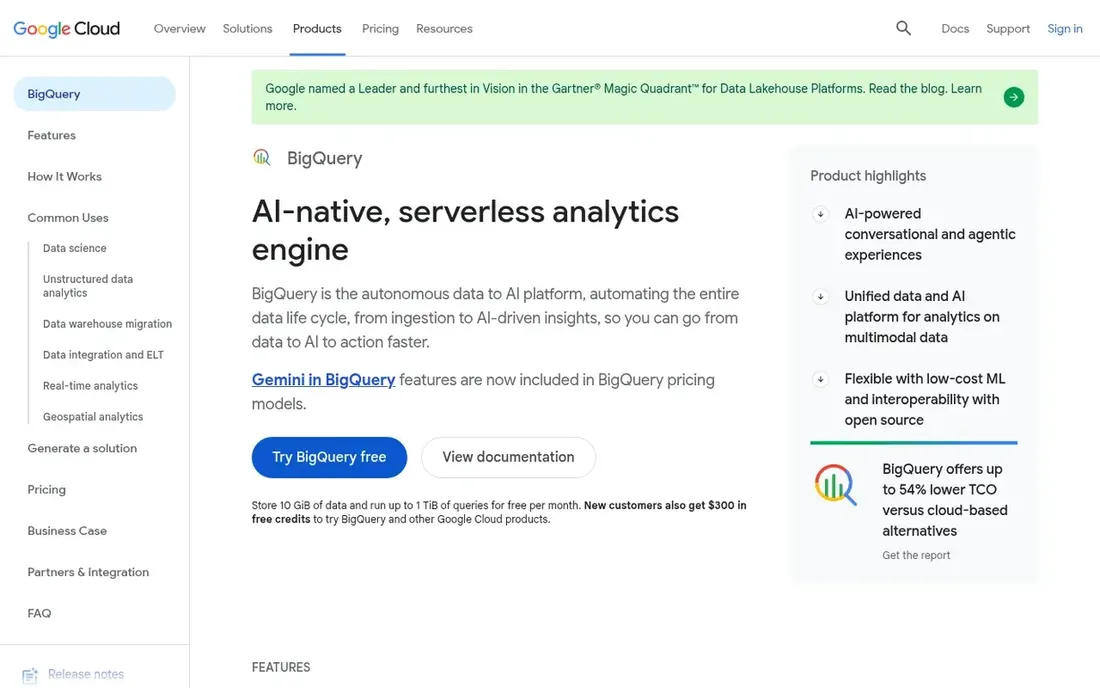
Think of Google BigQuery for completely managed analytics and AI. Google BigQuery is a completely managed, autonomous data and AI product that automates the whole data life cycle, helping you move from data to AI to action quicker. It is made for organizations that want to offload infrastructure management and focus on analytics.
Worth adding: since BigQuery is completely managed, you have restricted control over the underlying infrastructure, which can be a drawback for teams with strict customization needs. Also, costs can scale with usage, so careful monitoring is advised. Google BigQuery does not show a starting price in this comparison, so check the vendor site for current pricing. On free options: Not stated.
Drawbacks to consider: Less control over infrastructure.
- Serverless architecture
- Autonomous data product
- May need cost management
How we chose
The comparison looks at four things: starting price, free access, how well the feature set matches platform for heavy data workloads, and the main limit of each tool. Treat prices as a snapshot: vendors change plans often, so check the vendor site for the figure that applies today. Order on the page follows fit for the typical buyer first, then price transparency and free access. Your own requirements should decide the final pick.
Before you commit
- Get a written quote from Google Cloud Dataflow, Amazon EMR, Amazon Redshift and Google BigQuery; the list shows no starting price for them.
- Look at the free plan from Amazon EMR closely: its caps decide whether it is usable for real work.
- Before choosing Cloudera Data Platform, weigh its main limit: complicated to handle.
- Check whether the features you need in Google Cloud Dataflow sit on the entry plan or only on higher tiers.
- Verify that exporting from Cloudera Data Platform is possible on your plan and covers all your records.
FAQ
Which platform for heavy data workloads have a free plan?
Amazon EMR is the only tool in this list with a free plan. Free plans usually cap users, projects or features, so check the limits on the vendor page. For the full picture, the cards above cover all 5 entries of this platform for heavy data workloads list, including price, free plan and limits.
Do these tools publish their prices?
Not all of them. Google Cloud Dataflow, Amazon EMR, Amazon Redshift and Google BigQuery publish no starting price, so expect a quote request for those. The rest, Cloudera Data Platform included, show a starting price, though seats and billing terms still change the final cost.
What about hybrid or on-premises deployments?
Most other systems are cloud-native and may not support on-premises deployments. In daily use, if you need hybrid adaptability, Cloudera is a primary choice.
Can I try these tools before paying?
Often, yes. Amazon EMR has a free plan. Use your own data and a real task during the test, and check what the free tier or trial limits before you rely on it. Prices, free plan details and limits for all 5 tools in this platform for heavy data workloads roundup sit on the individual cards above.
How are the platform for heavy data workloads ordered?
The order follows typical fit for platform for heavy data workloads, with Cloudera Data Platform first and Google BigQuery last, then price clarity and free access. It is editorial judgement, not a score, so another team could rank the tools differently.
Sources
- https://www.cloudera.com
- https://cloud.google.com/dataflow
- https://aws.amazon.com/emr
- https://aws.amazon.com/redshift
- https://cloud.google.com/bigquery