Best Container Engine Software for Small Business for 2026: Our 5 Vetted Picks
5 tools for the best Container engine software for small business, compared on pricing, free plans and best-fit use. Real limits included. Refreshed for 2026.
- Editor's choiceAmazon Elastic Container Service
Completely managed container service on AWS
Starts atPricing on requestVisit aws.amazon.comFull review - Great alternative
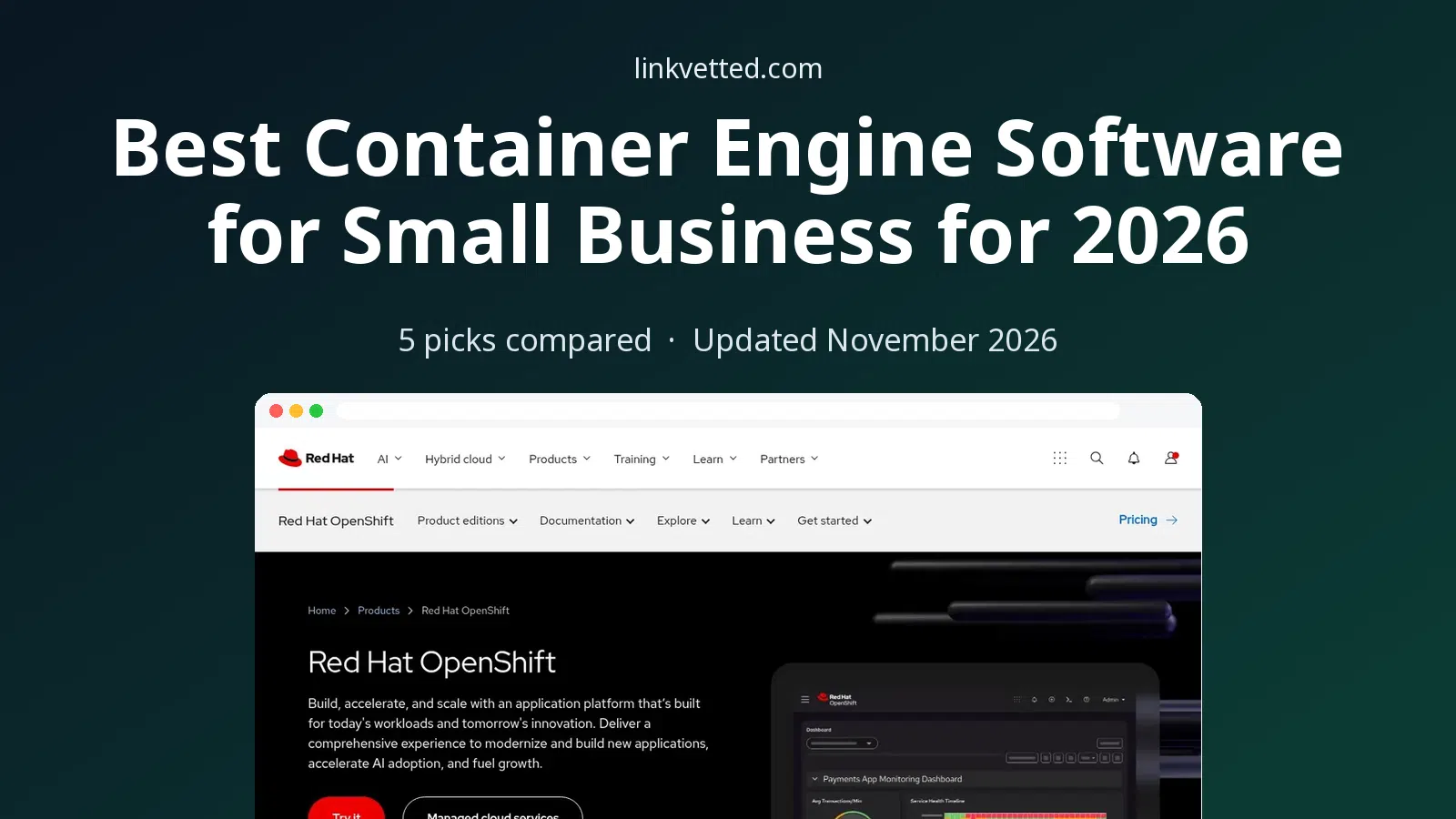
 Red Hat OpenShift
Integrated application innovation product
Starts atPricing on requestVisit redhat.comFull review - Also considerDocker Desktop
Developer-friendly containerization on any OS
Starts atPricing on requestVisit docker.comFull review
Direct answer
Amazon Elastic Container Service comes first here, mainly for fully managed container service on AWS. Red Hat OpenShift is better for integrated application innovation system, and Docker Desktop is better for developer-friendly containerization on any OS. The remaining 2 options are covered below with pricing notes and limits. None of these vendors publish plan prices, so pricing is on request for every option.
TL;DR:
- Number one here is Amazon Elastic Container Service, a fit for completely managed container service on AWS.
- Amazon Elastic Container Service, Mirantis Kubernetes Engine and the 3 others all sell by quote; expect sales conversations before you see a price.
- For managed enterprise container management, Mirantis Kubernetes Engine is worth a look.
- Amazon Elastic Container Service, Mirantis Kubernetes Engine and the 3 others all need a premium plan or a trial, since no free plan is listed.
- Check the limits for Google Kubernetes Engine before you commit: needs Google Cloud account.
Last checked November 2026. Pricing on request: vendors did not publish plan prices when this guide was last checked (November 2026), so ask each vendor for a written quote.
Quick comparison
| Tool | Best for | Starts at | Free plan? | |
|---|---|---|---|---|
| Amazon Elastic Container Service | Completely managed container service on AWS | Pricing on request | Not stated | Visit |
| Red Hat OpenShift | Integrated application innovation product | Pricing on request | Not stated | Visit |
| Docker Desktop | Developer-friendly containerization on any OS | Pricing on request | Not stated | Visit |
 Google Kubernetes Engine | Completely managed Kubernetes on Google Cloud | Pricing on request | Not stated | Visit |
 Mirantis Kubernetes Engine | Managed enterprise container management | Pricing on request | Not stated | Visit |
Our 5 picks for Container engine software for small business
Choosing Container engine software for small business usually comes down to price, fit and limits. This LinkVetted guide sets 5 tools side by side on those three points, with the facts kept short and checkable.
Amazon Elastic Container Service
Best for: Completely managed container service on AWS
Pick Amazon Elastic Container Service if this describes you: completely managed container service on AWS. Amazon Elastic Container Service (Amazon ECS) is a completely managed container service option that is simple to use, scalable, secure, and steady.
Points against: Needs AWS account and knowledge.
As for the details, small companies already using AWS can benefit from its integration with other AWS services and the convenience of a managed environment. No starting price is listed for Amazon Elastic Container Service here; confirm pricing on the vendor site. Trial and free access: Not stated.
- Completely managed by AWS
- Straightforward to use
- Tied to AWS ecosystem
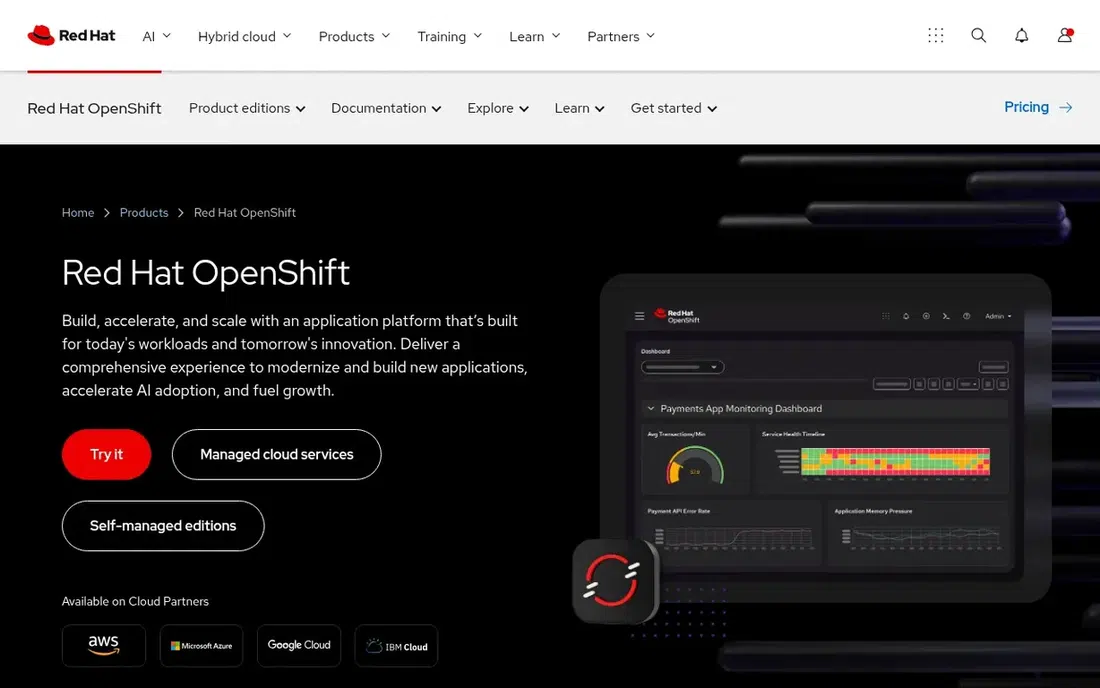
Red Hat OpenShift targets integrated application innovation product. It fits small companies that require a solid, integrated environment for containerized applications and are prepared to invest in learning the system.
Where it is weaker: May require specialized knowledge.
Beyond that, the system's breadth can be overwhelming for teams without dedicated operations staff. Red Hat OpenShift does not show a starting price in this comparison, so check the vendor site for current pricing. Free options: Not stated.
- Supports AI adoption and growth
- Enterprise-grade system
- Can be complicated for beginners
Docker Desktop
Best for: Developer-friendly containerization on any OS
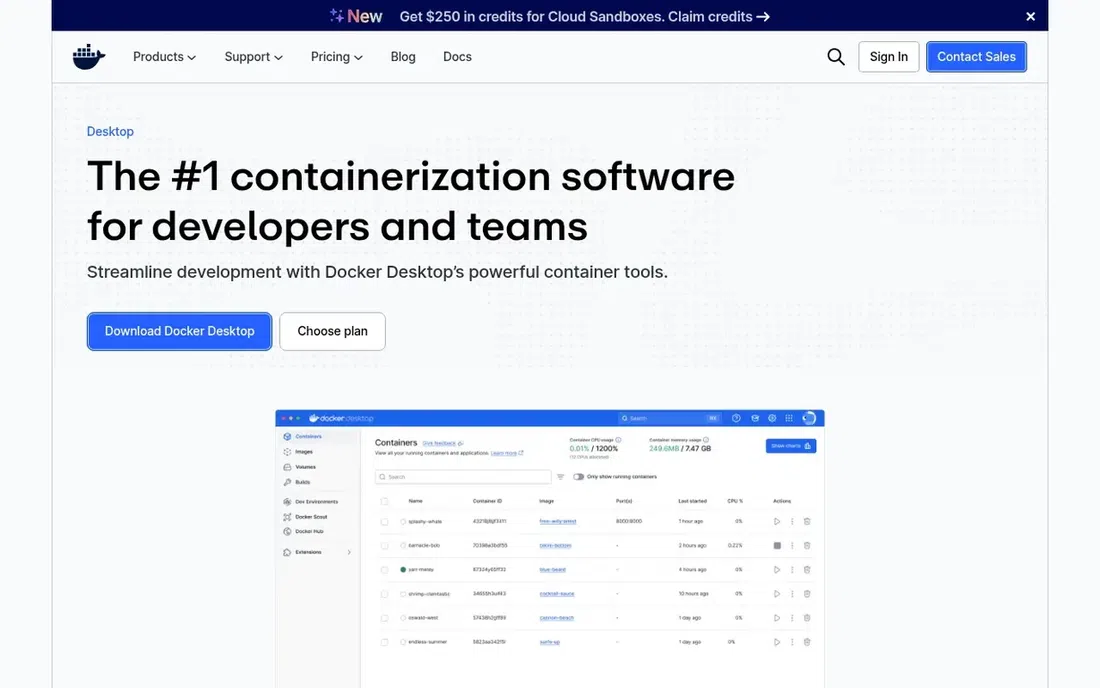
Docker Desktop serves developer-friendly containerization on any OS. It offers a graphical interface and tools to build, share, and run containers on Mac, Windows, or Linux.
This comparison lists no price for Docker Desktop; ask the vendor. As for free access: Not stated.
Honest limits: Primarily centred on developer workstations.
- Eases building and sharing containers
- Collaborative containerization software
- May need extra orchestration for production
Google Kubernetes Engine
Best for: Completely managed Kubernetes on Google Cloud
Google Kubernetes Engine works best for completely managed Kubernetes on Google Cloud. It is well suited to small companies that want to use Kubernetes without managing the control plane, particularly if they are already on Google Cloud.
GKE still needs Kubernetes expertise to use effectively, and it ties you to Google Cloud. Google Kubernetes Engine does not show a starting price in this comparison, so check the vendor site for current pricing. Free access: Not stated.
Where it falls short: Needs Google Cloud account.
- Autoscaling and multi-cluster support
- Completely managed Kubernetes service
- Kubernetes complexity remains
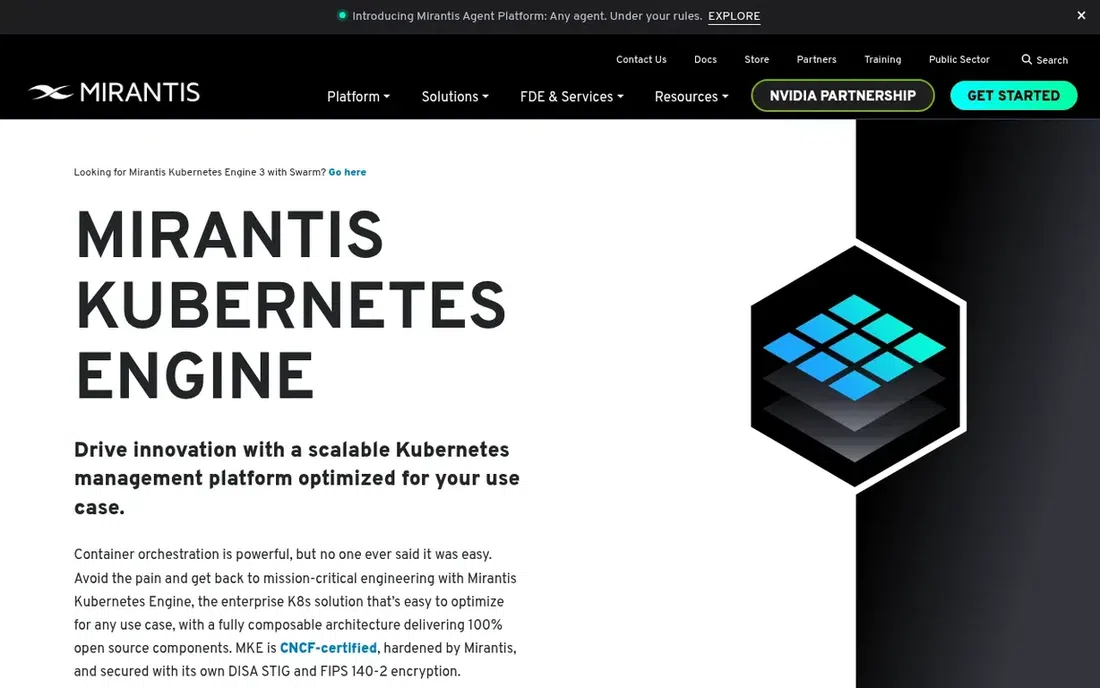
Mirantis Kubernetes Engine was built for managed enterprise container management. Small companies that require a managed option for running containers at scale may find it a solid fit, notably if they already use Kubernetes.
Trade-offs to know: May be overkill for small teams.
Consider Docker Desktop for more straightforward development needs. No starting price is listed for Mirantis Kubernetes Engine here; confirm pricing on the vendor site. Free options: Not stated.
- Supports Kubernetes and Docker
- Managed container orchestration
- Needs Kubernetes familiarity
How we built this list
Questions to settle before buying
- Confirm the entry price with every vendor: no tool from Amazon Elastic Container Service to Mirantis Kubernetes Engine shows a fixed starting price.
- Read the limits listed for Amazon Elastic Container Service first: tied to AWS ecosystem.
- Run a one or two week pilot of Red Hat OpenShift with the people who will use it every day.
- See whether Google Kubernetes Engine offers onboarding or training, and whether it is included in the price.
- Check the integration list for Docker Desktop against the tools you run today, and note which ones need a higher plan.
FAQ
Does any tool for Container engine software for small business here have a free plan?
No tool in this list, Amazon Elastic Container Service and Mirantis Kubernetes Engine included, has a permanent free plan. Trials and quotes are the usual route, so plan a short evaluation period.
How are the tools for Container engine software for small business ordered?
The order follows typical fit for Container engine software for small business, with Amazon Elastic Container Service first and Mirantis Kubernetes Engine last, then price clarity and free access. It is editorial judgement, not a score, so another team could rank the tools differently.
Is Amazon Elastic Container Service the right pick for everyone comparing Container engine software for small business?
No single tool suits every team. Amazon Elastic Container Service comes first because it fits fully managed container service on AWS, while Red Hat OpenShift suits integrated application innovation platform and Docker Desktop suits developer-friendly containerization on any OS. Match the tool to your own size, budget and workflow before deciding.
Is Docker Desktop right for small business production use?
Docker Desktop is primarily made for development environments on individual workstations. For production, small firms commonly use orchestration systems like Kubernetes or managed services such as Amazon ECS or Google Kubernetes Engine.
Can I try these tools before paying?
Not by default. None of the tools, from Amazon Elastic Container Service to Mirantis Kubernetes Engine, lists a free plan or a free trial here, so ask each vendor for a demo before committing.
Sources
- https://aws.amazon.com/ecs
- https://www.redhat.com/en/technologies/cloud-computing/openshift
- https://www.docker.com/products/docker-desktop
- https://cloud.google.com/kubernetes-engine
- https://www.mirantis.com/software/mirantis-kubernetes-engine