Best Cloud Container Orchestration Tools (2026): 6 Picks Checked on Vendor Pages
Weighing the best cloud Container orchestration tools? We lined up 6 products by cost, free access and fit. The catches are listed up front. Decide faster.
- Editor's choiceAmazon Elastic Container Service
Straightforward AWS-native container management
Starts atPricing on requestVisit aws.amazon.comFull review - Great alternative
 Mirantis Kubernetes Engine
Private and managed container orchestration
Starts atPricing on requestVisit mirantis.comFull review - Also consider
 Red Hat OpenShift
Application modernization and AI adoption
Starts atPricing on requestVisit redhat.comFull review
Direct answer
Amazon Elastic Container Service comes first here, mainly for straightforward AWS-native container management. For a different need, Mirantis Kubernetes Engine covers private and managed container orchestration and Red Hat OpenShift covers application modernization and AI adoption. The remaining 3 options are covered below with pricing notes and limits. None of these vendors publish plan prices, so pricing is on request for every option.
TL;DR:
- The list opens with Amazon Elastic Container Service, aimed at straightforward AWS-native container management.
- Red Hat OpenShift comes with a trade-off: wide product to operate.
- No starting price is shown for any of the 6 tools, Amazon Elastic Container Service and Amazon Elastic Kubernetes Service included, so plan time for sales calls.
- Amazon Elastic Kubernetes Service is the one to check for AWS-centric teams needing managed Kubernetes.
Last checked November 2026. Pricing on request: vendors did not publish plan prices when this guide was last checked (November 2026), so ask each vendor for a written quote.
Quick comparison
| Tool | Best for | Starts at | Free plan? | |
|---|---|---|---|---|
| Amazon Elastic Container Service | Straightforward AWS-native container management | Pricing on request | Not stated | Visit |
| Mirantis Kubernetes Engine | Private and managed container orchestration | Pricing on request | Not stated | Visit |
| Red Hat OpenShift | Application modernization and AI adoption | Pricing on request | Not stated | Visit |
 Rancher | Multi-cluster Kubernetes operations | Pricing on request | Not stated | Visit |
 Azure Kubernetes Service | Azure teams deploying secure containerized apps | Pricing on request | Not stated | Visit |
| Amazon Elastic Kubernetes Service | AWS-centric teams needing managed Kubernetes | Pricing on request | Not stated | Visit |
Cloud Container Orchestration Tools, one by one
LinkVetted compared 6 cloud Container orchestration tools. The goal is a practical shortlist: published prices, free plan facts, best-fit use cases and honest limits for every entry.
Amazon Elastic Container Service
Best for: Straightforward AWS-native container management
Amazon Elastic Container Service works best for straightforward AWS-native container management. Amazon Elastic Container Service is a completely managed container service solution described as simple to use, scalable, secure and steady.
Where it shines: Completely managed container service.
Where it falls short: Not a Kubernetes product. Those wanting open-source multi-cluster management may prefer Rancher. Amazon Elastic Container Service does not show a starting price in this comparison, so check the vendor site for current pricing. As for free access: Not stated.
- Secure and steady
- Scalable
- AWS-specific
Mirantis Kubernetes Engine is aimed squarely at private and managed container orchestration. Mirantis Kubernetes Engine is described as managed enterprise container management, with private and managed container orchestration for Kubernetes, Docker and more.
The enterprise orientation may be more than small teams need, and setup can involve more planning. Worth adding: teams standardized on a single public cloud may get more straightforward results from that provider's managed Kubernetes service. No starting price is listed for Mirantis Kubernetes Engine here; confirm pricing on the vendor site. Free access: Not stated.
What to check first: Less suited to straightforward single-cluster needs.
- Supports Kubernetes and Docker
- Private and managed choices
- Enterprise-focused setup
Red Hat OpenShift is built with application modernization and AI adoption in mind. Red Hat OpenShift is positioned as an application innovation system delivering a full experience with tools to modernize and build new applications, accelerate AI adoption, and fuel growth.
In daily use, a full product brings operational breadth that smaller teams may not need. Those wanting lighter multi-cluster management may find Rancher or a managed cloud Kubernetes service a better match. Check the vendor site for Red Hat OpenShift pricing; none is listed in this comparison. Free options: Not stated.
What to check first: Wide product to operate.
- Tools for modernizing apps
- Thorough application system
- Enterprise-oriented complexity
Think of Rancher for multi-cluster Kubernetes operations. Rancher adds a management layer that teams must learn and maintain, and it assumes Kubernetes familiarity.
Where it is weaker: Needs Kubernetes knowledge.
What users get: Deploy. It fits organizations running clusters across environments that want a consistent management layer rather than separate tooling per cluster. Rancher does not show a starting price in this comparison, so check the vendor site for current pricing. Free options: Not stated.
- Open-source system
- Multi-cluster orchestration
- Brings a management layer
Azure Kubernetes Service
Best for: Azure teams deploying secure containerized apps
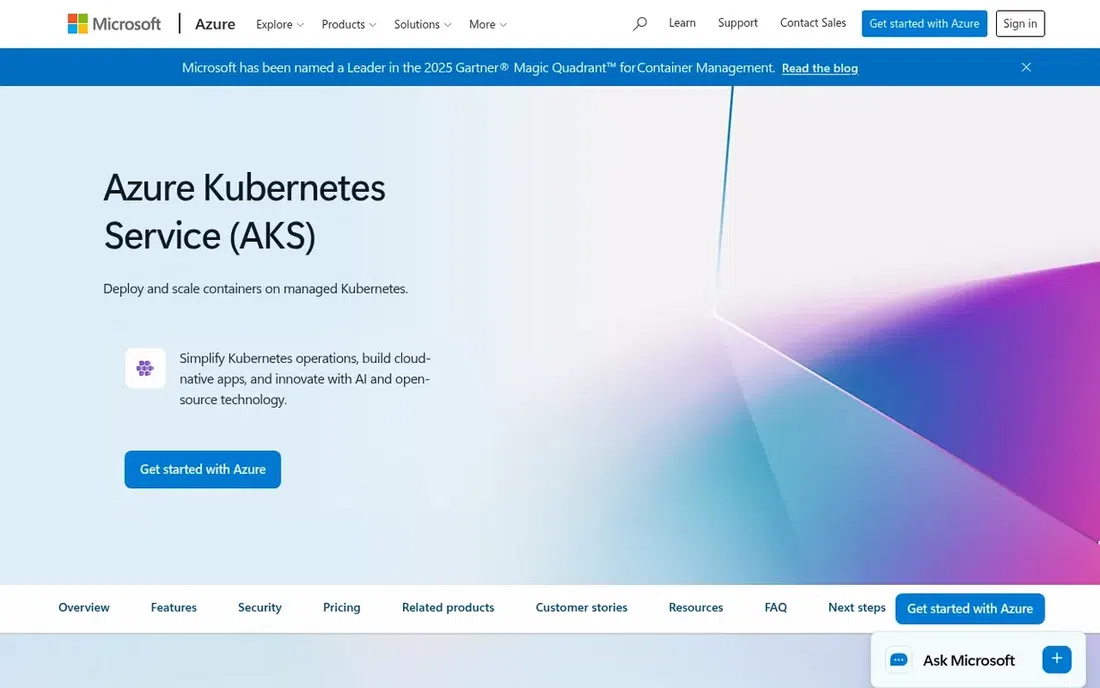
Azure Kubernetes Service is built with Azure teams deploying secure containerized apps in mind. Azure Kubernetes Service is Microsoft's managed Kubernetes offering for secure, scalable containerized app deployment and management.
The service is most natural inside Azure, so multi-cloud teams may need extra tooling. Pricing for Azure Kubernetes Service is not stated here, so ask the vendor for current figures. Free plan details: Not stated.
Downsides: Cluster tuning still required.
- Quick delivery focus
- Managed Kubernetes clusters
- Azure-centric workflow
Amazon Elastic Kubernetes Service
Best for: AWS-centric teams needing managed Kubernetes
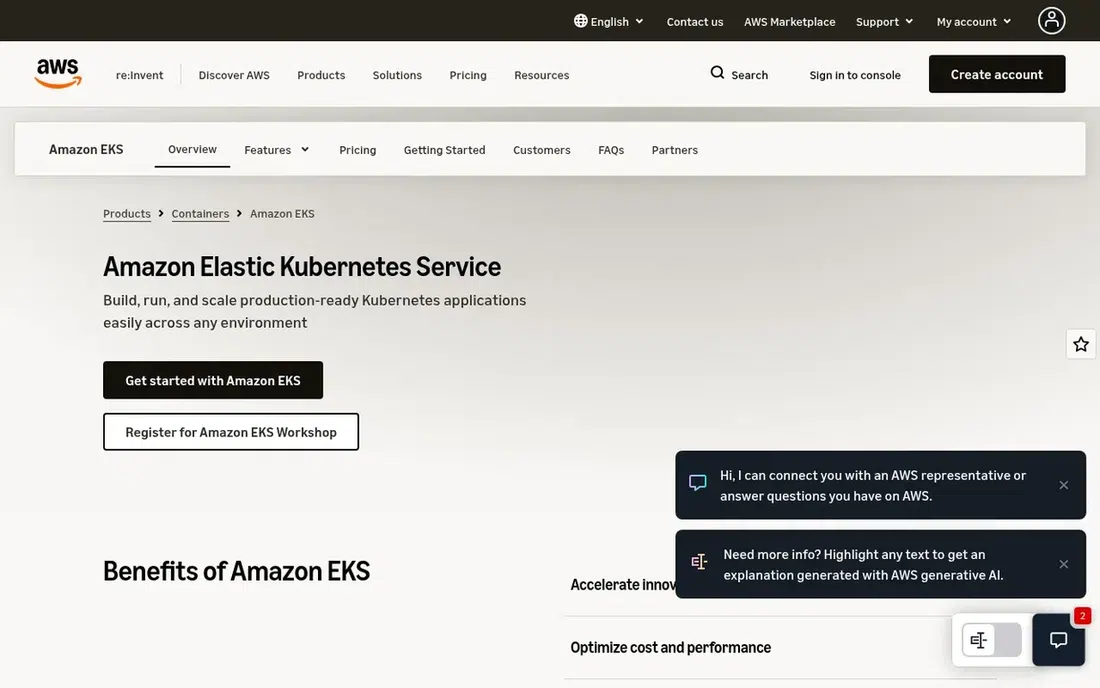
Amazon Elastic Kubernetes Service makes the most sense for AWS-centric teams needing managed Kubernetes. Amazon Elastic Kubernetes Service is a managed service and certified Kubernetes conformant offering from AWS.
Its central limitation is ecosystem gravity: teams outside AWS may find the operational model less natural. Amazon Elastic Kubernetes Service shows no starting price here, so confirm the cost on the vendor site. Free options: Not stated.
Limits to weigh: Tied to the AWS ecosystem.
- Managed control plane
- Certified Kubernetes conformant
- Needs Kubernetes expertise
Our selection method
We compared the tools on published pricing, free plan or trial availability, feature coverage for cloud Container orchestration tools, and the limits each vendor documents. Plan names, prices and limits change often. Treat the figures here as a starting point and verify them with the vendor. Tools are placed by general fit for cloud Container orchestration tools, with price clarity and free access as tie-breakers. A different team can reasonably rank them differently.
A buyer's checklist
- Request quotes from Amazon Elastic Container Service, Amazon Elastic Kubernetes Service and the others; the list shows no fixed prices.
- Before choosing Amazon Elastic Container Service, weigh its main limit: AWS-specific.
- Ask the daily users to test Red Hat OpenShift on a live task before you roll it out to everyone.
- Get the contract term, renewal terms and any onboarding fees from Rancher in writing.
- Look at which plan of Amazon Elastic Container Service unlocks the features you need; entry tiers are often cut down.
FAQ
How are the tools for cloud Container orchestration tools ordered?
The order follows typical fit for cloud Container orchestration tools, with Amazon Elastic Container Service first and Amazon Elastic Kubernetes Service last, then price clarity and free access. It is editorial judgement, not a score, so another team could rank the tools differently.
Do these tools publish their prices?
No. None of the tools, from Amazon Elastic Container Service to Amazon Elastic Kubernetes Service, shows a fixed starting price here, so budget time for quotes.
Can I try these options before paying?
Not by default. None of the tools, from Amazon Elastic Container Service to Amazon Elastic Kubernetes Service, lists a free plan or a free trial here, so ask each vendor for a demo before committing.
Does any tool for cloud Container orchestration tools here have a free plan?
No tool in this list, Amazon Elastic Container Service and Amazon Elastic Kubernetes Service included, has a permanent free plan. Trials and quotes are the usual route, so plan a short evaluation period.
Sources
- https://aws.amazon.com/ecs
- https://www.mirantis.com/software/mirantis-kubernetes-engine
- https://www.redhat.com/en/technologies/cloud-computing/openshift
- https://www.rancher.com
- https://azure.microsoft.com/en-us/products/kubernetes-service
- https://aws.amazon.com/eks