Best Cloud Application Hosting Platforms for Enterprise for 2026: Our 5 Vetted Picks
Best cloud application hosting platforms for enterprise: 5 tools compared on price, free plans and fit. Each listing flags where it falls short. Facts only.
- Editor's choice
 IBM Cloud
Regulated industries and hybrid integration
Starts atPricing on requestVisit ibm.comFull review - Great alternative
 Microsoft Azure
Microsoft-centric enterprises and hybrid estates
Starts atPricing on requestVisit azure.microsoft.comFull review - Also consider
 Amazon Web Services
Broadest service catalog and global regions
Starts atPricing on requestVisit aws.amazon.comFull review
Direct answer
If you need regulated industries and hybrid integration, IBM Cloud is the first tool to look at here. If your case is different, Microsoft Azure suits Microsoft-centric enterprises and hybrid estates and Amazon Web Services suits broadest service catalog and global regions. The other 2 tools in the list cover narrower or pricier cases. None of these vendors publish plan prices, so pricing is on request for every option.
TL;DR:
- Top of the list is IBM Cloud, which targets regulated industries and hybrid integration.
- Only Amazon Web Services offers a free plan among these 5 tools.
- Alibaba Cloud fits Asia-Pacific reach and regional hosting.
- The main caution on Microsoft Azure: service naming and scope change commonly.
Last checked November 2026. Pricing on request: vendors did not publish plan prices when this guide was last checked (November 2026), so ask each vendor for a written quote.
Quick comparison
| Tool | Best for | Starts at | Free plan? | |
|---|---|---|---|---|
| IBM Cloud | Regulated industries and hybrid integration | Pricing on request | Free trial | Visit |
| Microsoft Azure | Microsoft-centric enterprises and hybrid estates | Pricing on request | Free trial | Visit |
| Amazon Web Services | Broadest service catalog and global regions | Pricing on request | Yes | Visit |
| Google Cloud Platform | AI, data and multi-cloud workloads | Pricing on request | Not stated | Visit |
 Alibaba Cloud | Asia-Pacific reach and regional hosting | Pricing on request | Not stated | Visit |
Cloud Application Hosting Platforms for Enterprise, one by one
Choosing cloud application hosting platforms for enterprise usually comes down to price, fit and limits. This LinkVetted guide sets 5 tools side by side on those three points, with the facts kept short and checkable.
Pick IBM Cloud if this describes you: regulated industries and hybrid integration. IBM Cloud merges infrastructure choices, a development system and industry-oriented services for business workloads.
Downsides: Some services target specific verticals.
Teams that require a mix of infrastructure control and managed product services. IBM Cloud does not show a starting price in this comparison, so check the vendor site for current pricing. Free plan details: Free trial.
- Industry-focused services
- Range of infrastructure choices
- Smaller public cloud ecosystem
Microsoft Azure
Best for: Microsoft-centric enterprises and hybrid estates
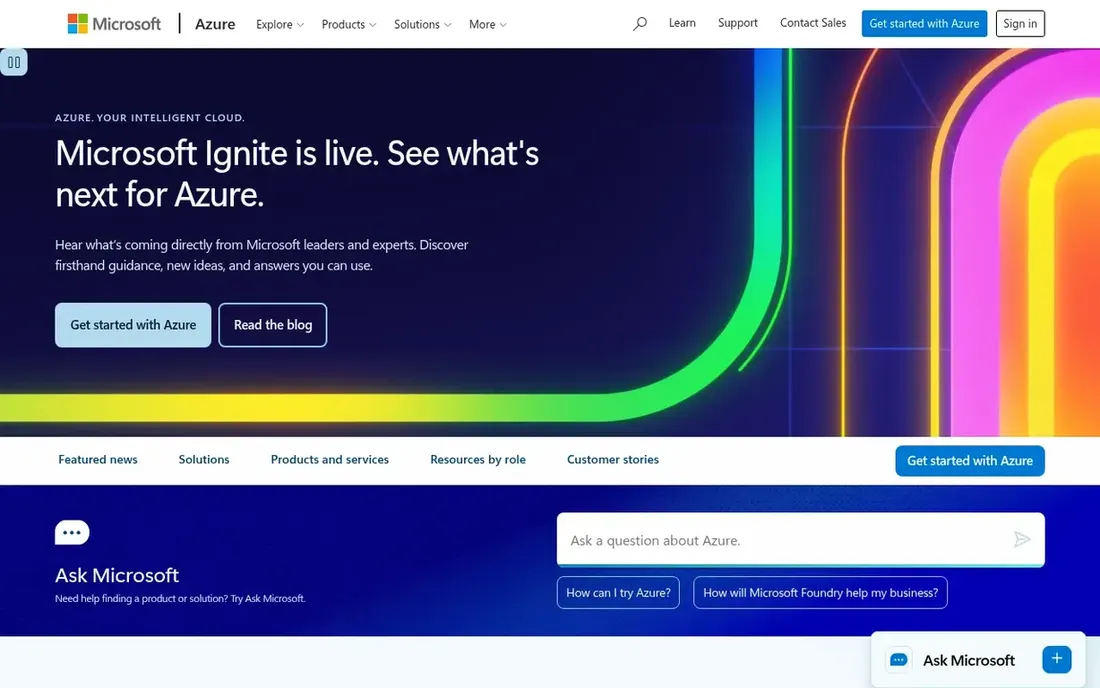
Choose Microsoft Azure for Microsoft-centric enterprises and hybrid estates. It fits enterprises already using Microsoft identity, development and productivity tools, where integrated administration and familiar workflows reduce onboarding effort for application teams moving workloads to the cloud.
Where it falls short: Governance across subscriptions needs care.
Pricing for Microsoft Azure is not stated here, so ask the vendor for current figures. Free options: Free trial.
- Solid fit with Microsoft tooling
- Hybrid and cost-saving positioning
- Service naming and scope change frequently
Amazon Web Services is aimed squarely at broadest service catalog and global regions. Amazon Web Services is a public cloud platform offering steady, scalable cloud computing services across compute, storage, networking and managed application runtimes.
Drawbacks to consider: Cost governance needs deliberate planning.
More specifically, the breadth that makes AWS capable also raises complexity, and cost management needs active governance. Check the vendor site for Amazon Web Services pricing; none is listed in this comparison. Amazon Web Services has a free plan.
- Very broad range of compute and managed services
- Broad global region footprint
- Numerous overlapping services can overwhelm teams
Google Cloud Platform
Best for: AI, data and multi-cloud workloads
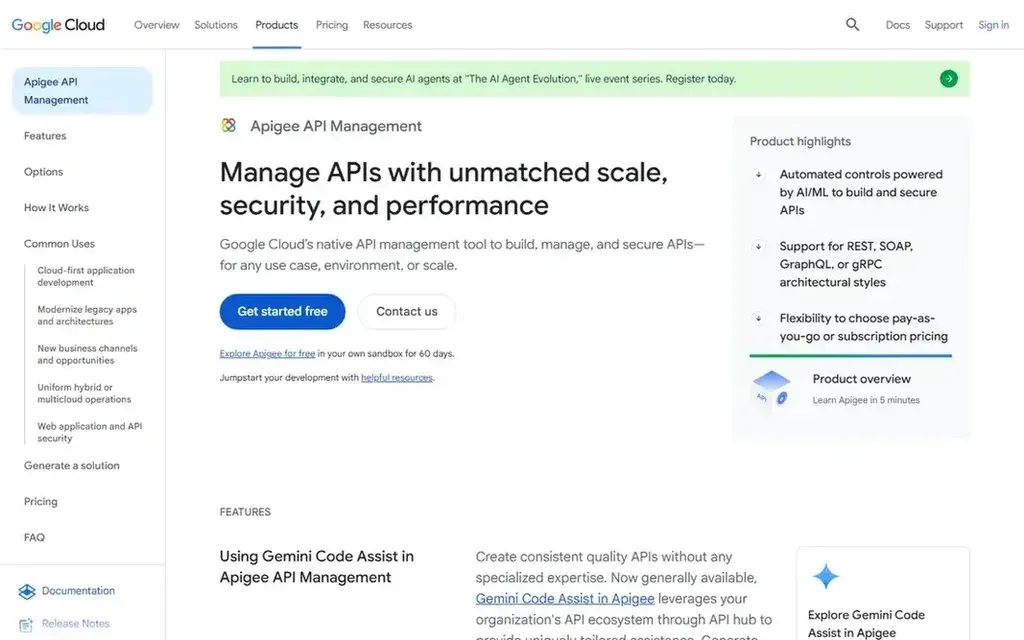
Google Cloud Platform is built with AI, data and multi-cloud workloads in mind. Enterprises with heavy Microsoft or legacy vendor commitments may find integration effort higher.
Beyond that, Google Cloud Platform presents AI and cloud computing services with a focus on security, data management and hybrid or multi-cloud deployments. As for the details, teams wanting a single vendor for every layer should compare service coverage carefully, and cost planning deserves attention given consumption-based billing. This comparison lists no price for Google Cloud Platform; ask the vendor. On free options: Not stated.
Downsides: Discount and commitment structures need study.
- AI and data management emphasis
- Hybrid and multi-cloud positioning
- Smaller enterprise footprint than top peers
Alibaba Cloud is designed for Asia-Pacific reach and regional hosting. Alibaba Cloud gives you AI and cloud computing services with a capable regional presence, particularly for enterprises operating in or expanding into Asia-Pacific markets. Teams wanting a full infrastructure stack from a single provider in those geographies.
Limits to weigh: Regional compliance needs review.
Worth adding: data residency and compliance requirements should be confirmed per region, and organizations with no regional footprint may gain little over their existing system. Also, enterprises headquartered elsewhere may find tooling, documentation and support expectations differ from familiar providers. Pricing for Alibaba Cloud is not stated here, so ask the vendor for current figures. Free options: Not stated.
- Capable regional presence in Asia-Pacific
- AI and cloud computing services
- Less familiar to plenty of Western enterprises
How we chose
LinkVetted looked at what each vendor publishes: pricing, plan limits, feature coverage for cloud application hosting platforms for enterprise and stated drawbacks. No hands-on testing is claimed. Figures are shown as the vendors publish them. Billing terms, seat minimums and add-ons can change the real cost. Position on the page reflects fit for a typical buyer first, with price clarity and free access breaking ties. Treat it as a guide, not a ruling.
Pre-purchase checklist
- Confirm the entry price with every vendor: no tool from IBM Cloud to Alibaba Cloud shows a fixed starting price.
- Look at the free plan from Amazon Web Services closely: its caps decide whether it is usable for real work.
- Take the trial from IBM Cloud and Microsoft Azure and push a live task through it before you pay.
- Read the limits listed for IBM Cloud first: smaller public cloud ecosystem.
- List the apps you already depend on and check that IBM Cloud supports each one on the plan you would buy.
- Check whether Microsoft Azure bills monthly or annually, and what cancelling early costs.
FAQ
How are the tools for cloud application hosting platforms for enterprise ordered?
IBM Cloud sits first and Alibaba Cloud last because the order follows typical fit for cloud application hosting platforms for enterprise, then price clarity and free access. It is a judgement call, so read each profile for fit and limits.
Which options for cloud application hosting platforms for enterprise have a free plan?
Amazon Web Services is the only tool in this list with a free plan. Free plans usually cap users, projects or features, so check the limits on the vendor page. Several others offer a trial instead.
Do these tools publish their prices?
No. None of the tools, from IBM Cloud to Alibaba Cloud, shows a fixed starting price here, so budget time for quotes.
Is IBM Cloud the right pick for everyone comparing cloud application hosting platforms for enterprise?
No single tool suits every team. IBM Cloud comes first because it fits regulated industries and hybrid integration, while Microsoft Azure suits Microsoft-centric enterprises and hybrid estates and Amazon Web Services suits broadest service catalog and global regions. Match the tool to your own size, budget and workflow before deciding.
How should we compare costs across providers?
Model compute, storage, networking egress and operational staffing instead of headline rates. Consumption-based billing means architecture choices drive spend, so review a realistic workload profile with each vendor.
Sources
- https://www.ibm.com/cloud
- https://azure.microsoft.com
- https://aws.amazon.com
- https://cloud.google.com
- https://www.alibabacloud.com