Best Clinical Decision Support Software (2026): 5 Picks Checked on Vendor Pages
Best clinical decision support software in 2026: 5 contenders with entry costs and free tiers. Fit, price and catches for every tool. Jump to the table.
- Editor's choiceBMJ Best Practice
Evidence-based clinical guidance
Starts atSee websiteVisit bestpractice.bmj.comFull review - Great alternativeFirst Databank
Medication decision support
Starts atSee websiteVisit fdbhealth.comFull review - Also considerIsabel
Differential diagnosis support
Starts at$49 per yearVisit isabelhealthcare.comFull review
Direct answer
Start with BMJ Best Practice if you need evidence-based clinical guidance. Listed starting prices: Isabel from $49 per year and VisualDx from $20.83 a month. For a different need, First Databank covers medication decision support and Isabel covers differential diagnosis support. The remaining 2 options are covered below with prices and limits.
TL;DR:
- BMJ Best Practice takes the first slot, best suited to evidence-based clinical guidance.
- VisualDx has the lowest monthly starting price in this list: $20.83 per month.
- VisualDx comes with a trade-off: most solid for visual specialties.
- ClinicalKey suits wide evidence-based clinical reference.
- A permanent free plan is missing from all 5 tools, BMJ Best Practice and ClinicalKey included; plan for a trial or a premium start.
Last checked November 2026. Prices and plan details were read from the vendors' own pages in November 2026; vendors change plans often, so confirm the current price on the vendor site before you buy.
Quick comparison
| Tool | Best for | Starts at | Free plan? | |
|---|---|---|---|---|
| BMJ Best Practice | Evidence-based clinical guidance | See website | Free trial | Visit |
| First Databank | Medication decision support | See website | Not stated | Visit |
| Isabel | Differential diagnosis support | $49 per year | Free trial | Visit |
| VisualDx | Visual guidance for skin concerns | $20.83 a month | Free trial | Visit |
| ClinicalKey | Wide evidence-based clinical reference | See website | Not stated | Visit |
Clinical Decision Support Software, one by one
LinkVetted compared 5 tools for clinical decision support software. The goal is a practical shortlist: published prices, free plan facts, best-fit use cases and honest limits for every entry.
BMJ Best Practice
Best for: Evidence-based clinical guidance
BMJ Best Practice works best for evidence-based clinical guidance. BMJ Best Practice is a clinical decision support resource from BMJ that offers evidence-based guidance for patient care.
BMJ Best Practice is not a dedicated drug database or visual diagnosis tool, so it may complement instead of replace specialized systems. More specifically, consider it for general evidence guidance. BMJ Best Practice does not show a starting price in this comparison, so check the vendor site for current pricing. Free access: Free trial.
Trade-offs to know: Less emphasis on visual diagnosis.
- Evidence-based content
- Clinical decision support from BMJ
- May overlap with other reference tools
First Databank
Best for: Medication decision support
First Databank targets medication decision support. It suits organizations that require medication data integrated into clinical workflows.
Honest limits: Not a diagnostic tool.
Beyond that, consider it for medication decision support within a broader clinical system. First Databank does not show a starting price in this comparison, so check the vendor site for current pricing. Free plan details: Not stated.
- Focus on safety and efficiency
- Drug database expertise
- Primarily for medication data
Isabel
Best for: Differential diagnosis support
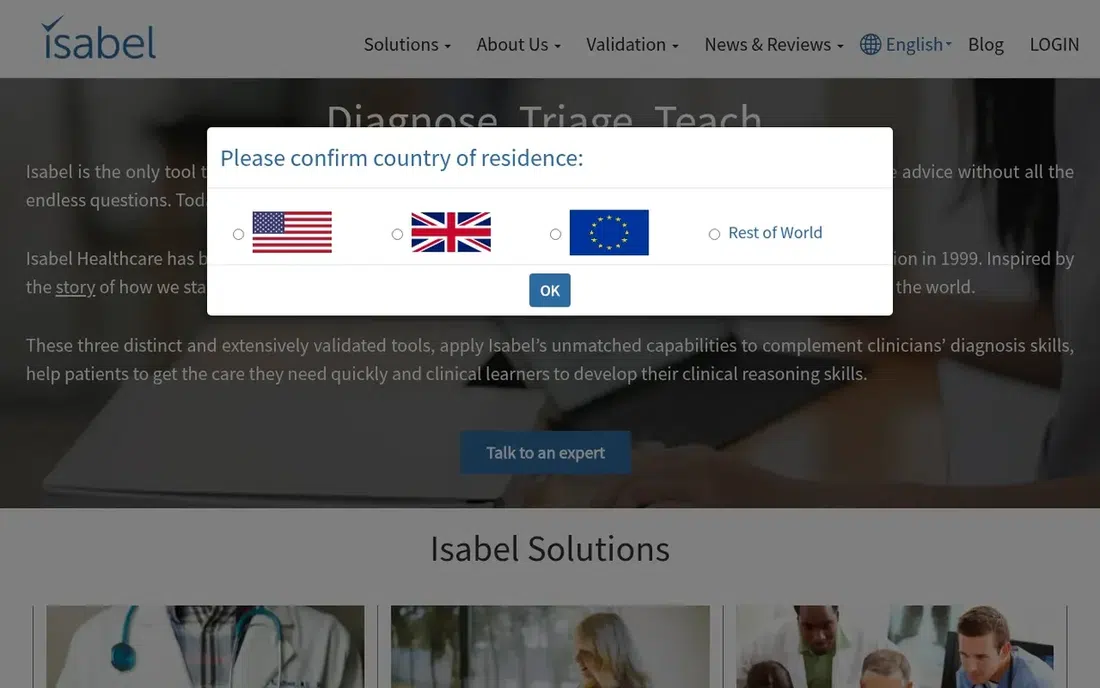
Isabel works best for differential diagnosis support. Isabel is a differential diagnosis tool for medical professionals, described as a powerful DDx generator used by thousands of clinicians daily.
Where Isabel stands out: Used by numerous clinicians daily.
Trade-offs to know: Needs structured symptom input. Isabel centres on diagnosis support instead of full drug or evidence reference, so it performs best alongside a broader clinical knowledge tool. It may not replace full reference systems for teams needing deep content. On cost, Isabel starts like this: $49 per year. Free access: Free trial.
- Differential diagnosis generator
- Helps clinicians broaden diagnostic thinking
- Not a full clinical reference system
VisualDx
Best for: Visual guidance for skin concerns
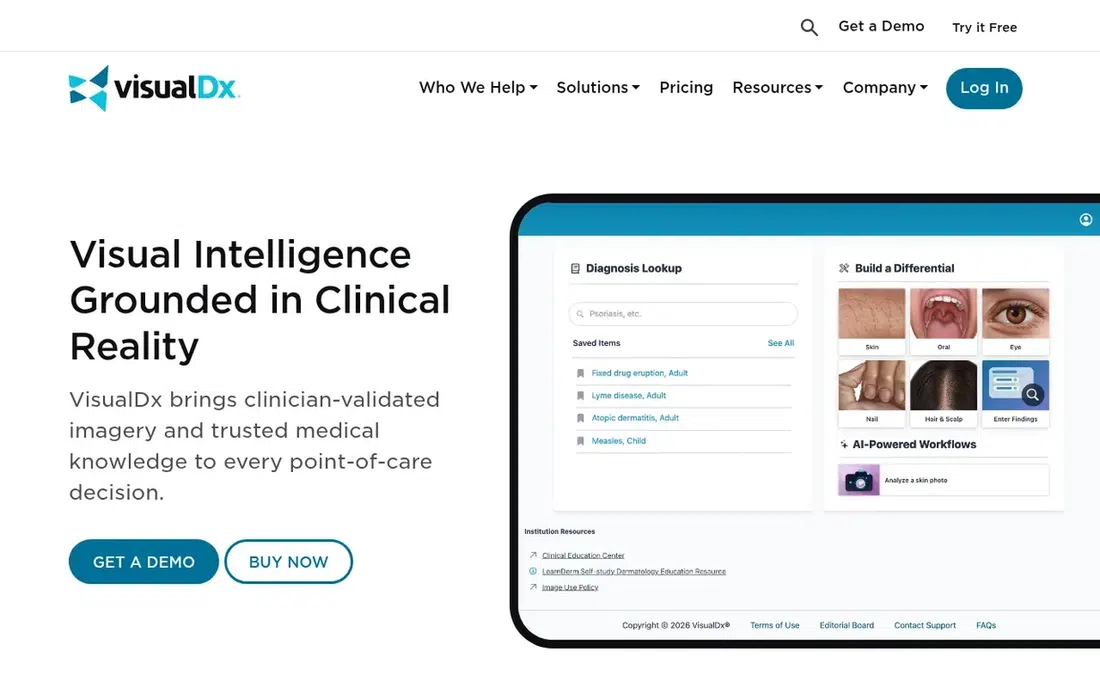
Where VisualDx fits: visual guidance for skin concerns. VisualDx is most valuable for visual conditions and may be less central for teams centred on medication safety or general evidence reference.
Drawbacks to consider: Most solid for visual specialties.
It suits dermatology, primary care, and urgent care settings where visual confirmation supports diagnosis and cuts unnecessary referrals. VisualDx starts at: $20.83 per month. As for free access: Free trial.
- Evidence-based guidance
- Inclusive image library
- Not a wide drug database
ClinicalKey
Best for: Wide evidence-based clinical reference
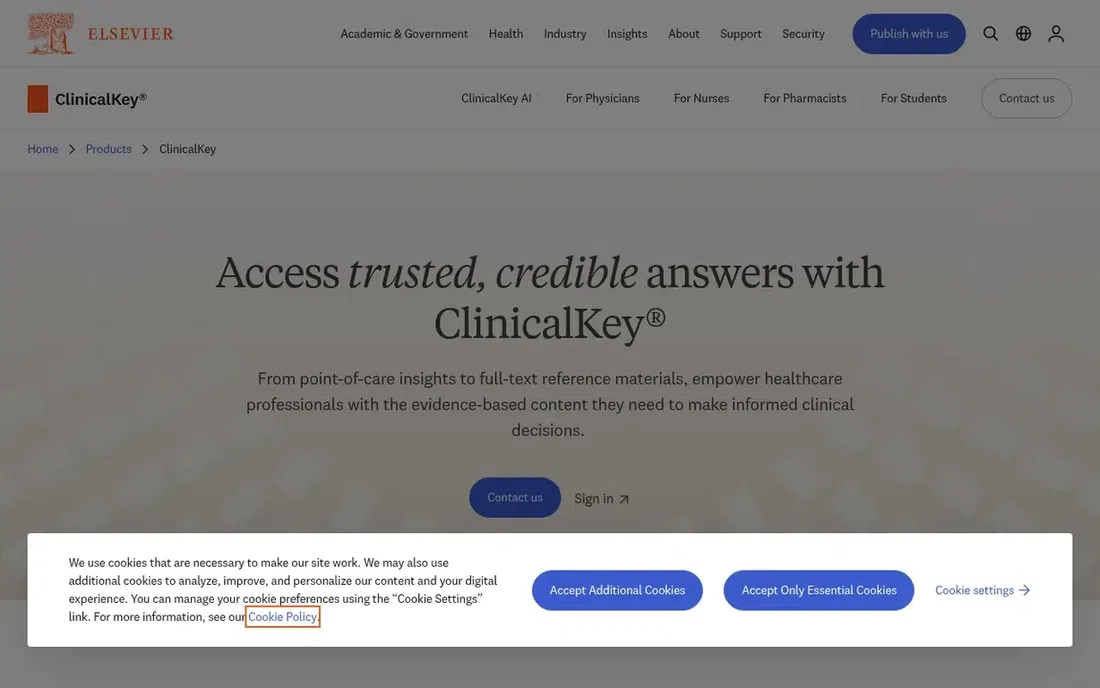
Where ClinicalKey fits: wide evidence-based clinical reference. ClinicalKey is a clinical reference system from Elsevier that gives you physicians with evidence-based information to stay current and make informed decisions.
For everyday use, ClinicalKey is not a diagnostic generator or drug interaction checker. So teams concentrated on differential diagnosis or medication safety may need complementary tools. This comparison lists no price for ClinicalKey; ask the vendor. Free plan details: Not stated.
Limits to weigh: Not a dedicated differential diagnosis generator.
- Evidence-based content for informed decisions
- Supports staying current with medical information
- May need integration planning
How the list was put together
Questions to settle before buying
- Ask BMJ Best Practice, First Databank and ClinicalKey for a written quote, since no starting price is shown.
- Use real work to test the free trial from BMJ Best Practice, Isabel and VisualDx, rather than a demo project.
- Read the limits listed for BMJ Best Practice first: less emphasis on visual diagnosis.
- Confirm minimum seats and billing terms with First Databank before you commit to an annual plan.
- Confirm the exact BMJ Best Practice plan that includes your must-have features.
FAQ
Can I try these options before paying?
Often, yes. BMJ Best Practice, Isabel and VisualDx offer a free trial. Use your own data and a real task during the test, and check what the free tier or trial limits before you rely on it.
Are these tools right for all specialties?
Some tools are wide, whereas others focus on specific areas for example dermatology (VisualDx) or medication data (First Databank). From a buyer's view, match the tool to your specialty and workflow needs.
Can these tools integrate with electronic health records?
Numerous clinical decision support tools offer integration choices, but capabilities vary by vendor and product. Check with each vendor about compatibility with your electronic health record system.
Is BMJ Best Practice the right pick for everyone comparing clinical decision support software?
No single tool suits every team. BMJ Best Practice comes first because it fits evidence-based clinical guidance, while First Databank suits medication decision support and Isabel suits differential diagnosis support. Match the tool to your own size, budget and workflow before deciding.
What is clinical decision support software?
Clinical decision support software helps clinicians apply evidence and guidance at the point of care. It can bundle reference content, differential diagnosis tools, medication databases, and visual guidance systems.
How are the tools for clinical decision support software ordered?
The order follows typical fit for clinical decision support software, with BMJ Best Practice first and ClinicalKey last, then price clarity and free access. It is editorial judgement, not a score, so another team could rank the tools differently.
Sources
- https://bestpractice.bmj.com
- https://www.fdbhealth.com
- https://www.isabelhealthcare.com
- https://www.visualdx.com
- https://www.elsevier.com/products/clinicalkey