Best Clinical Documentation Software for Remote Teams (2026): 5 Picks Checked on Vendor Pages
Best clinical documentation software for remote teams: 5 tools compared on price, free plans and fit. Clear notes on pricing gaps and limits. Details below.
- Editor's choice
 eClinicalWorks
Ambulatory practices seeking all-in-one EHR
Starts atPricing on requestVisit eclinicalworks.comFull review - Great alternative
 Nuance Dragon Medical One
Voice-driven clinical documentation
Starts atPricing on requestVisit nuance.comFull review - Also considerDoximity
Secure professional network and mobile documentation
Starts atPricing on requestVisit doximity.comFull review
Direct answer
eClinicalWorks is the first pick on this list for ambulatory practices seeking all-in-one EHR. Nuance Dragon Medical One is better for voice-driven clinical documentation, and Doximity is better for secure professional network and mobile documentation. The other 2 tools in the list cover narrower or pricier cases. None of these vendors publish plan prices, so pricing is on request for every option.
TL;DR:
- Top of the list is eClinicalWorks, which targets ambulatory practices seeking all-in-one EHR.
- A fair warning about eClinicalWorks: user interface can be complicated.
- A permanent free plan is missing from all 5 tools, eClinicalWorks and Epic Systems included; plan for a trial or a premium start.
- No starting price is shown for any of the 5 tools, eClinicalWorks and Epic Systems included, so plan time for sales calls.
Last checked November 2026. Pricing on request: vendors did not publish plan prices when this guide was last checked (November 2026), so ask each vendor for a written quote.
Quick comparison
| Tool | Best for | Starts at | Free plan? | |
|---|---|---|---|---|
| eClinicalWorks | Ambulatory practices seeking all-in-one EHR | Pricing on request | Not stated | Visit |
| Nuance Dragon Medical One | Voice-driven clinical documentation | Pricing on request | Not stated | Visit |
| Doximity | Secure professional network and mobile documentation | Pricing on request | Not stated | Visit |
 Oracle Health | Secure, scalable healthcare options | Pricing on request | Not stated | Visit |
| Epic Systems | Large integrated health systems | Pricing on request | Not stated | Visit |
5 clinical documentation software for remote teams in detail
Short on time? The summary and table above give the quick view of 5 clinical documentation software for remote teams, and the profiles that follow give the detail behind each entry.
Choose eClinicalWorks for ambulatory practices seeking all-in-one EHR. It provides features like telehealth, patient portals, and mobile access, enabling clinicians to document care from anywhere.
What to check first: Support experiences vary.
Some users find the interface complicated and note variability in support quality. In daily use, practices needing a more straightforward option or highly specialized documentation may want to consider other choices, but eClinicalWorks remains a solid choice for those seeking an integrated system. Pricing for eClinicalWorks is not stated here, so ask the vendor for current figures. On free options: Not stated.
- Telehealth integration
- Full EHR and PM features
- User interface can be complicated
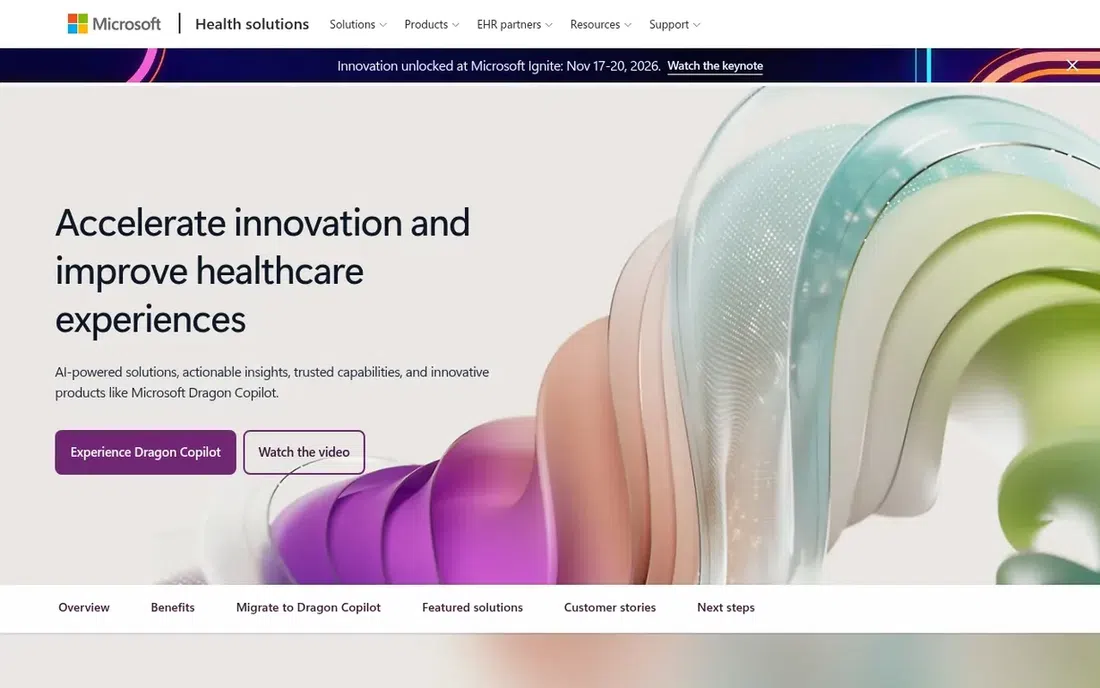
Think of Nuance Dragon Medical One for voice-driven clinical documentation. It is a strong match for remote teams looking to simplify documentation workflows and cut the time spent typing.
What to check first: May need training for optimal use.
The tool connects with major EHRs and supports mobile use, making it a solid choice for clinicians who prefer hands-free documentation. Nuance Dragon Medical One does not show a starting price in this comparison, so check the vendor site for current pricing. Trial and free access: Not stated.
- Cloud-based access from anywhere
- Cuts manual typing
- Needs stable internet connection
Doximity
Best for: Secure professional network and mobile documentation
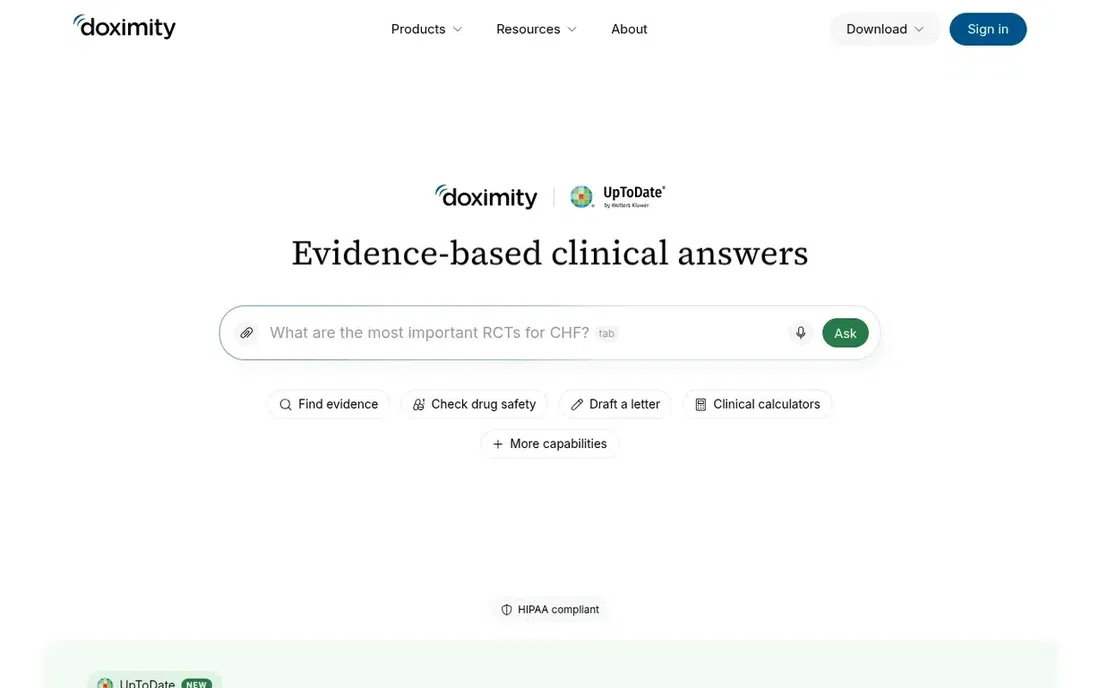
In short, Doximity is for secure professional network and mobile documentation. Doximity is a system built for U.S. Healthcare professionals, offering secure communication and mobile tools that support remote clinical work. It is well suited for individual clinicians or teams that require a dependable way to share patient information and document encounters on the go.
Honest limits: Restricted customization for specialty workflows.
In practice, Doximity is not a thorough EHR and may lack advanced clinical documentation templates or integration with practice management systems. Teams that require full electronic health record functionality or in-depth specialty-specific documentation should consider a dedicated EHR option instead. Beyond that, the platform emphasizes privacy and simplicity, making it a practical choice for remote teams that need fast access to professional networking and documentation features. Pricing for Doximity is not stated here, so ask the vendor for current figures. On free options: Not stated.
- Secure messaging and collaboration
- Widely used by U.S. physicians
- Not a full EHR system
Oracle Health targets secure, scalable healthcare options. It is built to support clinical documentation and data exchange for remote teams, with an emphasis on security and scalability.
Points against: May need vendor consultation for details.
It may be best for organizations already using Oracle products or those needing enterprise-level security. This comparison lists no price for Oracle Health; ask the vendor. Trial and free access: Not stated.
- Integrated insights
- Focus on security and reliability
- Restricted public documentation
Epic Systems
Best for: Large integrated health systems
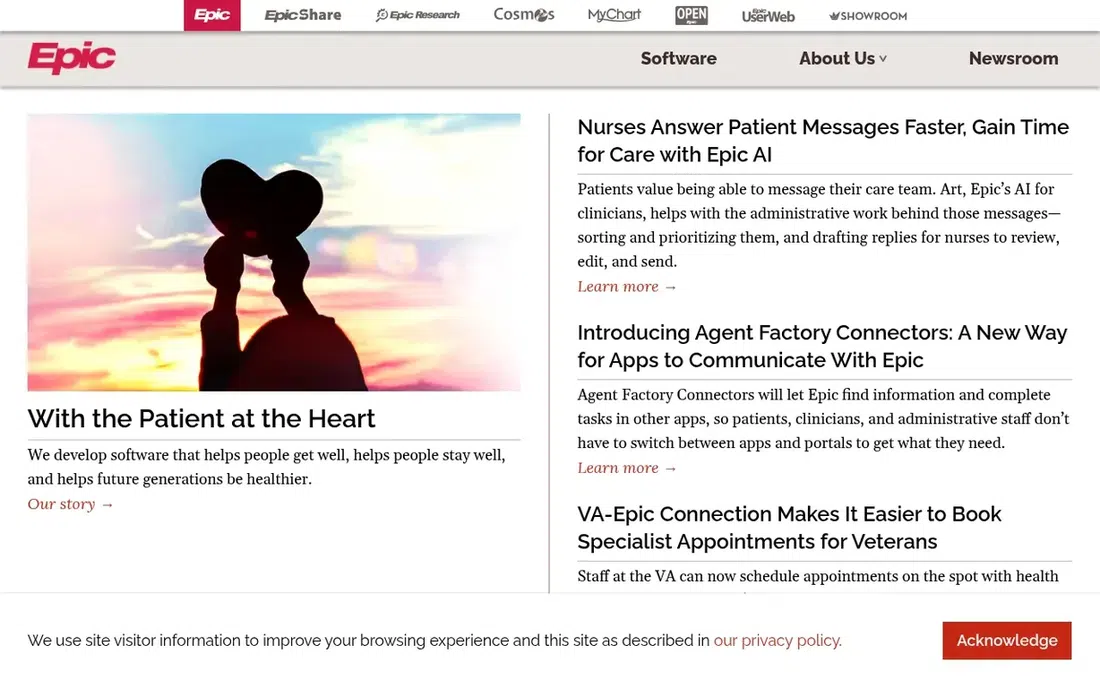
Epic Systems targets large integrated health systems. Epic Systems is a full electronic health record (EHR) system used by numerous large healthcare organizations.
It provides broad clinical documentation tools, including templates, order entry, and remote access, making it right for integrated health systems with remote teams. In practice, Epic supports collaboration across departments and gives you many different features to document patient care thoroughly. Pricing for Epic Systems is not stated here, so ask the vendor for current figures. Free options: Not stated.
Where it falls short: Complicated implementation.
- Capable interoperability
- Solid remote access choices
- High resource requirements
Selection criteria
The comparison looks at four things: starting price, free access, how well the feature set matches clinical documentation software for remote teams, and the main limit of each tool. Figures are shown as the vendors publish them. Billing terms, seat minimums and add-ons can change the real cost. Tools are placed by general fit for clinical documentation software for remote teams, with price clarity and free access as tie-breakers. A different team can reasonably rank them differently.
A buyer's checklist
- Request quotes from eClinicalWorks, Epic Systems and the others; the list shows no fixed prices.
- Before choosing eClinicalWorks, weigh its main limit: user interface can be complicated.
- Confirm that Doximity connects to the apps your team already uses, on the plan you would actually buy.
- Let daily users try eClinicalWorks on real work; their feedback beats any feature checklist.
- Test how quickly Epic Systems answers a pre-sales question; it hints at how support will feel later.
FAQ
Is eClinicalWorks the right pick for everyone comparing clinical documentation software for remote teams?
No single tool suits every team. eClinicalWorks comes first because it fits ambulatory practices seeking all-in-one EHR, while Nuance Dragon Medical One suits voice-driven clinical documentation and Doximity suits secure professional network and mobile documentation. Match the tool to your own size, budget and workflow before deciding.
Does any tool for clinical documentation software for remote teams here have a free plan?
A permanent free plan is not offered by eClinicalWorks, Epic Systems or the other tools here. Plan a short evaluation period instead.
Can I try these tools before paying?
Not by default. None of the tools, from eClinicalWorks to Epic Systems, lists a free plan or a free trial here, so ask each vendor for a demo before committing.
How do voice recognition tools like Nuance Dragon Medical One compare to traditional EHR documentation?
Voice recognition tools can accelerate documentation by allowing clinicians to dictate notes naturally. They are commonly used alongside EHRs instead of replacing them.
Do these tools publish their prices?
No. None of the tools, from eClinicalWorks to Epic Systems, shows a fixed starting price here, so budget time for quotes.
What features should remote clinical teams look for in documentation software?
Remote teams should prioritize secure cloud access, mobile compatibility, and live collaboration tools. Integration with existing EHRs and specialty-specific templates can also boost efficiency.
Sources
- https://www.eclinicalworks.com
- https://www.nuance.com/healthcare/dragon-medical-one.html
- https://www.doximity.com
- https://www.oracle.com/health
- https://www.epic.com