The 6 Best Clinical Decision Support Software for Nurse Practitioners in 2026, Ranked
Best clinical decision support software for nurse practitioners: 6 tools compared on price, free plans and fit. Every entry states what it lacks. No hype.
- Editor's choice
 Oracle Health
Health systems seeking secure, steady systems
Starts atSee websiteVisit oracle.comFull review - Great alternativeClinicalKey
Wide evidence-based reference library
Starts atSee websiteVisit elsevier.comFull review - Also considerVisualDx
Visual guidance for skin concerns
Starts at$20.83 per monthVisit visualdx.comFull review
Direct answer
For Health systems seeking secure, dependable products, Oracle Health is where this list starts. Listed starting prices: VisualDx from $20.83 per month and Isabel from $49 per year. Alternatives: ClinicalKey for wide evidence-based reference library, and VisualDx for visual guidance for skin concerns. Prices, free plans and limits for all 6 tools follow.
TL;DR:
- This list starts with Oracle Health, which is built for Health systems seeking secure, dependable platforms.
- A permanent free plan is missing from all 6 tools, Oracle Health and Isabel included; plan for a trial or a premium start.
- A fair warning about ClinicalKey: large library can feel overwhelming.
- For structured differential diagnosis support, Isabel is worth a look.
- The cheapest monthly starting price in the list is $20.83 per month, offered by VisualDx.
Last checked November 2026. Prices and plan details were read from the vendors' own pages in November 2026; vendors change plans often, so confirm the current price on the vendor site before you buy.
Quick comparison
| Tool | Best for | Starts at | Free plan? | |
|---|---|---|---|---|
| Oracle Health | Health systems seeking secure, steady systems | See website | Not stated | Visit |
| ClinicalKey | Wide evidence-based reference library | See website | Not stated | Visit |
| VisualDx | Visual guidance for skin concerns | $20.83 per month | Free trial | Visit |
| BMJ Best Practice | Stepwise clinical guidance and pathways | See website | Free trial | Visit |
| Epic Systems | NPs inside integrated health systems | See website | Not stated | Visit |
| Isabel | Structured differential diagnosis support | $49 per year | Free trial | Visit |
Every option for clinical decision support software for nurse practitioners explained
This LinkVetted guide covers 6 clinical decision support software for nurse practitioners. Each profile lists a starting price, free plan details, strengths and drawbacks, so you can drop poor fits quickly.
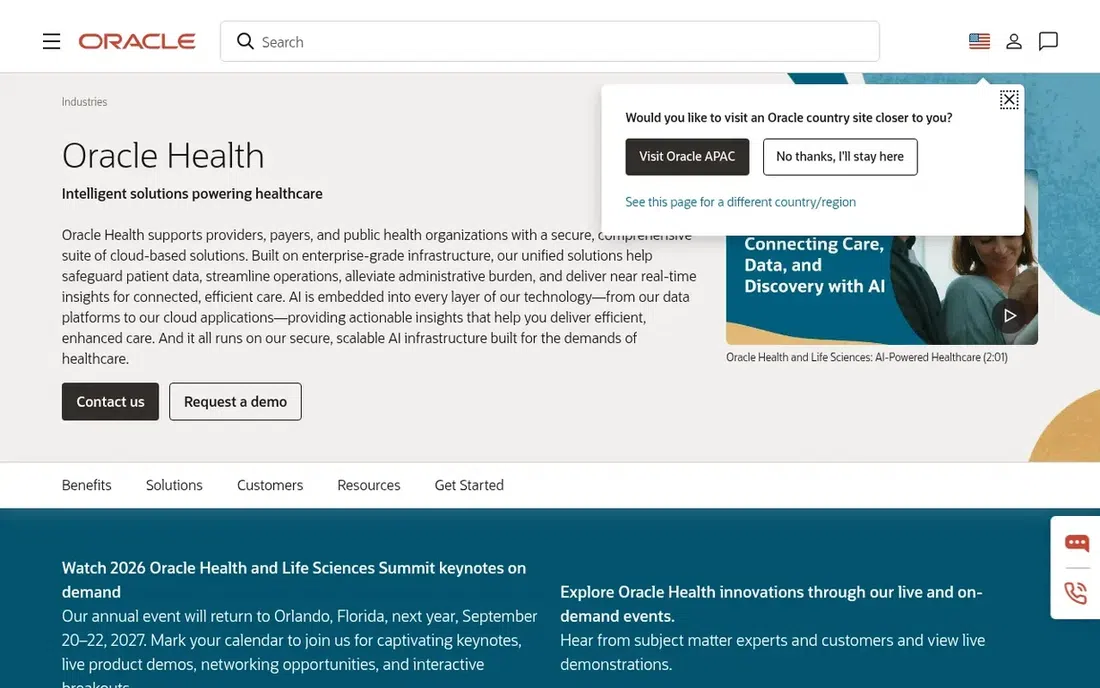
Oracle Health serves Health systems seeking secure, steady products. Nurse practitioners in hospital or health system settings may encounter it as part of broader clinical infrastructure. Beyond that, Oracle Health describes its work as advancing how health happens through secure and steady options that support better healthcare insights and people-centric experiences.
The daily experience varies with local configuration and workflow design. Like other enterprise products, Oracle Health is implemented at the organizational level, so individual NPs seldom choose it alone. Check the vendor site for Oracle Health pricing; none is listed in this comparison. Free access: Not stated.
What to check first: Configuration relies on the organization.
- People-centric experience emphasis
- Aims at better healthcare insights
- Enterprise scope can feel complicated
ClinicalKey
Best for: Wide evidence-based reference library
Choose ClinicalKey for wide evidence-based reference library. ClinicalKey from Elsevier supplies physicians with evidence-based information to stay current and make informed decisions.
What to check first: Large library can feel overwhelming.
For nurse practitioners, it functions as a deep reference library including many different clinical topics. In daily use, access is often arranged through an institution, so individual availability should be confirmed. Pricing for ClinicalKey is not stated here, so ask the vendor for current figures. Free options: Not stated.
- Evidence-based information for clinicians
- Broad content breadth
- Access normally through an institution
VisualDx
Best for: Visual guidance for skin concerns
VisualDx is aimed squarely at visual guidance for skin concerns. Nurse practitioners who see rashes, lesions and other visual findings will find it a natural fit alongside their assessment routine. Its strength is visual diagnosis, so it spans less ground than a full evidence reference for non-visual conditions.
Worth adding: some NPs may need a second tool for broader clinical questions. If your caseload seldom involves dermatologic findings, a general resource like BMJ Best Practice or ClinicalKey may be the better primary choice. Starting cost for VisualDx: $20.83 per month. Free plan details: Free trial.
What to check first: Narrower scope than general references.
- Trusted visuals at the point of care
- Evidence-based guidance included
- Best value for visual specialties
BMJ Best Practice
Best for: Stepwise clinical guidance and pathways
BMJ Best Practice makes the most sense for Stepwise clinical guidance and pathways. BMJ Best Practice is a clinical decision support resource from BMJ that presents condition information in a structured, practical format.
It is also text-centered, which makes it less useful for visual findings. If dermatologic images or a differential diagnosis generator are central to your needs, consider VisualDx or Isabel instead. This comparison lists no price for BMJ Best Practice; ask the vendor. Free access: Free trial.
Where it is weaker: Less centred on visual diagnosis.
- Structured clinical topic coverage
- Handy for typical presentations
- Needs access through an organization
Epic Systems
Best for: NPs inside integrated health systems
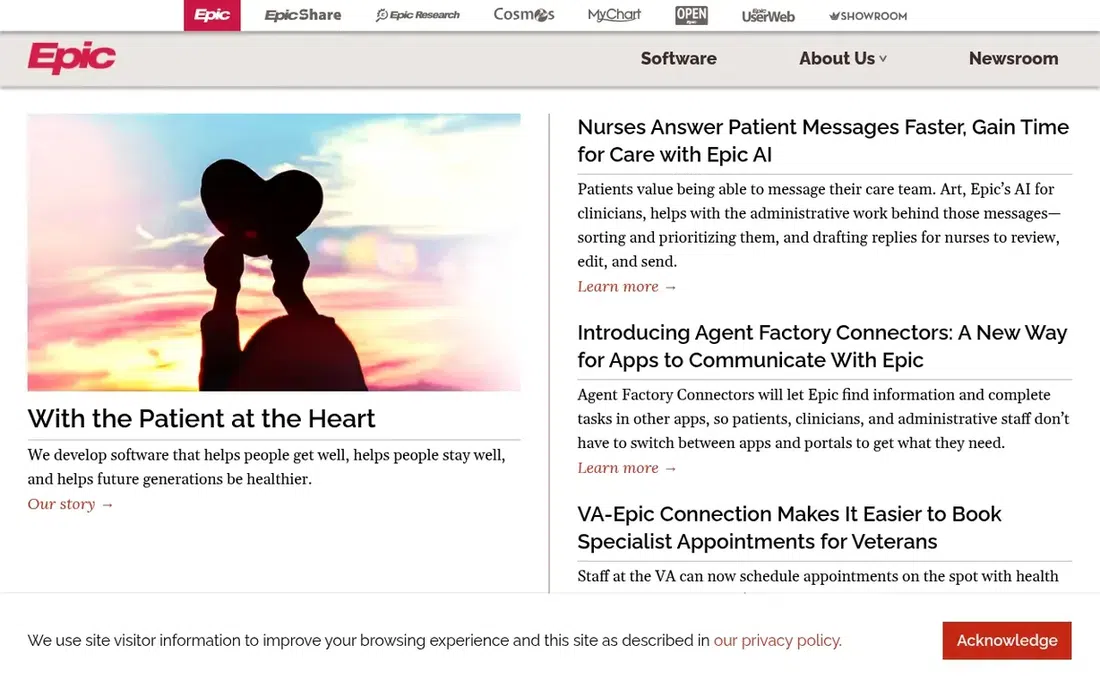
Epic Systems was built for NPs inside integrated health systems. Epic Systems develops software built to help people get well, stay well and support future generations.
It suits NPs practicing within organizations that already run Epic, where shared workflows and coordinated care matter more than standalone tools. Pricing for Epic Systems is not stated here, so ask the vendor for current figures. Free plan details: Not stated.
- Long-standing healthcare software focus
- Decision support embedded in the patient chart
- Adoption tied to organizational contracts
Isabel
Best for: Structured differential diagnosis support
Where Isabel fits: structured differential diagnosis support. Isabel supplies a differential diagnosis generator for medical professionals, presented as a capable tool for building DDx lists. The tool relies on the clinical details you enter, so vague inputs produce vague suggestions, and it does not replace clinical judgment.
Drawbacks to consider: Output quality relies on input detail.
It also is not a full electronic record or workflow system. Beyond that, for nurse practitioners, it is most handy when a presentation is ambiguous and you want a structured prompt of possibilities to consider. Isabel starts at: $49 per year. Free plan details: Free trial.
- Aimed at medical professionals
- Creates differential diagnosis lists
- Not a full documentation system
What went into this list
LinkVetted looked at what each vendor publishes: pricing, plan limits, feature coverage for clinical decision support software for nurse practitioners and stated drawbacks. No hands-on testing is claimed. Seat minimums, billing terms and add-ons can move the real cost, so the starting prices here are a guide and not a quote. Tools are placed by general fit for clinical decision support software for nurse practitioners, with price clarity and free access as tie-breakers. A different team can reasonably rank them differently.
Pre-purchase checklist
- Ask Oracle Health, ClinicalKey, BMJ Best Practice and Epic Systems for a written quote, since no starting price is shown.
- Take the trial from VisualDx, BMJ Best Practice and Isabel and push a live task through it before you pay.
- Before choosing Oracle Health, weigh its main limit: enterprise scope can feel complicated.
- Test the integrations you rely on with Oracle Health before committing; some connectors sit on upper tiers.
- Check how data leaves VisualDx: formats, limits and whether exports are available on every plan.
FAQ
Can these tools replace clinical judgment?
No. They are intended to support informed decisions, not replace assessment and judgment. Use them as prompts and references, and confirm findings against your own evaluation and local protocols.
Do these tools publish their prices?
Not all of them. Oracle Health, ClinicalKey, BMJ Best Practice and Epic Systems publish no starting price, so expect a quote request for those. The rest, VisualDx included, show a starting price, though seats and billing terms still change the final cost.
Does any tool for clinical decision support software for nurse practitioners here have a free plan?
A permanent free plan is not offered by Oracle Health, Isabel or the other tools here. VisualDx, BMJ Best Practice, Isabel offer a trial. Plan a short evaluation period instead.
Do I need an institutional relationship to use these tools?
Confirm availability and access terms straight with each vendor before committing, since arrangements vary by setting.
Is Oracle Health the right pick for everyone comparing clinical decision support software for nurse practitioners?
No single tool suits every team. Oracle Health comes first because it fits Health systems seeking secure, reliable platforms, while ClinicalKey suits broad evidence-based reference library and VisualDx suits visual guidance for skin concerns. Match the tool to your own size, budget and workflow before deciding.
Can I try these tools before paying?
Often, yes. VisualDx, BMJ Best Practice and Isabel offer a free trial. Use your own data and a real task during the test, and check what the free tier or trial limits before you rely on it.
Sources
- https://www.oracle.com/health
- https://www.elsevier.com/products/clinicalkey
- https://www.visualdx.com
- https://bestpractice.bmj.com
- https://www.epic.com
- https://www.isabelhealthcare.com