Best Big Data Technologies (2026): 5 Picks Checked on Vendor Pages
Best big data technologies in 2026: 5 tools with starting prices, free plans and limits. Fit and flaws are laid out for each entry. Quick comparison inside.
- Editor's choiceConfluent Platform
Live data streaming and governance
Starts at$385 a monthVisit confluent.ioFull review - Great alternative
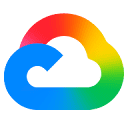 Google BigQuery
Autonomous data and AI warehousing
Starts atSee websiteVisit cloud.google.comFull review - Also considerApache Spark (Databricks)
Multi-language data engineering and ML
Starts atSee websiteVisit spark.apache.orgFull review
Direct answer
Confluent Platform comes first here, mainly for live data streaming and governance. Listed starting prices: Confluent Platform from $385 a month. Google BigQuery is better for autonomous data and AI warehousing, and Apache Spark (Databricks) is better for multi-language data engineering and ML. The other 2 tools in the list cover narrower or pricier cases.
TL;DR:
- This list starts with Confluent Platform, which is built for real-time data streaming and governance.
- The main caution on Google BigQuery: Google Cloud alignment required.
- For the cheapest start, look at Confluent Platform: $385 per month.
- Databricks is the one to check for unified data, analytics, and AI system.
- Confluent Platform stands alone as the one tool in this list with a free plan.
Last checked November 2026. Prices and plan details were read from the vendors' own pages in November 2026; vendors change plans often, so confirm the current price on the vendor site before you buy.
Quick comparison
| Tool | Best for | Starts at | Free plan? | |
|---|---|---|---|---|
| Confluent Platform | Live data streaming and governance | $385 a month | Yes | Visit |
| Google BigQuery | Autonomous data and AI warehousing | See website | Not stated | Visit |
| Apache Spark (Databricks) | Multi-language data engineering and ML | See website | Not stated | Visit |
 Amazon Redshift | Completely managed cloud data warehousing | See website | Not stated | Visit |
 Databricks | Unified data, analytics, and AI product | See website | Not stated | Visit |
Tool-by-tool breakdown
Choosing big data technologies usually comes down to price, fit and limits. This LinkVetted guide sets 5 tools side by side on those three points, with the facts kept short and checkable.
Confluent Platform
Best for: Live data streaming and governance
Confluent Platform is designed for live data streaming and governance. Confluent Platform is described as a live data streaming system that lets teams stream, link, process, govern, and query live data with one unified, resilient, and open foundation.
Where it is weaker: Streaming focus over warehousing.
It suits organizations building event-driven pipelines and needing governance around streaming data. Entry price for Confluent Platform: $385 per month. Free access exists with Confluent Platform.
- Stream, link, process, query
- Open data streaming foundation
- Operational depth may be needed
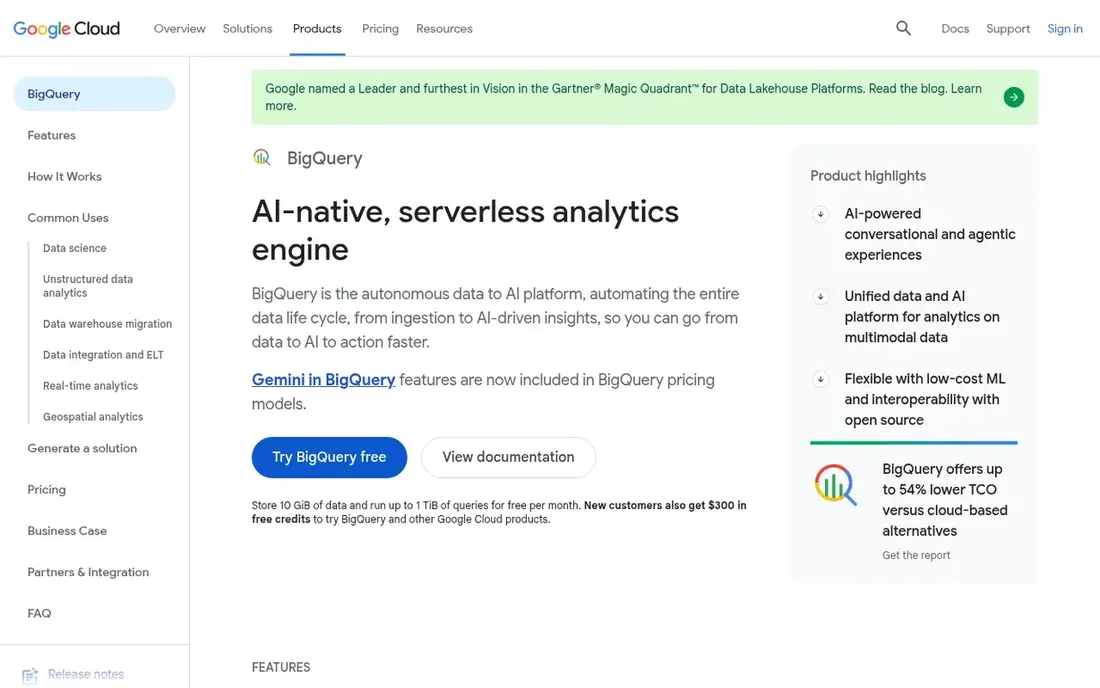
Google BigQuery works best for autonomous data and AI warehousing. Google BigQuery is described as an autonomous data and AI system that automates the whole data life cycle so teams can go from data to AI to action quicker. In daily use, automatic behavior can also make cost and performance patterns less obvious.
Pick it when cloud alignment is clear and automation is valued over granular control. Since BigQuery is deeply tied to Google Cloud, multi-cloud or on-premises strategies may need additional integration work. Pricing for Google BigQuery is not stated here, so ask the vendor for current figures. Free options: Not stated.
Downsides: Autonomy may obscure cost drivers.
- Serverless-style warehouse design
- Automates the data life cycle
- Google Cloud alignment required
Apache Spark (Databricks)
Best for: Multi-language data engineering and ML
Apache Spark (Databricks) targets multi-language data engineering and ML. Spark demands engineering skill and careful cluster management to perform well.
Where it is weaker: Needs engineering expertise.
It is not a turnkey warehouse or BI layer, so organizations wanting managed simplicity may prefer a system built on top of it. On top of that, Apache Spark is a multi-language engine for executing data engineering, data science, and machine learning on single-node machines or clusters. This comparison lists no price for Apache Spark (Databricks); ask the vendor. Free access: Not stated.
- Runs on single nodes or clusters
- Supports several languages
- Cluster tuning can be involved
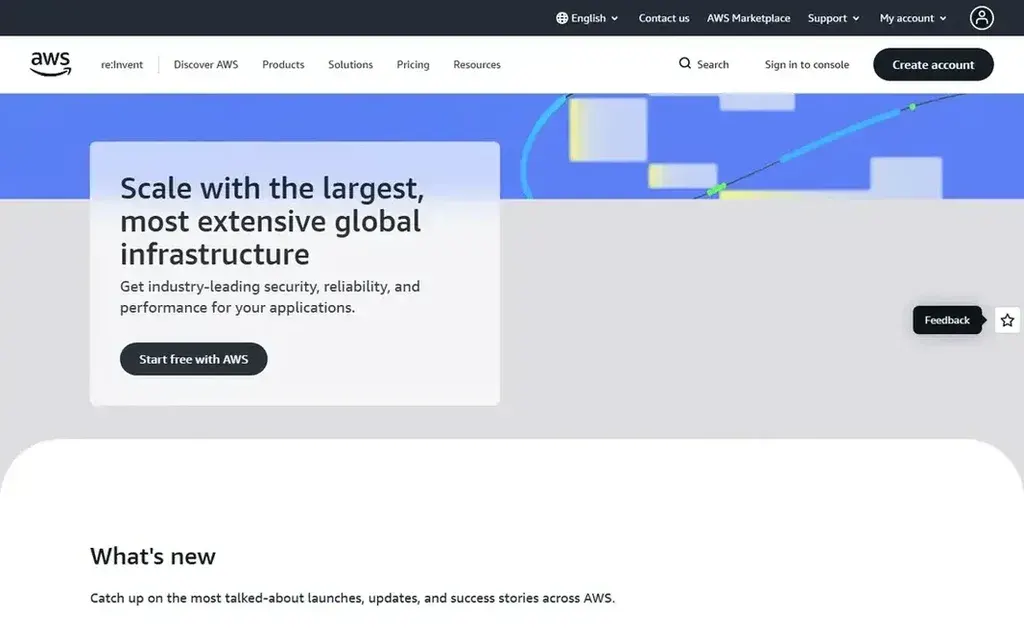
In short, Amazon Redshift is for completely managed cloud data warehousing. Redshift centers on warehousing instead of a full data and AI product, so broader machine learning or streaming needs may need companion services.
Beyond that, choose Redshift when a managed warehouse is the core requirement. No starting price is listed for Amazon Redshift here; confirm pricing on the vendor site. Free options: Not stated.
Trade-offs to know: AWS-centric environment.
- Straightforward and economical analysis
- Quick
- Warehouse focus over wide AI tooling
Pick Databricks if this describes you: unified data, analytics, and AI system. Databricks presents a unified system for data, analytics, and AI, emphasizing a data-centric approach.
Drawbacks to consider: Best value with clear governance needs.
It aims to ease ETL, data warehousing, governance, and AI on a single platform. Beyond that, consider Databricks when collaboration across data and AI roles is a priority and you want one environment for several workloads. Databricks does not show a starting price in this comparison, so check the vendor site for current pricing. Free options: Not stated.
- Merges ETL, warehousing, governance, AI
- Data-centric approach for AI projects
- Wide product may need ramp-up
How these tools were picked
LinkVetted used vendor pricing pages and product documentation as the base, then compared plans, free access and documented limits for 5 tools. Prices and plan limits come from vendor pages and can change, so confirm them on the vendor site before you buy. Tools are placed by general fit for big data technologies, with price clarity and free access as tie-breakers. A different team can reasonably rank them differently.
What to check before you buy
- Ask Google BigQuery, Apache Spark (Databricks), Amazon Redshift and Databricks for a written quote, since no starting price is shown.
- Look at the free plan from Confluent Platform closely: its caps decide whether it is usable for real work.
- Read the limits listed for Confluent Platform first: streaming focus over warehousing.
- Test the integrations you rely on with Apache Spark (Databricks) before committing; some connectors sit on upper tiers.
- Look at the renewal terms for Amazon Redshift: auto-renewal, notice periods and price changes can matter more than the first-year price.
FAQ
What is the cheapest option for big data technologies in this list?
On published monthly entry prices, Confluent Platform is the lowest here at $385 per month. Entry price is only part of the cost, because seats, add-ons and billing terms can change the total.
What is the difference between a data warehouse and a data lakehouse?
A data warehouse generally keeps structured data for SQL analytics, whereas a lakehouse merges warehouse-style management with adaptable storage for varied data types. Products like Databricks and BigQuery describe unified or autonomous approaches that blend these patterns.
When should I choose streaming over batch processing?
Streaming fits use cases needing near live insight, like event monitoring or live personalization. Confluent Platform concentrates on live streaming, whereas engines like Apache Spark can deal with both batch and streaming workloads based on configuration.
Do these tools publish their prices?
Not all of them. Google BigQuery, Apache Spark (Databricks), Amazon Redshift and Databricks publish no starting price, so expect a quote request for those. The rest, Confluent Platform included, show a starting price, though seats and billing terms still change the final cost.
How do I evaluate governance across big data systems?
Databricks and Confluent Platform both mention governance in their system descriptions, but the depth and implementation vary, so confirm against your compliance requirements.
Which options for big data technologies have a free plan?
Confluent Platform is the only tool in this list with a free plan. Free plans usually cap users, projects or features, so check the limits on the vendor page.
Sources
- https://www.confluent.io
- https://cloud.google.com/bigquery
- https://spark.apache.org
- https://aws.amazon.com/redshift
- https://www.databricks.com