Top Red Hat JBoss EAP Alternatives in 2026: 5 Picks Ranked
Red Hat JBoss EAP alternatives: 5 tools compared on price, free plans and fit. Apache Tomcat comes first for light servlet and JSP container. Prices included.
- Editor's choice
 Apache Tomcat
Light servlet and JSP container
Starts atPricing on requestVisit tomcat.apache.orgFull review - Great alternative
 WildFly
Open-source full Java EE runtime
Starts atPricing on requestVisit wildfly.orgFull review - Also considerIBM WebSphere Application Server
Secure hybrid cloud Java runtime
Starts atPricing on requestVisit ibm.comFull review
Direct answer
Apache Tomcat comes first here, mainly for light servlet and JSP container. Look at WildFly for Open-source full Java EE runtime, and at IBM WebSphere Application Server for secure hybrid cloud Java runtime. The remaining 2 options are covered below with pricing notes and limits. None of these vendors publish plan prices, so pricing is on request for every option.
TL;DR:
- This list starts with Apache Tomcat, which is built for lightweight servlet and JSP container.
- None of the 5 tools, from Apache Tomcat to Open Liberty, has a free plan, so budget for a subscription or use a trial.
- Open Liberty suits adaptable, light Java runtime.
- One limit worth knowing about IBM WebSphere Application Server: commercial licensing and support costs.
Last checked November 2026. Pricing on request: vendors did not publish plan prices when this guide was last checked (November 2026), so ask each vendor for a written quote.
Quick comparison
| Tool | Best for | Starts at | Free plan? | |
|---|---|---|---|---|
| Apache Tomcat | Light servlet and JSP container | Pricing on request | Not stated | Visit |
| WildFly | Open-source full Java EE runtime | Pricing on request | Not stated | Visit |
| IBM WebSphere Application Server | Secure hybrid cloud Java runtime | Pricing on request | Not stated | Visit |
| Oracle WebLogic Server | Thorough enterprise Java product | Pricing on request | Not stated | Visit |
| Open Liberty | Adaptable, light Java runtime | Pricing on request | Not stated | Visit |
Every option for Red Hat JBoss EAP explained
LinkVetted put together this guide to Red Hat JBoss EAP for readers who want a clear shortlist without reading every vendor page. It compares 5 tools on starting price, free plans, who each one suits and where each one falls short.
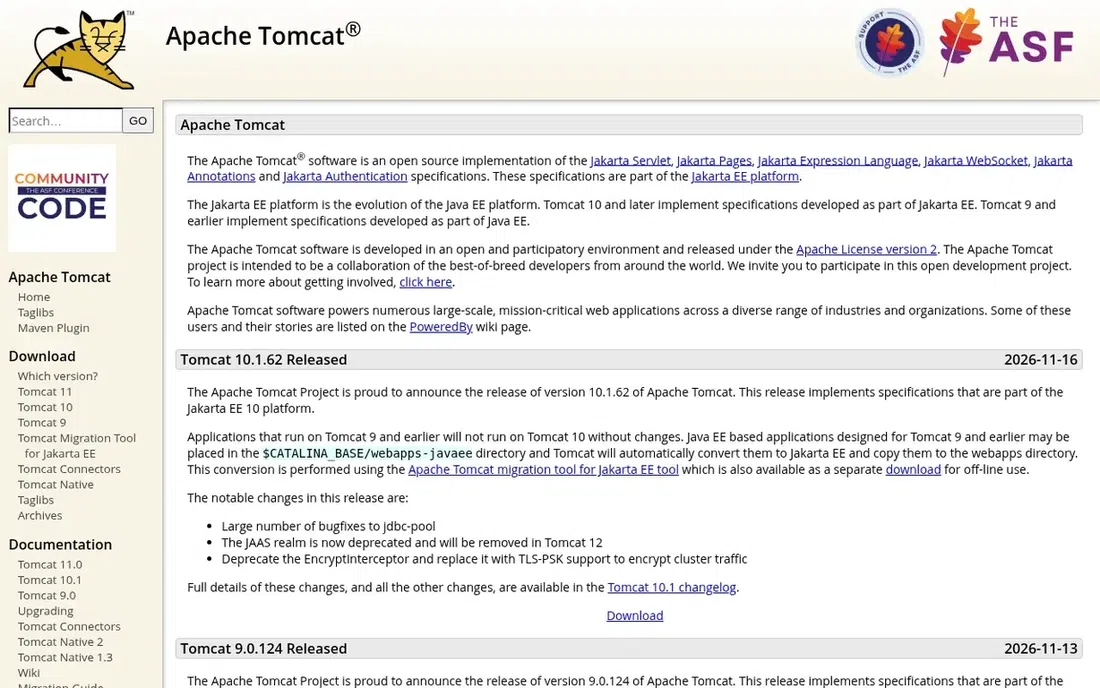
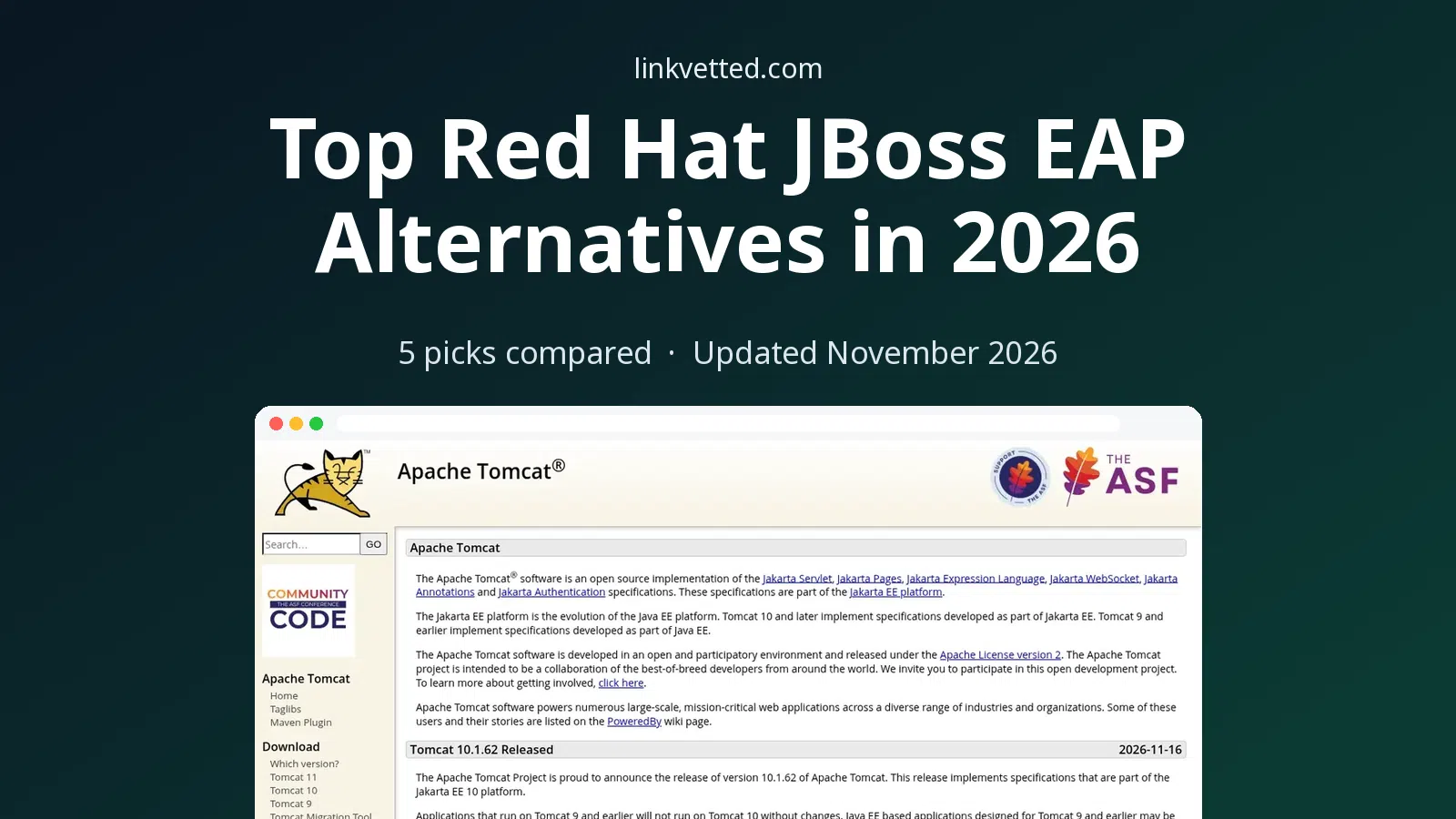
Pick Apache Tomcat if this describes you: light servlet and JSP container. Apache Tomcat is an open-source web server and servlet container that implements the Java Servlet, JavaServer Pages, and WebSocket specifications.
Where it falls short: Restricted to servlet, JSP, WebSocket specifications.
Tomcat does not offer the complete Java EE or Jakarta EE system, so applications relying on EJBs, JMS, or other enterprise features will need extra components or a different server. This comparison lists no price for Apache Tomcat; ask the vendor. Trial and free access: Not stated.
- Light and quick to start
- Open source with a permissive license
- Lacks full Java EE or Jakarta EE support
WildFly was built for Open-source full Java EE runtime. WildFly is an open-source application server that implements the Jakarta EE platform and continues the JBoss heritage.
The main drawbacks: Commercial support available separately.
It fits teams looking for a full-featured, community-supported runtime that can deal with enterprise Java applications without commercial licensing. No starting price is listed for WildFly here; confirm pricing on the vendor site. As for free access: Not stated.
- Flexible deployment choices
- Open source and community-driven
- Configuration can be complicated for beginners
IBM WebSphere Application Server
Best for: Secure hybrid cloud Java runtime
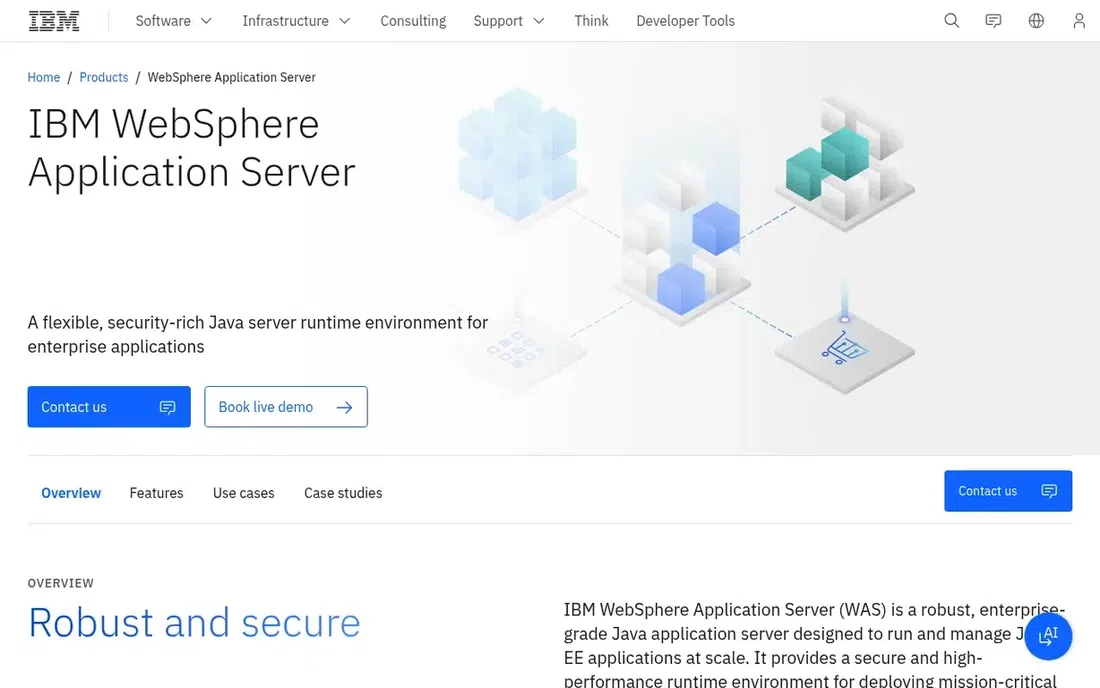
IBM WebSphere Application Server targets secure hybrid cloud Java runtime. More specifically, WebSphere is a commercial offering, so licensing and support costs apply.
Drawbacks to consider: May be heavier than needed for straightforward applications.
Its full feature set can be more than small teams need. IBM WebSphere Application Server shows no starting price here, so confirm the cost on the vendor site. As for free access: Not stated.
Main advantages: Eases management across cloud, on-premises.
- Hybrid environments
- Runs enterprise Java applications with secure high-performance runtimes
- Commercial licensing and support costs
Oracle WebLogic Server
Best for: Thorough enterprise Java product
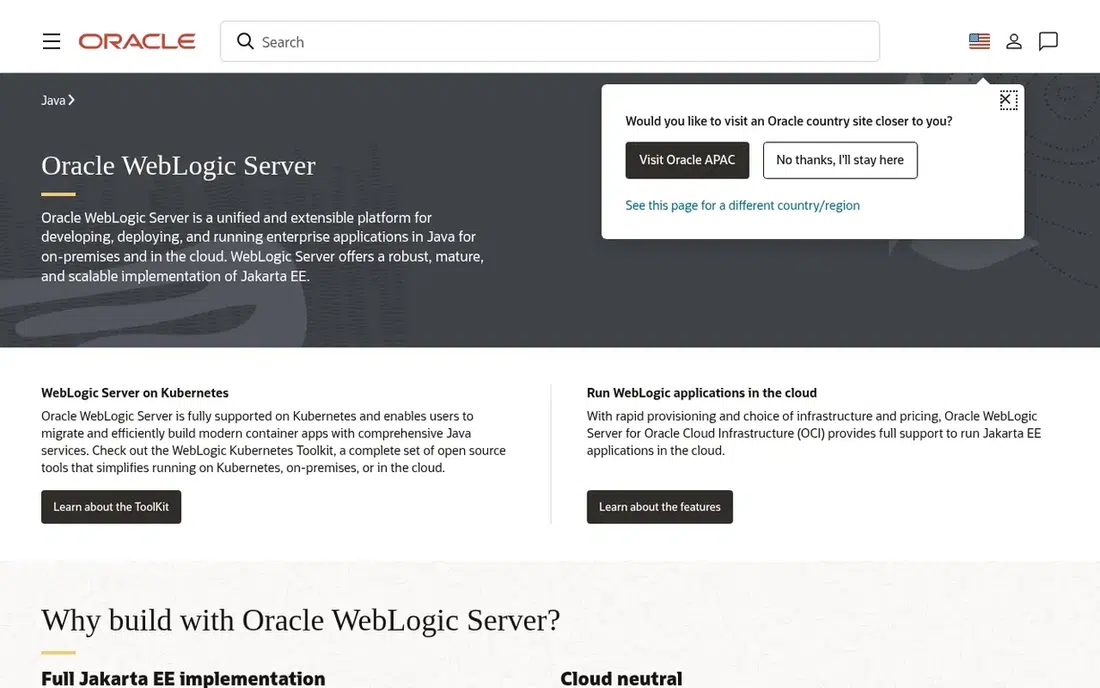
Oracle WebLogic Server is designed for thorough enterprise Java system. It suits organizations that need a full-featured Java EE or Jakarta EE runtime with strong Oracle ecosystem integration and centralized management capabilities.
Where it falls short: Commercial licensing required.
In practice, WebLogic is a commercial product with licensing costs, and its broad feature set can introduce administrative complexity. Check the vendor site for Oracle WebLogic Server pricing; none is listed in this comparison. On free options: Not stated.
- Unified system for developing and deploying enterprise Java applications
- Supports on-premises and cloud deployments
- Can be complicated to configure and run
Open Liberty
Best for: Adaptable, light Java runtime
Pick Open Liberty if this describes you: adaptable, lightweight Java runtime. Open Liberty is an adaptable server runtime for Java developers, meant to be light and composable.
It supports Jakarta EE and MicroProfile and is well suited for cloud-native applications and microservices where quick startup and a small footprint matter. This comparison lists no price for Open Liberty; ask the vendor. As for free access: Not stated.
What to check first: Ecosystem is still expanding.
- Adaptable and composable runtime
- Quick startup and low memory footprint
- Documentation can be less full than mature alternatives
How we compared the tools
Things to verify first
- Request quotes from Apache Tomcat, Open Liberty and the others; the list shows no fixed prices.
- Read the limits listed for Apache Tomcat first: restricted to servlet, JSP, and WebSocket specifications.
- Ask IBM WebSphere Application Server which support channels and response times come with the plan you would buy.
- Confirm that WildFly connects to the apps your team already uses, on the plan you would actually buy.
- Pick one real project and run it in Apache Tomcat first; a small pilot shows fit faster than a checklist.
FAQ
Is Apache Tomcat the right pick for everyone comparing Red Hat JBoss EAP?
No single tool suits every team. Apache Tomcat comes first because it fits lightweight servlet and JSP container, while WildFly suits Open-source full Java EE runtime and IBM WebSphere Application Server suits secure hybrid cloud Java runtime. Match the tool to your own size, budget and workflow before deciding.
What is the difference between a servlet container and a full application server?
A servlet container like Apache Tomcat implements only web-related specifications such as Servlets and JSP. A full application server like WildFly or Oracle WebLogic Server implements the whole Java EE or Jakarta EE system, including enterprise features like EJBs and JMS.
Does any tool for Red Hat JBoss EAP here have a free plan?
No tool in this list, Apache Tomcat and Open Liberty included, has a permanent free plan. Trials and quotes are the usual route, so plan a short evaluation period.
Do these tools publish their prices?
No. None of the tools, from Apache Tomcat to Open Liberty, shows a fixed starting price here, so budget time for quotes.
Can I try these tools before paying?
Not by default. None of the tools, from Apache Tomcat to Open Liberty, lists a free plan or a free trial here, so ask each vendor for a demo before committing.
Sources
- https://tomcat.apache.org
- https://www.wildfly.org
- https://www.ibm.com/products/websphere-application-server
- https://www.oracle.com/java/weblogic
- https://openliberty.io