Best VPS Hosting Platforms for Startups for 2026: Our 6 Vetted Picks
6 best VPS hosting platforms for startups, compared on pricing, free plans and best-fit use. The catches are listed up front. Current for November 2026.
- Editor's choice
 Hetzner Cloud
Developer-focused, GDPR-compliant cloud
Starts atSee websiteVisit hetzner.comFull review - Great alternative
 Linode
Edge-native, low-latency applications
Starts at$100 per compute instance a monthVisit linode.comFull review - Also considerDigitalOcean Droplets
Straightforward, fast-to-launch cloud VMs
Starts at$4 a monthVisit digitalocean.comFull review
Direct answer
Our first pick is Hetzner Cloud, best for developer-focused, GDPR-compliant cloud. Listed starting prices: Linode from $100 per compute instance a month and DigitalOcean Droplets from $4 a month. For a different need, Linode covers edge-native, low-latency applications and DigitalOcean Droplets covers straightforward, fast-to-launch cloud VMs. The full list of 6 tools follows, with prices and free plan facts.
TL;DR:
- This list starts with Hetzner Cloud, which is built for developer-focused, GDPR-compliant cloud.
- The lowest published monthly entry price here is $4 per month, from DigitalOcean Droplets.
- The main caution on Microsoft Azure Virtual Machines: pricing and choices can be complicated.
- Google Compute Engine fits adaptable VM types and cloud services.
- Just one of the 6 tools, DigitalOcean Droplets, has a free plan.
Last checked November 2026. Prices and plan details were read from the vendors' own pages in November 2026; vendors change plans often, so confirm the current price on the vendor site before you buy.
Quick comparison
| Tool | Best for | Starts at | Free plan? | |
|---|---|---|---|---|
| Hetzner Cloud | Developer-focused, GDPR-compliant cloud | See website | Not stated | Visit |
| Linode | Edge-native, low-latency applications | $100 per compute instance a month | Free trial | Visit |
| DigitalOcean Droplets | Straightforward, fast-to-launch cloud VMs | $4 a month | Yes | Visit |
| Microsoft Azure Virtual Machines | Linux and Windows enterprise workloads | See website | Free trial | Visit |
| Amazon Lightsail | Predictable, simple VPS management | See website | Not stated | Visit |
| Google Compute Engine | Adaptable VM types and cloud services | See website | Not stated | Visit |
VPS Hosting Platforms for Startups compared in detail
LinkVetted compared 6 VPS hosting platforms for startups. The goal is a practical shortlist: published prices, free plan facts, best-fit use cases and honest limits for every entry.
Hetzner Cloud is a good fit for developer-focused, GDPR-compliant cloud. Also, compared to the largest cloud providers, Hetzner gives you fewer regions and a narrower set of managed services, which can matter for global products. For everyday use, otherwise, Hetzner Cloud is a pragmatic choice for self-managed teams.
Where Hetzner Cloud stands out: Developer and team oriented.
Where it is weaker: Fewer global regions than hyperscalers. Startups with European data considerations or privacy requirements may value that positioning. Also, if you need broad product services or worldwide presence, a hyperscaler may fit better. Worth adding: Hetzner Cloud describes itself as a cloud-hosting provider for developers and teams, offering scalable cloud services with a GDPR-compliant stance. Check the vendor site for Hetzner Cloud pricing; none is listed in this comparison. Free options: Not stated.
- GDPR-compliant positioning
- Scalable cloud hosting
- Managed service range is narrower
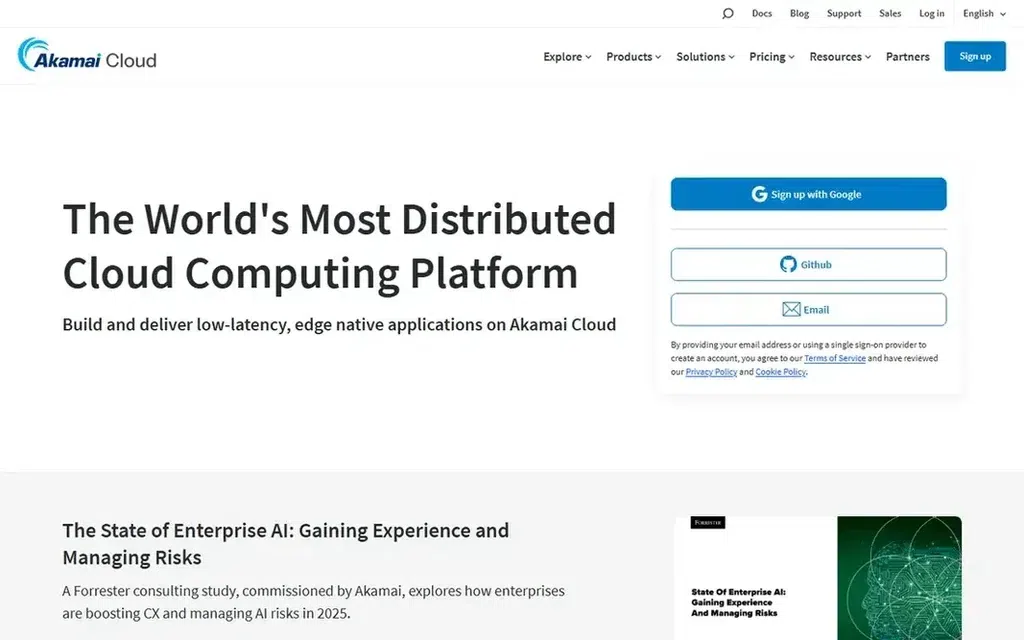
Linode targets edge-native, low-latency applications. Regional feature availability can also vary.
For an entry-level website or internal tool, the edge emphasis may be more than you need, and more straightforward VM providers can be simpler to operate. The starting price for Linode: $100 per compute instance per month. On free options: Free trial.
Where it falls short: Edge focus may overwhelm straightforward sites.
- Suited to edge workloads
- Built on Akamai Connected Cloud
- Feature depth varies by region
DigitalOcean Droplets
Best for: Straightforward, fast-to-launch cloud VMs
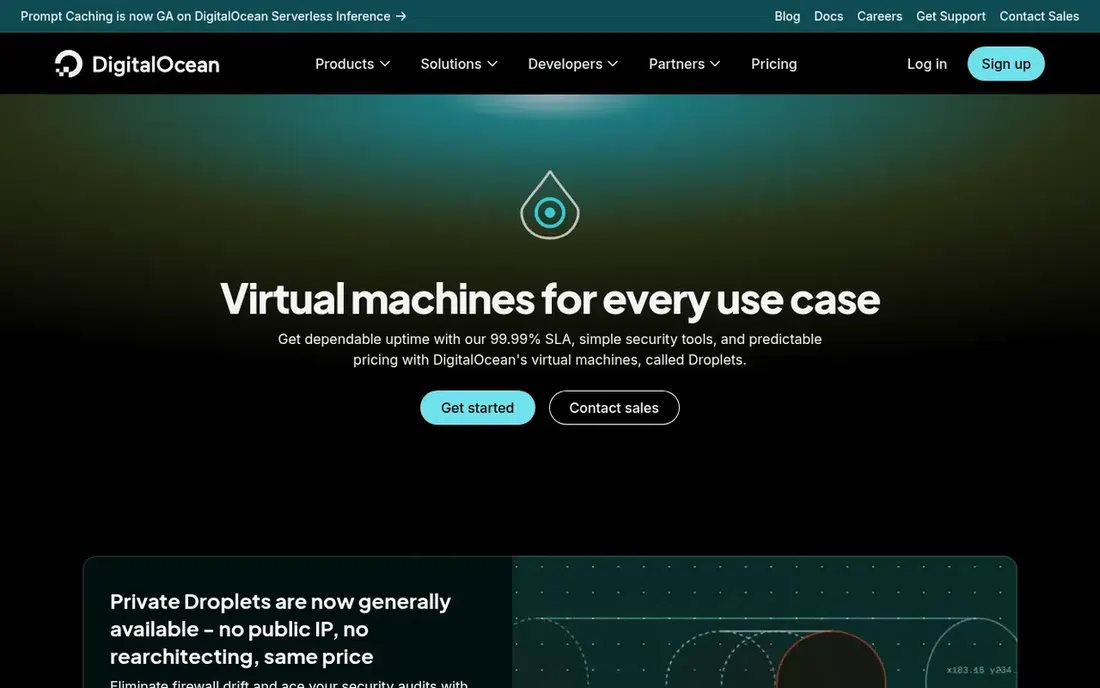
Think of DigitalOcean Droplets for straightforward, fast-to-launch cloud VMs. DigitalOcean Droplets are straightforward, scalable virtual machines that can be spun up in seconds. Beyond that, the lineup bundles Basic, General Purpose, Memory-Optimized, and CPU-Optimized instances.
So a startup can match resources to workloads like web apps, databases, or background jobs. Worth adding: Droplets handle typical startup needs well, but teams with deep enterprise compliance or hybrid-cloud requirements may outgrow the more straightforward model. Otherwise, Droplets remain a sensible default for straightforward hosting. From a buyer's view, if you need tightly integrated managed services across a large ecosystem, a broader cloud provider may be a better match. On cost, DigitalOcean Droplets starts like this: $4 per month. DigitalOcean Droplets has a free plan.
Upsides: Fast VM provisioning.
Points against: Fewer enterprise integrations.
- Developer-friendly interface
- Multiple machine type choices
- Advanced networking needs add complexity
Microsoft Azure Virtual Machines
Best for: Linux and Windows enterprise workloads
Think of Microsoft Azure Virtual Machines for Linux and Windows enterprise workloads. Azure Virtual Machines offer scalable, on-demand computing resources for Linux and Windows virtual machines. The service supports a broad set of VM configurations, making it a good match for teams that expect to grow into a broader enterprise cloud footprint.
Teams without Microsoft dependencies may get more straightforward value elsewhere. Worth adding: the number of choices and pricing dimensions can be heavy for a lean startup that just wants a server running rapidly. No starting price is listed for Microsoft Azure Virtual Machines here; confirm pricing on the vendor site. Free options: Free trial.
Honest limits: Pricing and choices can be complicated.
- Supports Linux and Windows VMs
- Suits Microsoft-centric environments
- Overhead for very small teams
Amazon Lightsail
Best for: Predictable, simple VPS management
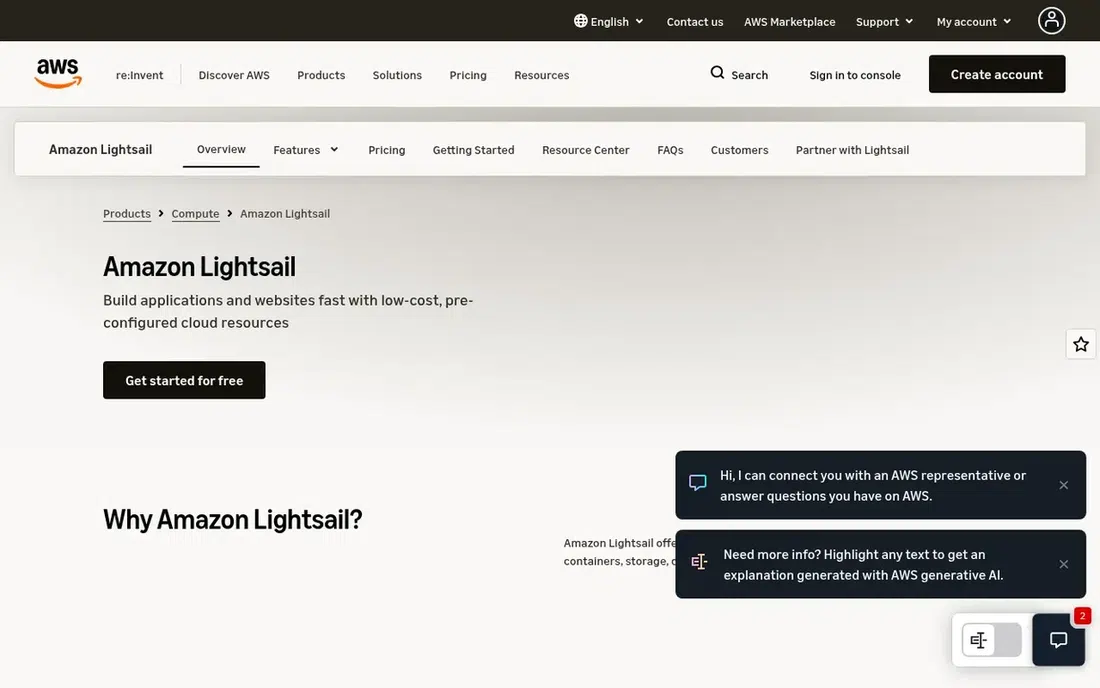
Choose Amazon Lightsail for predictable, simple VPS management. Amazon Lightsail is an easy-to-use virtual private server offering straightforward management of cloud resources like containers at low, predictable prices.
If your roadmap already demands deep AWS integration, starting elsewhere may cut future migration work. More specifically, teams running small web apps, staging environments, or containerized prototypes can benefit from the simplified console and bundled approach. Amazon Lightsail does not show a starting price in this comparison, so check the vendor site for current pricing. On free options: Not stated.
Limits to weigh: Less adaptable than full AWS services.
- Straightforward resource management
- Supports containers
- Scaling paths can need migration
Google Compute Engine
Best for: Adaptable VM types and cloud services
Where Google Compute Engine fits: adaptable VM types and cloud services. Custom machine types help right-size instances instead of overprovisioning for a given workload.
Upsides: Supports web, database.
The breadth of Google Cloud can be daunting for a small team without dedicated operations staff, and cost control requires continuing attention. Worth adding: if you only need a single straightforward server, a lighter provider may be simpler. Check the vendor site for Google Compute Engine pricing; none is listed in this comparison. Free access: Not stated. Where it is weaker: Cost management needs attention.
- Part of Google Cloud ecosystem
- Preset or custom machine types
- Console can feel complicated for beginners
What went into this list
The comparison looks at four things: starting price, free access, how well the feature set matches VPS hosting platforms for startups, and the main limit of each tool. Where a price is missing, the vendor does not list one publicly or ties it to a quote. Always confirm before budgeting. We ordered the tools by general fit, then by how clearly pricing is shown, then by free access. A buyer with unusual needs may reorder them.
Before you commit
- Ask Hetzner Cloud, Microsoft Azure Virtual Machines, Amazon Lightsail and Google Compute Engine for a written quote, since no starting price is shown.
- Look at the free plan from DigitalOcean Droplets closely: its caps decide whether it is usable for real work.
- Take the trial from Linode and Microsoft Azure Virtual Machines and push a live task through it before you pay.
- Read the limits listed for Hetzner Cloud first: fewer global regions than hyperscalers.
- Look at the renewal terms for Google Compute Engine: auto-renewal, notice periods and price changes can matter more than the first-year price.
- The entry price of DigitalOcean Droplets is only the starting point; model the full cost with seats and extras.
FAQ
Do these products support both Linux and Windows?
Azure Virtual Machines explicitly supports Linux and Windows VMs. Other providers usually focus on Linux workloads, so confirm operating system support on each vendor page before deciding, particularly if Windows is required.
When should a startup choose a hyperscaler over a simpler VPS provider?
Choose Google Compute Engine or Microsoft Azure Virtual Machines when you expect to use a wide set of integrated cloud services, need specific operating system support, or plan to scale into enterprise features. Worth adding: more straightforward providers are typically simpler until those needs become real.
Can I try these tools before paying?
Often, yes. DigitalOcean Droplets has a free plan and Linode and Microsoft Azure Virtual Machines offer a free trial. Use your own data and a real task during the test, and check what the free tier or trial limits before you rely on it. For the full picture, the cards above cover all 6 entries of this VPS hosting platforms for startups list, including price, free plan and limits.
How are the tools for VPS hosting platforms for startups ordered?
Hetzner Cloud sits first and Google Compute Engine last because the order follows typical fit for VPS hosting platforms for startups, then price clarity and free access. It is a judgement call, so read each profile for fit and limits.
Do these tools publish their prices?
Not all of them. Hetzner Cloud, Microsoft Azure Virtual Machines, Amazon Lightsail and Google Compute Engine publish no starting price, so expect a quote request for those. The rest, Linode included, show a starting price, though seats and billing terms still change the final cost.
Which options for VPS hosting platforms for startups have a free plan?
DigitalOcean Droplets is the only tool in this list with a free plan. Free plans usually cap users, projects or features, so check the limits on the vendor page. Several others offer a trial instead. Prices, free plan details and limits for all 6 tools in this VPS hosting platforms for startups roundup sit on the individual cards above.
Sources
- https://www.hetzner.com/cloud
- https://www.linode.com
- https://www.digitalocean.com/products/droplets
- https://azure.microsoft.com/en-us/products/virtual-machines
- https://aws.amazon.com/lightsail
- https://cloud.google.com/compute