The 5 Best Threat Intelligence Software for Remote Teams in 2026, Ranked
Best threat intelligence software for remote teams: 5 tools compared on price, free plans and fit. Each pick comes with its main catch. Read the profiles.
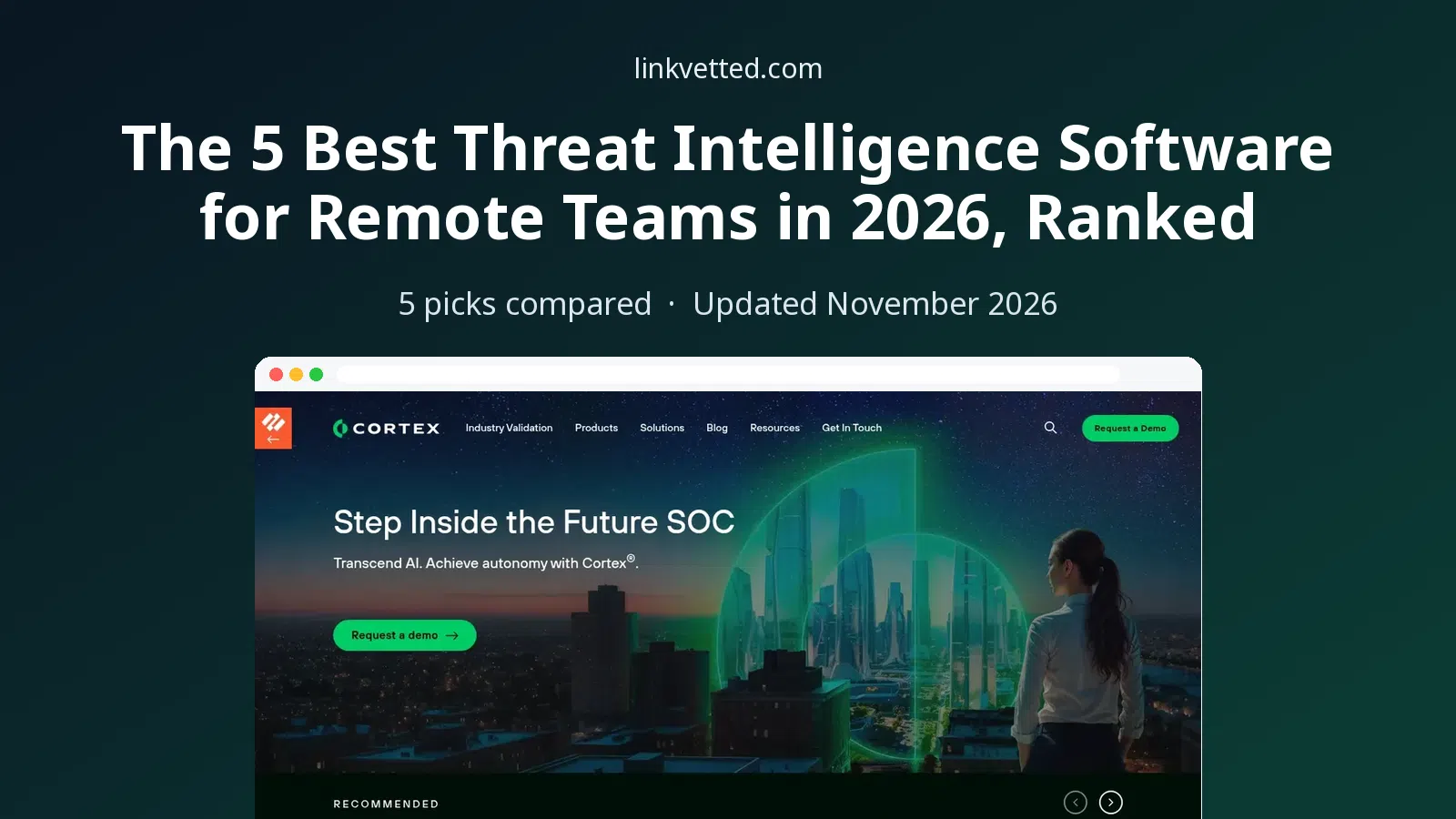
- Editor's choiceMISP
Open-source intelligence sharing
Starts atSee websiteVisit misp-project.orgFull review - Great alternativePalo Alto Networks Cortex XSOAR
AI-driven SOC automation
Starts atSee websiteVisit paloaltonetworks.comFull review - Also considerRecorded Future Intelligence Cloud
Live risk prioritization
Starts atSee websiteVisit recordedfuture.comFull review
Direct answer
For open-source intelligence sharing, MISP is where this list starts. Listed starting prices: CrowdStrike Falcon Intelligence from $7.99 per device per month. Alternatives: Palo Alto Networks Cortex XSOAR for AI-driven SOC automation, and Recorded Future Intelligence Cloud for live risk prioritization. The remaining 2 options are covered below with prices and limits.
TL;DR:
- Top of the list is MISP, which targets open-source intelligence sharing.
- Anomali ThreatStream fits governed action at machine speed.
- Neither MISP nor Anomali ThreatStream, nor any of the other 3 tools, has a permanent free plan; trials and quotes are the norm.
- Check the limits for CrowdStrike Falcon Intelligence before you commit: may need CrowdStrike ecosystem alignment.
- The cheapest monthly starting price in the list is $7.99 per device per month, offered by CrowdStrike Falcon Intelligence.
Last checked November 2026. Prices and plan details were read from the vendors' own pages in November 2026; vendors change plans often, so confirm the current price on the vendor site before you buy.
Quick comparison
| Tool | Best for | Starts at | Free plan? | |
|---|---|---|---|---|
| MISP | Open-source intelligence sharing | See website | Not stated | Visit |
| Palo Alto Networks Cortex XSOAR | AI-driven SOC automation | See website | Not stated | Visit |
| Recorded Future Intelligence Cloud | Live risk prioritization | See website | Not stated | Visit |
 CrowdStrike Falcon Intelligence | Integrated endpoint and threat context | $7.99 per device per month | Free trial | Visit |
 Anomali ThreatStream | Governed action at machine speed | See website | Not stated | Visit |
Tool-by-tool breakdown
LinkVetted compared 5 threat intelligence software for remote teams. The goal is a practical shortlist: published prices, free plan facts, best-fit use cases and honest limits for every entry.
MISP
Best for: Open-source intelligence sharing
Pick MISP if this describes you: open-source intelligence sharing. MISP is an open-source threat intelligence product and set of open standards for threat intelligence sharing. In daily use, as an open-source project, MISP relies on internal effort for deployment, maintenance, and sharing policies.
Watch-outs: Sharing governance must be defined by the team.
Beyond that, remote teams without dedicated product staff may prefer a managed commercial choice, whereas those prioritizing control and open standards should review MISP documentation and community guidance before adopting it. Beyond that, distributed organizations can use MISP to structure indicators and share them across trusted groups, which fits teams with technical staff able to operate and maintain the system. This comparison lists no price for MISP; ask the vendor. Free plan details: Not stated.
- Supports threat intelligence sharing
- Open standards for intelligence
- Needs internal operational effort
Palo Alto Networks Cortex XSOAR
Best for: AI-driven SOC automation

Palo Alto Networks Cortex XSOAR makes the most sense for AI-driven SOC automation. It aims to accelerate security operations, which can benefit remote teams that require consistent automation across distributed analysts.
For everyday use, remote organizations should confirm that playbooks and integrations match their tool stack, and consider a dedicated intelligence product if the primary need is curated threat data instead of workflow automation. Pricing for Palo Alto Networks Cortex XSOAR is not stated here, so ask the vendor for current figures. As for free access: Not stated.
The main drawbacks: Best value when aligned with Cortex ecosystem.
- AI-driven system for SOC transformation
- Accelerates SecOps workflows
- Automation focus may need playbook design effort
Recorded Future Intelligence Cloud
Best for: Live risk prioritization
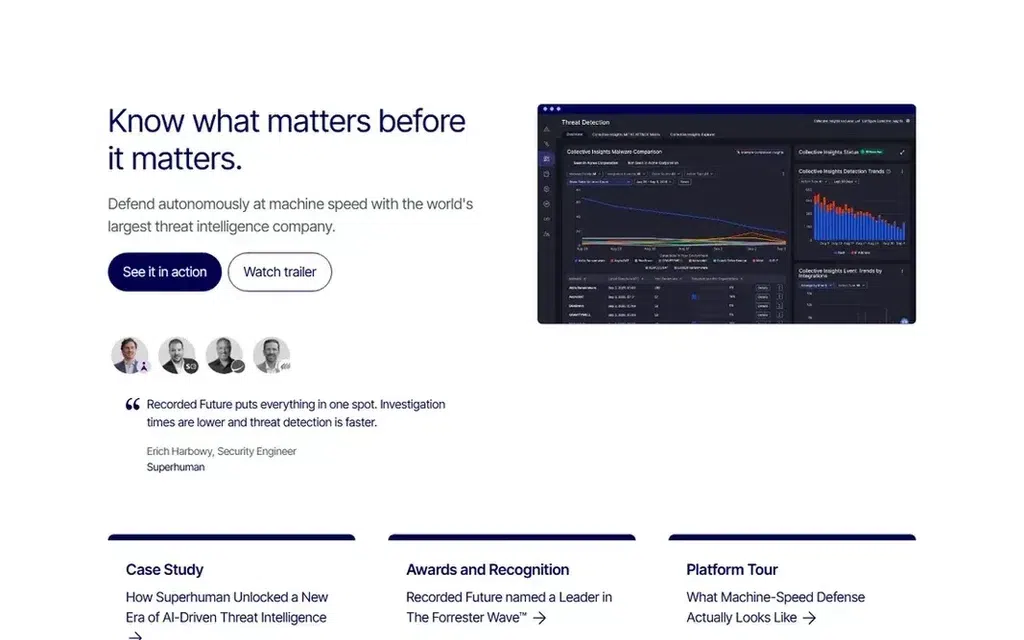
Recorded Future Intelligence Cloud was built for live risk prioritization. Recorded Future Intelligence Cloud is presented as a platform for live, actionable cyber threat intelligence.
This comparison lists no price for Recorded Future Intelligence Cloud; ask the vendor. Free plan details: Not stated.
The main drawbacks: Focus on intelligence may need integration with existing tools.
Where Recorded Future Intelligence Cloud stands out: Prioritizes threats for proactive security.
- Live
- Helps mitigate cyber risks
- Prioritization relies on configured risk context
CrowdStrike Falcon Intelligence
Best for: Integrated endpoint and threat context
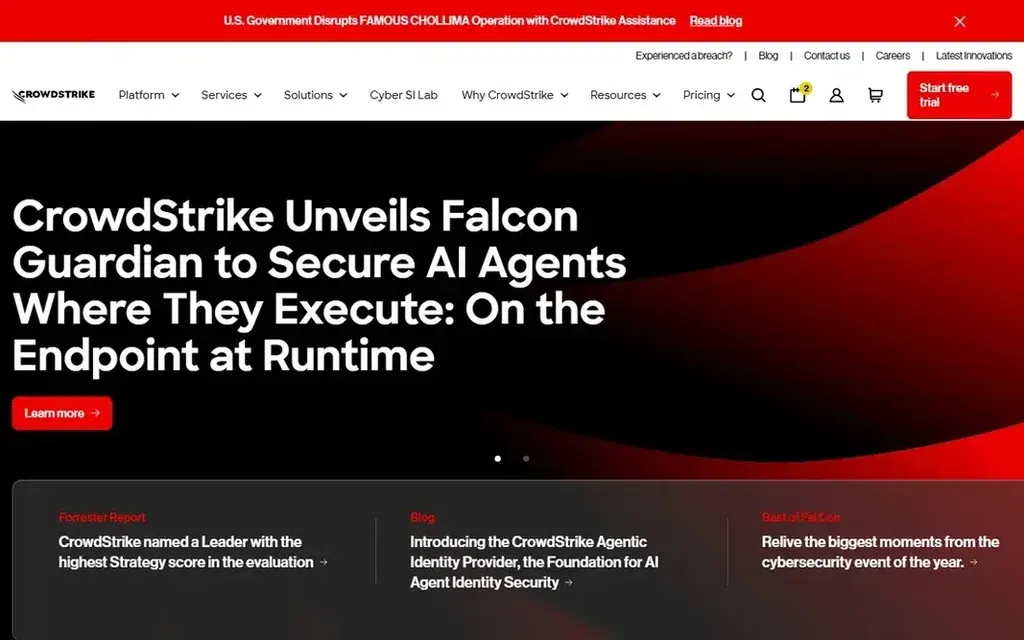
Choose CrowdStrike Falcon Intelligence for integrated endpoint and threat context. CrowdStrike Falcon Intelligence is part of a global cybersecurity product described as AI-native and cloud-native, protecting endpoints, cloud workloads, identities, and data.
Price to start with CrowdStrike Falcon Intelligence: $7.99 per device per month. As for free access: Free trial.
Points against: Wide system can be complicated to scope.
- Cloud-native platform spans endpoints, workloads, identities, data
- Stops breaches with advanced protection
- May need CrowdStrike ecosystem alignment
Anomali ThreatStream makes the most sense for governed action at machine speed. Anomali ThreatStream is part of Anomali's Agentic SOC Platform, which brings together threat intelligence, decides with context, and takes governed action so security teams respond at machine speed.
What to check first: Agentic SOC model may need process alignment.
This comparison lists no price for Anomali ThreatStream; ask the vendor. Free access: Not stated.
- Takes governed action
- Decides with context
- Context quality relies on configured sources
How we compared the tools
For each of the 5 tools we noted price, free plan or trial, fit for threat intelligence software for remote teams and the main limit, using vendor pages and documentation. Plan names, prices and limits change often. Treat the figures here as a starting point and verify them with the vendor. We ordered the tools by general fit, then by how clearly pricing is shown, then by free access. A buyer with unusual needs may reorder them.
Questions to settle before buying
- Ask MISP, Palo Alto Networks Cortex XSOAR, Recorded Future Intelligence Cloud and Anomali ThreatStream for a written quote, since no starting price is shown.
- Run a trial of CrowdStrike Falcon Intelligence with real work before paying for a year; your own workflow is the best test.
- Before choosing MISP, weigh its main limit: needs internal operational effort.
- Verify that exporting from Palo Alto Networks Cortex XSOAR is possible on your plan and covers all your records.
- Test how quickly Anomali ThreatStream answers a pre-sales question; it hints at how support will feel later.
FAQ
How are the tools for threat intelligence software for remote teams ordered?
MISP sits first and Anomali ThreatStream last because the order follows typical fit for threat intelligence software for remote teams, then price clarity and free access. It is a judgement call, so read each profile for fit and limits.
Does any tool for threat intelligence software for remote teams here have a free plan?
A permanent free plan is not offered by MISP, Anomali ThreatStream or the other tools here. CrowdStrike Falcon Intelligence offer a trial. Plan a short evaluation period instead.
Do these tools publish their prices?
Not all of them. MISP, Palo Alto Networks Cortex XSOAR, Recorded Future Intelligence Cloud and Anomali ThreatStream publish no starting price, so expect a quote request for those. The rest, CrowdStrike Falcon Intelligence included, show a starting price, though seats and billing terms still change the final cost.
How does automation fit into threat intelligence for distributed security operations?
Automation products such as Palo Alto Networks Cortex XSOAR and Anomali ThreatStream aim to standardize response and governed action across distributed analysts. Confirm that playbooks and governance rules match your processes before relying on automation.
Is MISP the right pick for everyone comparing threat intelligence software for remote teams?
No single tool suits every team. MISP comes first because it fits open-source intelligence sharing, while Palo Alto Networks Cortex XSOAR suits AI-driven SOC automation and Recorded Future Intelligence Cloud suits real-time risk prioritization. Match the tool to your own size, budget and workflow before deciding.
Sources
- https://www.misp-project.org
- https://www.paloaltonetworks.com/cortex
- https://www.recordedfuture.com
- https://www.crowdstrike.com
- https://www.anomali.com