Top 6 Simulation Training Software for Medical Students for 2026 (Prices and Free Plans)
6 best simulation training software for medical students, with entry costs, free tiers and the buyer each one serves. The catches are listed up front.
- Editor's choiceOxford Medical Simulation
AI-driven immersive VR training
Starts atPricing on requestVisit oxfordmedicalsimulation.comFull review - Great alternativeLimbs & Things
Realistic clinical skills task trainers
Starts atPricing on requestVisit limbsandthings.comFull review - Also considerLaerdal SimMan
High-fidelity manikin scenario training
Starts atPricing on requestVisit laerdal.comFull review
Direct answer
Our first pick is Oxford Medical Simulation, best for AI-driven immersive VR training. Alternatives: Limbs & Things for realistic clinical skills task trainers, and Laerdal SimMan for high-fidelity manikin scenario training. The other 3 tools in the list cover narrower or pricier cases. None of these vendors publish plan prices, so pricing is on request for every option.
TL;DR:
- This list starts with Oxford Medical Simulation, which is built for AI-driven immersive VR training.
- Before buying Limbs & Things, weigh this: not a full patient simulator.
- None of the 6 tools, from Oxford Medical Simulation to Elsevier Complete Anatomy, has a free plan, so budget for a subscription or use a trial.
- Elsevier Complete Anatomy is the one to check for in-depth 3D anatomy study.
Last checked November 2026. Pricing on request: vendors did not publish plan prices when this guide was last checked (November 2026), so ask each vendor for a written quote.
Quick comparison
| Tool | Best for | Starts at | Free plan? | |
|---|---|---|---|---|
| Oxford Medical Simulation | AI-driven immersive VR training | Pricing on request | Not stated | Visit |
| Limbs & Things | Realistic clinical skills task trainers | Pricing on request | Not stated | Visit |
| Laerdal SimMan | High-fidelity manikin scenario training | Pricing on request | Not stated | Visit |
| Simulab | Soft-tissue procedural task trainers | Pricing on request | Not stated | Visit |
| BioDigital | Cloud-based interactive anatomy and disease | Pricing on request | Not stated | Visit |
| Elsevier Complete Anatomy | In-depth 3D anatomy study | Pricing on request | Not stated | Visit |
Simulation Training Software for Medical Students, one by one
LinkVetted compared 6 simulation training software for medical students. The goal is a practical shortlist: published prices, free plan facts, best-fit use cases and honest limits for every entry.
Oxford Medical Simulation
Best for: AI-driven immersive VR training
Oxford Medical Simulation makes the most sense for AI-driven immersive VR training. Oxford Medical Simulation provides immersive, AI-driven VR healthcare training targeted at preparing clinicians for real-world practice.
Programs wanting physical task trainers may prefer Limbs & Things. More specifically, Medical students can practice decision-making and communication in a controlled environment. Check the vendor site for Oxford Medical Simulation pricing; none is listed in this comparison. Free plan details: Not stated.
The main drawbacks: Best with structured debriefing.
- Made for educator oversight
- Immersive clinical scenarios
- VR hardware required
Limbs & Things
Best for: Realistic clinical skills task trainers
Pick Limbs & Things if this describes you: realistic clinical skills task trainers. The range supports structured skills curricula across multiple clinical areas.
In daily use, Limbs & Things supplies physical trainers instead of software-driven scenarios or anatomy systems. Pricing for Limbs & Things is not stated here, so ask the vendor for current figures. Free access: Not stated.
Honest limits: Not a full patient simulator.
- Aimed at repeated practice
- Realistic learning experiences
- Consumable components needed
Laerdal SimMan
Best for: High-fidelity manikin scenario training
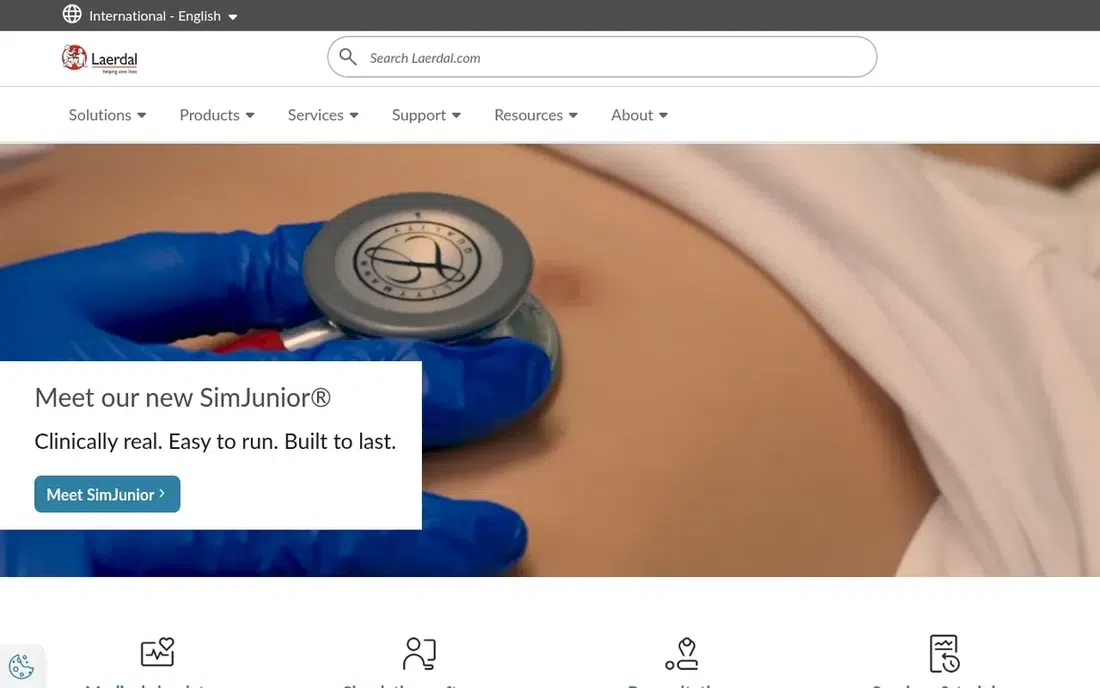
Laerdal SimMan makes the most sense for high-fidelity manikin scenario training. Programs with dedicated lab space and instructors get the most from it. Laerdal SimMan is a high-fidelity patient simulator aimed at realistic clinical scenarios, and Laerdal positions itself as a leader in healthcare simulation and resuscitation training.
In practice, SimMan needs significant hardware, space and operator support, which can limit access for individual students. It is less suited to fast self-study or remote learning. Laerdal SimMan does not show a starting price in this comparison, so check the vendor site for current pricing. As for free access: Not stated.
Where it falls short: Hardware-dependent setup.
- Solid resuscitation training focus
- Supports team-based scenarios
- Expensive for small programs
Simulab
Best for: Soft-tissue procedural task trainers
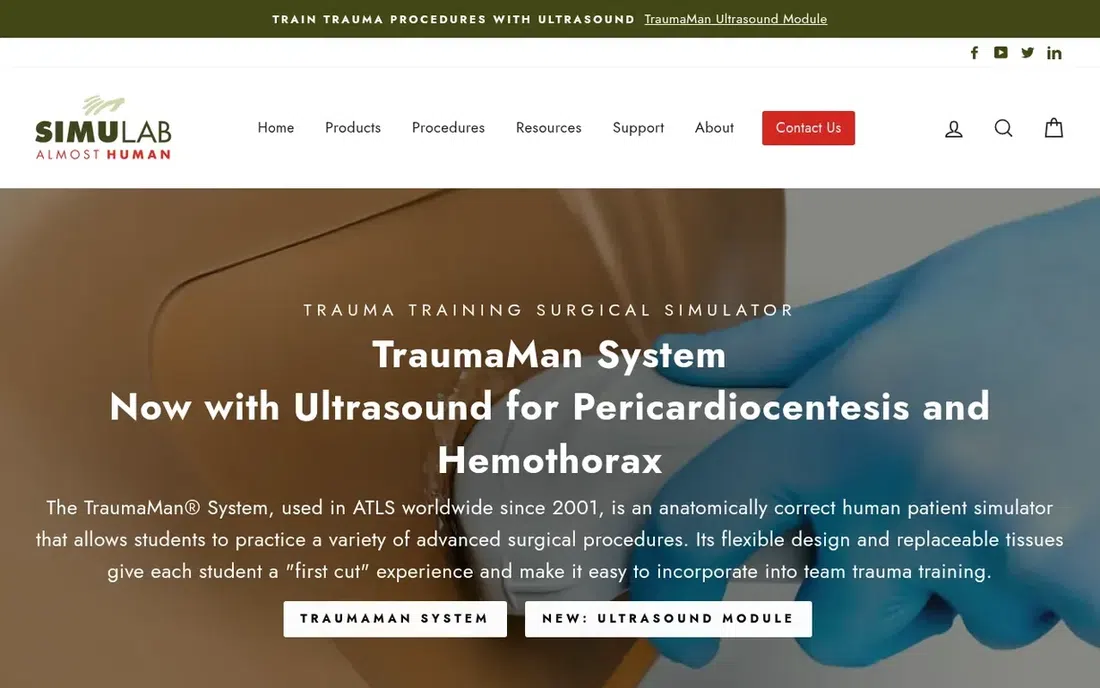
Choose Simulab for Soft-tissue procedural task trainers. Worth adding: task trainers handle specific procedures instead of whole-patient scenarios, so they complement instead of replace manikin or VR simulation.
Some models depend on consumable parts that require replacement. Pricing for Simulab is not stated here, so ask the vendor for current figures. On free options: Not stated.
What to check first: Consumables add upkeep.
- Focus on procedural skills
- Handy for repeated practice
- Restricted full-scenario coverage
BioDigital
Best for: Cloud-based interactive anatomy and disease
Choose BioDigital for cloud-based interactive anatomy and disease. BioDigital gives you a cloud-based virtual model of the human body with interactive 3D anatomy, disease and treatment content. More specifically, connectivity and device performance affect the experience.
Beyond that, the cloud approach makes it simple to bring into classroom or remote study sessions. For procedural or scenario practice, combine it with a trainer or VR product. BioDigital shows no starting price here, so confirm the cost on the vendor site. On free options: Not stated.
Limits to weigh: Less procedural training depth.
- Accessible from plenty of devices
- Includes disease and treatment views
- Needs dependable connectivity
Elsevier Complete Anatomy
Best for: In-depth 3D anatomy study
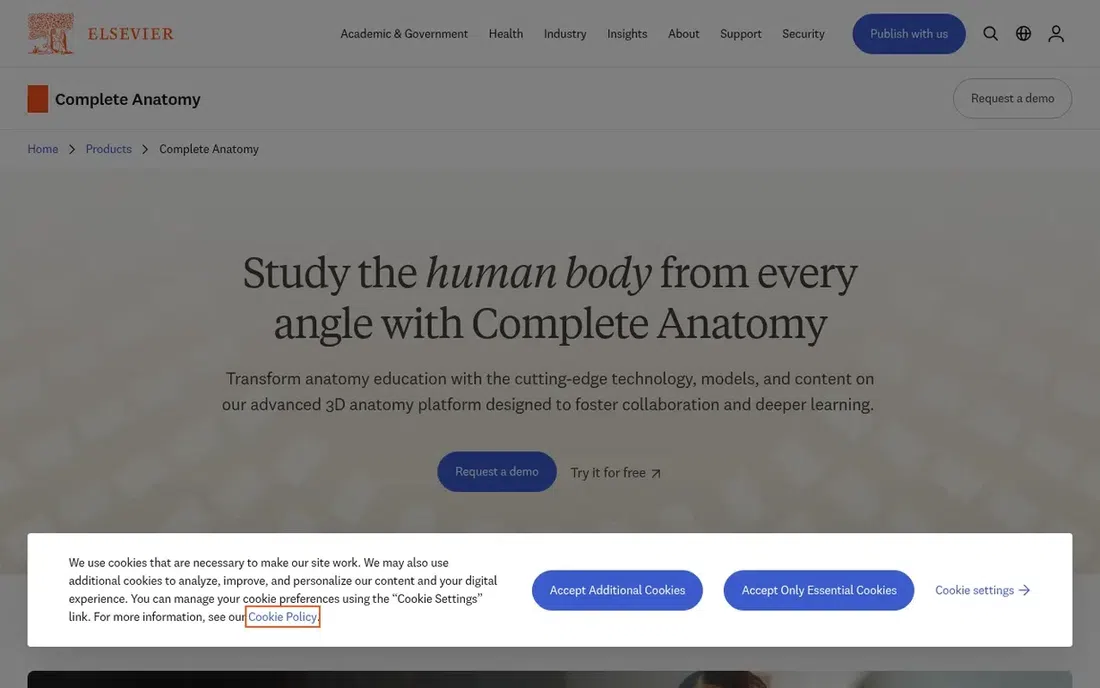
Think of Elsevier Complete Anatomy for in-depth 3D anatomy study. It suits medical students who require to review structures, relationships and spatial anatomy outside the lab.
Worth adding: Complete Anatomy teaches anatomy rather than clinical decision-making or practical procedures. Check the vendor site for Elsevier Complete Anatomy pricing; none is listed in this comparison. Trial and free access: Not stated.
Watch-outs: Not a patient scenario simulator.
- Interactive 3D exploration
- In-depth male and female models
- Needs device access
Selection criteria
Things to verify first
- Request quotes from Oxford Medical Simulation, Elsevier Complete Anatomy and the others; the list shows no fixed prices.
- Before choosing Oxford Medical Simulation, weigh its main limit: VR hardware required.
- Compare total cost, not headline price: for BioDigital, add extra seats, add-ons and any usage-based charges.
- Check the integration list for Simulab against the tools you run today, and note which ones need a higher plan.
- Ask Laerdal SimMan whether prices are locked for the first term and what happens at renewal.
FAQ
Which simulation tool is a good match for first-year medical students?
Oxford Medical Simulation comes first here and is built for AI-driven immersive VR training. Buyers with other needs may prefer Limbs & Things (for realistic clinical skills task trainers) or Laerdal SimMan (for high-fidelity manikin scenario training). Compare costs and limits first.
Can I try these tools before paying?
Not by default. None of the tools, from Oxford Medical Simulation to Elsevier Complete Anatomy, lists a free plan or a free trial here, so ask each vendor for a demo before committing.
How are the tools for simulation training software for medical students ordered?
The order follows typical fit for simulation training software for medical students, with Oxford Medical Simulation first and Elsevier Complete Anatomy last, then price clarity and free access. It is editorial judgement, not a score, so another team could rank the tools differently.
Can anatomy software replace practical simulation?
No. Anatomy systems like Complete Anatomy and BioDigital support visualization and review, but they do not assess procedural skill or clinical decision-making. They work best as complements to task trainers, manikins or VR scenarios in a blended curriculum.
Does any tool for simulation training software for medical students here have a free plan?
No tool in this list, Oxford Medical Simulation and Elsevier Complete Anatomy included, has a permanent free plan. Trials and quotes are the usual route, so plan a short evaluation period.
Is Oxford Medical Simulation the right pick for everyone comparing simulation training software for medical students?
No single tool suits every team. Oxford Medical Simulation comes first because it fits AI-driven immersive VR training, while Limbs & Things suits realistic clinical skills task trainers and Laerdal SimMan suits high-fidelity manikin scenario training. Match the tool to your own size, budget and workflow before deciding.
Sources
- https://www.oxfordmedicalsimulation.com
- https://www.limbsandthings.com
- https://www.laerdal.com
- https://www.simulab.com
- https://www.biodigital.com
- https://www.elsevier.com/products/complete-anatomy