Top 6 Reporting Software for Healthcare Practices for 2026 (Prices and Free Plans)
Best reporting software for healthcare practices: 6 contenders ranked by fit, with entry costs and free tiers. Includes honest limits for each tool. Start here.
- Editor's choiceGreenway Health
Ambulatory practices wanting unified clinical and financial reporting
Starts atPricing on requestVisit greenwayhealth.comFull review - Great alternative
 Oracle Health
Secure, scalable healthcare analytics
Starts atPricing on requestVisit oracle.comFull review - Also considerEpic Systems
Integrated EHR reporting for large health systems
Starts atPricing on requestVisit epic.comFull review
Direct answer
Our first pick is Greenway Health, best for ambulatory practices wanting unified clinical and financial reporting. Alternatives: Oracle Health for secure, scalable healthcare analytics, and Epic Systems for integrated EHR reporting for large health systems. Details and limits for the rest of the 6 tools are below. None of these vendors publish plan prices, so pricing is on request for every option.
TL;DR:
- Greenway Health takes the first slot, best suited to ambulatory practices wanting unified clinical and financial reporting.
- A permanent free plan is missing from all 6 tools, Greenway Health and athenahealth included; plan for a trial or a premium start.
- The main caution on Greenway Health: reporting features may be optimized for Greenway users.
- Greenway Health, athenahealth and the 4 others all sell by quote; expect sales conversations before you see a price.
- Athenahealth suits ambulatory practices seeking connected reporting.
Last checked November 2026. Pricing on request: vendors did not publish plan prices when this guide was last checked (November 2026), so ask each vendor for a written quote.
Quick comparison
| Tool | Best for | Starts at | Free plan? | |
|---|---|---|---|---|
| Greenway Health | Ambulatory practices wanting unified clinical and financial reporting | Pricing on request | Not stated | Visit |
| Oracle Health | Secure, scalable healthcare analytics | Pricing on request | Not stated | Visit |
| Epic Systems | Integrated EHR reporting for large health systems | Pricing on request | Not stated | Visit |
| Allscripts | Data-driven healthcare insights and reporting | Pricing on request | Not stated | Visit |
 NextGen Healthcare | Specialty practices needing cloud-based reporting | Pricing on request | Not stated | Visit |
 athenahealth | Ambulatory practices seeking connected reporting | Pricing on request | Not stated | Visit |
6 reporting software for healthcare practices in detail
Choosing reporting software for healthcare practices usually comes down to price, fit and limits. This LinkVetted guide sets 6 tools side by side on those three points, with the facts kept short and checkable.
Greenway Health
Best for: Ambulatory practices wanting unified clinical and financial reporting
Choose Greenway Health for ambulatory practices wanting unified clinical and financial reporting. Greenway Health builds AI-powered EHR and practice management software for ambulatory practices, where clinical and financial work moves as one. Its reporting capabilities aim to offer a unified view of practice performance, helping practices make data-driven decisions.
Limits to weigh: May need training to completely utilize analytics.
Also, the reporting tools are aimed at Greenway's ecosystem, so practices using other systems may not see the same benefits. Smaller practices with entry-level reporting needs might find the product more than necessary. This comparison lists no price for Greenway Health; ask the vendor. On free options: Not stated.
- Focus on unifying clinical and financial work
- AI-powered EHR and practice management
- Reporting features may be optimized for Greenway users
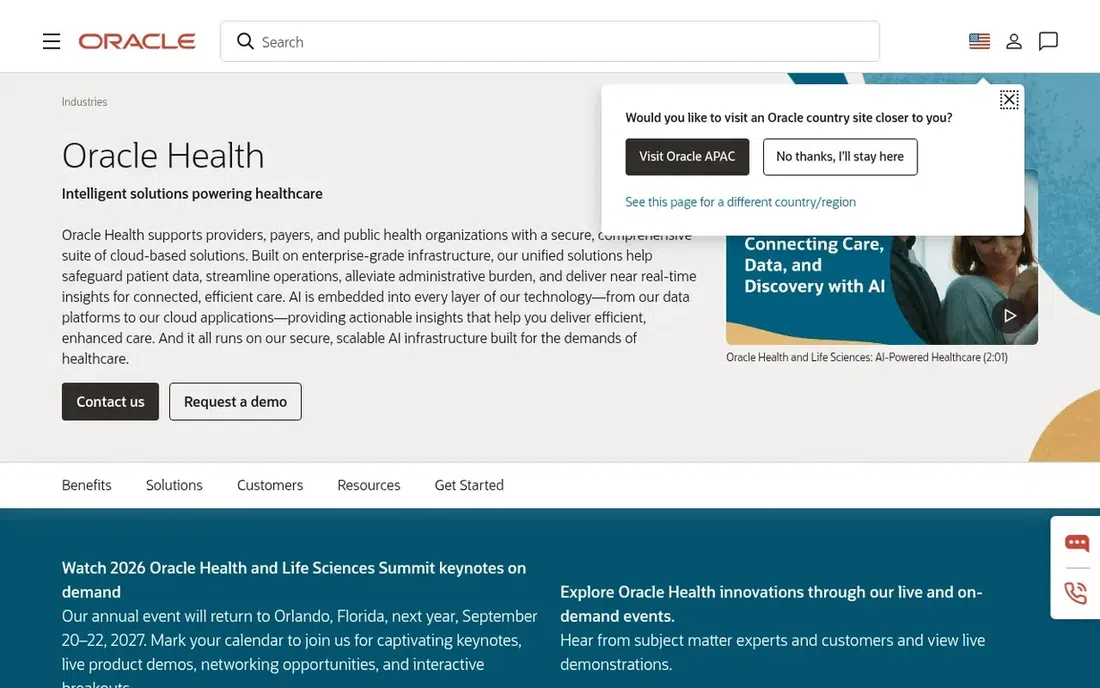
Pick Oracle Health if this describes you: secure, scalable healthcare analytics. Oracle Health advances how health happens by offering secure and steady options that help deliver better healthcare insights and people-centric experiences. Its reporting and analytics tools are built to manage large data volumes and support decision-making across clinical and operational areas.
Downsides: May need significant IT resources.
What users get: Wide healthcare insights capabilities.
For everyday use, adoption of Oracle Health often involves substantial infrastructure and integration efforts, which may be heavy for smaller practices. If you need a more straightforward, more focused reporting option, consider vendors with lighter footprints. This comparison lists no price for Oracle Health; ask the vendor. On free options: Not stated.
- Supports people-centric experiences
- Focus on secure and steady options
- Reporting commonly tied to Oracle Health ecosystem
Epic Systems
Best for: Integrated EHR reporting for large health systems
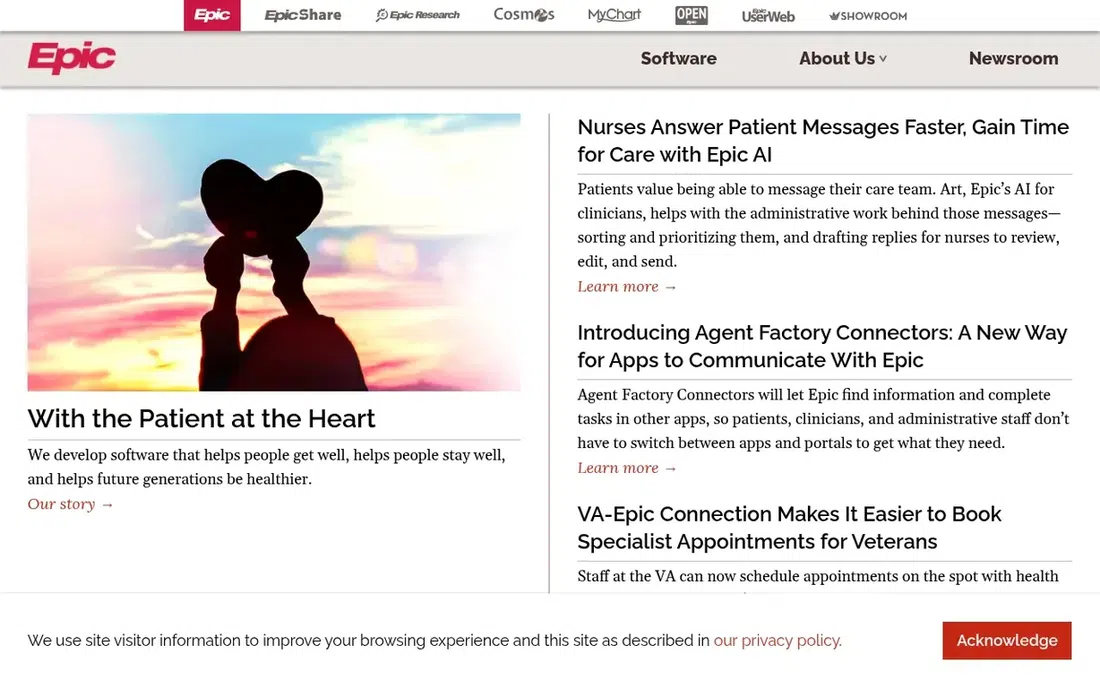
Epic Systems is a good fit for integrated EHR reporting for large health systems. Epic Systems develops software with the patient at the heart, focusing on helping people get well and stay well. Its reporting capabilities are embedded within the broader EHR, making it a fit for hospitals and large practices that require to analyze clinical, operational, and financial data in one place.
Also, organizations already using Epic can use built-in analytics without adding separate reporting tools. Epic is generally adopted by bigger healthcare organizations, and its reporting tools are not designed as standalone products for small practices. Pricing for Epic Systems is not stated here, so ask the vendor for current figures. On free options: Not stated.
Points against: Primarily suited to organizations using Epic EHR.
- Full data capture across care settings
- Deep integration with clinical workflows
- Implementation and reporting customization can be complicated
Allscripts
Best for: Data-driven healthcare insights and reporting
Allscripts is a good fit for data-driven healthcare insights and reporting. The breadth of options can make it complicated to identify the right reporting module, and integration may need vendor assistance.
This comparison lists no price for Allscripts; ask the vendor. Free plan details: Not stated.
The main drawbacks: Product naming and branding can be confusing.
- Meets critical needs at every level
- Based on validated and trusted data sources
- Reporting may require integration across modules
NextGen Healthcare works best for specialty practices needing cloud-based reporting. NextGen Healthcare supplies cloud EHR and practice management options with specialty-specific services. Its reporting tools help practices simplify workflows and enhance patient care by supplying insights into clinical and financial data.
What to check first: Reporting customization can need vendor support.
It is well suited to specialty practices that require tailored reporting within their EHR. Practices outside the NextGen ecosystem may find integration challenging. As for the details, like plenty of EHR-integrated reporting tools, NextGen's reporting is most capable when used with its full product. This comparison lists no price for NextGen Healthcare; ask the vendor. As for free access: Not stated.
- Specialty-specific reporting services
- Cloud-based EHR and practice management
- May be most beneficial for practices using NextGen EHR
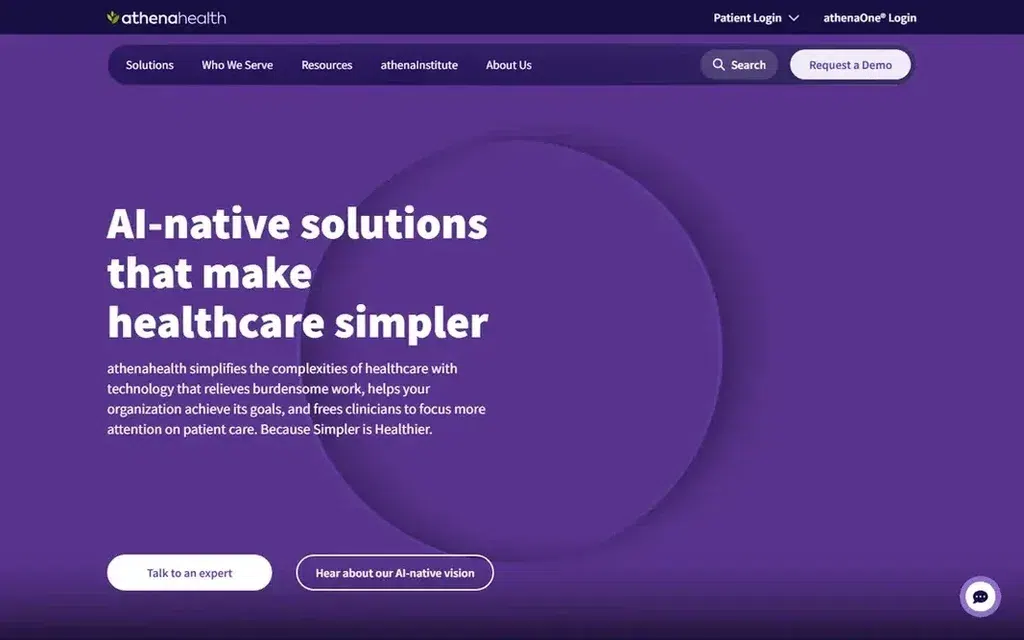
athenahealth targets ambulatory practices seeking connected reporting. Smaller practices with limited reporting needs might find more straightforward tools sufficient. In daily use, the value of athenahealth reporting is closely tied to using its broader platform, so practices on other systems may not get the full benefit.
Downsides: Customization choices can vary by practice size.
For everyday use, athenahealth gives you healthcare products and services for ambulatory care, connecting a large network of clinicians. Its reporting tools help practices analyze clinical and financial performance, with the aim of connecting the healthcare ecosystem. Pricing for athenahealth is not stated here, so ask the vendor for current figures. Free access: Not stated.
- Focus on curing complexity in healthcare
- Large connected network for data sharing
- Reporting features may be most valuable within athenahealth ecosystem
What went into this list
Things to verify first
- Request quotes from Greenway Health, athenahealth and the others; the list shows no fixed prices.
- Read the limits listed for Greenway Health first: reporting features may be optimized for Greenway users.
- Find out whether the entry plan of Epic Systems covers your must-haves or only a trimmed-down version.
- Ask Allscripts how an export works before you move any records in; an easy exit lowers the risk.
- Get the contract term, renewal terms and any onboarding fees from Greenway Health in writing.
FAQ
Can I try these tools before paying?
Not by default. None of the tools, from Greenway Health to athenahealth, lists a free plan or a free trial here, so ask each vendor for a demo before committing.
How are the tools for reporting software for healthcare practices ordered?
The order follows typical fit for reporting software for healthcare practices, with Greenway Health first and athenahealth last, then price clarity and free access. It is editorial judgement, not a score, so another team could rank the tools differently.
Do these tools publish their prices?
No. None of the tools, from Greenway Health to athenahealth, shows a fixed starting price here, so budget time for quotes.
Does any tool for reporting software for healthcare practices here have a free plan?
No tool in this list, Greenway Health and athenahealth included, has a permanent free plan. Trials and quotes are the usual route, so plan a short evaluation period.
What are the key reporting features for specialty practices?
Specialty practices commonly need condition-specific registries, configurable dashboards, and reporting that aligns with specialty quality measures. NextGen Healthcare and Greenway Health offer specialty-specific reporting capabilities.
Sources
- https://www.greenwayhealth.com
- https://www.oracle.com/health
- https://www.epic.com
- https://www.allscripts.com
- https://www.nextgen.com
- https://www.athenahealth.com