Scripting Languages Software in 2026: The 5 Best Options Side by Side
5 products for the best scripting languages software, ranked by fit, with starting costs and free tiers. Each listing flags where it falls short. Easy to scan.
- Editor's choice
 PHP
Server-side web scripting
Starts atPricing on requestVisit php.netFull review - Great alternativeJavaScript
Web development and browser scripting
Starts atPricing on requestVisit javascript.comFull review - Also considerPerl
Text processing and system administration
Starts atPricing on requestVisit perl.orgFull review
Direct answer
Our first pick is PHP, best for server-side web scripting. JavaScript is the stronger choice for web development and browser scripting, while Perl suits text processing and system administration. The full list of 5 tools follows, with free plan facts. None of these vendors publish plan prices, so pricing is on request for every option.
TL;DR:
- The list opens with PHP, aimed at server-side web scripting.
- For web development with Ruby on Rails, Ruby is worth a look.
- PHP, Ruby and the 3 others all sell by quote; expect sales conversations before you see a price.
- A permanent free plan is missing from all 5 tools, PHP and Ruby included; plan for a trial or a premium start.
Last checked November 2026. Pricing on request: vendors did not publish plan prices when this guide was last checked (November 2026), so ask each vendor for a written quote.
Quick comparison
| Tool | Best for | Starts at | Free plan? | |
|---|---|---|---|---|
| PHP | Server-side web scripting | Pricing on request | Not stated | Visit |
| JavaScript | Web development and browser scripting | Pricing on request | Not stated | Visit |
| Perl | Text processing and system administration | Pricing on request | Not stated | Visit |
 Python | General-purpose scripting and automation | Pricing on request | Not stated | Visit |
 Ruby | Web development with Ruby on Rails | Pricing on request | Not stated | Visit |
Tool-by-tool breakdown
Choosing scripting languages software usually comes down to price, fit and limits. This LinkVetted guide sets 5 tools side by side on those three points, with the facts kept short and checkable.
In short, PHP is for server-side web scripting. PHP's ubiquity and ease of deployment make it a practical choice for server-side scripting.
What to check first: Inconsistent APIs.
PHP has faced criticism for inconsistent function naming and security issues if not used carefully. No starting price is listed for PHP here; confirm pricing on the vendor site. Free plan details: Not stated.
- Large codebase
- Broad hosting support
- Security pitfalls
JavaScript
Best for: Web development and browser scripting
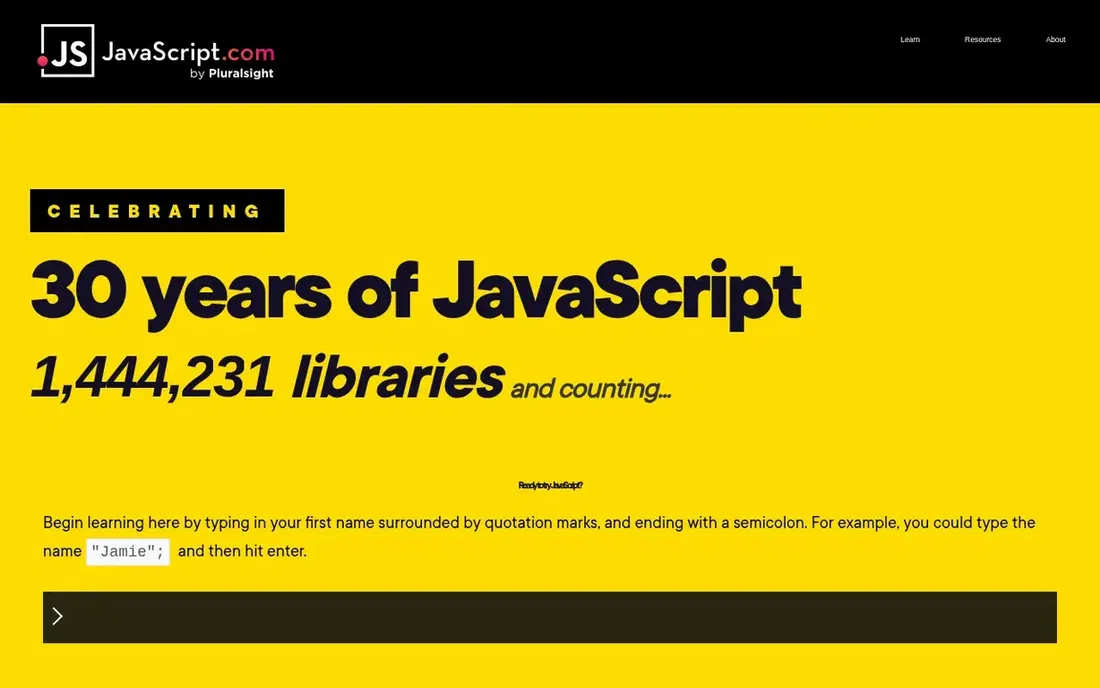
JavaScript works best for web development and browser scripting. JavaScript is the dominant scripting language for the web, enabling interactive and dynamic content on websites. It is also used on servers via Node.js.
Points against: Dynamic typing can result in runtime errors.
With its event-driven model and widespread adoption, JavaScript is essential for front-end and full-stack development. Its dynamic nature can cause subtle bugs, particularly in large codebases. This comparison lists no price for JavaScript; ask the vendor. Free options: Not stated.
- Vast ecosystem of libraries
- Runs in all modern browsers
- Browser inconsistencies
Perl
Best for: Text processing and system administration
Pick Perl if this describes you: text processing and system administration. Perl is a highly capable scripting language with solid text processing capabilities.
Trade-offs to know: Cryptic syntax.
It is commonly used for system administration, network programming, and tasks that involve parsing and manipulating text. For everyday use, Perl's syntax can be hard to read and maintain, notably for large projects. This comparison lists no price for Perl; ask the vendor. On free options: Not stated.
- Mature ecosystem
- Feature-rich regular expressions
- Less modern tooling
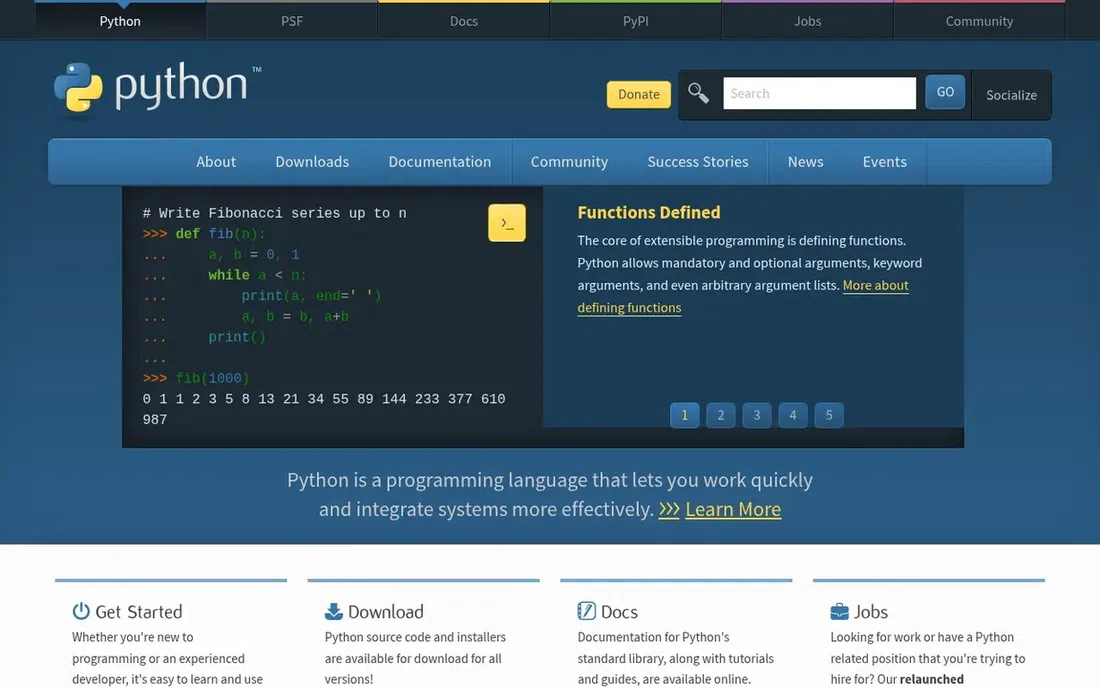
Python works best for general-purpose scripting and automation. Its broad standard library and external packages make it a versatile choice for numerous scripting needs.
If you need tight integration with web browsers or high-speed execution, consider JavaScript or a compiled language instead. No starting price is listed for Python here; confirm pricing on the vendor site. Free plan details: Not stated.
Downsides: Global interpreter lock limits threading.
- Readable syntax
- Cross-platform
- Slower than compiled languages
Pick Ruby if this describes you: web development with Ruby on Rails. Ruby is a dynamic, object-oriented scripting language centred on simplicity and productivity. It is especially known for the Ruby on Rails framework, which simplifies web application development.
Where it falls short: Performance concerns.
Where Ruby stands out: Productive for web apps.
In daily use, if you are not building a web application, other languages might offer better performance or broader adoption. In daily use, Ruby's readable syntax makes it a favorite for developers who value clean code. From a buyer's view, Ruby may not be the best choice for high-performance or resource-constrained environments. This comparison lists no price for Ruby; ask the vendor. Trial and free access: Not stated.
- Elegant syntax
- Capable community
- Declining popularity
Selection criteria
Pricing pages, product documentation and feature lists were the main sources, and every entry carries at least one honest drawback. Figures are shown as the vendors publish them. Billing terms, seat minimums and add-ons can change the real cost. The order reflects how well each tool fits the most common buying scenario for scripting languages software, then price clarity, then free plan access. It is a starting point, not a verdict.
Questions to settle before buying
- Ask each vendor, from PHP to Ruby, for a written quote; none of them publishes a starting price.
- Before choosing PHP, weigh its main limit: inconsistent APIs.
- Test how quickly PHP answers a pre-sales question; it hints at how support will feel later.
- Add up seats, add-ons and usage charges for Python before comparing it with cheaper entries.
- Look at which plan of Ruby unlocks the features you need; entry tiers are often cut down.
FAQ
Does any tool for scripting languages software here have a free plan?
A permanent free plan is not offered by PHP, Ruby or the other tools here. Plan a short evaluation period instead.
Can I try these options before paying?
Not by default. None of the tools, from PHP to Ruby, lists a free plan or a free trial here, so ask each vendor for a demo before committing.
How are the tools for scripting languages software ordered?
The order follows typical fit for scripting languages software, with PHP first and Ruby last, then price clarity and free access. It is editorial judgement, not a score, so another team could rank the tools differently.
Can I use PHP for modern web development?
Yes, PHP is still widely used and has modern frameworks. That said, some developers prefer JavaScript or Python for new projects. Evaluate based on your team's expertise and project needs.
Do these tools publish their prices?
No. None of the tools, from PHP to Ruby, shows a fixed starting price here, so budget time for quotes.
Sources
- https://www.php.net
- https://www.javascript.com
- https://www.perl.org
- https://www.python.org
- https://www.ruby-lang.org