Best Incident Postmortem Software for Engineering in 2026: Prices, Free Plans and 6 Picks
6 tools for the best incident postmortem software for engineering, compared on pricing, free plans and best-fit use. Trade-offs are spelled out for each entry.
- Editor's choice
 Rootly
AI-native incident management with built-in learning
Starts at$20 per user per monthVisit rootly.comFull review - Great alternativeBlameless
Teams exploring structured incident and retro workflows
Starts at$25 per responder per monthVisit blameless.comFull review - Also considerJeli
Focused post-incident reviews and pattern finding
Starts at$21 per user per monthVisit jeli.ioFull review
Direct answer
Rootly comes first here, mainly for AI-native incident management with built-in learning. Listed starting prices: Rootly from $20 per user per month, Blameless from $25 per responder per month and Jeli from $21 per user per month. If your case is different, Blameless suits teams exploring structured incident and retro workflows and Jeli suits focused post-incident reviews and pattern finding. Prices, free plans and limits for all 6 tools follow.
TL;DR:
- Rootly sits first on this list: AI-native incident management with built-in learning.
- Only 2 of the 6 tools have a free plan (Jeli, PagerDuty), so check the caps.
- Rootly is the lowest-priced starter here at $20 per user per month.
- FireHydrant comes with a trade-off: feature breadth can take time to configure.
Last checked November 2026. Prices and plan details were read from the vendors' own pages in November 2026; vendors change plans often, so confirm the current price on the vendor site before you buy.
Quick comparison
| Tool | Best for | Starts at | Free plan? | |
|---|---|---|---|---|
| Rootly | AI-native incident management with built-in learning | $20 per user per month | Not stated | Visit |
| Blameless | Teams exploring structured incident and retro workflows | $25 per responder per month | Free trial | Visit |
| Jeli | Focused post-incident reviews and pattern finding | $21 per user per month | Yes | Visit |
 FireHydrant | All-in-one alerting, on-call and retro workflows | $25 per responder per month | Free trial | Visit |
 PagerDuty | Teams wanting postmortems inside a wide operations system | $21 per user a month | Yes | Visit |
| Atlassian Jira Service Management | Teams already standardized on Atlassian tools | See website | Not stated | Visit |
The best incident postmortem software for engineering
Choosing incident postmortem software for engineering usually comes down to price, fit and limits. This LinkVetted guide sets 6 tools side by side on those three points, with the facts kept short and checkable.
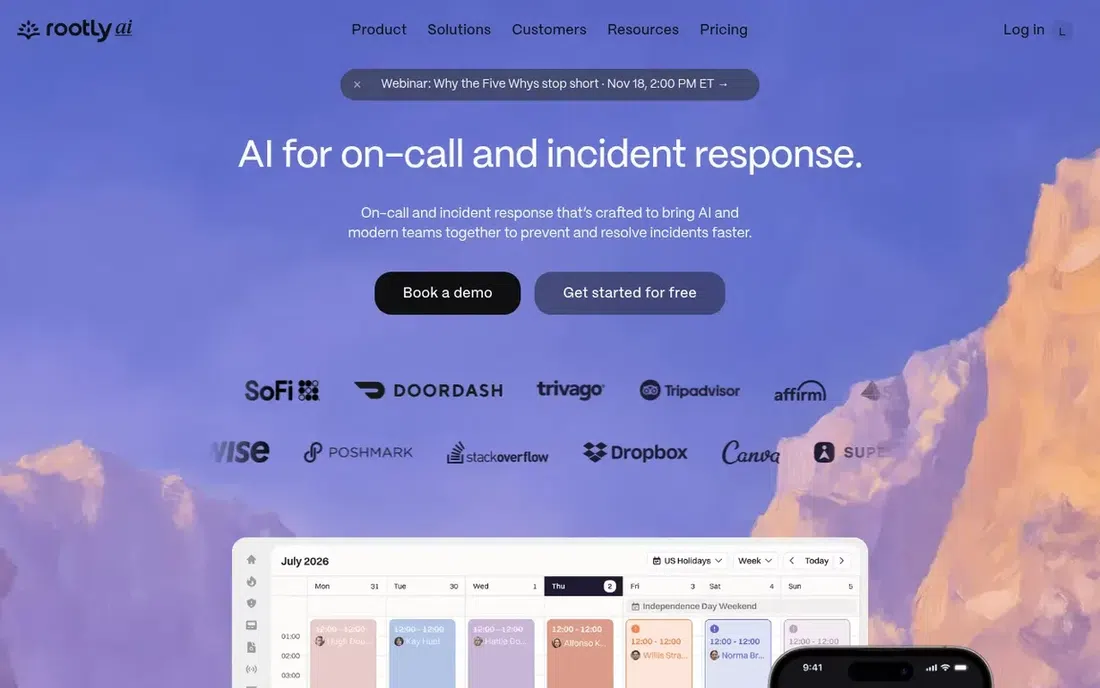
Rootly is aimed squarely at AI-native incident management with built-in learning. Teams with established manual processes may have to adapt how they run incidents to get the most from an AI-native approach.
The learning stage is where postmortems live, so reviews stay connected to the response record. Worth adding: consider Rootly when incident handling and postmortem learning should share one AI-oriented product. Starting cost for Rootly: $20 per user per month. As for free access: Not stated.
What to check first: AI-centric approach may need process adjustment. What Rootly does well: Learning from incidents is part of the workflow.
- Handles detection
- Management and resolution
- Full lifecycle scope may exceed retro-only requirements
Blameless
Best for: Teams exploring structured incident and retro workflows
In short, Blameless is for teams exploring structured incident and retro workflows. Its homepage excerpt as provided emphasizes all-in-one alerting, on-call and incident management, so evaluate it as part of a broader incident lifecycle instead of a standalone document editor.
On top of that, since product positioning can change, confirm current postmortem features directly with the vendor before committing. Blameless cost at the entry level: $25 per responder per month. Free plan details: Free trial.
Main advantages: on-call and incident management. Limits to weigh: Details of current capabilities should be confirmed with the vendor.
- Geared toward all-in-one alerting
- Retrospective workflows are part of the incident lifecycle
- Breadth of scope may overlap with existing tooling
Jeli
Best for: Focused post-incident reviews and pattern finding
Jeli makes the most sense for focused post-incident reviews and pattern finding. Jeli centers on post-incident reviews, with a stated goal of helping organizations see patterns and learn from their incidents to build more resilient infrastructure and teams.
It is geared toward teams that treat learning, not just documentation, as the point of a postmortem. Entry price for Jeli: $21 per user per month. Jeli includes a free tier.
The main drawbacks: Narrower scope than full incident management products.
- Dedicated post-incident review focus
- Helps teams see patterns across incidents
- Still needs incident data from your response tooling
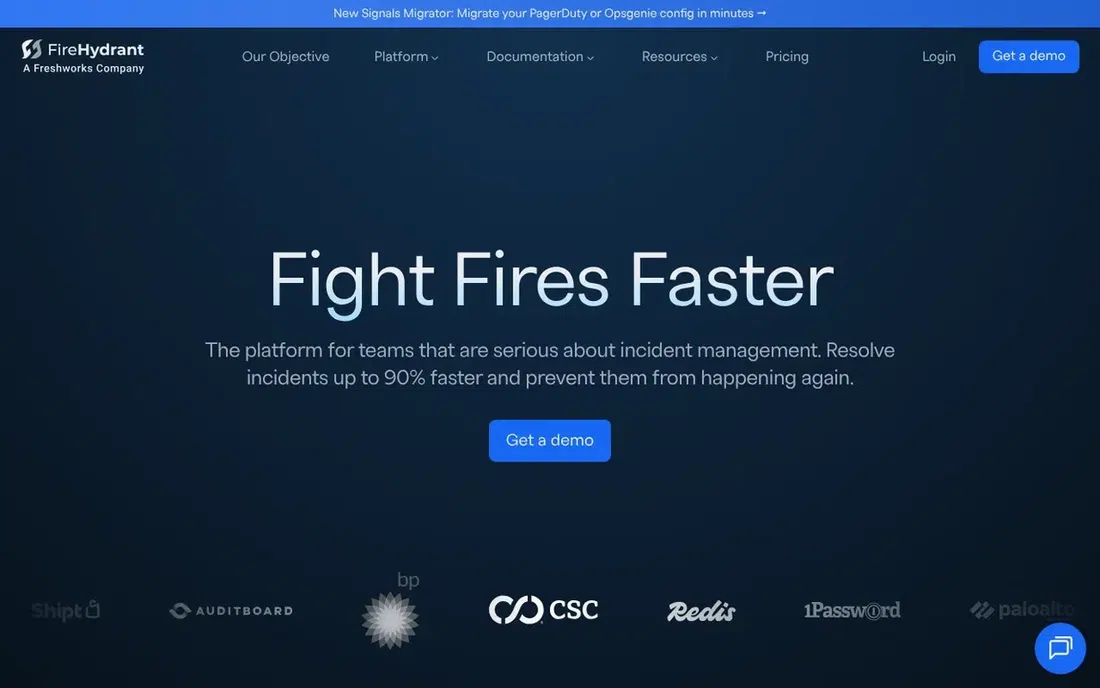
FireHydrant works best for all-in-one alerting, on-call and retro workflows. The combined scope means setup spans more than retro templates alone, which can be overhead for a small team with straightforward needs. In daily use, if your alerting and on-call are already settled elsewhere, a dedicated review tool may integrate more cleanly.
What to check first: Teams wanting only retro documentation may not need alerting.
On top of that, post-incident retros are part of that same product, so the review follows naturally from the response. In practice, pick FireHydrant when you want the entire incident lifecycle, retros included, in one place. Price to start with FireHydrant: $25 per responder per month. As for free access: Free trial.
- Smart alerting and on-call scheduling in one product
- AI-powered workflows during response
- Feature breadth can take time to configure
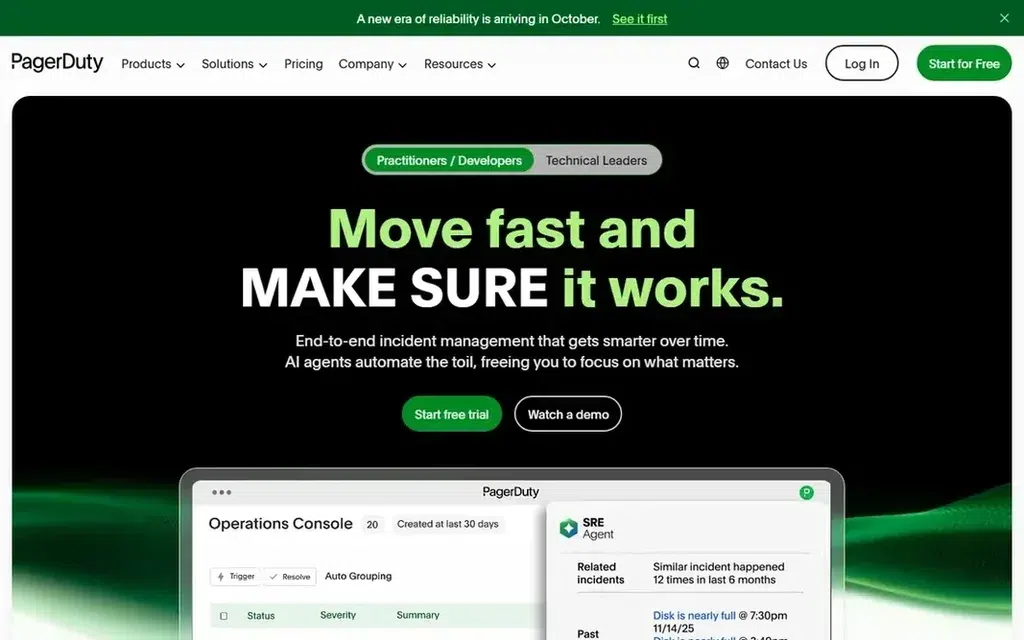
PagerDuty was built for teams wanting postmortems inside a wide operations system. PagerDuty presents itself as an AI-first operations system that helps teams automate, resolve and prevent critical issues from detection through resolution. Choose PagerDuty when incident response and postmortems should share a single operations foundation.
More specifically, smaller engineering groups without a formal on-call process might prefer a narrower review-focused tool. More specifically, for postmortems, that means reviews can sit close to the incident data your responders already create. PagerDuty starts at: $21 per user per month. A free plan is available with PagerDuty.
What to check first: Wide system may be more than postmortem-only teams need.
- Automation pitched at resolving and preventing critical issues
- Retrospective learning sits alongside incident response
- Depth of setup relies on how much of the system you adopt
Atlassian Jira Service Management
Best for: Teams already standardized on Atlassian tools
In short, Atlassian Jira Service Management is for teams already standardized on Atlassian tools. It fits organizations that want incident handling governed alongside broader service management practices.
Check the vendor site for Atlassian Jira Service Management pricing; none is listed in this comparison. Free access: Not stated.
Where it is weaker: ITSM framing may feel wide for pure engineering retros.
- Suits organizations already using Atlassian products
- AI-powered ITSM handling incident response
- Postmortem depth relies on how you configure workflows
What went into this list
Selection started from tools commonly considered for incident postmortem software for engineering, then narrowed to 6 that have clear pricing information or a clear quote process. Prices and plan limits come from vendor pages and can change, so confirm them on the vendor site before you buy. The sequence is a judgement call: typical use case first, then pricing transparency, then free access. Use the profiles to check fit.
What to confirm before you sign up
- Confirm the entry price on the vendor page. For Atlassian Jira Service Management that means a quote rather than a fixed price.
- Check what the free option really includes: Jeli and PagerDuty offer a free plan, and usage caps differ.
- Run a trial of Blameless and FireHydrant with real work before paying for a year; your own workflow is the best test.
- Read the limits listed for Rootly first: AI-centric approach may need process adjustment.
- Ask the daily users to test Jeli on a live task before you roll it out to everyone.
- Add up seats, add-ons and usage charges for PagerDuty before comparing it with cheaper entries.
FAQ
Can I try these tools before paying?
Often, yes. Jeli and PagerDuty have a free plan and Blameless and FireHydrant offer a free trial. Use your own data and a real task during the test, and check what the free tier or trial limits before you rely on it.
What is the cheapest option for incident postmortem software for engineering in this list?
On published monthly entry prices, Rootly is the lowest here at $20 per user per month. Entry price is only part of the cost, because seats, add-ons and billing terms can change the total.
Is Rootly the right pick for everyone comparing incident postmortem software for engineering?
No single tool suits every team. Rootly comes first because it fits AI-native incident management with built-in learning, while Blameless suits teams exploring structured incident and retro workflows and Jeli suits focused post-incident reviews and pattern finding. Match the tool to your own size, budget and workflow before deciding.
What should engineering teams look for in postmortem software?
Look for a clear link between the incident timeline and the review document, since context makes retrospectives quicker to write. Check how action items are tracked to completion and whether the tool suits your existing alerting and on-call setup.
How do blameless retrospectives fit into these tools?
The tool supplies the structure, but the culture around the review determines whether people speak honestly. On top of that, confirm that templates and permissions support the review style your team wants.
Can Jira Service Management deal with engineering postmortems?
Jira Service Management includes incident response within a broader ITSM system, so postmortem steps can be configured as part of your workflows. It suits best when your organization already runs service management in Atlassian tools.
Sources
- https://rootly.com
- https://www.blameless.com
- https://www.jeli.io
- https://firehydrant.com
- https://www.pagerduty.com
- https://www.atlassian.com/software/jira/service-management