Best Food Delivery App Development Company in 2026: 9 Companies Compared
We compared the best food delivery app development company for restaurants and marketplaces, with project sizes, rates, and guidance on choosing a partner.
- Editor's choice
 Appinventiv
Large delivery platforms
Starts atSee websiteVisit appinventiv.comFull review - Great alternative
 Hyperlink InfoSystem
Budget-friendly builds
Starts atSee websiteVisit hyperlinkinfosystem.comFull review - Also consider
 Techugo
On-demand startup apps
Starts atSee websiteVisit techugo.comFull review
TL;DR:
- Appinventiv is our pick for large, complex delivery platforms, with enterprise delivery work and full-cycle teams.
- Hyperlink InfoSystem suits smaller budgets, with minimum project sizes listed from $5,000 and broad on-demand experience.
- Techugo and Suffescom suit startups that need a fast on-demand build, with minimum projects listed from $10,000.
- Always compare a fixed-scope quote, a timeline, and post-launch support terms, since the cheapest build often costs more after launch.
Quick comparison
| Tool | Best for | Starts at | Free plan? | |
|---|---|---|---|---|
| Appinventiv | Large delivery platforms | See website | No | Visit |
| Hyperlink InfoSystem | Budget-friendly builds | See website | No | Visit |
| Techugo | On-demand startup apps | See website | No | Visit |
 Suffescom Solutions | On-demand delivery apps | See website | No | Visit |
 Dev Technosys | Cost-effective delivery builds | See website | No | Visit |
 Konstant Infosolutions | Mid-size restaurant apps | See website | No | Visit |
 Simform | Scalable cloud delivery platforms | See website | No | Visit |
 Netguru | Product-led delivery apps | See website | No | Visit |
 MindInventory | Full-cycle delivery products | See website | No | Visit |
The best food delivery app development companies
A food delivery app is really four apps in one: a customer app, a restaurant panel, a driver app, and an admin dashboard, plus payments, maps, and dispatch. The companies below all build that full stack, and we compared official service pages, case studies, and public review profiles to match each firm to a buyer type.
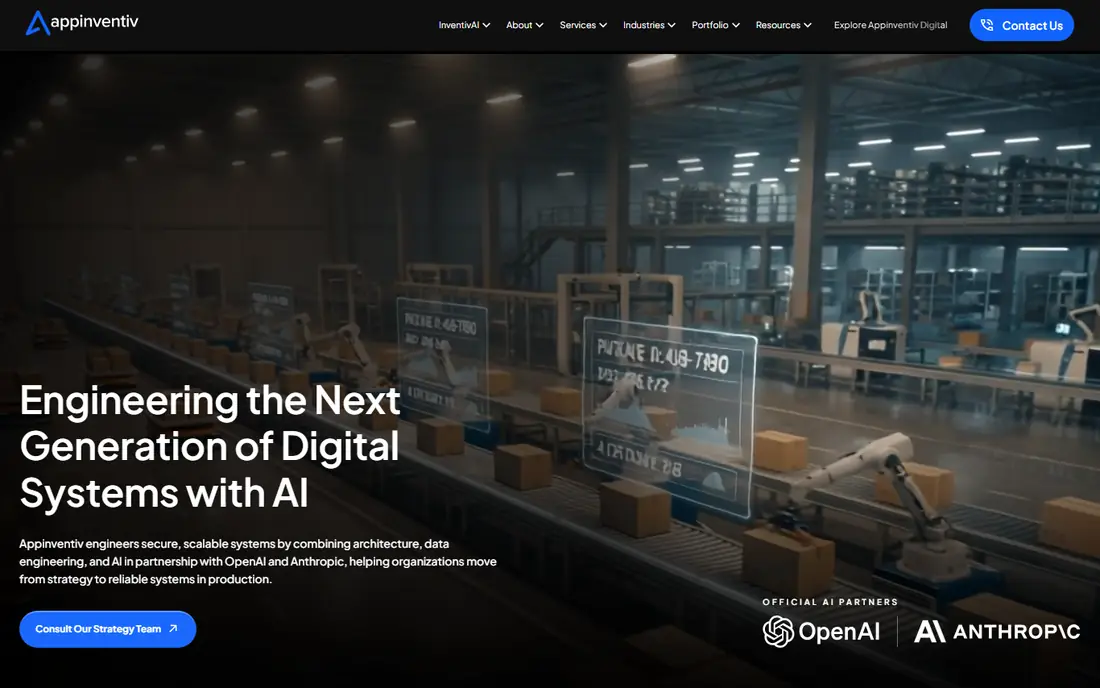
Appinventiv is the largest firm in this list, and its delivery work covers the full marketplace: customer ordering, restaurant management, driver dispatch, payments, and analytics. Published restaurant work includes major quick-service brands, with case studies citing high daily order volumes and conversion gains. Its teams handle product strategy, design, engineering, and cloud infrastructure in house.
The trade-off is scale. Minimum project sizes are listed from $50,000, with hourly rates in the $25 to $49 range in review profiles, and its process suits funded startups and chains better than a single-location restaurant. For a large platform that must scale across markets, Appinventiv is our first pick.
- Full-cycle delivery platform teams
- Enterprise food brand work
- Strong product and design depth
- Minimum project sizes listed from $50,000
- Enterprise process is too heavy for a lean MVP
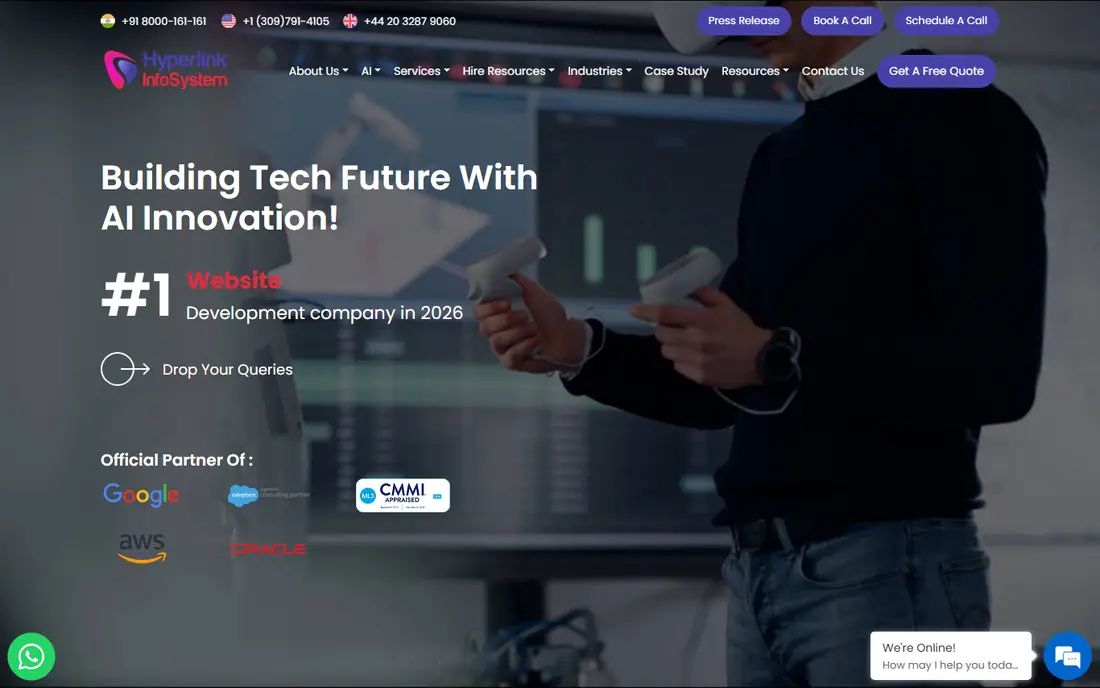
Hyperlink InfoSystem is a good starting point for buyers with a smaller budget who still need a full delivery app. Minimum project sizes are listed from $5,000, with hourly rates in the $25 to $49 range, and the firm has built on-demand apps across food, grocery, and services. That breadth means common features such as live tracking, coupons, and multi-restaurant catalogs are familiar work, not first-time experiments.
Buyers should still vet the assigned team, since a large firm can vary in seniority across projects. Ask for the actual developers, a demo of a past delivery app, and a fixed scope for phase one. For a budget-conscious launch, Hyperlink InfoSystem offers the lowest entry point in this list.
- Low minimum project size from $5,000
- Broad on-demand and food delivery experience
- Large team
- Large firm, so senior attention varies by project
- Quality depends on the assigned team
Techugo specializes in on-demand apps, including food delivery, and its process suits startups that need to launch fast and iterate. Minimum project sizes are listed from $10,000, with hourly rates in the $25 to $49 range, and review profiles show a strong rating across several hundred reviews. Its teams cover design, iOS and Android, backend, and admin panels.
The limit is enterprise depth. A multi-market chain with complex POS and logistics integrations may need a larger firm. A startup building a single-city marketplace or a branded restaurant app, though, will find Techugo a practical, fast-moving partner.
- Strong on-demand delivery focus
- Startup-friendly process
- Minimum projects from $10,000
- Less enterprise depth than Appinventiv
- Post-launch terms need checking
Suffescom Solutions builds on-demand delivery apps alongside other mobile products, with minimum project sizes listed from $10,000 and hourly rates in the $25 to $49 range. Its delivery work covers customer, restaurant, driver, and admin modules, with payment and tracking integrations that most marketplaces need. Review profiles show a high rating across several hundred reviews.
Because Suffescom covers many app types, buyers should ask for delivery-specific case studies and a live demo, not just a general portfolio. When those references check out, it is a solid mid-price option for a startup marketplace or a restaurant group app.
- Strong on-demand portfolio
- Minimum projects from $10,000
- Blockchain and wallet experience for some builds
- Service range is broad, so check delivery-specific references
- Support terms vary
Dev Technosys is another cost-effective option for food delivery builds, with minimum project sizes listed from $10,000 and hourly rates in the $25 to $49 range. It offers dedicated teams as well as fixed-scope projects, which suits buyers who want to keep a team after launch for updates and new features. Its food delivery work includes ordering, tracking, and restaurant management modules.
As with other large offshore firms, the assigned team matters more than the brand name. Ask who will lead design and backend work, how dispatch and peak-time load will be tested, and what post-launch support costs. On price and breadth, Dev Technosys is a credible shortlist firm for a first delivery app.
- Minimum projects from $10,000
- Broad food and on-demand experience
- Dedicated team options
- Large portfolio means vetting the team matters
- Timelines vary by scope
Konstant Infosolutions has built mobile apps for many years, with a large review footprint and minimum project sizes listed from $10,000. Its restaurant and delivery work covers branded ordering apps, multi-restaurant marketplaces, and admin tools, with iOS, Android, and web builds. That experience makes it a safe mid-size choice for a restaurant group that wants its own ordering channel.
It is less delivery-specialized than firms that focus only on on-demand marketplaces, so buyers should check delivery references in detail, especially around driver dispatch and live tracking. For a mid-size restaurant app with clear scope, Konstant Infosolutions offers steady delivery at a mid-market price.
- Long track record in mobile apps
- Minimum projects from $10,000
- Strong review volume
- Less delivery-specialized than Appinventiv
- Design quality varies by team
Simform suits buyers who care most about scale and backend strength. Its teams build cloud-based delivery platforms designed to handle growth, peak orders, and multiple cities, with minimum project sizes listed from $25,000 and hourly rates in the $25 to $49 range. Review profiles show a high rating, and its engineering depth suits longer roadmaps.
Design-led buyers who want a standout consumer brand may prefer a product studio with stronger UX emphasis. Engineering-led buyers who want a platform that will not fall over at dinner rush, and that can grow city by city, will find Simform a strong fit.
- Strong cloud engineering
- Scalable marketplace architecture
- Minimum projects from $25,000
- Higher minimum than budget firms
- More engineering-led than design-led
Netguru is a product development firm with a strong design and product management process, suited to funded startups that need more than code. Minimum project sizes are listed from $25,000, with hourly rates in the $50 to $99 range, reflecting its European team and product-led approach. Its delivery work benefits from that process, especially in discovery, UX, and launch planning.
The price is the trade-off. A bootstrapped single restaurant will find cheaper options above. A funded startup that needs a polished consumer app, clear product decisions, and a team that challenges weak ideas will get value from Netguru that a pure code shop may not provide.
- Strong product and design process
- Good for funded startups
- Minimum projects from $25,000
- Hourly rates in the $50 to $99 range
- Pricier than offshore budget firms
MindInventory offers full-cycle product development, from discovery and design through mobile apps, backend, and maintenance, with on-demand delivery among its service lines. Its flexible engagement models suit startups that want to start with an MVP and grow the team as orders grow. That staged approach helps control cost while testing demand.
Pricing is quote-based, so buyers should request a scoped MVP quote with a timeline and a support plan. For a buyer who wants one partner from idea to launch to updates, and who values a full-cycle team over the lowest hourly rate, MindInventory is a sensible final shortlist firm.
- Full-cycle design and development
- On-demand app experience
- Flexible engagement models
- Pricing is quote-based
- Check delivery references for marketplace scale
How we picked these
We compared official service pages, case studies, and public review profiles, and we kept only firms that exist and work today and that truly build food delivery apps, meaning customer, restaurant, driver, and admin modules, not just generic mobile apps. Firms that only build websites or only do marketing did not make the cut. Where firms do not publish prices, we wrote See website rather than guessing, and we used review-profile ranges only where they were clearly labeled as such.
We also matched firms to buyer types, since a $5,000 MVP and a $50,000 enterprise platform are different buys. That is why the notes call out minimum project sizes and hourly ranges where review profiles publish them, and why the list mixes budget, mid-market, and enterprise firms.
What to check before you hire
Start with a written scope for phase one, not a vague app idea. List the exact modules, such as customer app, restaurant panel, driver app, admin dashboard, payments, maps, and dispatch, plus the launch city and the restaurant count. A firm that quotes without that list will either pad the price or miss features you assumed were included.
Next, test a live demo of a past delivery app, and ask how peak-time orders, failed payments, and driver no-shows are handled. Ask who owns the code, what post-launch support costs, and how updates and store submissions work after launch. Finally, compare at least three quotes on total first-year cost, not just build cost, since hosting, maps, payments, and support add up fast.
FAQ
What is the best food delivery app development company for startups?
Techugo, Suffescom, and Hyperlink InfoSystem suit startups best, with minimum projects from $5,000 to $10,000 and on-demand experience. Hyperlink InfoSystem offers the lowest entry point, while Techugo offers a strong on-demand focus. Start with a scoped MVP, not a full marketplace, to test demand.
What are the best food delivery app development companies for enterprises?
Appinventiv and Simform suit enterprises best. Appinventiv offers full-cycle enterprise delivery platforms with major brand work, while Simform offers scalable cloud architecture for multi-city growth. Both need larger budgets, with minimums from $25,000 to $50,000 in review profiles.
How much does it cost to build a food delivery app?
Costs vary widely by scope, from a few thousand dollars for a simple branded ordering app to $50,000 or more for a full marketplace with driver dispatch and admin tools. Hourly rates in review profiles range from $25 to $49 for many offshore firms to $50 to $99 for firms like Netguru. Get a fixed-scope quote for phase one.
Should I choose a custom app or a white-label platform?
A white-label platform launches faster and costs less, but limits customization and branding. A custom app costs more and takes longer, but fits unique dispatch, loyalty, or POS needs. Restaurants with standard ordering needs often do well on white-label, while marketplaces with unique logic need custom builds.
What features should a food delivery app include?
At minimum, include menu and ordering, secure payments, live order tracking, restaurant and driver panels, an admin dashboard, coupons, and push notifications. Add loyalty, scheduled orders, and POS integration as phase two, once core ordering works reliably at peak times.