Cybersecurity Tools for Malware Analysis in 2026: The 6 Best Options Side by Side
Best cybersecurity tools for malware analysis in 2026: 6 contenders with entry costs and free tiers. Each pick lists its main limit. Narrow your shortlist.
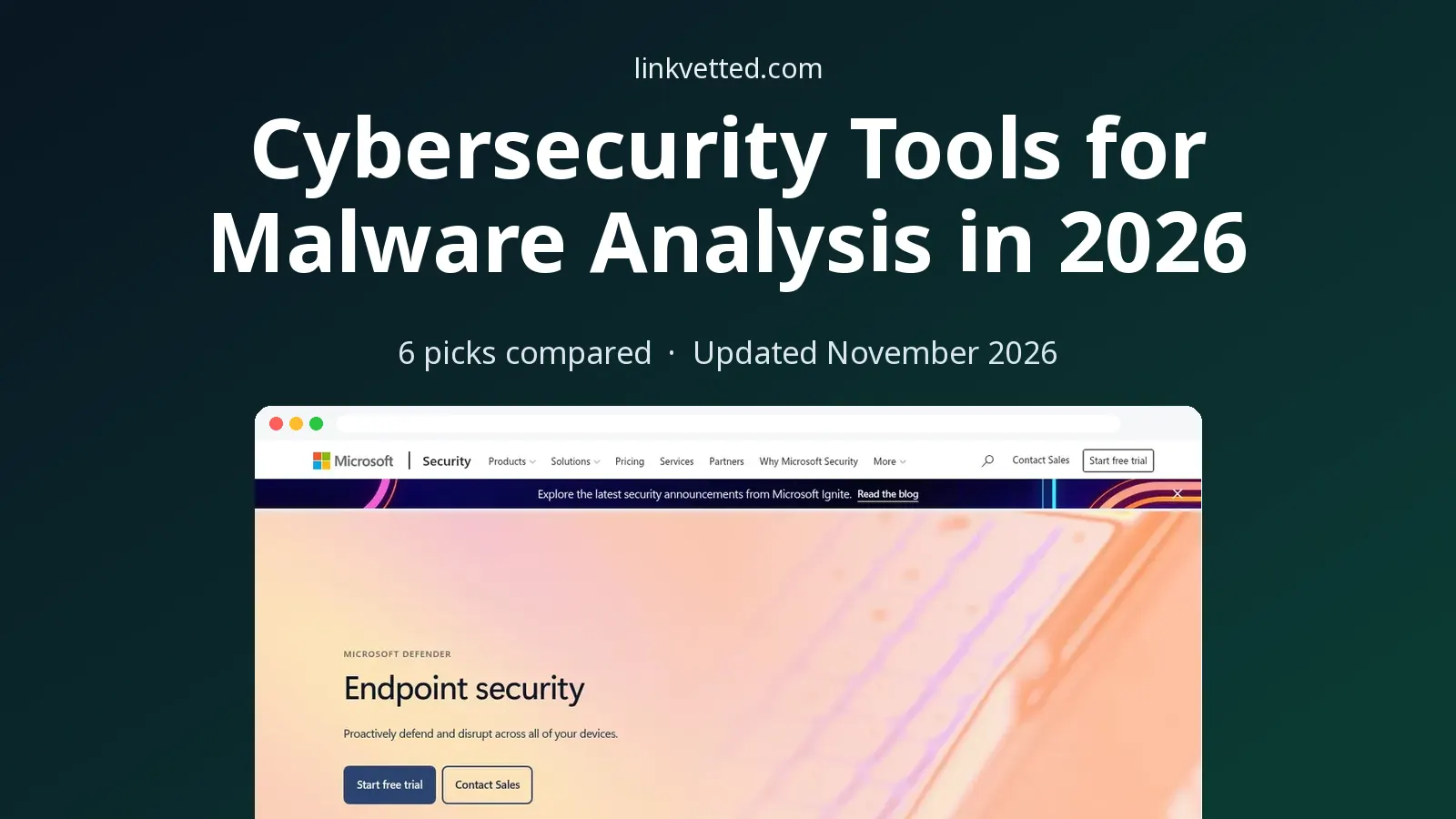
- Editor's choice
 Microsoft Defender for Endpoint
AI-assisted endpoint protection in Microsoft environments
Starts atSee websiteVisit microsoft.comFull review - Great alternative
 Palo Alto Networks Cortex XDR
SOC transformation and AI-driven detection
Starts atSee websiteVisit paloaltonetworks.comFull review - Also consider
 CrowdStrike Falcon
Cloud-native endpoint detection and response
Starts at$7.99 per device a monthVisit crowdstrike.comFull review
Direct answer
Our first pick is Microsoft Defender for Endpoint, best for AI-assisted endpoint protection in Microsoft environments. Listed starting prices: CrowdStrike Falcon from $7.99 per device a month. For a different need, Palo Alto Networks Cortex XDR covers SOC transformation and AI-driven detection and CrowdStrike Falcon covers cloud-native endpoint detection and response. The other 3 tools in the list cover narrower or pricier cases.
TL;DR:
- Microsoft Defender for Endpoint is the opening pick, best for AI-assisted endpoint protection in Microsoft environments.
- For the cheapest start, look at CrowdStrike Falcon: $7.99 per device per month.
- Recorded Future is the one to check for live threat intelligence for prioritization.
- What to know about Palo Alto Networks Cortex XDR first: concentrated on SOC operations instead of manual analysis.
Last checked November 2026. Prices and plan details were read from the vendors' own pages in November 2026; vendors change plans often, so confirm the current price on the vendor site before you buy.
Quick comparison
| Tool | Best for | Starts at | Free plan? | |
|---|---|---|---|---|
| Microsoft Defender for Endpoint | AI-assisted endpoint protection in Microsoft environments | See website | Not stated | Visit |
| Palo Alto Networks Cortex XDR | SOC transformation and AI-driven detection | See website | Not stated | Visit |
| CrowdStrike Falcon | Cloud-native endpoint detection and response | $7.99 per device a month | Free trial | Visit |
 Cuckoo Sandbox | Open-source automatic malware sandboxing | See website | Not stated | Visit |
 Any.Run | Interactive cloud malware sandbox analysis | See website | Not stated | Visit |
 Recorded Future | Live threat intelligence for prioritization | See website | Not stated | Visit |
Cybersecurity Tools for Malware Analysis compared in detail
This LinkVetted guide covers 6 options for cybersecurity tools for malware analysis. Each profile lists a starting price, free plan details, strengths and drawbacks, so you can drop poor fits quickly.
Microsoft Defender for Endpoint
Best for: AI-assisted endpoint protection in Microsoft environments
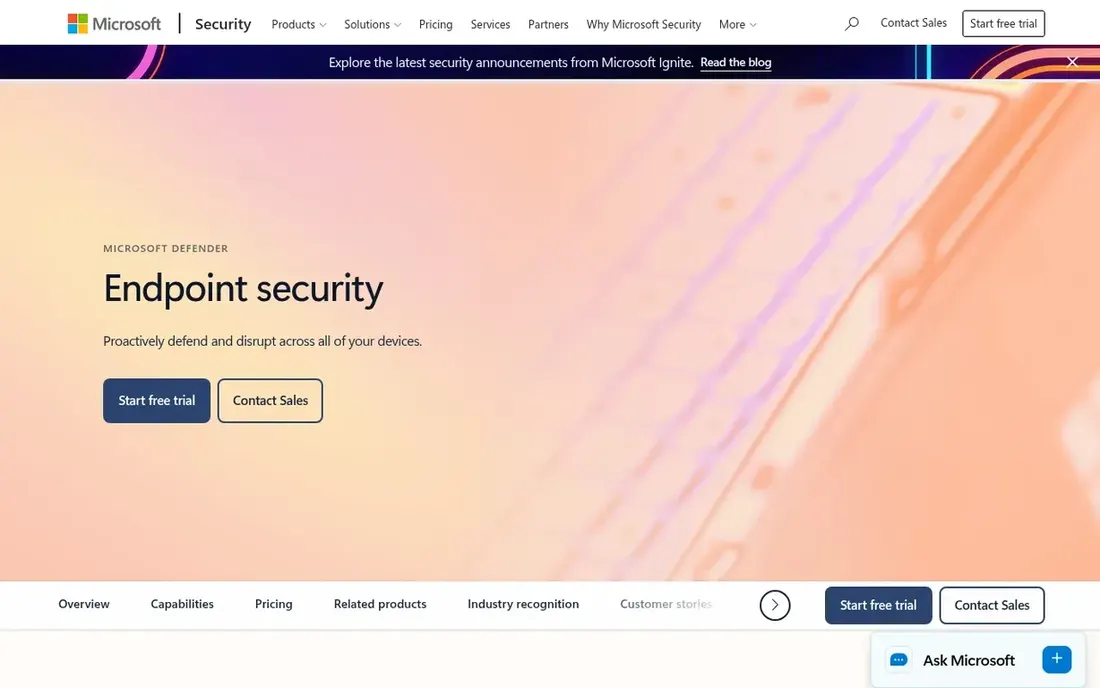
For AI-assisted endpoint protection in Microsoft environments, Microsoft Defender for Endpoint is a natural candidate. Environments built on other vendors may see less integrated value. On top of that, confirm how it suits your existing stack before committing.
What to check first: Endpoint focus rather than sample sandboxing.
More specifically, Microsoft Defender for Endpoint is an endpoint security product that uses AI to help stop cyberattacks and secure devices. Its strengths center on endpoint protection, so analysts needing interactive sample detonation may want a dedicated sandbox alongside it. Microsoft Defender for Endpoint does not show a starting price in this comparison, so check the vendor site for current pricing. Free options: Not stated.
- AI-assisted attack prevention
- Endpoint security for devices
- Most natural fit for Microsoft-centric estates
Palo Alto Networks Cortex XDR
Best for: SOC transformation and AI-driven detection

Palo Alto Networks Cortex XDR works best for SOC transformation and AI-driven detection. Getting full value assumes a structured security operations function.
More specifically, since the emphasis is on SecOps transformation, teams wanting a light interactive sandbox may prefer a more focused tool. Palo Alto Networks Cortex XDR is positioned as an AI-driven system aimed at security operations center transformation. Pricing for Palo Alto Networks Cortex XDR is not stated here, so ask the vendor for current figures. Trial and free access: Not stated.
Limits to weigh: System scope may be large for small teams.
- AI-driven system approach
- Accelerates SecOps workflows
- Centred on SOC operations instead of manual analysis
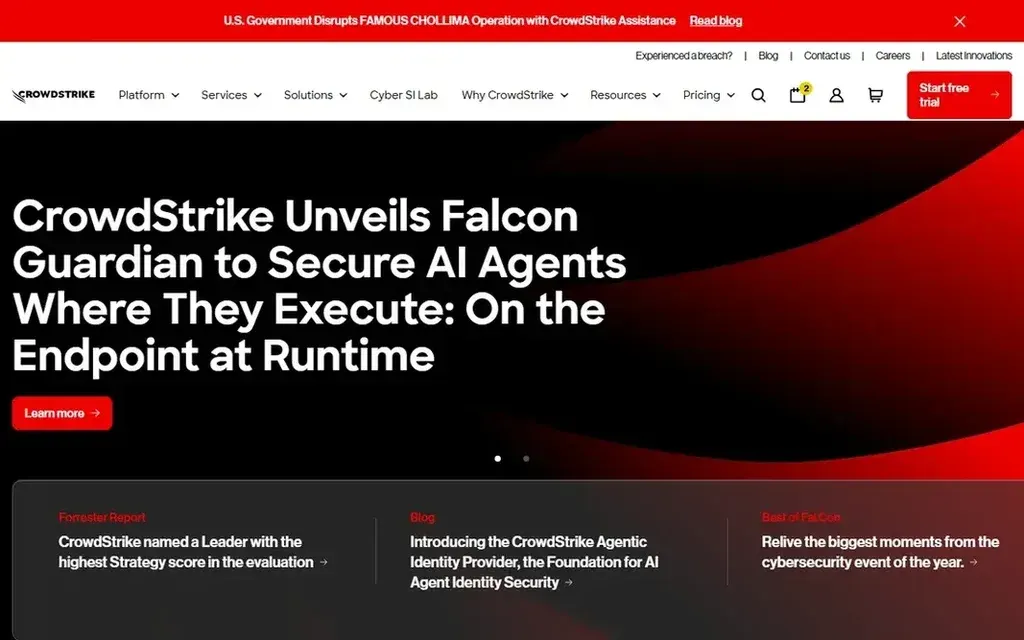
CrowdStrike Falcon makes the most sense for cloud-native endpoint detection and response. The system is wide, so organizations seeking only a simple file sandbox may find it more than they need.
Downsides: Wide platform may exceed sandbox-only needs.
CrowdStrike Falcon starts at: $7.99 per device per month. Free options: Free trial.
- Cloud-native product architecture
- Handles endpoints, workloads
- Needs endpoint deployment to be handy
Cuckoo Sandbox was built for open-source automatic malware sandboxing. Cuckoo Sandbox is a widely known open-source sandbox used for automatic malware analysis in controlled environments. In practice, self-hosting means you own installation, upkeep and isolation hardening, which takes continuing effort.
It is not a managed endpoint security product. Worth adding: teams without lab resources or staff time may find a hosted interactive sandbox simpler to adopt and operate. Check the vendor site for Cuckoo Sandbox pricing; none is listed in this comparison. Trial and free access: Not stated.
Honest limits: Needs self-hosting and maintenance.
- Automatic analysis of suspicious files
- Well-known open-source sandbox project
- Setup effort is higher than hosted services
Any.Run makes the most sense for interactive cloud malware sandbox analysis. Any.Run is a cloud-based malware analysis service built around an interactive online sandbox.
The main drawbacks: Interactive sessions need analyst time.
As a sandbox-focused service, it does not replace endpoint detection and response across an estate. No starting price is listed for Any.Run here; confirm pricing on the vendor site. As for free access: Not stated.
- Interactive analysis of running samples
- Cloud-based service
- Sandbox scope instead of full endpoint system
Think of Recorded Future for live threat intelligence for prioritization. Recorded Future gives you live, actionable cyber threat intelligence geared toward helping organizations mitigate risk and prioritize threats.
What to check first: Intelligence focus instead of file detonation.
Check the vendor site for Recorded Future pricing; none is listed in this comparison. Free access: Not stated.
- Helps prioritize threats
- Live
- Needs pairing with analysis tooling
How these tools were picked
Selection started from tools commonly considered for cybersecurity tools for malware analysis, then narrowed to 6 that have clear pricing information or a clear quote process. Where a vendor does not publish a price, the entry says quote. Where a price depends on seats or billing term, the entry says so. The sequence is a judgement call: typical use case first, then pricing transparency, then free access. Use the profiles to check fit.
What to check before you buy
- Get a written quote from Microsoft Defender for Endpoint, Palo Alto Networks Cortex XDR, Cuckoo Sandbox and others; the list shows no starting price for them.
- Run a trial of CrowdStrike Falcon with real work before paying for a year; your own workflow is the best test.
- Read the limits listed for Microsoft Defender for Endpoint first: most natural fit for Microsoft-centric estates.
- The entry price of Palo Alto Networks Cortex XDR is only the starting point; model the full cost with seats and extras.
- Confirm minimum seats and billing terms with Cuckoo Sandbox before you commit to an annual plan.
FAQ
Do I need threat intelligence if I already have a sandbox?
Threat intelligence brings context like campaign links and indicator relevance, which helps prioritize what to analyze first.
Is Microsoft Defender for Endpoint the right pick for everyone comparing cybersecurity tools for malware analysis?
No single tool suits every team. Microsoft Defender for Endpoint comes first because it fits AI-assisted endpoint protection in Microsoft environments, while Palo Alto Networks Cortex XDR suits SOC transformation and AI-driven detection and CrowdStrike Falcon suits cloud-native endpoint detection and response. Match the tool to your own size, budget and workflow before deciding.
Do these tools publish their prices?
Not all of them. Microsoft Defender for Endpoint, Palo Alto Networks Cortex XDR, Cuckoo Sandbox and others publish no starting price, so expect a quote request for those. The rest, CrowdStrike Falcon included, show a starting price, though seats and billing terms still change the final cost.
Can I try these tools before paying?
Often, yes. CrowdStrike Falcon offers a free trial. Use your own data and a real task during the test, and check what the free tier or trial limits before you rely on it. All 6 picks in this Cybersecurity tools for malware analysis comparison list a starting price, free plan details and the main limits on their cards above.
Does any tool for cybersecurity tools for malware analysis here have a free plan?
No tool in this list, Microsoft Defender for Endpoint and Recorded Future included, has a permanent free plan. CrowdStrike Falcon offer a trial. Trials and quotes are the usual route, so plan a short evaluation period.
Sources
- https://www.microsoft.com/en-us/security/business/endpoint-security/microsoft-defender-endpoint
- https://www.paloaltonetworks.com/cortex
- https://www.crowdstrike.com
- https://cuckoosandbox.org
- https://any.run
- https://www.recordedfuture.com