Best Commodity Trading Platform in 2026: 8 Platforms Compared
Compare the best commodity trading platform options for futures, ETFs, and metals in 2026, with fees, regulation, margin rules, and risk guidance. in this guide

- Editor's choice
 Interactive Brokers
Broad futures access
Starts atSee websiteVisit interactivebrokers.comFull review - Great alternative
 Charles Schwab
US investors and futures
Starts atSee websiteVisit schwab.comFull review - Also consider
 E*TRADE
Futures plus stocks
Starts atSee websiteVisit etrade.comFull review
TL;DR:
- This is not financial advice; trading carries risk, and commodity prices can move sharply on supply, weather, and policy news.
- Regulated platforms with clear fees, margin rules, and risk tools suit most retail traders better than unregulated venues.
- Futures, commodity ETFs, and physical metals are different products with different costs, margin rules, and tax treatment.
- Start with education, paper trading, and small position sizes before using margin or trading volatile contracts.
Quick comparison
| Tool | Best for | Starts at | Free plan? | |
|---|---|---|---|---|
| Interactive Brokers | Broad futures access | See website | No | Visit |
| Charles Schwab | US investors and futures | See website | No | Visit |
| E*TRADE | Futures plus stocks | See website | No | Visit |
 TradeStation | Active futures traders | See website | No | Visit |
 NinjaTrader | Futures charting and automation | See website | Free trial | Visit |
 IG | Global commodity CFDs | See website | No | Visit |
 Saxo | International commodity access | See website | No | Visit |
 Plus500 | Simple CFD trading | See website | No | Visit |
The best commodity trading platforms
This is not financial advice; trading carries risk. Commodity trading includes futures contracts, commodity ETFs, and contracts for difference, and each carries different margin and loss potential. We compared regulation, product range, fees, platform tools, and risk controls, and we favored regulated platforms with clear disclosures.
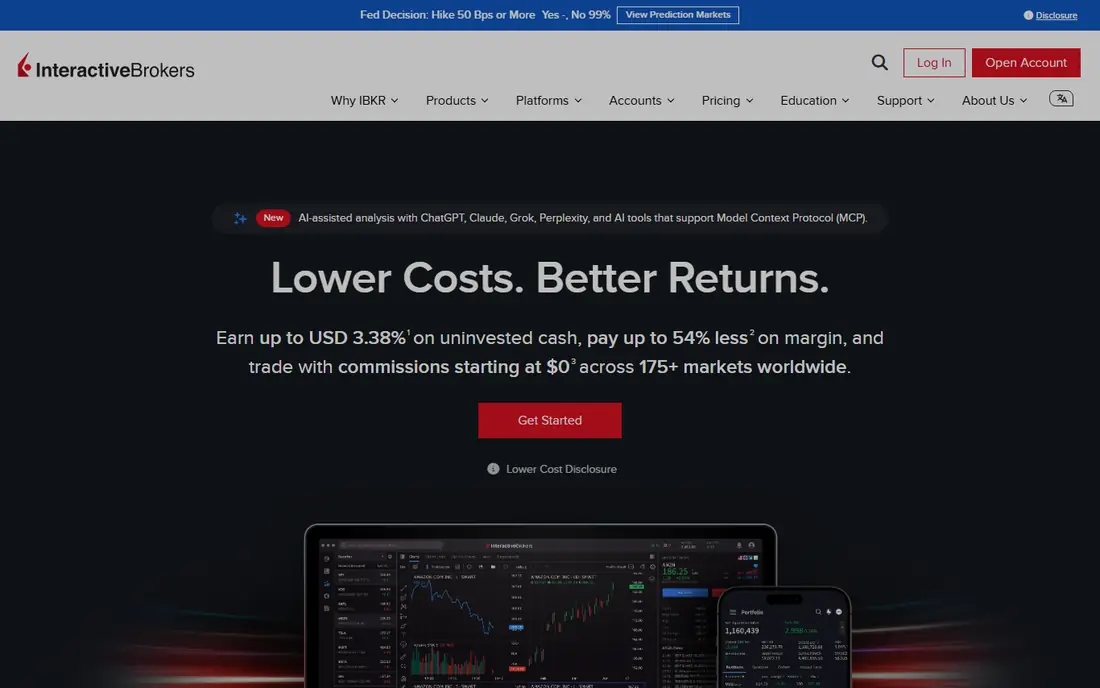
Interactive Brokers is our pick for experienced traders who want broad access to futures on energy, metals, agriculture, and other contracts. Its platforms support advanced orders, risk tools, and global markets, and commissions are competitive for active traders. Research, charting, and account reporting are built for users who trade across asset types.
Beginners may find the interface dense, and futures margin means losses can exceed the initial deposit, so education and position sizing matter. Check contract specs, margin requirements, and fees for each market before trading. For serious futures traders, the breadth and toolset are hard to match.
- Wide global futures and options coverage
- Professional tools
- Competitive commissions
- Platform can feel complex for beginners
- Margin rules need careful reading
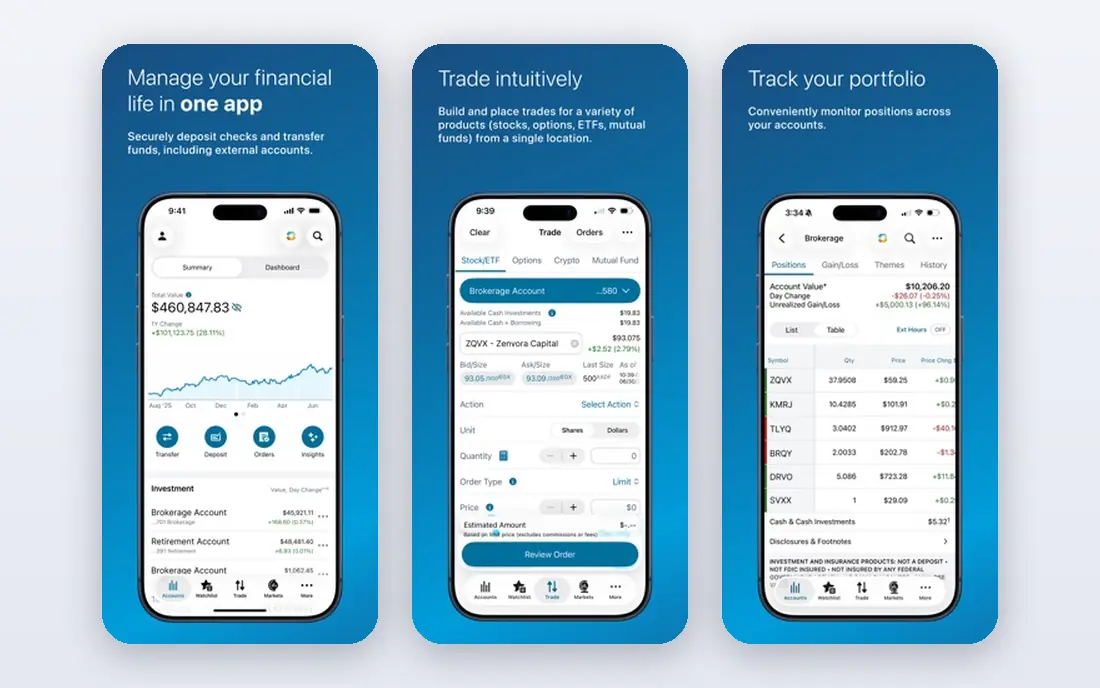
Charles Schwab suits US investors who want commodity exposure alongside a broader portfolio. You can trade futures, commodity ETFs, and related stocks from one account, with education and support that help newer traders understand contract risks. That single-account view makes it easier to see how commodity positions fit with the rest of your holdings.
Specialist futures traders may want deeper charting or automation than Schwab provides, so compare tools if you trade daily. Fees, margin, and contract details vary, so read the futures disclosures before placing a trade. For investors who want regulated access with strong support, Schwab is a steady choice.
- Regulated US broker
- Futures alongside stocks and ETFs
- Strong education
- Futures tools are less specialized than dedicated futures platforms
- Fees vary by product
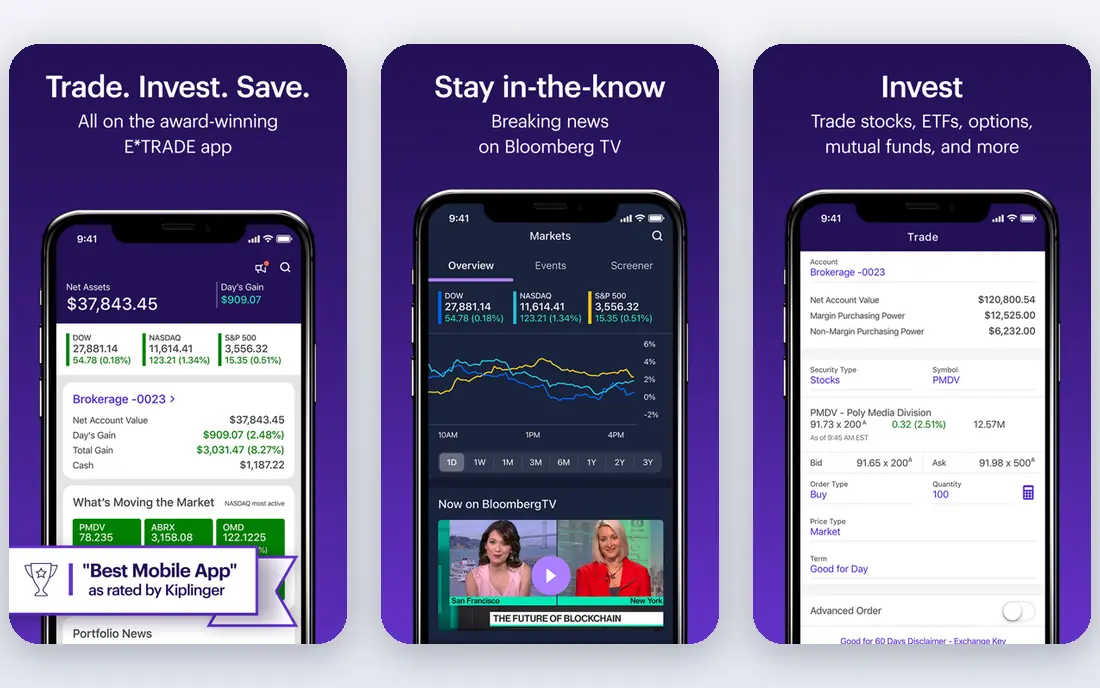
E*TRADE works well for US traders who want futures access without leaving a familiar brokerage account. Its platforms include futures charting, order tools, and education, and you can hold stocks, ETFs, and futures in one place. That convenience helps investors who trade commodities occasionally rather than every day.
The futures range is narrower than dedicated global platforms, so check whether the contracts you want are offered. Margin rules still apply, and losses can exceed deposits on futures trades. For occasional commodity traders who value a regulated US broker, E*TRADE is a practical option.
- Regulated US broker
- Futures trading tools
- Mobile and desktop platforms
- Commodity range is narrower than global futures specialists
- Margin risk applies
TradeStation appeals to active traders who rely on charting, indicators, and strategy testing. Its futures platform supports detailed analysis, custom indicators, and automated strategies for traders who build and test rules. That depth helps traders who treat charting and backtesting as core parts of their process.
New traders may find the toolset overwhelming, and data fees and commissions vary, so check total cost for your markets. Futures margin still carries loss risk beyond the deposit. For active, tool-driven futures traders, TradeStation offers a strong specialist platform.
- Strong charting and strategy tools
- Futures and options coverage
- Active trader focus
- Learning curve for new traders
- Fees and data costs vary by plan
NinjaTrader is widely used by futures traders for charting, market analysis, and automated strategies. You can chart futures contracts, test strategies on historical data, and connect to supported brokers and data feeds. That flexibility suits traders who want a dedicated futures workspace rather than a general brokerage app.
Costs depend on license, broker, and data choices, so compare the full setup before committing. Automation does not remove risk, and a tested strategy can still lose in live markets. For futures traders who value charting and automation, NinjaTrader is a well-known and capable platform.
- Popular futures charting platform
- Strategy automation
- Broker and data options
- Full features need paid licenses or broker plans
- Setup takes time
IG suits traders outside the United States who want broad commodity exposure through contracts for difference. Its platform covers energy, metals, agriculture, and other markets, with charting, alerts, and risk tools. Regulation in several jurisdictions and clear risk disclosures help traders judge the venue.
CFDs use margin, so losses can exceed deposits, and overnight funding costs apply to held positions. US retail clients cannot trade CFDs with IG in the same way, so check eligibility for your country. For eligible international traders who understand CFD risk, IG offers broad access and solid tools.
- Regulated in several jurisdictions
- Broad commodity CFD range
- Strong platform tools
- CFDs carry margin risk and are restricted for US retail clients
- Overnight costs apply
Saxo is a good fit for international investors who want commodity exposure alongside stocks, bonds, and currencies. Depending on your region, you may access futures, commodity ETFs, or CFDs from one multi-asset platform, with research and risk tools included. That breadth helps investors who hold a global portfolio.
Fees, minimum deposits, and product availability vary by country and account type, so check your local terms. Margin-based products still carry loss risk, and beginners should start with education and small sizes. For international multi-asset investors, Saxo is a regulated and capable option.
- Regulated international broker
- Futures, ETFs, and CFDs by region
- Multi-asset platform
- Fees and minimums vary by country
- Platform depth can overwhelm beginners
Plus500 appeals to traders who want a simple CFD platform without a steep learning curve. Commodity markets are easy to find, orders are straightforward, and risk tools like stops and alerts are built in. That simplicity helps traders who want to focus on a market view rather than a complex workspace.
Simplicity does not reduce risk. CFDs use margin, spreads and overnight funding costs apply, and US retail clients cannot use the platform for CFD trading. Check regulation for your country and read the risk disclosure before trading. For eligible traders who want a simple CFD interface, Plus500 is an accessible option.
- Simple platform for CFD trading
- Broad commodity markets
- Risk tools included
- CFDs carry margin risk
- Not available to US retail clients
- Spreads and overnight costs apply
How we picked these
We compared regulation, product range, fees, platform tools, and risk disclosures, and we favored regulated platforms with clear margin and fee information. We kept a mix of US futures brokers, specialist futures platforms, and international CFD providers, since availability depends on your country. Where fees vary by market or account, we direct you to the vendor page rather than quoting a single figure.
How to trade commodities with less risk
Start by choosing the right product for your goal. Commodity ETFs suit long-term portfolio exposure with no futures margin calls, while futures suit traders who understand contracts, expiry, and margin. CFDs suit short-term trading for eligible users who accept margin risk and overnight costs. Do not use margin until you can explain how margin, expiry, and slippage affect your position.
Next, use risk controls on every trade. Set a maximum loss per trade and per day, use stop orders where appropriate, and keep position sizes small while you learn. Paper trading helps you test a platform and a strategy without real money, but live markets still feel different, so start small when you switch to real funds. Keep a trading log, review losses honestly, and avoid adding to a losing position to recover quickly.
Finally, check regulation and costs before you fund an account. Confirm the broker is regulated in your country, read fee and margin pages, and understand tax treatment for your product type. This is not financial advice; trading carries risk, and past price moves do not predict future results. If a platform promises guaranteed returns or pressures you to deposit more, walk away.
FAQ
What is the best commodity trading platform for beginners?
A regulated broker with education, paper trading, and clear fees suits beginners best. Charles Schwab and E*TRADE are steady US starting points, while NinjaTrader suits futures traders who want charting depth.
Are commodity futures risky?
Yes. Futures use margin, prices can move sharply, and losses can exceed your initial deposit. Learn contract specs, margin rules, and position sizing before trading with real money.
What is the difference between futures, ETFs, and CFDs?
Futures are contracts to buy or sell a commodity at a future date, ETFs track commodity prices through a fund, and CFDs are margind contracts that mirror price moves. They differ in margin, expiry, costs, and availability by country.
Can US traders trade commodity CFDs?
Generally, US retail clients cannot trade CFDs as offered by many international brokers. US traders usually use futures, commodity ETFs, and related stocks instead.
How much money do I need to start trading commodities?
It depends on the product, broker minimums, and margin requirements. ETFs can start with a single share, while futures margin varies by contract, so check the broker page for your market.
Is commodity trading suitable for long-term investing?
Commodity ETFs can suit long-term diversification for some portfolios, but margin-based futures and CFDs are short-term trading products. Consider your goals, risk tolerance, and time horizon before choosing.