5 Best CMS Tools for Startups for 2026, Vetted and Compared
5 best CMS tools for startups, with entry costs, free tiers and the buyer each one serves. Each profile ends with a plain caveat. Reviewed this month.
- Editor's choice
 Sanity
Startups building content-rich applications
Starts at$15 per seat per monthVisit sanity.ioFull review - Great alternative
 Ghost
Content startups running newsletters
Starts at$18 a monthVisit ghost.orgFull review - Also consider
 Storyblok
Startups bridging marketing and development
Starts at$99.00 a monthVisit storyblok.comFull review
Direct answer
Our first pick is Sanity, best for startups building content-rich applications. Listed starting prices: Sanity from $15 per seat per month, Ghost from $18 a month and Storyblok from $99.00 a month. Ghost is the stronger choice for content startups running newsletters, while Storyblok suits startups bridging marketing and development. The remaining 2 options are covered below with prices and limits.
TL;DR:
- Sanity sits first on this list: startups building content-rich applications.
- For startups wanting familiar, adaptable publishing, WordPress is worth a look.
- Sanity, Webflow, WordPress: these are the 3 tools out of 5 that offer a free plan.
- Webflow comes with a trade-off: learning curve for non-designers.
Last checked November 2026. Prices and plan details were read from the vendors' own pages in November 2026; vendors change plans often, so confirm the current price on the vendor site before you buy.
Quick comparison
| Tool | Best for | Starts at | Free plan? | |
|---|---|---|---|---|
| Sanity | Startups building content-rich applications | $15 per seat per month | Yes | Visit |
| Ghost | Content startups running newsletters | $18 a month | Free trial | Visit |
| Storyblok | Startups bridging marketing and development | $99.00 a month | Free trial | Visit |
 Webflow | Design-led startups building marketing sites | $15 per month | Yes | Visit |
 WordPress | Startups wanting familiar, adaptable publishing | $4 a month | Yes | Visit |
The best CMS tools for startups
Choosing CMS tools for startups usually comes down to price, fit and limits. This LinkVetted guide sets 5 tools side by side on those three points, with the facts kept short and checkable.
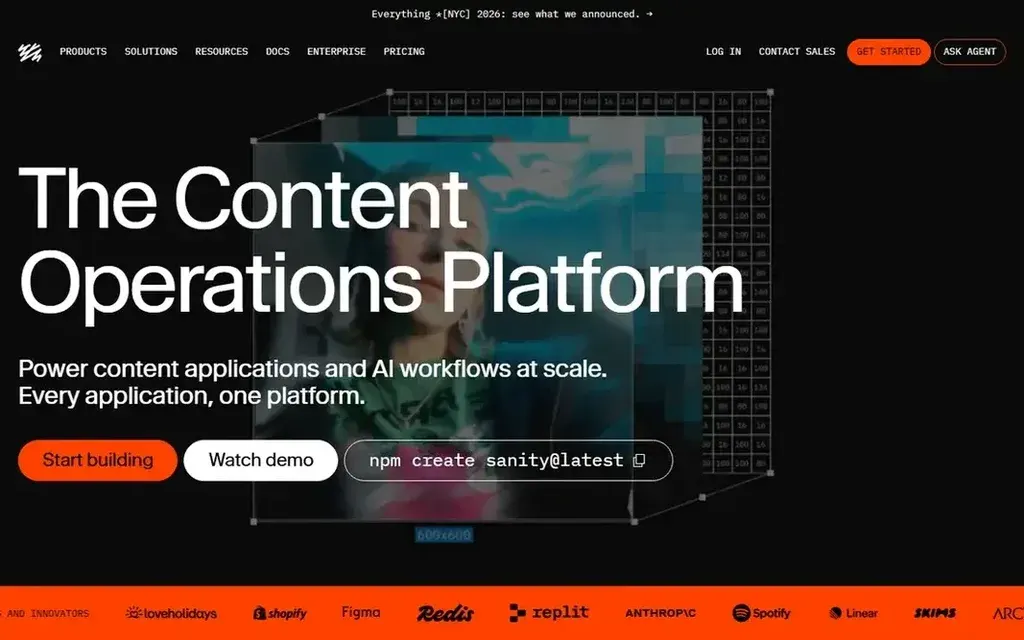
Sanity serves startups building content-rich applications. The system is designed for custom experiences instead of straightforward brochure sites.
Honest limits: Needs developer involvement.
Beyond that, choose Sanity when content modeling and application integration are core to your product. Sanity pricing: $15 per seat per month. Sanity has a free plan.
- Structured content system
- Powers sites and content apps
- Less turnkey for straightforward sites
Ghost works best for content startups running newsletters. Ghost is an open-source blog and newsletter system with email newsletters and premium subscriptions built in. Choose Ghost when newsletters and subscriptions are core to your startup model.
Downsides: Concentrated on publishing, not general web.
Customization is more restricted than broader CMS products. Ghost is specialized for publishing, so startups needing a general-purpose website or application content may outgrow it. Entry price for Ghost: $18 per month. As for free access: Free trial.
Best features of Ghost: Open-source publishing system.
- Premium subscriptions supported
- Built-in email newsletters
- Less adaptable for custom apps
Pick Storyblok if this describes you: startups bridging marketing and development. Startups with very straightforward publishing needs may find it more than necessary.
Trade-offs to know: Less suited to straightforward blogs.
For everyday use, Storyblok is a headless CMS with a visual editor built to help developer and marketing teams get value from content quicker. From a buyer's view, pick Storyblok when collaboration between marketing and engineering is a priority. On cost, Storyblok starts like this: $99.00 per month. On free options: Free trial.
- Helps teams deliver content quicker
- Headless CMS architecture
- Setup needs developer input
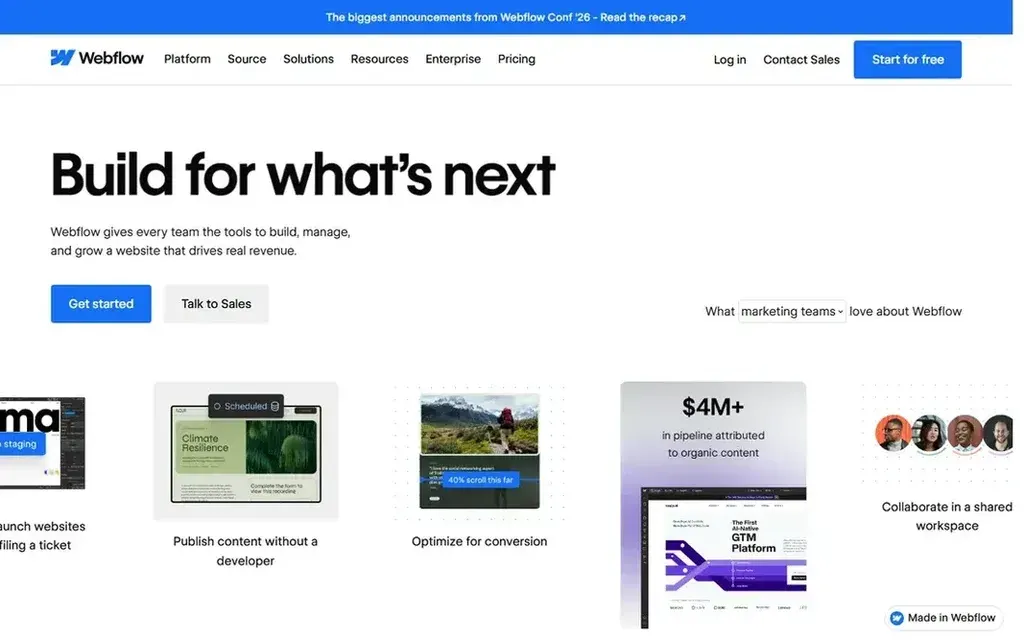
Where Webflow fits: design-led startups building marketing sites. It appeals to startups that want marketing sites built with precision and without handing off to developers for every change.
For everyday use, pick Webflow when your website is central to marketing and you want design control without managing infrastructure. Webflow pricing: $15 per month. You can start on Webflow without paying.
Drawbacks to consider: Ramp-up time for non-designers.
- Optimized for AI search
- Visual design and CMS in one
- Less suited to complicated app content

Think of WordPress for startups wanting familiar, adaptable publishing. WordPress is a widely used content management system that powers blogs, business sites, and straightforward online keeps. Also, WordPress can become plugin-heavy as needs grow, so plan for maintenance.
For startups building custom applications or needing strict content modeling, a headless CMS may be a better fit. In daily use, the hosted WordPress.com version bundles built-in hosting, premium themes, and tools pitched at non-technical users. WordPress cost at the entry level: $4 per month. WordPress has a free plan.
Trade-offs to know: Plugin sprawl can add complexity.
- Built-in hosting on WordPress.com
- Large ecosystem of themes and plugins
- Less structured for custom apps
Our selection method
We compared the tools on published pricing, free plan or trial availability, feature coverage for CMS tools for startups, and the limits each vendor documents. Where a price is missing, the vendor does not list one publicly or ties it to a quote. Always confirm before budgeting. The ranking is editorial: typical fit first, then clear pricing, then free access. If your needs are unusual, read the profiles rather than relying on position.
Before you commit
- Confirm the entry price on the vendor page: WordPress starts at $4 per month, but seat counts and billing terms change the total.
- Read the fine print on the free plans from Sanity, Webflow and WordPress; seat, project and feature caps differ.
- Run a trial of Ghost and Storyblok with real work before paying for a year; your own workflow is the best test.
- Read the limits listed for Sanity first: needs developer involvement.
- Check the support hours and onboarding help WordPress offers; smaller vendors vary a lot here.
- Price Webflow for your actual team size; headline prices rarely include add-ons or overage.
FAQ
How are the tools for CMS tools for startups ordered?
The order follows typical fit for CMS tools for startups, with Sanity first and WordPress last, then price clarity and free access. It is editorial judgement, not a score, so another team could rank the tools differently.
What is the best CMS for a startup with no technical team?
The first pick on this list is Sanity, because it suits startups building content-rich applications. Ghost is better for content startups running newsletters, and Storyblok for startups bridging marketing and development. Check price and limits against your own needs before choosing.
Do these tools publish their prices?
Yes. Every tool from Sanity to WordPress shows a starting price, though seats, add-ons and billing terms still change the final cost.
Is Sanity the right pick for everyone comparing CMS tools for startups?
No single tool suits every team. Sanity comes first because it fits startups building content-rich applications, while Ghost suits content startups running newsletters and Storyblok suits startups bridging marketing and development. Match the tool to your own size, budget and workflow before deciding.
Which options for CMS tools for startups have a free plan?
Sanity, Webflow and WordPress offer a free plan in this list. Free plans usually cap users, projects or features, so check the limits on the vendor page. Several others offer a trial instead.
Which CMS is a good match for a content or newsletter startup?
This list starts with Sanity, which fits startups building content-rich applications. For other needs, Ghost is aimed at content startups running newsletters, and Storyblok at startups bridging marketing and development. Check each tool's price and main limit first.
Sources
- https://www.sanity.io
- https://ghost.org
- https://www.storyblok.com
- https://webflow.com
- https://wordpress.com