5 Best CMS Platforms for Modern Web Development for 2026, Vetted and Compared
Searching for the best CMS platforms for modern web development? Here are 5 options with prices and free plans. The catches are listed up front. Facts only.
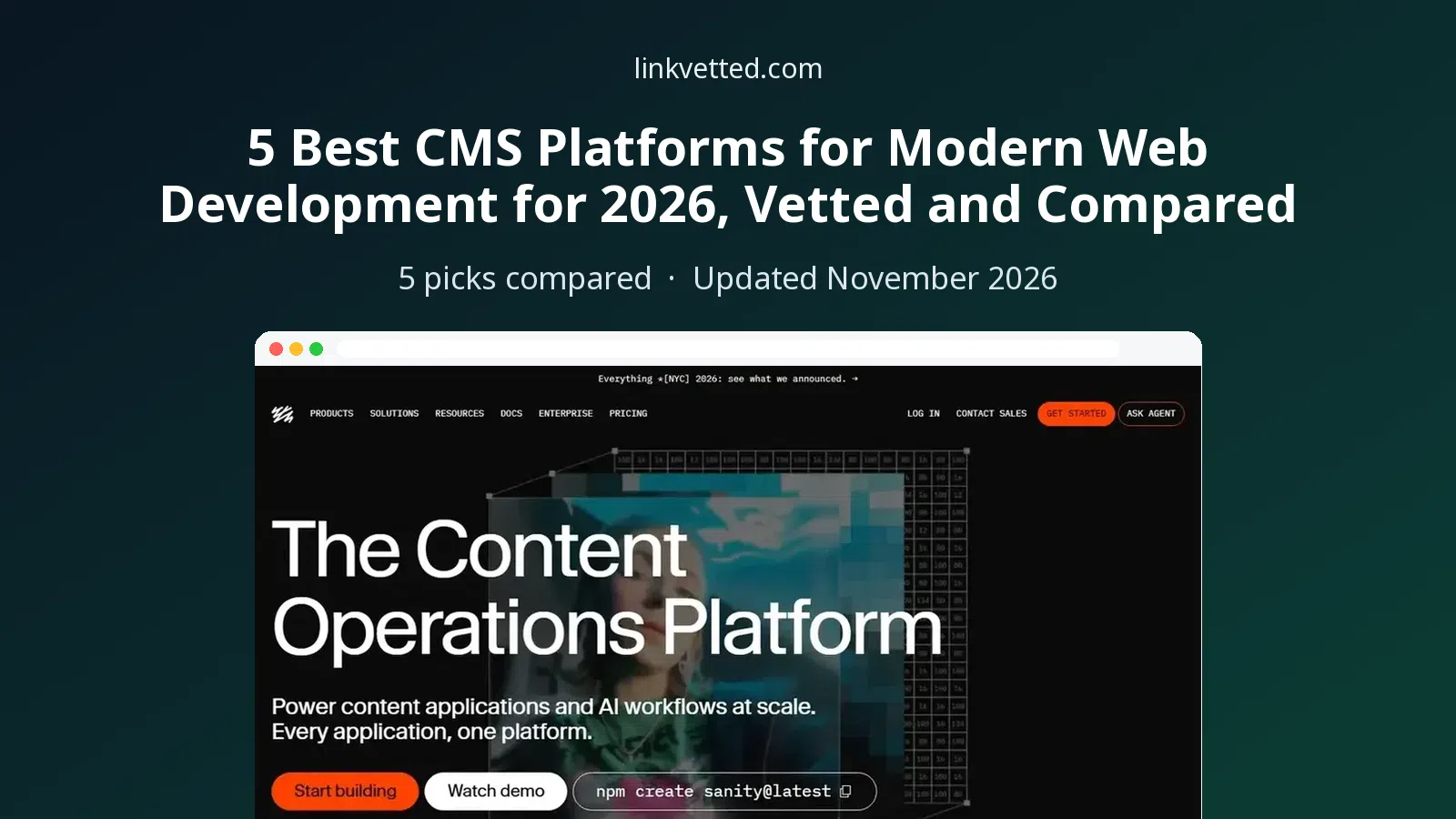
- Editor's choice
 Sanity
AI-assisted content operations and apps
Starts at$15 per seat per monthVisit sanity.ioFull review - Great alternative
 Adobe Experience Manager
Enterprise content and digital assets
Starts atSee websiteVisit business.adobe.comFull review - Also consider
 Drupal
Structured open source content at scale
Starts atSee websiteVisit drupal.orgFull review
Direct answer
If you need AI-assisted content operations and apps, Sanity is the first tool to look at here. Listed starting prices: Sanity from $15 per seat per month and Strapi from $45 a month. Alternatives: Adobe Experience Manager for enterprise content and digital assets, and Drupal for structured open source content at scale. All 5 tools are compared below on price, free plan and limits.
TL;DR:
- Sanity is the opening pick, best for AI-assisted content operations and apps.
- 2 of 5 tools offer a free plan: Sanity, Strapi.
- Strapi fits open source TypeScript headless builds.
- Sanity is the lowest-priced starter here at $15 per seat per month.
- Before buying WordPress, weigh this: plugins vary in quality.
Last checked November 2026. Prices and plan details were read from the vendors' own pages in November 2026; vendors change plans often, so confirm the current price on the vendor site before you buy.
Quick comparison
| Tool | Best for | Starts at | Free plan? | |
|---|---|---|---|---|
| Sanity | AI-assisted content operations and apps | $15 per seat per month | Yes | Visit |
| Adobe Experience Manager | Enterprise content and digital assets | See website | Not stated | Visit |
| Drupal | Structured open source content at scale | See website | Not stated | Visit |
 WordPress | Open source publishing and content sites | See website | Not stated | Visit |
 Strapi | Open source TypeScript headless builds | $45 a month | Yes | Visit |
Tool-by-tool breakdown
Choosing CMS platforms for modern web development usually comes down to price, fit and limits. This LinkVetted guide sets 5 tools side by side on those three points, with the facts kept short and checkable.
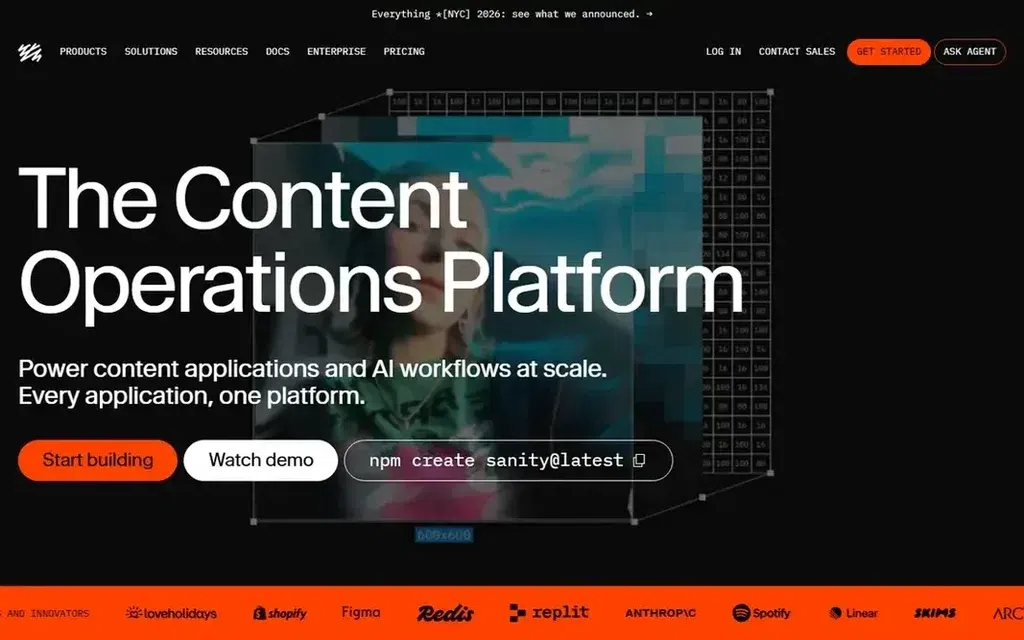
Sanity is aimed squarely at AI-assisted content operations and apps. It fits product and engineering teams building structured content that feeds several front ends, including AI-driven experiences.
In practice, content is modeled as data, so developers can shape schemas and deliver content through APIs to web and app surfaces. Starting cost for Sanity: $15 per seat per month. A free plan is available with Sanity.
Points against: Less familiar to classic editors.
- Positioned around AI content workflows
- Structured content across one system
- Needs developer setup
Choose Adobe Experience Manager for enterprise content and digital assets. Implementation is substantial and usually needs specialist partners and continuing administration.
Smaller teams or projects focused purely on content APIs may find lighter headless systems like Sanity or Strapi more proportionate. Adobe Experience Manager does not show a starting price in this comparison, so check the vendor site for current pricing. On free options: Not stated.
Points against: Needs specialist skills.
- Fits large brand operations
- Merges asset management and CMS
- Heavy implementation effort
For structured open source content at scale, Drupal is a natural candidate. It suits organizations with in-house developers who require granular content types, roles and editorial workflows, and who value a community-maintained core over a vendor product.
What to check first: Steep ramp-up time.
Check the vendor site for Drupal pricing; none is listed in this comparison. Free options: Not stated.
Best features of Drupal: Active contributor community.
- Open source with solid content modeling
- Aimed at complex
- Major upgrades need planning
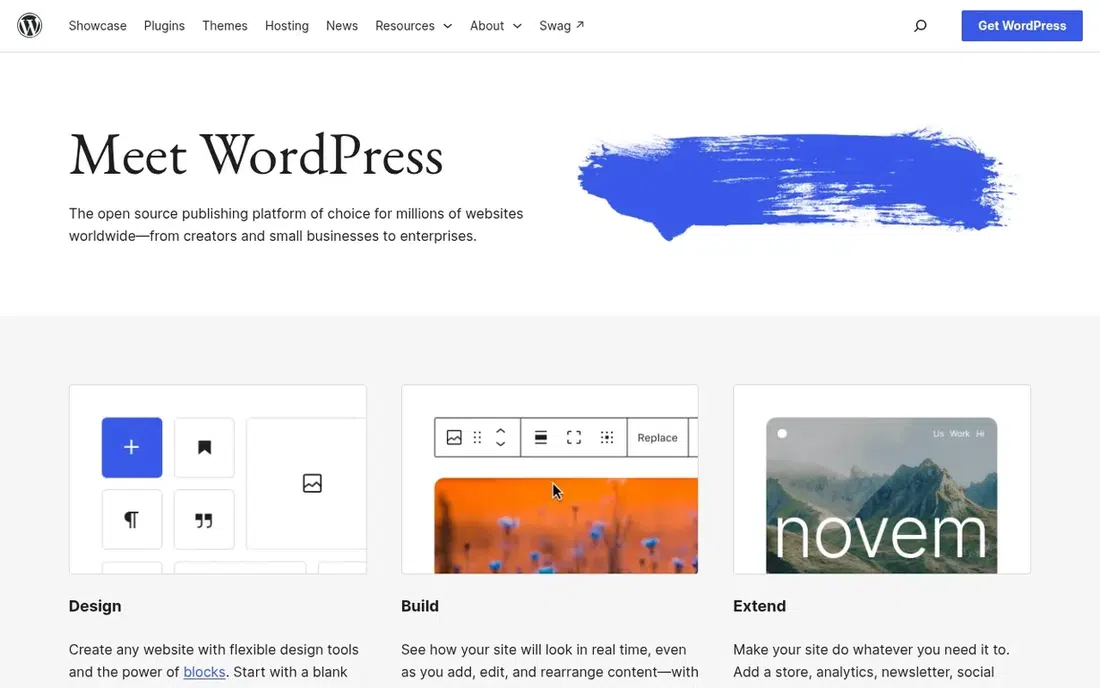
WordPress is built with open source publishing and content sites in mind. WordPress is open source software for building a beautiful website, blog or app, as its project page describes. If you need a strictly typed API-first content layer from day one, a headless product for example Strapi or Sanity may fit better.
Worth adding: since the core is open source, teams can host it themselves and shape content models around classic or headless setups. Its adaptability cuts both ways: plugin quality varies, and complicated builds demand maintenance and security attention. Check the vendor site for WordPress pricing; none is listed in this comparison. Trial and free access: Not stated.
The main drawbacks: Plugins vary in quality.
- Open source and simple to self-host
- Large plugin and theme ecosystem
- Heavy customization needs developer care
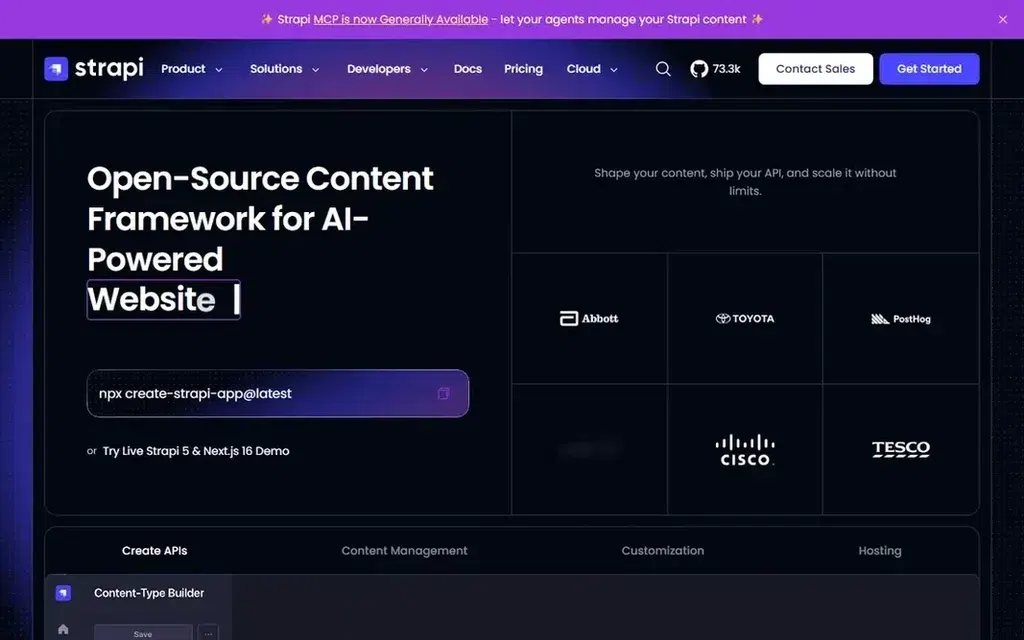
Pick Strapi if this describes you: open source TypeScript headless builds. It suits development teams that want to own the backend and pair it with a separate front end like a modern JavaScript framework.
Since it is developer-centric, content teams may find the default admin less polished than mature marketing suites. What you pay to start with Strapi: $45 per month. You can start on Strapi without paying.
Where it is weaker: Editorial UI is entry-level by default.
- Open source and TypeScript based
- Fits content-rich experiences
- Customization needs JavaScript skills
How we compared the tools
For each of the 5 tools we noted price, free plan or trial, fit for CMS platforms for modern web development and the main limit, using vendor pages and documentation. Treat prices as a snapshot: vendors change plans often, so check the vendor site for the figure that applies today. The order reflects how well each tool fits the most common buying scenario for CMS platforms for modern web development, then price clarity, then free plan access. It is a starting point, not a verdict.
What to check before you buy
- Confirm the entry price on the vendor page. For Adobe Experience Manager, Drupal and WordPress that means a quote rather than a fixed price.
- Read the fine print on the free plans from Sanity and Strapi; seat, project and feature caps differ.
- Read the limits listed for Sanity first: needs developer setup.
- Ask Sanity how an export works before you move any records in; an easy exit lowers the risk.
- A short pilot of Adobe Experience Manager with your real workflow tells you more than a feature table.
FAQ
Is a headless CMS better for modern web development?
Headless products such as Sanity and Strapi separate content from presentation, which fits teams delivering to several front ends. As for the details, classic systems like WordPress and Drupal can also run headlessly, so the choice relies on your team skills and editorial needs.
Which options for CMS platforms for modern web development have a free plan?
On this list, Sanity and Strapi include a free plan. Caps on seats, usage or features are common, so test the free plan against your real workload.
Do these tools publish their prices?
Not all of them. Adobe Experience Manager, Drupal and WordPress publish no starting price, so expect a quote request for those. The rest, Sanity included, show a starting price, though seats and billing terms still change the final cost.
What is the cheapest option for CMS platforms for modern web development in this list?
On published monthly entry prices, Sanity is the lowest here at $15 per seat per month. Entry price is only part of the cost, because seats, add-ons and billing terms can change the total. All 5 picks in this CMS platforms for modern web development comparison list a starting price, free plan details and the main limits on their cards above.
How are the tools for CMS platforms for modern web development ordered?
Sanity sits first and Strapi last because the order follows typical fit for CMS platforms for modern web development, then price clarity and free access. It is a judgement call, so read each profile for fit and limits.
Sources
- https://www.sanity.io
- https://business.adobe.com/products/experience-manager/adobe-experience-manager.html
- https://www.drupal.org
- https://wordpress.org
- https://strapi.io