Best App to Sell Sports Cards in 2026: 9 Apps Compared
We compared the best app to sell sports cards, from eBay and COMC to graded marketplaces, auctions, fees, consignment, and buyer reach for US sellers.
- Editor's choice
 eBay
Widest buyer reach
Starts atSee websiteVisit ebay.comFull review - Great alternative
 COMC
Bulk consignment
Starts atSee websiteVisit comc.comFull review - Also consider
 Fanatics Collect
Graded auctions
Starts atSee websiteVisit fanaticscollect.comFull review
TL;DR:
- eBay gives the widest buyer reach for most sellers, while COMC suits bulk sellers who want consignment and combined shipping.
- Fanatics Collect, Alt, and MySlabs suit graded cards, with different fees and audience sizes for modern and vintage slabs.
- Whatnot suits live selling and fast movement of lower priced inventory, while Goldin suits high value cards that benefit from auction marketing.
- Sportlots and Mercari suit set builders and casual sellers, but prices for common cards stay low.
- Check sold prices, fees, and shipping terms before listing, since net payout varies more than the headline fee suggests.
Quick comparison
| Tool | Best for | Starts at | Free plan? | |
|---|---|---|---|---|
| eBay | Widest buyer reach | See website | Yes | Visit |
| COMC | Bulk consignment | See website | Yes | Visit |
| Fanatics Collect | Graded auctions | See website | Yes | Visit |
 Alt | Graded card marketplace | See website | Yes | Visit |
 MySlabs | Low fee slab sales | See website | Yes | Visit |
 Whatnot | Live selling | See website | Yes | Visit |
 Goldin | High value auctions | See website | Yes | Visit |
 Sportlots | Set builders and commons | See website | Yes | Visit |
 Mercari | Casual sellers | See website | Yes | Visit |
The best apps to sell sports cards
Selling sports cards is not one market. A graded rookie, a box of commons, and a high end vintage card need different buyers. We compared official marketplace pages, fee schedules, and seller help pages to match each platform to a seller type.
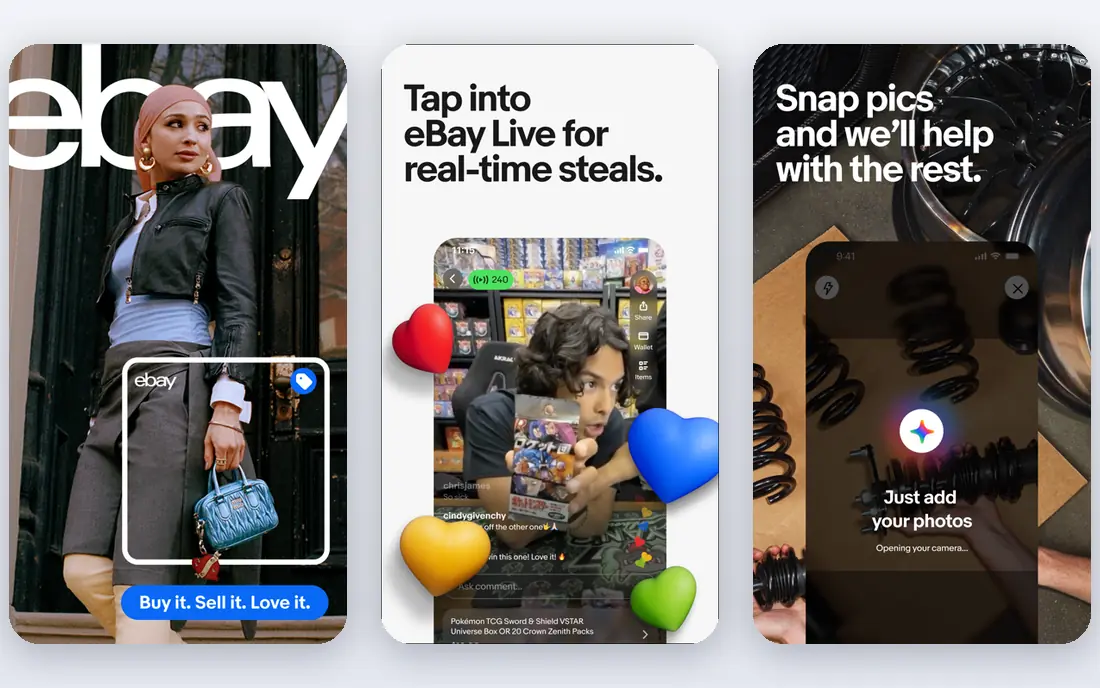
eBay is the default for most card sellers for a simple reason: buyers search here first. You can list a single raw rookie, a graded vintage card, or a lot of commons, and use auctions for uncertain demand or fixed price for known values. Sold listings give a pricing check that smaller platforms cannot match.
The cost is complexity and fees. Final value fees apply to the sale total, and shipping, packaging, and returns are your job unless you use a consignment partner. For higher value cards, consider eBay authenticity services where eligible. For most sellers, the reach is worth the learning curve.
- Largest buyer pool for raw and graded cards
- Auction and fixed price listings
- Sold item data helps with pricing
- Final value fees and shipping decisions take learning
- Returns and buyer claims need careful handling
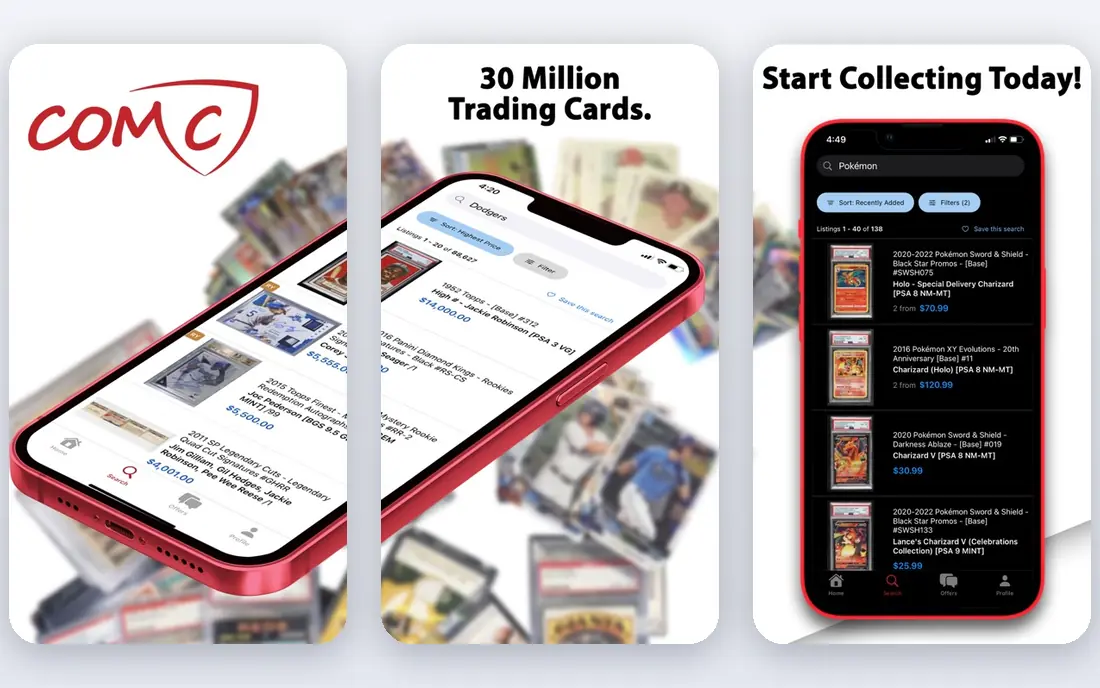
COMC, short for Check Out My Cards, suits sellers with volume. You ship a batch, COMC processes and lists it, and buyers can combine many cards from many sellers into one shipment. That model helps commons and mid range singles that would not be worth listing and shipping one by one.
Read the fee schedule closely. Processing fees apply per card, with different rates for raw and graded cards, and a sale fee and cash out fee affect net payout. If you have a few high value cards, a direct marketplace may pay more. If you have hundreds of cards to move, COMC saves a lot of packing time.
- Send cards in and let COMC store, list, and ship them
- Combined shipping helps buyers buy many low priced cards
- Good for set builders
- Processing fees per card and a cash out fee apply
- Payout can be slower than a direct sale
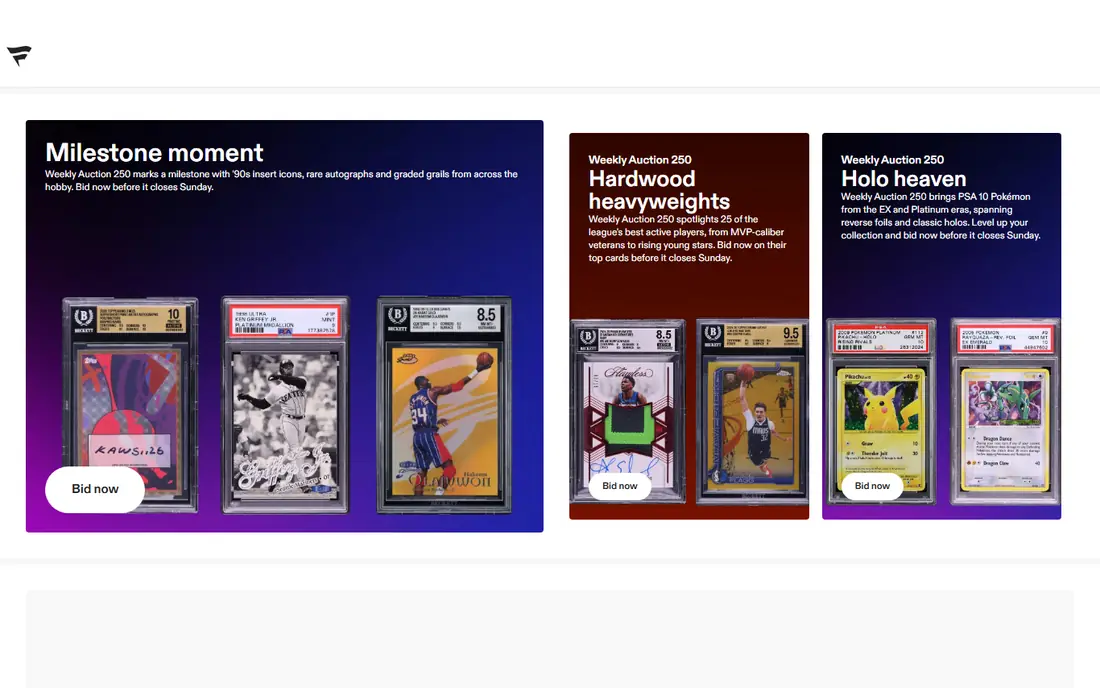
Fanatics Collect, formerly PWCC Marketplace, suits sellers with graded cards who want auction exposure. The platform handles high end inventory with care, and vault options let buyers store cards without immediate shipping. That appeals to collectors who trade graded cards often.
Raw card sellers will find less fit here. The audience expects graded, authenticated inventory, and pricing reflects that. Check whether your card qualifies for auction or fixed price, and what fees apply to each format, before sending a card in.
- Auction and fixed price sales for graded cards
- Vault storage and consignment options
- Strong audience for modern graded cards
- Focus is mainly graded cards, so raw cards fit less well
- Fees vary by sale format, so check the current schedule
Alt suits collectors who already grade their cards and want a focused market. Listings are graded only, which reduces questions about condition and authenticity, and price tools help sellers compare similar slabs. Vault storage also suits traders who buy and sell without shipping each time.
The limit is scope. If most of your inventory is raw, Alt will not take it. If your cards are graded and you want a specialist audience rather than a general marketplace, Alt is a strong alternative to eBay for modern slabs.
- Graded only marketplace with auctions and fixed price
- Portfolio and price data tools for collectors
- Vault storage for traded cards
- Graded only, so raw cards are excluded
- Fixed price fees vary by seller tier
MySlabs appeals to slab sellers who watch fees closely. The seller fee is lower than on many general marketplaces, and the platform supports offers and auctions alongside fixed price listings. Collectors who know what they want can find graded cards without wading through unrelated listings.
Reach is the trade off. A smaller audience can mean slower sales for less popular cards, even with lower fees. For popular graded rookies and vintage slabs, the fee saving can be meaningful. For obscure cards, eBay reach may matter more than the fee difference.
- Low seller fee compared with larger marketplaces
- Fixed price, offers, and auctions
- Focused collector audience
- Smaller buyer pool than eBay
- Sellers still handle shipping and customer messages
Whatnot suits sellers who enjoy live selling. You run a show, present cards, and buyers bid in real time, which can move a lot of lower priced inventory in one session. Breaks, where buyers buy spots in a pack or box break, are a large part of the card category on Whatnot.
It is not a quiet, list and wait platform. Live shows need scheduling, presentation, and shipping after the show, and results vary with audience size and timing. Sellers who like community selling and have volume to move may do well. Sellers with a few high value cards may prefer an auction house.
- Live video auctions create fast sales and community buying
- Good for breaks and lower priced inventory
- Marketplace listings also available
- Live selling takes preparation and on camera time
- Fees and processing apply, so check the current schedule
Goldin suits grail cards and premium vintage or modern pieces that benefit from auction marketing. A catalog listing, a set auction window, and a collector audience can lift prices for cards that would get lost in a general marketplace feed. Consignment handling also suits sellers who do not want to manage shipping and buyer questions.
The barrier is value. Low and mid range cards do not fit an auction house model, and commission and timing need to be agreed in advance. If you have a card worth a serious sum and want competitive bidding, Goldin is worth a conversation. If you have many ordinary cards, use a marketplace instead.
- Auction house marketing for rare and high value cards
- Catalog presentation and collector audience
- Consignment service for premium items
- Seller commission is negotiated and can be high
- Not suited to low value cards or quick sales
Sportlots is a practical choice for set builders and sellers of commons. Dealers list large inventories at low prices, and buyers fill checklist gaps by combining cards from one seller. That makes it useful for cards that are worth a few dollars each, where shipping cost would otherwise kill a sale.
It is not a showcase platform. The site looks plain, and high end cards get less attention here than on graded marketplaces. For clearing commons and helping set builders, Sportlots still has a clear job. For premium cards, list elsewhere.
- Strong for cheap singles and set building
- Many dealers list large inventories
- Buyers can combine cards to save on shipping
- Prices for commons are low
- Interface feels dated compared with modern apps
Mercari suits casual sellers who already use the app for other items. Listing a few cards takes minutes, and offers help when a card has sat unsold. It works well for mid range raw cards and for sellers who want a simple sale without learning a specialist platform.
Specialist buyers may still prefer eBay, COMC, or a graded marketplace for pricing data and authentication. Mercari is best as a second channel for casual inventory, or as a first channel for sellers who value speed over specialist reach. Photograph the card front and back, state grading and condition plainly, and ship in a penny sleeve, top loader, and team bag.
- Fast mobile listings for raw and graded cards
- Offers help move items
- Prepaid shipping labels on many sales
- Card audience is smaller and less specialist than eBay or COMC
- Fees apply to sellers
How we picked these
We compared official marketplace pages, fee schedules, and seller help pages, and we kept platforms that are live in the US and handle sports card sales at scale. We looked at buyer reach, raw versus graded fit, auction versus fixed price options, consignment handling, and net fees. We did not claim hands on testing, and where fees vary by format or tier we pointed readers to the current fee page.
How to get a better price for your cards
Price from sold listings, not asking prices
Asking prices show hope, sold prices show demand. Search sold listings for the same card, year, set, and grade, and note whether the sale was raw or graded. A card in poor condition or with centering issues will sell below a clean copy, even in the same grade.
Grade only when the maths works
Grading costs money and time, and it only pays when the graded value beats the raw value by more than grading, shipping, and fees. For modern base rookies and low value cards, selling raw often nets more. For valuable rookies, vintage stars, and condition sensitive cards, grading can be worth it.
Pack like a collector
Use a penny sleeve, a top loader or card saver, a team bag, and a rigid mailer, with cardboard support for higher value cards. Poor packing causes damage claims that erase profit. Photograph the card before shipping, keep tracking, and use insured shipping for higher value sales.
Choose the right channel for the card
List commons in bulk channels, graded modern cards on graded marketplaces, and premium cards through auction houses. One channel for every card usually leaves money on the table or wastes listing effort. Match the card to the buyer who wants it most.
FAQ
What is the best platform to sell sports cards for beginners?
eBay is the best starting point for most beginners, since buyer reach and sold pricing data are strongest there. Mercari is simpler for a few casual cards, while COMC suits beginners with a large batch who want consignment help.
What are the best card collecting apps for pricing?
eBay sold listings, Alt price tools, and COMC listings help with pricing, and dedicated price guides can add context. Always compare the same card, grade, and condition, and check recent sales rather than old listings.
Should I sell raw or graded sports cards?
Sell raw when grading costs would eat the gain, and grade when a high grade clearly lifts value for a sought after card. Check population reports and recent graded sales before paying for grading.
How much does it cost to sell sports cards online?
Costs vary by platform and include final value or sale fees, processing fees on some consignment platforms, payment processing, and shipping. Read the fee schedule for your sale format before listing, since a low headline fee can hide other charges.
Is Whatnot good for selling sports cards?
Whatnot suits live sellers with volume and lower priced inventory, since live auctions can move many cards quickly. It suits sellers who enjoy presenting cards on camera, and it suits buyers who like breaks and community buying.