6 Criteria for Best Ecommerce Platform Worth Shortlisting in 2026
Need criteria for best ecommerce platform? We compare 6 tools on cost, free access and who each suits. We put Adobe Commerce first for enterprise B2B and B2C.
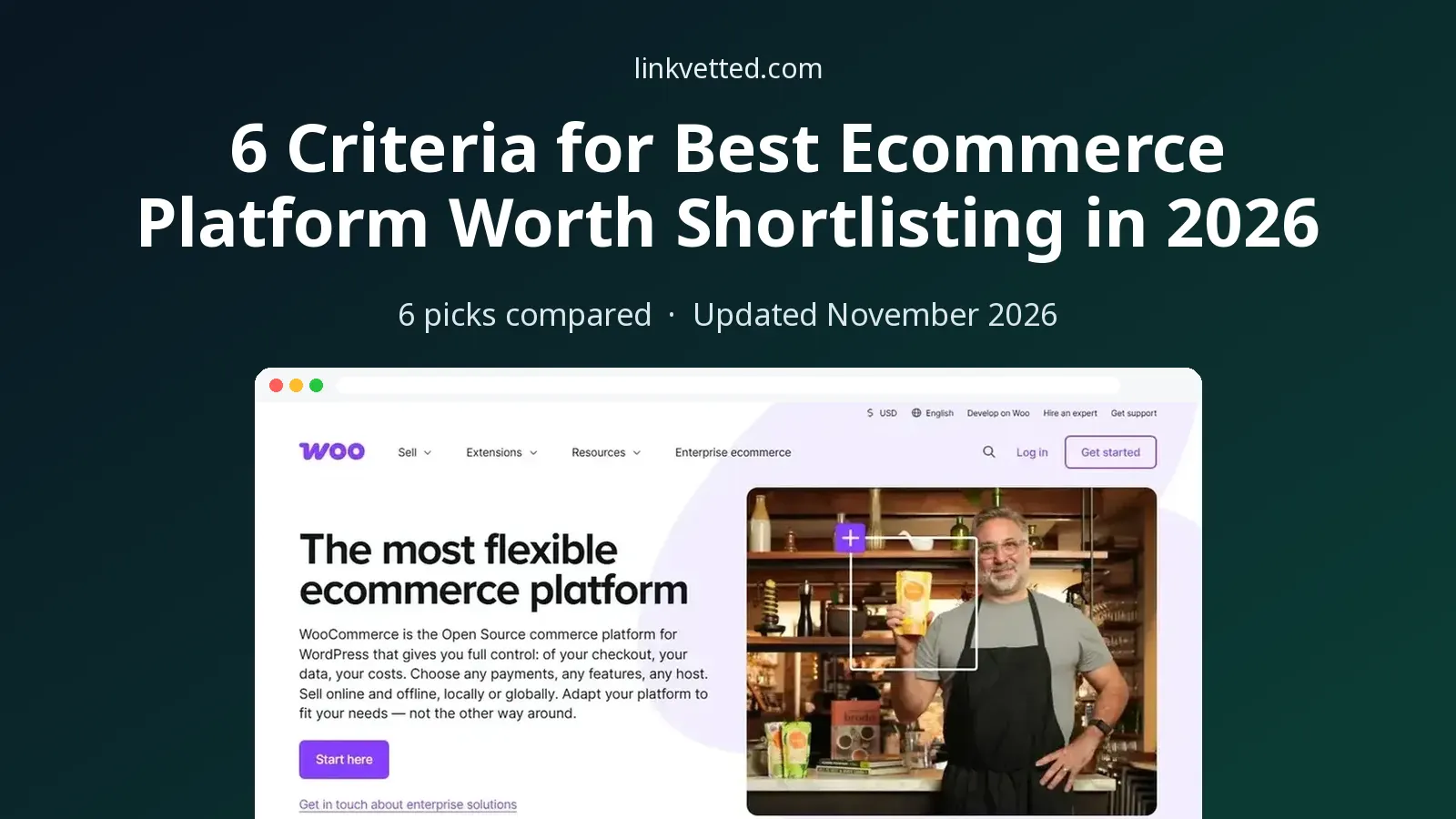
- Editor's choice
 Adobe Commerce
Enterprise B2B and B2C
Starts atSee websiteVisit business.adobe.comFull review - Great alternative
 WooCommerce
Open-source adaptability for developers
Starts at$29 a monthVisit woocommerce.comFull review - Also consider
 BigCommerce
Scalable multi-channel commerce
Starts atSee websiteVisit bigcommerce.comFull review
Direct answer
Our first pick is Adobe Commerce, best for enterprise B2B and B2C. Listed starting prices: WooCommerce from $29 a month and Shopify from $19 a month. Alternatives: WooCommerce for open-source adaptability for developers, and BigCommerce for scalable multi-channel commerce. The full list of 6 tools follows, with prices and free plan facts.
TL;DR:
- Top of the list is Adobe Commerce, which targets enterprise B2B and B2C.
- For all-in-one commerce for firms, Shopify is worth a look.
- BigCommerce comes with a trade-off: may be complicated for very small catalogs.
- None of the 6 tools, from Adobe Commerce to Shopify, has a free plan, so budget for a subscription or use a trial.
- Shopify is the lowest-priced starter here at $19 per month.
Last checked November 2026. Prices and plan details were read from the vendors' own pages in November 2026; vendors change plans often, so confirm the current price on the vendor site before you buy.
Quick comparison
| Tool | Best for | Starts at | Free plan? | |
|---|---|---|---|---|
| Adobe Commerce | Enterprise B2B and B2C | See website | Not stated | Visit |
| WooCommerce | Open-source adaptability for developers | $29 a month | Not stated | Visit |
| BigCommerce | Scalable multi-channel commerce | See website | Not stated | Visit |
 Salesforce Commerce Cloud | Integrated commerce within Salesforce | See website | Not stated | Visit |
 Wix eCommerce | Simple all-in-one website building | See website | Not stated | Visit |
 Shopify | All-in-one commerce for companies | $19 a month | Free trial | Visit |
The best criteria for best ecommerce platform
This LinkVetted guide covers 6 options for criteria for best ecommerce platform. Each profile lists a starting price, free plan details, strengths and drawbacks, so you can drop poor fits quickly.
Adobe Commerce makes the most sense for enterprise B2B and B2C. The product is aimed at organizations that require to run large catalogs, several brands, and international operations.
It may be overkill for small or mid-size firms. Adobe Commerce does not show a starting price in this comparison, so check the vendor site for current pricing. On free options: Not stated.
Points against: Implementation frequently needs specialized expertise.
- Supports both B2B and B2C
- Personalized experiences at global scale
- High complexity and resource requirements
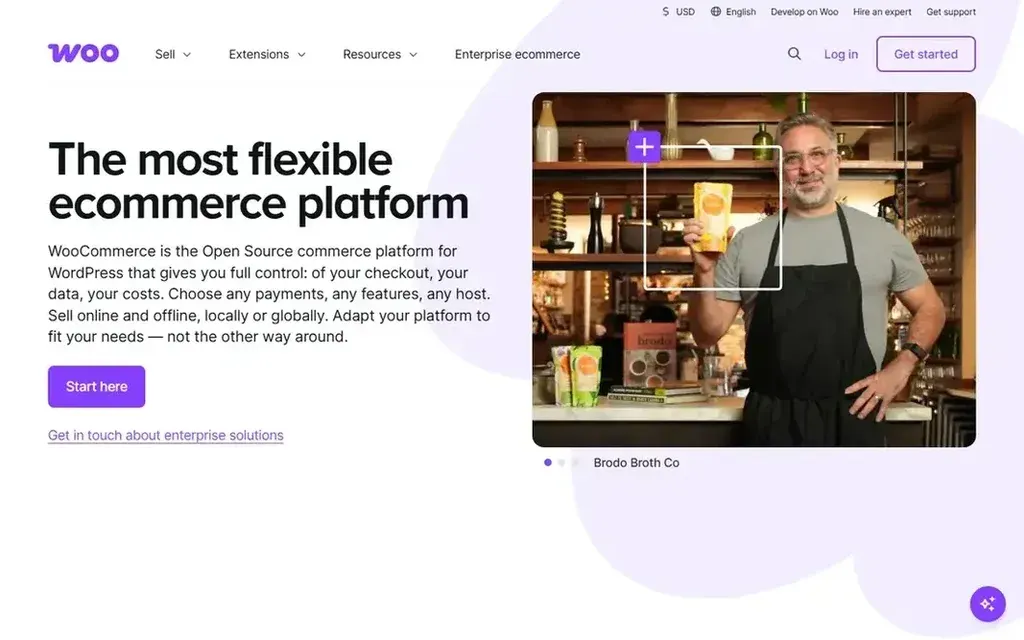
Where WooCommerce fits: open-source flexibility for developers. WooCommerce is the open-source ecommerce product that helps merchants and developers build successful firms for the long term. This system is well suited to those who want full ownership of their data and the ability to tailor the system to specific needs, often with developer support.
Points against: Technical setup needed for optimal performance.
For everyday use, the open-source nature means users are responsible for hosting, security, and maintenance, which can add operational overhead. It may not suit businesses seeking a completely managed, turnkey solution. As for the details, for a more hands-off approach, consider Shopify or Wix eCommerce. What you pay to start with WooCommerce: $29 per month. Free plan details: Not stated.
- Helps merchants and developers build long-term firms
- Highly configurable through plugins and themes
- Needs separate hosting and maintenance
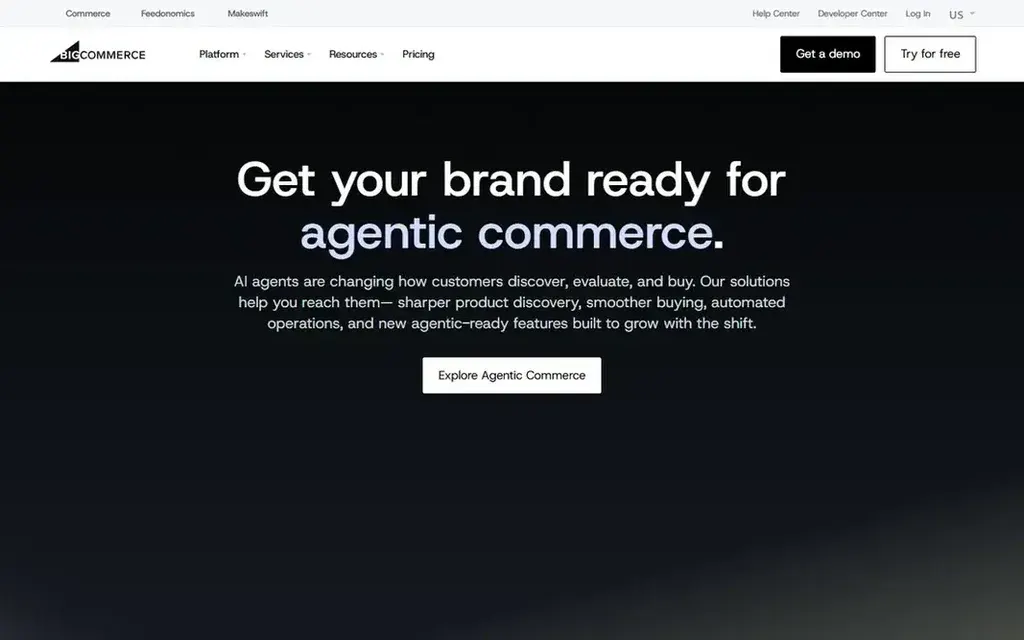
BigCommerce serves scalable multi-channel commerce. Customization frequently needs technical knowledge, which can be a hurdle for non-technical teams.
Watch-outs: Customization can need technical expertise.
Worth adding: BigCommerce presents itself as commerce made for momentum, powering modern buying experiences across brands, regions, and channels from a single, scalable foundation. The emphasis on scalability makes it a fit for merchants planning to add channels or enter new markets over time. Pricing for BigCommerce is not stated here, so ask the vendor for current figures. Free access: Not stated.
- Designed for momentum and growth
- Supports modern buying experiences across channels
- May be complicated for very small catalogs
Choose Salesforce Commerce Cloud for integrated commerce within Salesforce. Consider WooCommerce or BigCommerce for more standalone, flexible choices. Worth adding: Salesforce Commerce Cloud is a commerce option that integrates deeply with the Salesforce ecosystem, enabling unified customer experiences across sales, service, and marketing.
It is suited for enterprises already using Salesforce or those seeking a tightly integrated CRM and commerce stack. Worth adding: the product supports B2C and B2B commerce at scale. Implementation can be complicated and resource-intensive, frequently requiring specialized partners. It may not be economical for smaller firms or those not invested in Salesforce. Salesforce Commerce Cloud does not show a starting price in this comparison, so check the vendor site for current pricing. As for free access: Not stated.
Trade-offs to know: Needs Salesforce ecosystem commitment.
- Scalable for large enterprises
- Supports unified customer experiences
- Complicated and expensive to implement
Where Wix eCommerce fits: simple all-in-one website building. Wix eCommerce is an all-in-one ecommerce system that permits users to produce a completely configurable online store and start selling everywhere. It merges website building with ecommerce tools, making it accessible for beginners and small companies.
Limits to weigh: Less scalable for high-volume enterprises.
Also, the product emphasizes simplicity and design adaptability without needing technical skills. It is not a strong match for complicated B2B operations or highly specialized integrations. For everyday use, for those needs, Adobe Commerce or BigCommerce might be more appropriate. Wix eCommerce shows no starting price here, so confirm the cost on the vendor site. Free options: Not stated.
- Supports selling everywhere
- All-in-one product with built-in website builder
- Restricted deep customization compared with open-source

Pick Shopify if this describes you: all-in-one commerce for firms. Shopify positions itself as an all-in-one commerce product for firms, offering more than ecommerce software with tools to run every part of a business. It comes with AI capabilities for building or expanding a business rapidly.
Watch-outs: Less flexible for deep code-level customization.
That said, Shopify may be less right for firms needing deep code-level customization or full control over hosting. Its closed ecosystem can limit deep technical modifications. Consider alternatives like WooCommerce if open-source adaptability is a priority, or Adobe Commerce for complicated enterprise B2B needs. Price to start with Shopify: $19 per month. Free access: Free trial.
- All-in-one system handling store setup and management
- Tools to handle every part of a business
- Transaction fees may apply with external gateways
How the list was put together
What to check before you buy
- Get a written quote from Adobe Commerce, BigCommerce, Salesforce Commerce Cloud and Wix eCommerce; the list shows no starting price for them.
- Run a trial of Shopify with real work before paying for a year; your own workflow is the best test.
- Read the limits listed for Adobe Commerce first: high complexity and resource requirements.
- Let daily users try WooCommerce on real work; their feedback beats any feature checklist.
- Confirm minimum seats and billing terms with Salesforce Commerce Cloud before you commit to an annual plan.
FAQ
Do these tools publish their prices?
Not all of them. Adobe Commerce, BigCommerce, Salesforce Commerce Cloud and Wix eCommerce publish no starting price, so expect a quote request for those. The rest, WooCommerce included, show a starting price, though seats and billing terms still change the final cost.
Can I try these tools before paying?
Often, yes. Shopify offers a free trial. Use your own data and a real task during the test, and check what the free tier or trial limits before you rely on it.
Is Adobe Commerce the right pick for everyone comparing criteria for best ecommerce platform?
No single tool suits every team. Adobe Commerce comes first because it fits enterprise B2B and B2C, while WooCommerce suits open-source flexibility for developers and BigCommerce suits scalable multi-channel commerce. Match the tool to your own size, budget and workflow before deciding.
How are the tools for criteria for best ecommerce platform ordered?
The order follows typical fit for criteria for best ecommerce platform, with Adobe Commerce first and Shopify last, then price clarity and free access. It is editorial judgement, not a score, so another team could rank the tools differently.
What criteria matter most when choosing an ecommerce product?
Key criteria bundle scalability, customization adaptability, simplicity, integration choices, and total cost of ownership. Consider your business size, technical resources, and growth plans.
Sources
- https://business.adobe.com/products/magento/magento-commerce.html
- https://woocommerce.com
- https://www.bigcommerce.com
- https://www.salesforce.com/commerce
- https://www.wix.com/ecommerce/website
- https://www.shopify.com