Best AI Tools for Ecommerce in 2026: 8 Tools for Small Stores Compared
Looking for the best AI tools for ecommerce in 2026? We compare 8 tools for email, support, personalisation, product copy and photos for small stores.
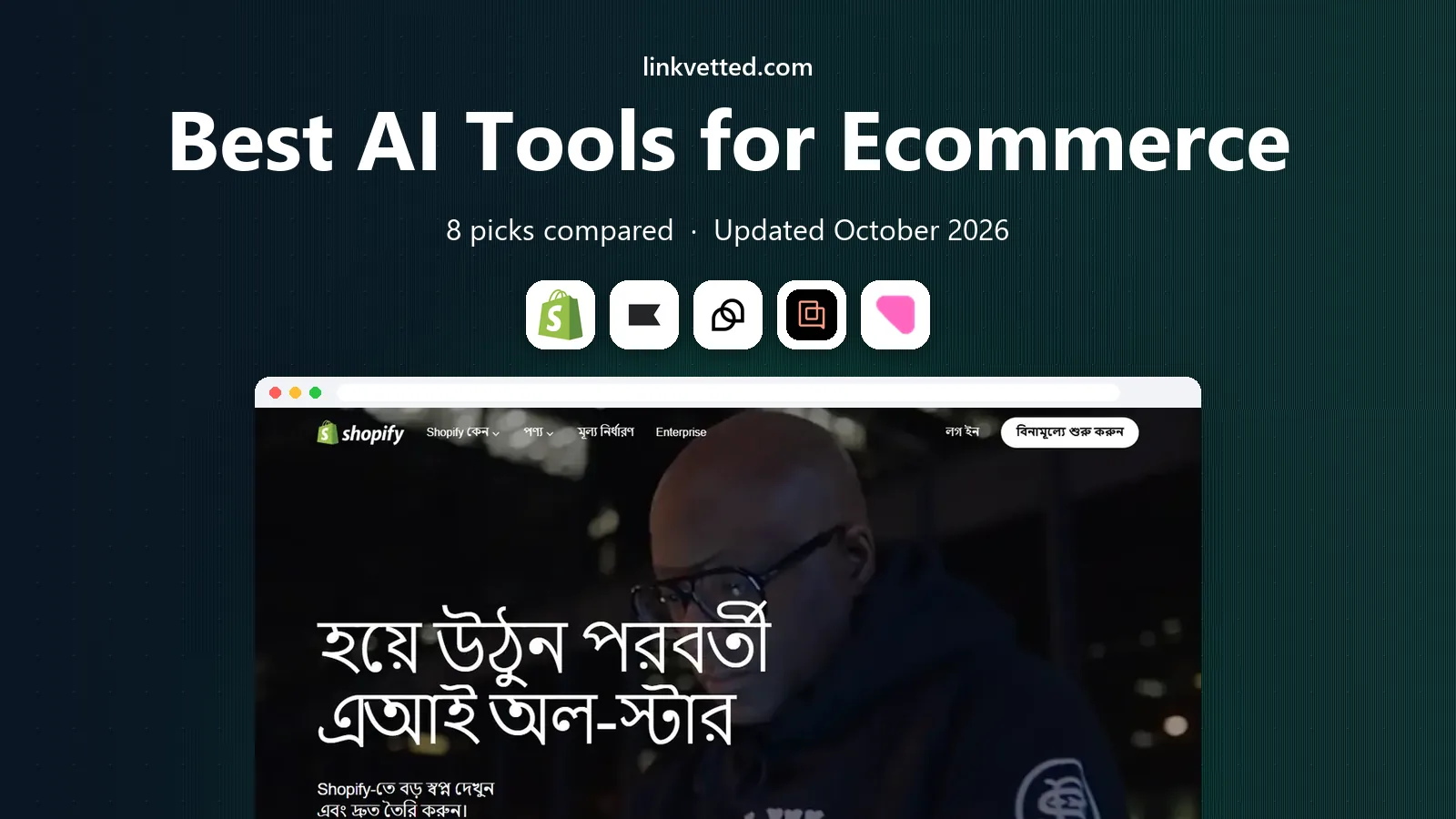
- Editor's choice
 Shopify
Store platform with built in AI features
Starts atSee websiteVisit shopify.comFull review - Great alternative
 Klaviyo
Email and SMS marketing flows
Starts atSee website, free plan for small listsVisit klaviyo.comFull review - Also consider
 Tidio
Live chat and AI support for small stores
Starts atSee website, Lyro AI from $39 per month in some listingsVisit tidio.comFull review
TL;DR:
- Klaviyo leads on email and SMS flows, while Tidio and Gorgias cover AI support for stores of different sizes.
- Shopify itself covers a lot through built in AI, so check what your plan already includes before buying another tool.
- Nosto suits larger stores that need personalisation, while Octane AI suits stores that want quiz based product guidance.
- Jasper helps with product copy at scale, and Photoroom helps with product photos without a studio shoot.
- Start with one bottleneck, such as abandoned carts or support replies, and add tools only after the first one shows results.
Quick comparison
| Tool | Best for | Starts at | Free plan? | |
|---|---|---|---|---|
| Shopify | Store platform with built in AI features | See website | Yes, trial available | Visit |
| Klaviyo | Email and SMS marketing flows | See website, free plan for small lists | Yes, free plan for small lists | Visit |
| Tidio | Live chat and AI support for small stores | See website, Lyro AI from $39 per month in some listings | Yes, free plan | Visit |
 Gorgias | AI support helpdesk for growing stores | From $10 per month for helpdesk, AI billed per resolution in some plans | No, trial available | Visit |
 Nosto | Personalisation and product recommendations | See website | No, demo available | Visit |
 Jasper | AI copy for product descriptions and marketing | See website | No, trial available | Visit |
 Octane AI | Product quizzes and zero party data | From $50 per month | No, 14 day trial in many listings | Visit |
 Photoroom | AI product photos and background removal | See website | Yes, free to install with limits | Visit |
The best AI tools for ecommerce
We focused on tools a small store can actually adopt, with clear jobs, Shopify friendly integrations, and pricing that does not require an enterprise budget to start.

Shopify is the base many small stores build on, and its built in AI now covers jobs that once needed separate tools. Shopify Magic and Sidekick help with product descriptions, store setup questions and admin tasks, while the app store adds specialist tools when needed.
The clear strength is breadth, since hosting, checkout, payments and apps sit in one platform a small team can run. For a buyer or user weighing this option, that strength shows up in daily use, not just on a feature list, and it is the reason this product earns a place here.
The honest weakness is bundling, since the best AI and reporting features often sit on higher plans, so check your plan before assuming a feature is included. If that trade-off matters to you, compare it directly with the next option on this list before you commit time or money.
- Built in AI for copy and search, large app store, reliable checkout
- Monthly plan cost grows with features, some AI features need higher plans
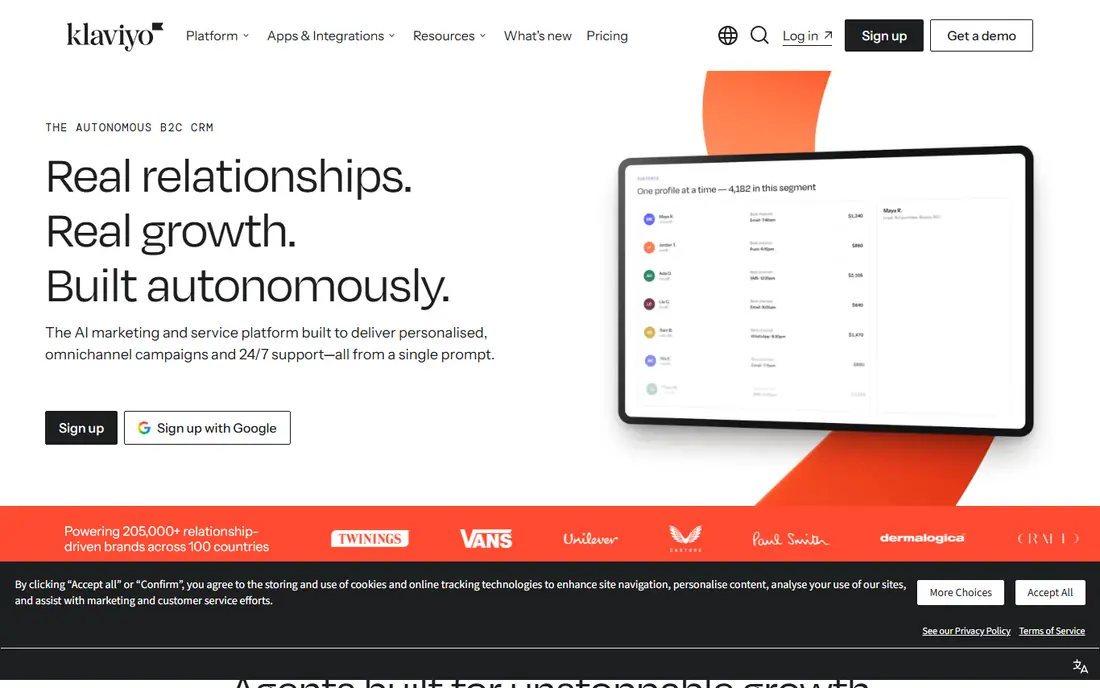
Klaviyo is the marketing engine for stores that live or die by repeat purchases and cart recovery. It syncs store data, builds segments from purchase behaviour, and runs automated flows for welcome, cart recovery and post purchase messages.
The clear strength is flow automation, since a well set abandoned cart and welcome series can recover sales with little ongoing effort. For a buyer or user weighing this option, that strength shows up in daily use, not just on a feature list, and it is the reason this product earns a place here.
The honest weakness is scaling cost, since price rises with active profiles, so list hygiene and segment pruning matter as you grow. If that trade-off matters to you, compare it directly with the next option on this list before you commit time or money.
- Abandoned cart and welcome flows, segmentation, predictive analytics
- Cost scales with active profiles, SMS adds separate cost
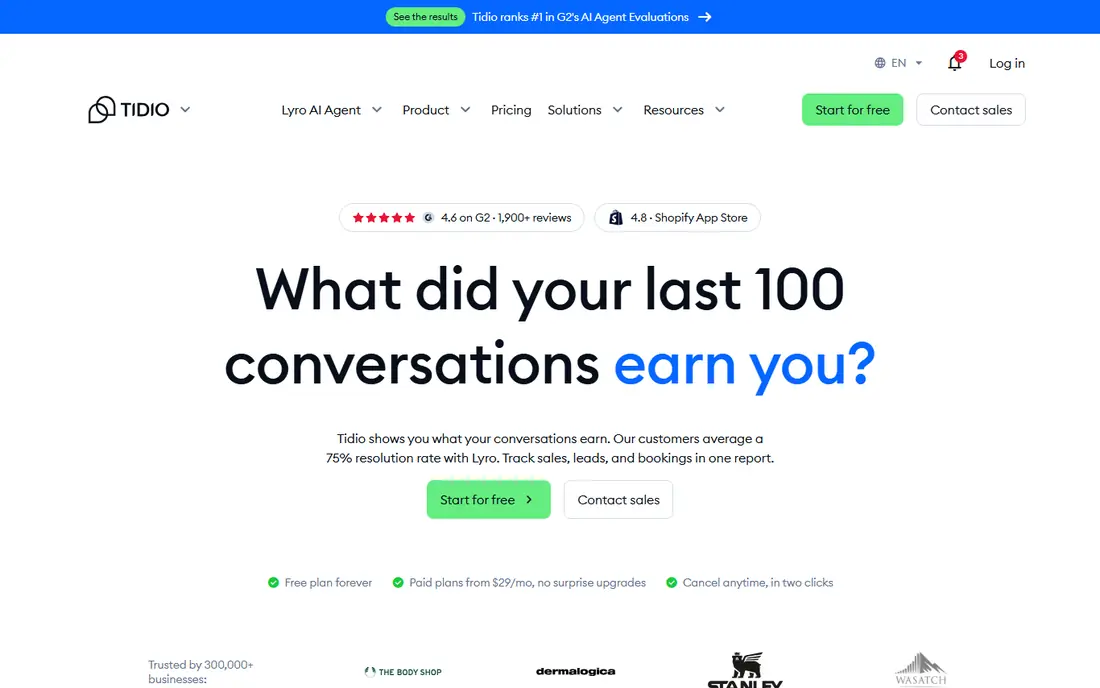
Tidio suits a small store that needs chat and AI answers without hiring a support team. Visitors chat on the store, Lyro answers from your help content, and the chat can surface order status for Shopify stores.
The clear strength is accessibility, since a free plan and a modest AI tier let a solo founder offer instant answers. For a buyer or user weighing this option, that strength shows up in daily use, not just on a feature list, and it is the reason this product earns a place here.
The honest weakness is volume limits, since conversation allowances and caps shape how far the AI tier stretches in a busy month. If that trade-off matters to you, compare it directly with the next option on this list before you commit time or money.
- Live chat plus Lyro AI agent, Shopify order lookup, no code automation
- AI conversation allowances limit heavy use, advanced helpdesk features need higher plans
Gorgias suits stores where support volume has outgrown a simple chat box. It pulls email, chat and social messages into one inbox, shows order data beside each ticket, and lets an AI agent resolve common questions.
The clear strength is ticket context, since agents see orders and history without switching systems. For a buyer or user weighing this option, that strength shows up in daily use, not just on a feature list, and it is the reason this product earns a place here.
The honest weakness is billing complexity, since helpdesk and AI resolution pricing combine, so model cost at your real ticket volume. If that trade-off matters to you, compare it directly with the next option on this list before you commit time or money.
- Unified inbox, AI agent, Shopify data in tickets, automation rules
- Per resolution AI billing can grow fast, setup takes care for complex stores
Nosto is the personalisation layer for stores with enough traffic for recommendations to learn from. It tailors product recommendations, search results and on site content based on browsing and purchase behaviour.
The clear strength is relevance, since personalised recommendations can lift discovery on larger catalogues. For a buyer or user weighing this option, that strength shows up in daily use, not just on a feature list, and it is the reason this product earns a place here.
The honest weakness is entry cost, since pricing and setup suit mid size and larger stores better than a brand new shop with thin traffic. If that trade-off matters to you, compare it directly with the next option on this list before you commit time or money.
- AI recommendations, search personalisation, segmentation
- Priced for larger stores, setup and data needs are higher
Jasper helps a store with hundreds of products turn thin supplier text into usable copy. You set a brand voice, feed in product details, and generate descriptions, ad variants and email drafts in batches.
The clear strength is speed at scale, since bulk copy work that took days can move in hours. For a buyer or user weighing this option, that strength shows up in daily use, not just on a feature list, and it is the reason this product earns a place here.
The honest weakness is accuracy, since AI drafts can invent details, so every description still needs a human check before it goes live. If that trade-off matters to you, compare it directly with the next option on this list before you commit time or money.
- Brand voice controls, templates for product and ad copy, bulk generation
- Output needs human editing, cost adds up for heavy use
Octane AI suits stores where shoppers need guidance to choose the right product. A quiz asks about needs, skin type, size or use case, then recommends products and passes the answers to email flows.
The clear strength is guided selling, since a good quiz reduces choice overload and collects data shoppers willingly share. For a buyer or user weighing this option, that strength shows up in daily use, not just on a feature list, and it is the reason this product earns a place here.
The honest weakness is effort, since a quiz that converts needs testing, clear questions and products mapped to answers. If that trade-off matters to you, compare it directly with the next option on this list before you commit time or money.
- AI quizzes, personalised recommendations, Klaviyo integration
- Entry price is high for new stores, quiz design takes testing
Photoroom helps a small store make phone photos look like catalogue shots. You remove a messy background, drop in a clean or lifestyle background, and export consistent images for listings and ads.
The clear strength is speed, since batch background work that once needed a studio or editor takes minutes. For a buyer or user weighing this option, that strength shows up in daily use, not just on a feature list, and it is the reason this product earns a place here.
The honest weakness is quality variance, since tricky edges, reflective products and busy originals still need manual cleanup. If that trade-off matters to you, compare it directly with the next option on this list before you commit time or money.
- Background removal, AI backgrounds, batch editing for product shots
- Publishing and high resolution exports need paid plans, results vary by photo
How we picked these
We looked for tools that are live in October 2026, work with common ecommerce platforms, and use AI for a concrete store job rather than as a label. We weighed integration with Shopify and other platforms, price and free tier limits, how much setup each tool needs, and whether a small team can measure results. Enterprise only platforms with quote only pricing and no small store entry point did not make the list.
How to choose AI tools for your ecommerce store
Fix one bottleneck first
Name the job that costs the most time or loses the most sales, such as abandoned carts, support replies, product descriptions or photo editing. Buy or trial one tool for that job, set a simple measure such as recovered carts or first reply time, and review it after a month. Adding five tools at once makes it hard to tell which one helped, and it stacks subscriptions before any of them prove value.
Check what your platform already does
Shopify, WooCommerce and other platforms now include AI writing, search and support features in some plans, so list those first and note the gaps. A separate tool should add a clear capability, such as quiz based recommendations or advanced personalisation, rather than duplicating a feature you already pay for. Keep a short list of overlaps and cancel tools that duplicate platform features.
Watch the meter, not just the monthly price
Many ecommerce tools charge by contacts, conversations, orders or credits, so a low headline price can grow with your list or traffic. Model the cost at your current volume and at double that volume, and check what happens when you cross a tier. Set alerts where the vendor offers them, and review the bill each quarter against the revenue or time the tool actually saved.
FAQ
What is the best AI tool for ecommerce for a small business? Klaviyo is a strong first pick for email and SMS flows, since abandoned cart and welcome flows often pay back quickly. Tidio is a strong pick if support replies are the bottleneck, and Shopify built in AI covers basic copy and search without extra cost.
Do I need AI tools if I already use Shopify? Not always. Shopify includes AI help for descriptions, search and support in many plans, so start there. Add a specialist tool only when you need a job Shopify does not cover well, such as quiz recommendations, advanced personalisation or high volume AI support.
How much should a small store budget for AI tools? Many small stores start with free tiers and one paid tool in the 10 to 50 dollar per month range, then add tools as revenue grows. Model costs by contacts, conversations or orders rather than by headline price, since usage based meters drive the real bill.
Can AI tools write all my product descriptions? AI can draft descriptions at scale, but human review still matters for accuracy, tone and claims about materials, sizing and care. Use AI for first drafts and bulk work, then edit the details that affect returns and customer trust.
Is Klaviyo free? Klaviyo offers a free plan for small lists, with limits on contacts and emails, and paid plans scale with active profiles. Check the current free limits on the vendor site, since they change and they shape whether the free plan fits your list size.
Sources
https://shopify.com https://klaviyo.com https://tidio.com https://gorgias.com https://nosto.com https://jasper.ai https://octaneai.com https://photoroom.com